REVIEW · MOSHI
6 Days Machame Route Kilimanjaro Climbing Trekking Tour
Book on Viator →Operated by Macpace Tours and Safaris · Bookable on Viator
Kilimanjaro rewards patience, not luck. The Machame Route is a scenic climb with a built-in rhythm that helps your body adjust, and it all runs like a tight operation from Moshi to Uhuru Peak. I particularly love the emergency oxygen that’s included, and I also like that your food, tents, and park-related costs are handled so you can focus on the walk. One drawback: this is a real fitness test, especially with the late-night summit start around 12:00 and the cold, high-altitude conditions that come with it.
What makes this trek feel different from a basic walking tour is the way the days stack. You’ll move through rainforest to moorland, hit a tough ridgeline day, then do the Barranco wall and go into the summit push with an early dinner and a serious plan. It’s private, so you’re not stuck sharing pace with random strangers.
If you’re the type who likes clear structure and strong guiding, you’ll likely appreciate this setup. You’ll be in tents (twin sharing, mattress included), eating well, and sleeping at specific camps each night—then finishing with a descent through the forest zone back to Mweka Gate.
In This Review
- Quick hits before you go
- Why the Machame Route works so well in 6 days
- Price and value: what $1,950 covers (and what it doesn’t)
- Your team on the mountain: guides, porters, and real safety habits
- Camps, tents, and food: what “included” really means at altitude
- Day 1: Moshi to Machame Gate to Machame Camp (your steep opener)
- Day 2: Machame Camp to Shira Cave Camp (rainforest to moorland feel)
- Day 3: Shira Cave Camp to Lava Tower to Barranco Camp (the tough middle)
- Day 4: Barranco Camp to Karanga Camp to Barafu Camp (the wall and the launch plan)
- Day 5: Barafu to Uhuru Peak via Stella Point (sunrise and heavy scree)
- Day 6: Millennium Camp to Mweka Camp to Mweka Gate (forest descent and certificates)
- Who this trek is best for (and who should think twice)
- What to pack: the essentials you should plan to handle
- The small details that make the big difference
- Should you book this 6-day Machame trek with Macpace Tours and Safaris?
- FAQ
- How many days is this Kilimanjaro trek?
- Where is the tour based?
- Is the Machame route included?
- Is the tour private?
- What sleeping setup do you get?
- Is emergency oxygen included?
- Are meals and drinking water included?
- Do you get a summit certificate?
- What major items are not included in the price?
- What if I need to cancel?
Quick hits before you go
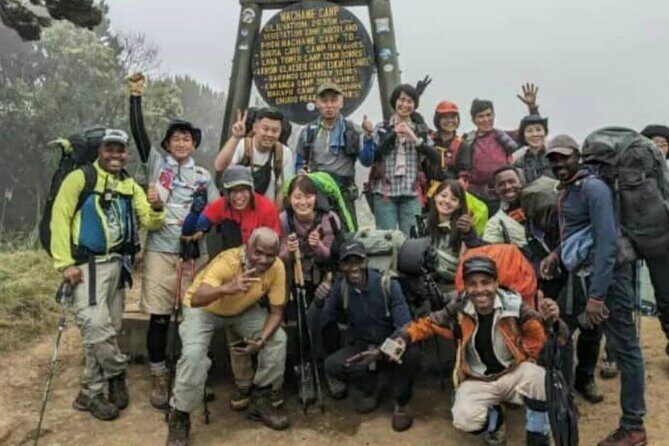
- Machame Route in 6 days: enough time to acclimatize, without dragging the trip into an expensive extra week.
- Emergency oxygen included: not the same as being safe, but it does add real practical reassurance.
- Four-season tents + mattress: you get proper overnight shelter, not just a thin sleeping setup.
- Specific, classic altitude checkpoints: Machame Gate, Shira Cave, Lava Tower, Barranco Wall, Barafu, Uhuru Peak, Mweka Gate.
- Food and purified water are part of the deal: steady fuel matters at altitude.
- Support team names you may recognize: past groups have referenced guides and staff like Elipokea, Victor, Baraka, Maneno, Egbert, and Walter.
Why the Machame Route works so well in 6 days
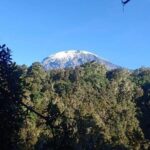
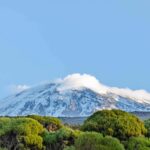
The Machame Route has a reputation for scenery and a sensible climb pattern. In plain terms, it gives you time to rise gradually, then hit bigger altitude goals in the middle, when you’re more acclimated than on a faster route.
This 6-day version is built around that idea. Day 1 starts with a short drive from Moshi to Machame Gate, then you climb to Machame Camp. Day 2 keeps you moving up into moorland and over rocky sections. Day 3 includes the Lava Tower area and then a descent to Barranco Camp—important because going higher and then dropping a bit can help your body handle the final push.
If you’re choosing between routes, I like Machame because it doesn’t feel like a nonstop sprint. It’s still hard. But it tends to feel hard in a “step by step” way, not a “why are we doing this already” way.
You can also read our reviews of more hiking tours in Moshi
Price and value: what $1,950 covers (and what it doesn’t)
At $1,950 per person, this isn’t a budget hike. But it includes a lot of the expensive, mountain-specific work that most self-plans forget to price correctly.
Included value highlights:
- Transfers to and from your Moshi hotel, plus airport pick-up and drop-off
- Guides, porters, and cooks (salaries are covered)
- Tents (waterproof, four-season) on a twin-sharing basis, plus mattress
- Emergency oxygen cylinder
- Large portions of breakfast, lunch, and dinner during the trek days
- Clean, purified drinking water
- Park-related costs: conservation fees, camping or hut fees, and rescue fees
- A summit certificate
- VAT (18%) is included in what you pay
What’s not included (so don’t get surprised):
- Tanzania visa
- International and domestic flights
- Personal gear like sleeping bags, hiking boots, and clothing (renting is available)
- Tips/gratuities
- Travel insurance
Here’s how I think about the value. If you’ve never climbed in this way before, paying for trained staff, proper tents, and full meal support can be the difference between “I managed it” and “I got to enjoy the mountain.” That’s what you’re buying here: fewer unknowns, better mountain logistics, and less stress when the air gets thin.
Your team on the mountain: guides, porters, and real safety habits
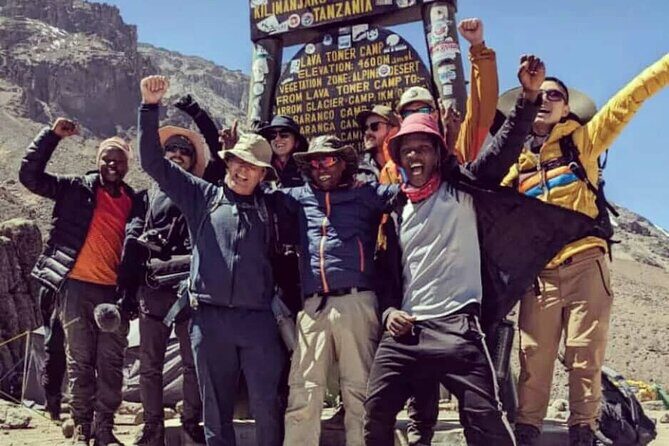
Kilimanjaro is a group sport, even when you think of it as your personal challenge. You’ll have professional guides and porters carrying loads, setting tents, and supporting your schedule so you can focus on walking and acclimatization.
In the experience of past groups, guide teams have included people like Elipokea and Victor, with support noted from staff such as Egbert and Walter. You may also hear names like Baraka and Maneno for guiding roles. Some groups specifically mentioned first-aid qualified guides, which matters on an altitude trek where timing and calm decision-making are everything.
Practical tip: ask your guide what pace strategy they prefer for you personally—especially for Day 3 and the Barranco wall. A good guide will help you avoid “hero mode” early, because the summit night punishes overexertion.
Camps, tents, and food: what “included” really means at altitude
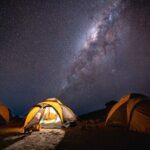
On this trek, you sleep in waterproof, four-season tents with a mattress (twin sharing). That’s a big deal because the mountain cold is not a theoretical problem once you’re above the highest camps. A “normal” tent setup can fail when weather turns. This one is designed for the conditions you’ll face.
Meal support is also more than a checkbox. You get breakfast (6), lunch (6), and dinner (6), served in quality mess tents with table and chairs. At altitude, your appetite can be weird. The advantage of an organized mess setup is that you’re less likely to skip meals that could keep you steady on summit night.
You also get clean, purified drinking water. That reduces the mental load of figuring out what’s safe and what’s not while you’re tired and breathing hard.
And then there’s the included emergency oxygen cylinder. It doesn’t guarantee outcomes, but it gives your team a tool that can matter in altitude emergencies. I like that it’s part of the package rather than an optional add-on.
Day 1: Moshi to Machame Gate to Machame Camp (your steep opener)
You start with a 45-minute drive from Moshi to Machame Gate, at about 5,381 ft. Then you climb from the gate up to Machame Camp (9,301 ft). Expect 5–7 hours of steep ascent.
This first day is where you set your habits. If you go out too fast, you’ll feel it later. If you go steady, you’ll be in better shape for the higher days.
A couple of practical notes:
- Your first night sleep can feel shorter than you expect. The schedule notes you’ll only get about 8–9 hours of sleep on that day.
- You’ll be in the early stages of altitude, so it’s smart to hydrate steadily and keep moving at a pace you can hold.
I also like that the climb begins at Machame Gate, which is the standard starting point in this route. It keeps things organized, and you’ll know your baseline altitude from the start.
A few more Moshi tours and experiences worth a look
Day 2: Machame Camp to Shira Cave Camp (rainforest to moorland feel)
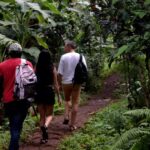
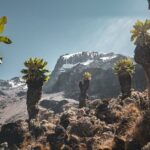
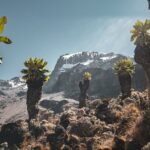
Day 2 runs from Machame Camp (9,301 ft) up to Shira Cave Camp (12,598 ft). The route transitions from the rainforest zone into moorland.
This day includes hiking along a rocky ridge for several hours before reaching Shira Camp. That’s the kind of terrain that can make your feet tired even if your heart rate isn’t maxed out.
What I like about Day 2 is that it’s long enough to teach your body what’s coming, but not described as the worst kind of brutal. It’s a “keep your rhythm” day: breathe, drink, and don’t rush.
Potential drawback to consider: rocky ridges can be rough on your ankles and knees. If you know your weak spots (shin splints, sore knees, unstable ankles), bring up those concerns early with your guide so they can watch your form and pacing.
Day 3: Shira Cave Camp to Lava Tower to Barranco Camp (the tough middle)
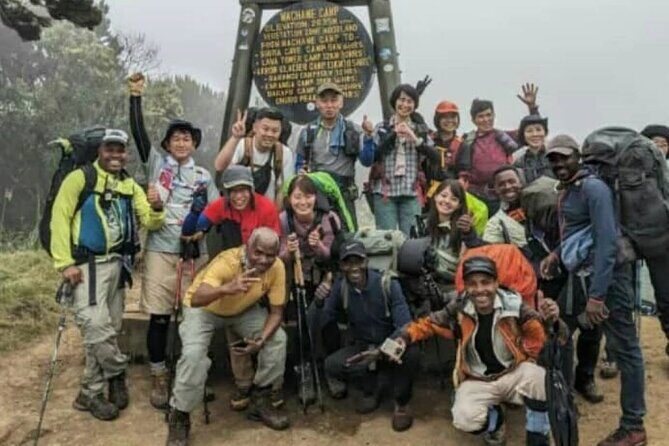
Day 3 is the “serious altitude” day. You climb from Shira Cave Camp (12,598 ft) up to around 15,223 ft at Lava Tower, then you descend to Barranco Camp (12,959 ft) for the overnight stay.
The hike takes about 5–8 hours, and the key detail is that you’re doing both work on the way up and controlled effort on the way down. The combination can be taxing: legs get tired going up, and then your quads work hard on the descent.
This is also a day where your mindset matters. You’re training your body to handle the thin air plus fatigue. If you stay calm, eat when food is offered, and follow your guide’s pace, the summit later will feel more doable.
Day 4: Barranco Camp to Karanga Camp to Barafu Camp (the wall and the launch plan)
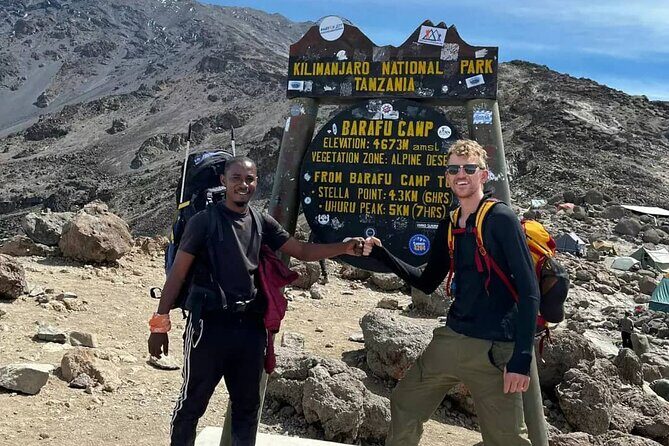
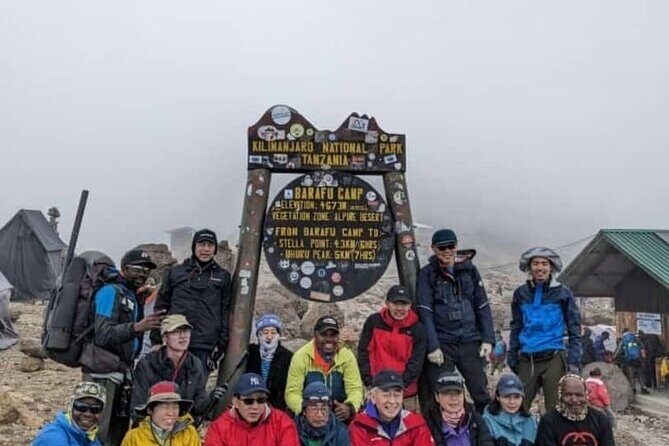
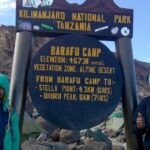
Day 4 starts at Barranco Camp (12,959 ft). You’ll ascend to Karanga Camp (13,238 ft) and then continue up to Barafu Camp (15,354 ft), including the classic challenges of the day.
You’ll cross the Barranco wall and Karanga Valley ridges. One named spot is Kiss Stone Point on the Barranco Wall. It’s described as challenging, and that’s exactly the kind of terrain where good footwork and guidance matter.
After Karanga, you connect to the trail toward Barafu Camp, crossing a route connected with the Mweka route. The segment to Barafu is described as moderate, taking 3–4 hours.
Then the day shifts from hiking to planning. You spend the rest of the day at Barafu Camp with an early dinner and preparation for the summit attempt that starts around midnight (the schedule lists 12:00). Practically, that means you should expect a long “get ready” stretch. You’ll want to sleep in a way that doesn’t leave you groggy.
Day 5: Barafu to Uhuru Peak via Stella Point (sunrise and heavy scree)
Day 5 is the summit day: you walk from Barafu Camp to Uhuru Peak, then descend back down to Barafu. The tour schedule says the summit attempt starts around 12:00 (late-night/very early hours).
The route heads northwest direction and includes a heavy scree climb toward the crater rim at Stella Point. Stella is where you stop for a short break (about 15 minutes) before pushing onward to Uhuru Peak.
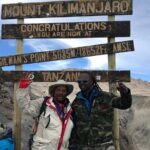
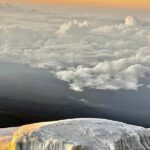
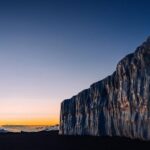
The payoff is huge. You reach Uhuru Peak (Uhuru Peak altitude listed as 5,895 m / 19,341 ft) and are rewarded with the beautiful sunrise before descending again toward Barafu.
Then comes a quieter second half of the day:
- You rest at Barafu Camp for about 2 hours
- You eat lunch
- Then you descend to Millennium Camp for your last dinner and overnight
I like that this day isn’t just “summit and done.” The itinerary has you recovering with time at Barafu before moving to Millennium Camp. That reduces the odds you’ll feel wrecked with no structure left.
Day 6: Millennium Camp to Mweka Camp to Mweka Gate (forest descent and certificates)
Your final day begins at Millennium Camp and goes to Mweka Camp (10,104 ft). Then you descend through the rainforest zone to Mweka Gate (5,380 ft).
The walk to Mweka Gate is listed as about 3–4 hours. When you arrive, you’re awarded your Kilimanjaro summit certificates, then you’re driven back to Moshi for an overnight stay.
This is the day you’ll notice two things:
- Your breathing feels better down low
- Your body feels sore in new ways (stairs and sloped paths can do that)
Keep your steps shorter than you think. The “easy” day can still be hard on knees and ankles if you rush the downhill.
Who this trek is best for (and who should think twice)
This tour is a strong fit if you:
- Want 6 days on the mountain with a plan built for acclimatization
- Prefer clear structure: camps, meals, and support are all organized
- Like having a team around you—guides, porters, and cooks doing their jobs
It’s also a solid choice if you’ve never slept on a mountain trek before. Some past participants highlighted that sleeping in tents was fun, even for first-timers. Still, “fun” doesn’t mean comfortable. It means your mindset shifts from fear to focus once you realize the basics are covered.
Who should think twice:
- If late-night starts and cold conditions stress you out
- If you don’t have a moderate fitness base
- If you expect Kilimanjaro to be casual
Remember: the itinerary is built around walking time and altitude movement. You’re not just sightseeing.
What to pack: the essentials you should plan to handle
Personal gear is not included. The tour mentions you can rent trekking equipment such as sleeping bags, hiking boots, and clothes. If you’re packing yourself, plan for real mountain conditions.
The big categories you should not overlook:
- Warm sleep system (either bring your own sleeping bag or rent)
- Hiking boots with grip for scree and rocky ridge sections
- Layers for cold mornings and night air
- Weather protection (rain/wind can show up without warning)
If you’re unsure what to rent, ask before you arrive. It’s easier to pick the right fit early than to fight blisters on Day 3.
The small details that make the big difference
A summit trek isn’t won by one moment. It’s won by hundreds of small choices:
- Drinking water consistently while you walk
- Eating meals even when you don’t feel hungry
- Staying patient when the terrain turns steep or rocky
- Trusting your guide’s pacing during the tough middle days
You’ll also benefit from the way this trek handles camp life: clean, purified drinking water; mess tents; and staff setting up the right base each night. When you’re tired, that kind of organization stops you from wasting energy on logistics.
And if you’re the kind who likes knowing the people behind the work: past groups have mentioned guide support from folks like Elipokea and Victor, plus helpful company staff such as Egbert and Walter—names that show this isn’t just a “send you into the wilderness” style operation.
Should you book this 6-day Machame trek with Macpace Tours and Safaris?
I’d book it if you want a structured, staff-supported Machame climb in about six days, with tents, meals, purified water, and emergency oxygen included. At $1,950, it’s not cheap, but the price is doing real work: guiding, porter support, camp setup, food, and key park fees.
Don’t book it blindly if you:
- Hate early wake-ups and midnight summit timing
- Don’t train for long uphill days and rocky footing
- Don’t have a plan for personal gear like a warm sleeping bag and proper boots
My final advice: if you’re ready for the climb, this itinerary has the pieces that help you focus on the mountain instead of the paperwork and uncertainty. If you’re on the fence, spend a little time thinking about your fitness and your comfort with cold. Kilimanjaro is doable—but only when you pick a plan that matches your real life.
FAQ
How many days is this Kilimanjaro trek?
The trek is approximately 6 days.
Where is the tour based?
The tour is based in Moshi, Tanzania, with the mountain start and end handled through drives from Moshi.
Is the Machame route included?
Yes, this is a 6-day Kilimanjaro trekking tour on the Machame Route.
Is the tour private?
Yes. It’s listed as a private tour/activity, and only your group will participate.
What sleeping setup do you get?
You sleep in quality, waterproof, four-season mountain tents on a twin-sharing basis, and you get a sleeping mattress.
Is emergency oxygen included?
Yes. An emergency oxygen cylinder is included.
Are meals and drinking water included?
Yes. The tour includes meals each day (breakfast, lunch, dinner) and clean, purified drinking water.
Do you get a summit certificate?
Yes. A Kilimanjaro summit certificate is included, and you receive certificates upon arrival at Mweka Gate.
What major items are not included in the price?
Not included are the Tanzania visa, international and domestic flights, personal trekking equipment (sleeping bags, hiking boots, clothes, etc.), tips/gratuities, and travel insurance.
What if I need to cancel?
You can cancel for a full refund if you cancel at least 24 hours before the experience starts. If you cancel within 24 hours of the start time, you won’t get a refund.