REVIEW · MOSHI
Climbing Kilimanjaro through 7 days Machame Route
Book on Viator →Operated by ZAFS Tours · Bookable on Viator
Seven days up Kilimanjaro, no shortcuts. This Machame route packs a classic set of zones—rainforest, Shira Camp, Lava Tower, Barranco, and Barafu—with built-in acclimatization pacing that makes the summit attempt feel more realistic. What I like is the safety-minded leadership: guides are certified for Wilderness first responder work and the trek includes emergency oxygen if altitude issues show up.
The other big plus is how the days are run once you’re on the mountain. Meals are freshly prepared each day, including healthy lunches and dinners cooked by an expert chef, and the camp setup is handled with camping equipment like tents and dining gear. The trade-off? The Machame route is among the longer, steeper walking options and it’s also one of the busiest paths up the mountain.
In This Review
- Key Things to Know Before You Go
- Why Machame Makes Sense for a 7-Day Kilimanjaro Attempt
- Moshi Start Point: Smooth Begin, Not Chaos
- The 7-Day Route, Stop by Stop: Machame Gate to Mweka
- Day 1: Machame Gate and rainforest walking
- Day 2: Climbing up to Shira Camp, where routes meet
- Day 3: Lava Tower and onward to Barranco
- Day 4: The Great Barranco Wall to Barafu Camp
- Summit day: Head up from Barafu and reach the top
- Descent: Mweka trail, not retracing your steps
- Final day: finishing the Mweka descent and returning to Moshi
- Whiskey Route Reality Check: Longer and Steeper Isn’t Scary, It’s Work
- Camp Life That Actually Helps: Meals, Gear, and Crew Rhythm
- Summit Night Approach: Support, Monitoring, and Staying in Control
- The Descent on Mweka Trail: Where Legs Talk Back
- Price and Value: What $2,425 Buys You Here
- Who Should Choose This Machame 7-Day Climb
- Should You Book ZAFS Tours for Kilimanjaro Machame?
- FAQ
- What is the route and duration?
- Where do I meet the group?
- How long has this route been in operation with the guides?
- What safety and medical support is included?
- What’s included in the price?
- What fitness level do I need?
- What is the cancellation policy?
Key Things to Know Before You Go
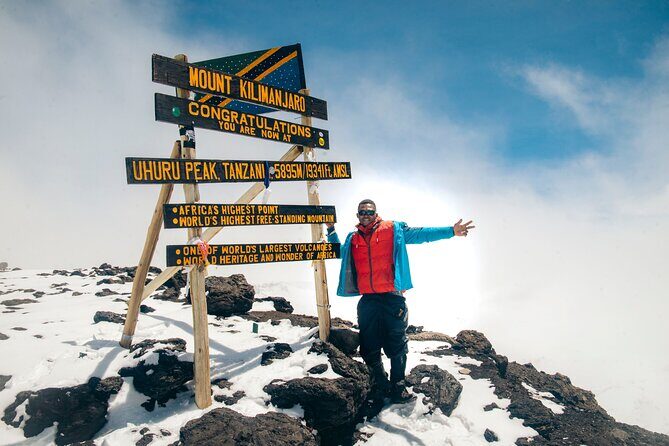
- Machame’s strength is pacing: longer days and walk high sleep low can boost acclimatization on a 7-day schedule
- Safety is not an afterthought: daily health checks, Wilderness first responder certified guides, and emergency oxygen cylinders
- Chef-led camp meals: daily breakfast, lunch, and dinner help you keep strength for the next altitude push
- You’ll cross big-name landmarks: Shira Camp, Lava Tower, the Great Barranco Wall, and Barafu Camp
- Summit with a cleaner descent plan: descend via the Mweka trail instead of retracing your ascent
- A crew that knows the rhythm: guides with 8+ years on Kilimanjaro and a team experienced with hundreds of climbs
Why Machame Makes Sense for a 7-Day Kilimanjaro Attempt
If your goal is to summit Kilimanjaro with a sensible plan, Machame is one of the routes that tends to work well. It’s nicknamed the Whiskey Route because it’s often considered more demanding than the Marangu route. The real story is simpler: it’s usually longer and steeper in places, not more technical in the climbing sense. That length matters. More hours at higher altitude, combined with the walk high sleep low pattern, gives your body a better chance to adjust before the summit push.
This 7-day version is designed around that idea. You start at Machame Gate (about 1,800 meters) and then build upward step by step. Day after day, you shift altitude, rest, and keep moving—without rushing the whole thing into a short, brutal sprint.
Also, Machame is well-trodden. That can mean you’re sharing camps and trails with others, especially on the popular sections. It isn’t automatically bad. It can even be comforting to know you’re on a route that’s actively maintained and well understood.
A few more Moshi tours and experiences worth a look
Moshi Start Point: Smooth Begin, Not Chaos
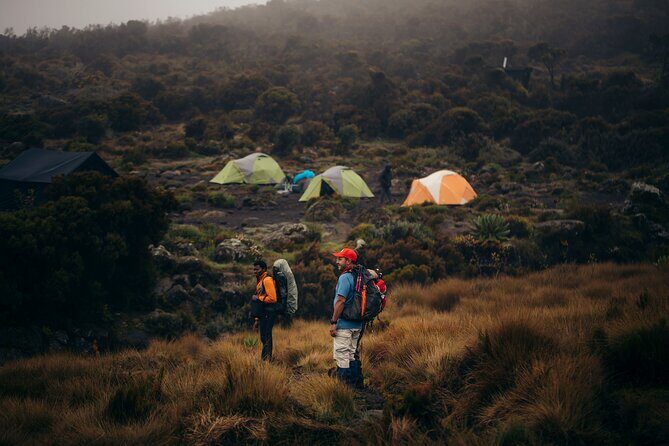
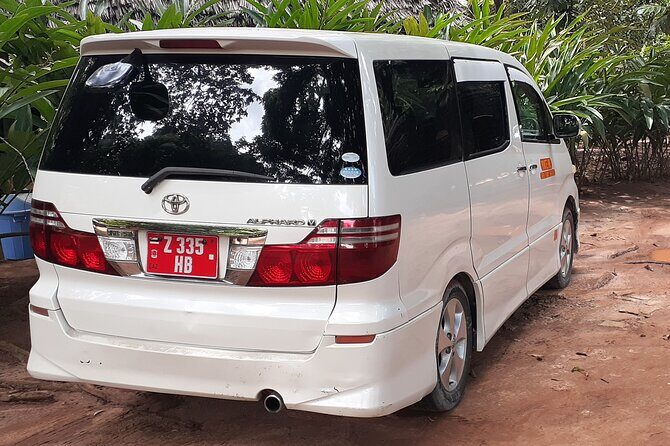
You’ll start in Moshi at Moshi Leopard Hotel, Market St. The tour includes private transportation, so you’re not trying to coordinate taxis after a long travel day. That matters on Kilimanjaro because your time and energy are your real currency.
You’ll want to treat Moshi like the warm-up for the hard part. Before you climb, focus on getting your basics right:
- hydrate steadily (not all at once)
- eat normally so you don’t arrive under-fueled
- keep your gear simple and organized
The climb is private in the sense that only your group participates, so you’re not mixed into random strangers. That can help with pacing, especially if you have your own rhythm and questions. It also means the guide and crew can manage the group’s needs more directly.
The 7-Day Route, Stop by Stop: Machame Gate to Mweka
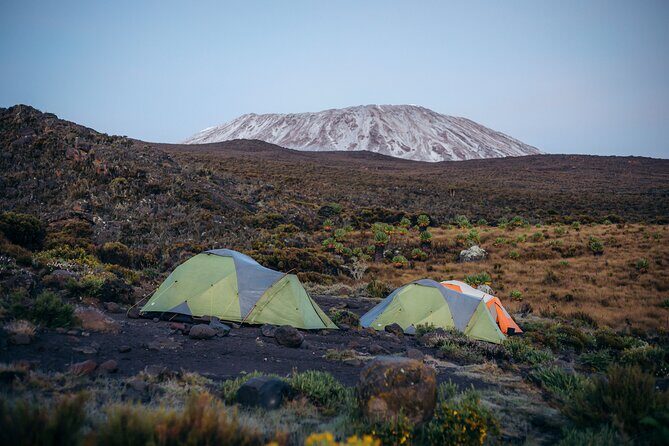
Rather than cram everything into “just walk uphill,” this route has a clear order of environments. Each area has its own feel, its own challenges, and its own payoff.
Day 1: Machame Gate and rainforest walking
You begin at Machame Gate (around 1,800 meters). From there, the early hiking runs through majestic rainforest. This part is often surprisingly damp and green—more jungle trail than high-alpine. The upside: rainforest terrain can feel less exposed and less stark than later zones. The downside: humidity can work against you. You’ll sweat, you’ll breathe hard, and the idea of saving your energy becomes real fast.
Practical tip: plan to go slow even if you feel good at the start. Rainforest days can trick you into thinking you’re cruising. Kilimanjaro tends to collect its bill later.
Day 2: Climbing up to Shira Camp, where routes meet
As you continue, you reach Shira Camp. This is where the Lemosho route joins from the west. That merging is more than a trivia point. When routes meet, the trail becomes a crossroads of pacing styles and expectations, and you’ll notice how different groups move through altitude.
Shira is a milestone because it’s a transition point. The “story” of the hike shifts from thick forest toward more open, higher terrain. Even if the pace stays steady, the feeling in your body changes: your breathing rate climbs, and rest matters more.
Day 3: Lava Tower and onward to Barranco
From Shira, you traverse the southern side of the mountain via Lava Tower, then continue toward Barranco. Lava Tower is one of those name-brand spots on Kilimanjaro. Even when you’re not thinking about the geology, you’ll feel the altitude shift around it. And since the route continues toward Barranco, your day becomes about finding rhythm for the next big segment.
Barranco is often mentally important. You’re not there to “win” the day—you’re there to keep momentum while your body continues acclimatizing. If you keep your pace controlled, Barranco can feel like a relief rather than a punishment.
Day 4: The Great Barranco Wall to Barafu Camp
This is where Machame lives up to the Whiskey nickname. You’ll climb the Great Barranco Wall on your way to Barafu Camp. It’s not a technical rock climb. It’s steep effort. You’ll feel it in your legs and your lungs.
Barafu Camp is a key turning point. It’s where the hike starts becoming less about “getting there” and more about “how you handle summit night.” If you tend to overdo it, Barafu is the place to tighten up. Slow down. Protect your energy. Eat what you can. Hydrate within reason.
Summit day: Head up from Barafu and reach the top
The route description focuses on the summit push after reaching Barafu. Expect the summit attempt to be a demanding, long day that tests discipline. Many people get emotional up high. That’s normal. What matters is not the emotion—it’s the pace you can keep when your motivation drops.
Since this trek includes safety features like emergency oxygen and daily health checks, you’re not just relying on willpower. You’re relying on a team that monitors how you’re responding to altitude.
Descent: Mweka trail, not retracing your steps
After the summit, you descend via the Mweka trail, instead of retracing the ascent route. That’s a smart design choice. Your body will be tired after the summit effort, and changing terrain and direction can sometimes help your legs recover better than going back the exact same way.
The descent is where people often feel they’re “done,” but it’s still serious. Knee strain is common on steep downhills, and fatigue can make footing sloppy. Treat the descent as part of the climb, not the finish line.
Final day: finishing the Mweka descent and returning to Moshi
Your trek ends back at the meeting point in Moshi. That means you’re not just dropped off at a trailhead and left to figure out the rest. Getting back organized matters after days of sleeping in a tent and moving on mountain time.
Whiskey Route Reality Check: Longer and Steeper Isn’t Scary, It’s Work
Machame is called the Whiskey Route for a reason, but it doesn’t mean you need technical climbing skills. It means you’ll likely spend more time walking and you’ll meet steeper sections.
Here’s what I’d watch for if you’re deciding whether Machame fits you:
- If you get discouraged by long days, Machame can feel like a test.
- If you’re okay working steadily and stopping when you need to, Machame can feel manageable.
- If you’re prone to altitude problems, the pacing that supports acclimatization is a strong reason to choose this format.
The “walk high, sleep low” approach is the core idea behind why longer routes can have better odds. You get repeated altitude exposure, with rest that gives your body time to respond. That doesn’t eliminate altitude risk, but it helps.
Camp Life That Actually Helps: Meals, Gear, and Crew Rhythm
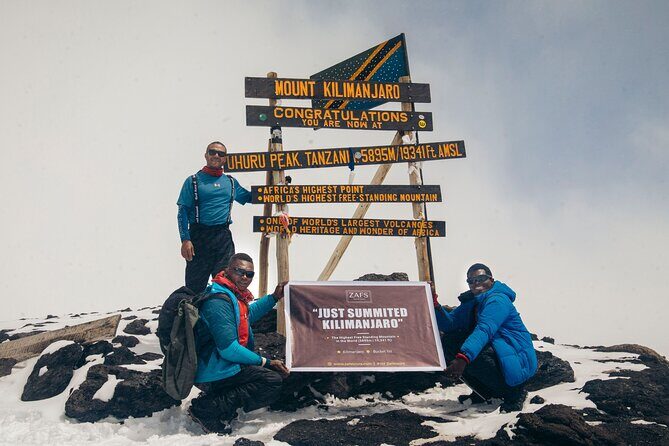
The mountain experience isn’t only about the summit. A huge part of your success comes from whether you can recover each day. This trek is built to keep recovery real.
Included meals are a big deal:
- freshly prepared breakfast daily
- healthy lunch daily on the mountain
- dinner daily, cooked by an expert chef
You’re not just eating to fill space. You need calories for climbing, hydration support, and comfort when you’re tired and chilled at camp.
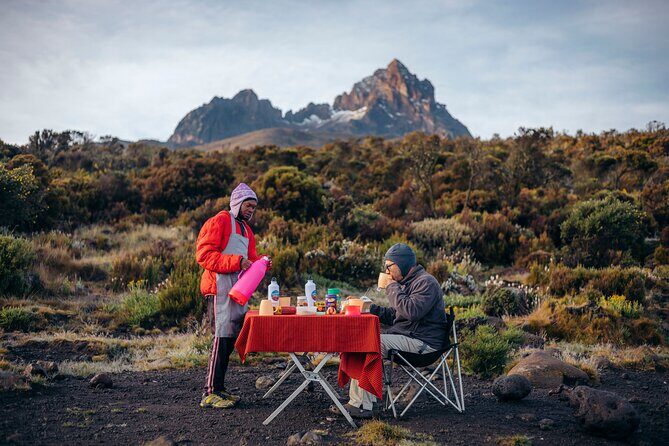
Camping equipment is also included: private tents, dining tent, and camp setup items like tables, chairs, mattresses, plus utensils and cutlery. That means you’re not spending your limited energy improvising gear or asking around for what your group forgot.
The crew support is another highlight. The operation is described as having a “dream team” feel, with guides, chef, waiter, and porters. In the feedback that stands out most, the recurring theme is that staff didn’t rush people and paid attention to individual needs. Names that came up across experiences include Musa and Mushi among the guide team, plus Alex, Gabriel, Farooq, and others in different groups. You also see mentions of morning support staff like Bonnie and Marcel. That pattern suggests a team structure that keeps the day organized from the first steps.
One more practical point: emergency oxygen cylinders are included. That’s not the same thing as preventing altitude illness, but it signals the trek takes medical readiness seriously.
Summit Night Approach: Support, Monitoring, and Staying in Control
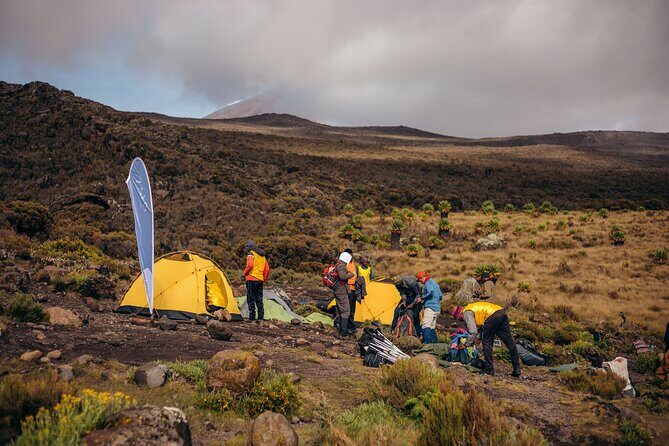
Summit night is where your plan matters most. You’ll need to walk steadily in the dark, keep your breathing controlled, and make smart decisions about stops and pace. Summit attempts can turn into a race in people’s minds. A good operator resists that.
This trek uses daily health checks, plus guide guidance intended to help climbers reach the top successfully. You’ll also have trained leadership with Wilderness first responder certification. That combination matters because altitude risk doesn’t follow a schedule.
In practical terms, what this means for you is:
- you’re more likely to hear real guidance early, not after things spiral
- your team can adjust pacing if you’re struggling
- there’s an actual safety backbone (oxygen included), not just hope
Still, remember the truth: Kilimanjaro is not a guaranteed summit machine. The route’s acclimatization style helps, but your body is the final decision-maker.
The Descent on Mweka Trail: Where Legs Talk Back
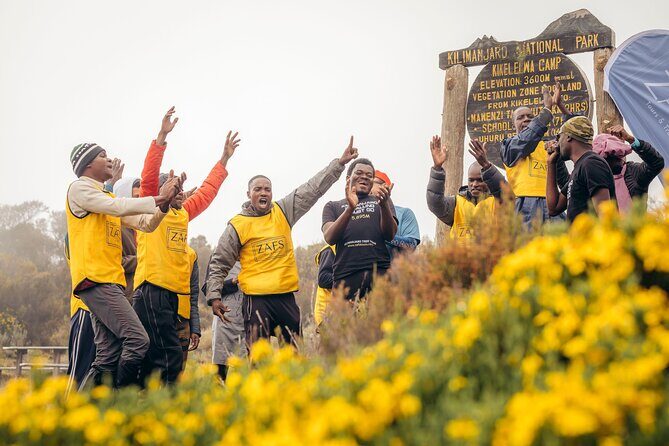
After the summit, the descent is often described as relief, but it’s also where people experience the most discomfort. Even when the adrenaline fades, you still have real hiking ahead on the Mweka trail.
Why the Mweka descent choice is smart: it changes the hiking pattern and avoids retracing the same ascent line. That can be easier on both feet and morale. But it doesn’t make it gentle. You’ll likely feel it in your quads and knees.
What you can do to protect yourself:
- take shorter steps on steep downhills
- don’t sprint just because you’re tired and excited
- keep eating and drinking as best you can, even if you don’t feel hungry
This phase is also where your attitude matters. Many people underestimate how taxing “just going down” can be. Treat it as a controlled finish, not a victory lap.
Price and Value: What $2,425 Buys You Here
At $2,425 per person, this isn’t a budget climb. But it’s not just the summit day you’re paying for. You’re paying for systems that keep the hike running smoothly and safely.
Here’s what stands out as value drivers from what’s included:
- private transportation
- all fees and taxes
- camping equipment (tents, dining tent, mattresses, utensils)
- daily meals (breakfast, lunch, dinner) plus coffee/tea
- a full mountain crew: experienced guides, chef, waiter, and porters
- emergency oxygen
When you tally that up, you’re not just buying the right to hike. You’re buying support, food, gear handling, and safety readiness. That matters because your energy stays on the trail instead of on logistics.
One note: pre and post hike accommodation in Moshi is available on request, but it’s not included. If you want a comfortable arrival and departure base, plan for that separately.
Also, this trek is listed as having free cancellation up to 24 hours before the experience start time. That kind of flexibility can be helpful if flight schedules shift or you need to adjust plans.
Who Should Choose This Machame 7-Day Climb
This is aimed at people with at least moderate physical fitness. That doesn’t mean you need to be an elite hiker. It means you should be comfortable with sustained walking and able to handle a multi-day effort where the altitude is the big challenge.
You’ll likely enjoy this tour most if:
- you want acclimatization-style pacing rather than a short, aggressive timeline
- you value camp meals and organized support
- you appreciate safety details like daily health checks and oxygen readiness
- you want a guide-led experience that pays attention to how you’re doing, not just the schedule
If you hate long days or you’re easily overwhelmed by crowds, Machame’s popularity and busy feel could be a consideration. The route is attractive and has a great success reputation, but it’s still a serious climb.
Should You Book ZAFS Tours for Kilimanjaro Machame?
I’d tell you to consider booking this if you want a well-run Machame climb that treats safety and recovery as core parts of the plan. The combination of qualified guides with Wilderness first responder certification, daily health checks, emergency oxygen, and a crew that focuses on camp support is exactly what you want when the mountain starts making everything feel harder.
The biggest reason to book is practical: this route structure matches how altitude works. Machame’s longer, steeper effort can be demanding, but it’s paired with an acclimatization rhythm that supports your summit odds. Add in camp meals and included gear, and the whole thing feels built for you to stay functional through the week.
The reason you might pause is also straightforward: Machame is one of the busiest routes and it’s more punishing than shorter options in terms of time and steep effort. If you know you struggle with long hikes, you’ll need extra mental toughness.
FAQ
What is the route and duration?
This experience is a 7-day climb on the Machame route from Moshi, Tanzania.
Where do I meet the group?
You start at Moshi Leopard Hotel, located on Market St in Moshi. The experience ends back at the same meeting point.
How long has this route been in operation with the guides?
The tour information says guides have at least 8 years of experience on the mountain, and the team has been on the mountain more than 100 times.
What safety and medical support is included?
Guides are certified for Wilderness first responder, the trek includes daily health checks, and emergency oxygen cylinders are provided.
What’s included in the price?
Included are private transportation, all fees and taxes, camping equipment (including tents and dining setup), breakfast, lunch, and dinner daily, coffee and/or tea, and a mountain crew (guides, chef, waiter, and porters).
What fitness level do I need?
The tour is recommended for travelers with moderate physical fitness.
What is the cancellation policy?
You can cancel for a full refund up to 24 hours in advance of the experience start time. If you cancel less than 24 hours before, the amount you paid is not refunded.