REVIEW · MOSHI
Guided City tour of Moshi
Book on GetYourGuide →Operated by Tarry Adventures and Safaris · Bookable on GetYourGuide
Moshi teaches local life fast. This guided city tour is a great way to start your Tanzania trip with hands-on street stops and stories that make Moshi feel real, not staged. I especially enjoyed the German-built old railway station and the way the guide routes you through the food and craft markets so you see what people actually do day to day.
The tour also earns points for practical touches: included lunch and an authentic coffee stop mean you’re not guessing what to order. One catch to plan for is that this is a walking-oriented city tour with no transport included, so bring comfortable shoes and expect to move.
In This Review
- Key takeaways before you go
- Starting in Moshi: hotel pick-up or Mama Africa Giftshop
- German-era old railway station: history you can walk right up to
- Food market stop: spices, snacks, and how people eat
- Craft and souvenir market: handmade finds without chaos
- Coffee experience and included lunch: Tanzania flavors, not just sightseeing
- Rooftop bar and Kilimanjaro views when the sky cooperates
- More than stops: ATM tips, local food leads, and questions encouraged
- Price and value: $20 for a guided Moshi orientation
- Who this tour suits best (and who should skip it)
- Should you book the Guided City Tour of Moshi?
- FAQ
- Where does the tour start in Moshi?
- How much does the Moshi city tour cost?
- What’s included in the tour price?
- What should I bring?
- What languages is the tour offered in?
- Is tipping required?
Key takeaways before you go
- German-era old railway station gives you a quick history lesson you can see with your own eyes.
- Food market stop shows everyday eating habits and the spices people use in local cooking.
- Craft and souvenir market is the spot for handmade gifts without hunting all afternoon.
- Coffee experience plus lunch helps you taste Moshi instead of just looking at it.
- Rooftop bar views can include Kilimanjaro on clear days, great for an easy breather.
Starting in Moshi: hotel pick-up or Mama Africa Giftshop
The tour starts with an easy meeting setup: you’ll either get picked up from your hotel or meet at the Mama Africa Giftshop. That matters, because Moshi can be one of those places where having a clear starting point saves energy for actually enjoying the walk.
Once you’re together, the rhythm is simple: guided stroll, stop-and-learn moments, and time to look around at each market area. You’re not stuck in a bus window all morning. You’re out on the street where you can hear sounds, see goods for sale, and notice how daily life flows.
Language is also a plus. The tour runs in English and Swahili, so you’ll have a better chance to ask questions and follow the explanations even if your Swahili is rusty.
You can also read our reviews of more guided tours in Moshi
German-era old railway station: history you can walk right up to
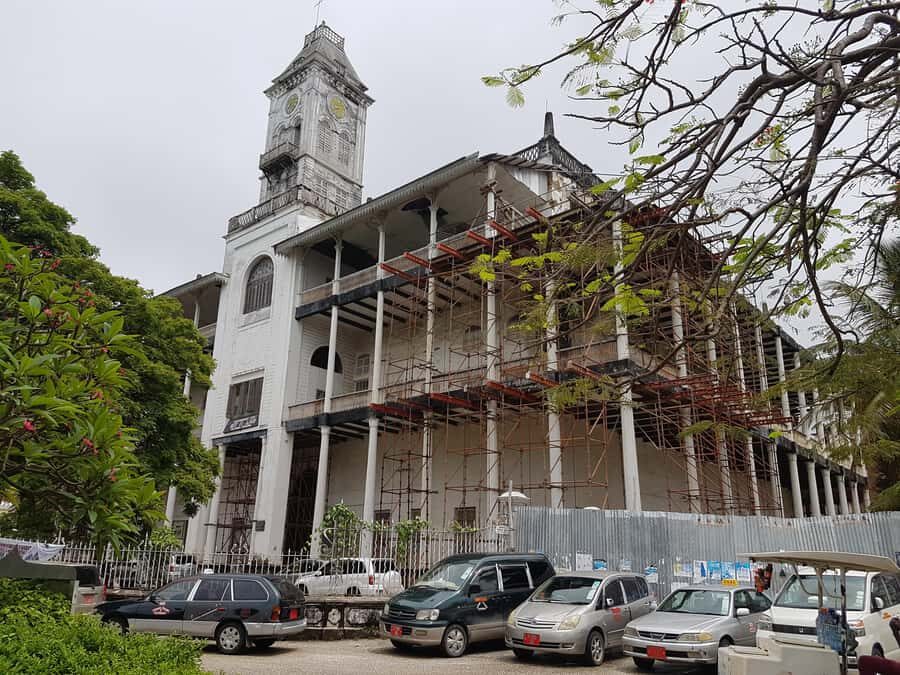
Your first major stop is the historic old railway station, built by the Germans. Even if you know nothing about Tanzania’s rail history, the building itself gives you an immediate sense of place—solid, old, and clearly part of Moshi’s development story.
What I like most about starting here is that it anchors the rest of the day. After you see the architecture and learn how it fits into Moshi’s background, the markets and town streets don’t feel random. They start to read like chapters in the same book.
A good guide makes this come alive. On this tour, you’ll get that kind of “look and explain” approach, and if your guide is Ziggy (as on at least one past run), you’ll probably feel like you’re getting a friend who knows how to point out the details.
Food market stop: spices, snacks, and how people eat
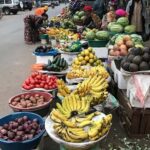
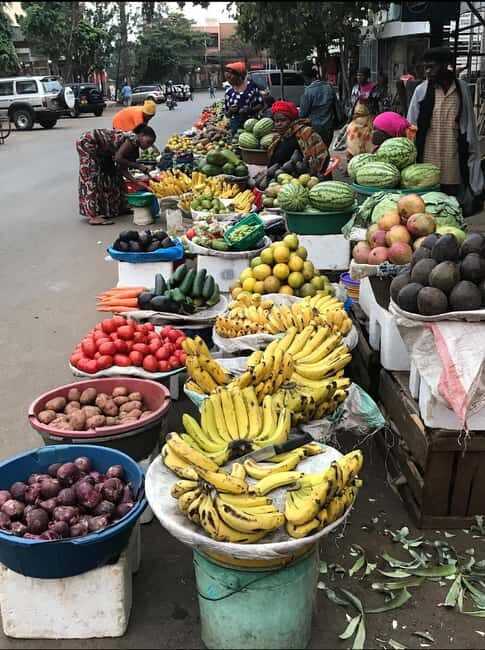
Next up is the food market, where daily life is on display. This is one of those stops where the sensory input is instant: produce, cooked items, and the small practical choices people make when they’re feeding their families.
The best part is how the guide helps you connect what you see with how food is made. You can get a sense of local cooking by noticing the spices being used and how ingredients show up in daily sales. It’s also a solid moment to ask questions, because the market is full of everyday logic—nothing hidden behind menus or tourist language.
If you like trying small things, ask what’s local and where people commonly buy. You’ll get more from the stop if you treat it like a guided tasting mission rather than just a photo stop.
Craft and souvenir market: handmade finds without chaos
After the food scene, the tour shifts gears to the local craft and souvenir market. This is where you can pick up gifts that feel connected to the place—handmade items, locally made souvenirs, and work that supports area artisans.
This stop is also a useful reality check. In tourist-heavy zones, souvenir shopping can turn into a blur. Here, the guide’s presence helps you understand what you’re looking at and what’s worth your time. You also get a better sense of what’s common in Moshi, not just what’s easiest to sell to visitors.
A practical tip: have a little cash ready if you’re planning to buy. The tour cost covers the experience components, but purchases aren’t included. If you’re budget-minded, tell your guide what you want (small gifts, specific crafts, or just browsing) and they can point you toward better options faster.
Coffee experience and included lunch: Tanzania flavors, not just sightseeing
One of the most satisfying parts of the tour is that it includes both an authentic local coffee experience and a local lunch. That combo is good value because you avoid the awkward moment of wondering what to eat between market stops.
Tanzania coffee has a strong identity, and the coffee stop is set up to help you notice it. You’ll smell the aromas, hear about how coffee is part of local life, and get a taste that’s tied to the region instead of a generic café routine.
Lunch then keeps the momentum going. Since the tour doesn’t include hotel or big-restaurant meals, the lunch feels more like you’re eating with the rhythm of the town. It’s exactly the kind of included “rest and recharge” that makes a half-day walk feel doable rather than exhausting.
And yes, coffee fans: this is a good moment to ask questions. A guide can point out how locals think about coffee beyond just flavor.
You can also read our reviews of more city tours in Moshi

Rooftop bar and Kilimanjaro views when the sky cooperates
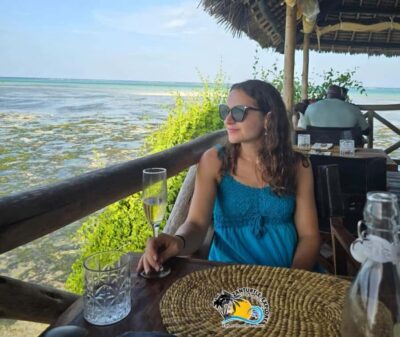
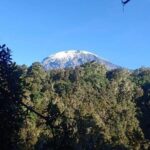
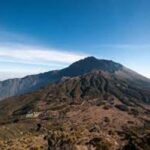
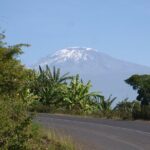
The final major scenery moment is at a rooftop bar in the heart of town. This is where you slow down, sit back, and take in views across Moshi. On clear days, you may get one of the best looks at Mount Kilimanjaro from town.
Even when the mountain is faint, the rooftop stop still works. You’re getting perspective—literally seeing how Moshi sits in its wider setting. It’s a nice counterbalance to the market intensity earlier in the day.
This is also a good place to ask your guide anything you didn’t have time for. If you want help planning your next move—where to eat, where to withdraw money, what areas make sense to explore—the guide is in full “local translator” mode here.
More than stops: ATM tips, local food leads, and questions encouraged
The tour doesn’t only show you points on a map. It also gives you local-useful guidance. Along the walk, you’ll be directed to good spots for ATM withdrawals and to where you can find delicious local food after the tour.
That practical help is worth real money. In a place like Moshi, it’s not always obvious what’s convenient versus what’s time-wasting. Having a guide point you toward reliable options saves you hours of trial and error later.
One of the best tricks I picked up from this tour approach is simple: ask questions. If your guide is Ziggy, you’ll likely get chatty, informative answers about spices, daily routines, and how people make choices in the market. And if someone suggests trying a local ginger shot, take it as a fun add-on—one past guest said it has a real kick.
Price and value: $20 for a guided Moshi orientation
At $20 per person, this tour is a budget-friendly way to get oriented. The price works out best if you take advantage of what’s included: local lunch, a local coffee experience, and an experienced guide who walks you through several meaningful town stops.
What’s not included is also clear, and that’s important for judging value. You won’t have transport provided, and the tour won’t include hotel-style meals or drinks from big restaurants. Souvenir purchases are also on you, and tipping is optional.
So the value question is really this: do you want a guided introduction that also feeds you? If yes, this is a strong deal. If you prefer to keep costs super low and you don’t want any included meals, you might be better off doing a self-guided stroll—though you’ll miss the “what am I looking at and why” explanations.
For me, the standout value isn’t just the sites. It’s the combination of history + markets + coffee + a viewpoint, all in a format that helps you connect Moshi’s streets to your bigger Tanzania plans.
Who this tour suits best (and who should skip it)
This tour is a great match if you want:
- a first-day orientation in Moshi
- a guided walk that keeps you close to markets and local life
- included meals so you’re not managing every snack decision on your own
It may be less ideal if:
- you don’t handle walking well, since transport isn’t included
- you’re hoping for a vehicle-based tour that minimizes street time
If you’re coming to Tanzania for safaris or Kilimanjaro trekking, this is a smart add-on day. It helps you adjust to local rhythm before you move into more intense travel days. It’s also a way to support a local community that may not benefit as much from tourism focused only on safari or trekking routes.
Should you book the Guided City Tour of Moshi?
I’d book this if you want a practical, friendly introduction to Moshi that goes beyond quick photos. The included lunch and coffee experience, the guided stops at the old railway station, and the chance for Kilimanjaro views on clear days make it feel like more than a basic “walk around town.”
Book it with one expectation: you’re spending your time with people, not just buildings. Come ready to ask questions, try a local ginger shot if it’s offered, and take your time in the markets.
If you’re only looking for a cheap photo loop with no interest in stories or food, then it might not be your best use of $20. But if you want Moshi to feel like a place you understand after one morning, this is a solid choice.
FAQ
Where does the tour start in Moshi?
The tour starts with pick-up from your hotel or at the Mama Africa Giftshop.
How much does the Moshi city tour cost?
It costs $20 per person.
What’s included in the tour price?
The tour includes a local lunch, an authentic local coffee experience, a guided city tour of Moshi, and an experienced guide.
What should I bring?
You should bring comfortable shoes for the walking portions of the tour.
What languages is the tour offered in?
The tour is offered in English and Swahili.
Is tipping required?
Tipping is optional, not included in the tour cost.