REVIEW · MOSHI
Kilimanjaro climb, Marangu route (6-day)
Book on Viator →Operated by Altezza Travel · Bookable on Viator
Kilimanjaro gets real fast at night. This 6-day Marangu Route climb from Moshi puts you in a group with Wilderness First Responder–certified guides and a full support crew, and I love that they also manage three daily meals with diet choices. You sleep in huts, trek from rainforest up into real cold, and finish back down near Moshi with certificates and a celebration.
One possible drawback: the timetable is tight, and altitude makes the last part serious—especially the descent, where the plan warns about 90% of accidents happening then. If you’re coming in with only average fitness, you’ll need to lean hard on pacing, rest, and the guidance once you’re already high.
In This Review
- Key things I’d zero in on before you book
- Marangu’s 6-day rhythm: why this route feels “doable”
- Day 1 near Moshi: arrival transfer and the briefing that sets you up
- Day 2: Marangu Gate to Mandara Hut through rainforest conditions
- Day 3: Horombo Hut, views of Kibo and Mawenzi, plus a Kibo-facing acclimatization hike
- Day 4: second acclimatization day near Kibo Hut, with options to rest
- Day 5: Horombo to Kibo Hut (the pre-summit climb)
- Night summit to Uhuru Peak: 5,895 m, plus a serious descent focus
- Day 7 down to Marangu Gate: finishing strong with certificates
- Huts, meals, oxygen, and what “support crew” really means
- Price and value: what $2,902 covers (and what you’ll still need)
- Who should book this Marangu 6-day climb, and who should pause?
- Should you book Altezza for the Marangu 6-day climb?
- FAQ
- How many days is the Kilimanjaro climb on this package?
- Where do you start, and do you get airport transfers?
- Are meals and drinks included during the climb?
- Are Kilimanjaro National Park fees included?
- Do guides have medical qualifications, and is oxygen provided?
- What kind of sleeping arrangements do you get on the mountain?
- What gear do I need to bring?
- Is travel insurance included?
- Is free cancellation available?
Key things I’d zero in on before you book
- Wilderness First Responder–certified guides plus medical check-ups, oxygen tanks, and oximeters on the mountain
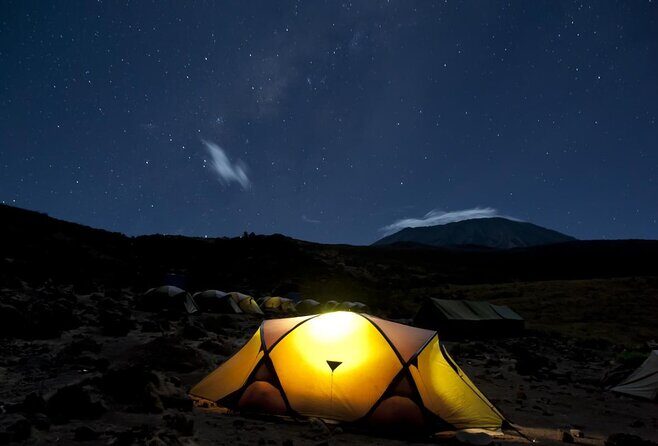
- Marangu hut sleeping (shared huts as the park allows, typically 8–16 people), so you’re not living in a tent
- Porters and a kitchen team carrying the camp setup work so you can focus on your climb
- Kilimanjaro National Park fees included, which removes one big admin headache
- Acclimatization hikes built into the schedule (including small altitude gains and a Kibo-facing day)
- Summit-night monitoring by guide-to-climber pairs, plus a big emphasis on descent safety
Marangu’s 6-day rhythm: why this route feels “doable”
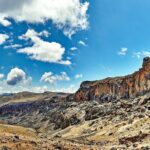
Marangu is one of Kilimanjaro’s most popular routes for a reason: it’s built around hut stays and a clear, step-by-step altitude plan. Over the climb you’ll move through very different zones—starting in the rainforest belt, then rising into colder, drier high-altitude terrain that feels more like an alpine world than anything tropical.
What I like about doing Kilimanjaro on Marangu in six days is the structure. You’re not just slogging upward; you’re given time to adjust. Day 3 and Day 4 include acclimatization hikes, and those small “go up a bit, come back down” moves can make a big difference in how your body handles the next altitude jump.
That said, “doable” doesn’t mean easy. The plan is still realistic about the hard truth: altitude is the main challenge, and the descent is where risks spike. If you take the schedule seriously—slow pace, water, rest—you give yourself the best shot.
A few more Moshi tours and experiences worth a look
Day 1 near Moshi: arrival transfer and the briefing that sets you up
After you land at Kilimanjaro International Airport (JRO), you’ll meet an Altezza Travel representative and transfer to your hotel under the package rate. The included hotel time matters because you need sleep and time to get your bearings before the trek starts.
At the hotel, you’ll get a briefing in the evening with the managers. This is when the crew focuses on readiness—what to expect, how the group will operate, and how you should prepare yourself mentally and logistically for the mountain start the next day.
One practical bonus: the included stay is in a hotel with hot water, internet access, and a swimming pool. That pool isn’t going to help your oxygen levels, but it does help your brain switch out of travel mode and into climb mode.
Day 2: Marangu Gate to Mandara Hut through rainforest conditions
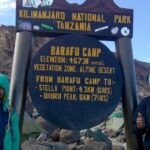
On Day 2 you’ll meet your guide and mountain support crew at the hotel, then transfer by vehicle to Kilimanjaro National Park’s eastern entrance: Marangu Gate (1,860 m). After you handle permits and registration with the search and rescue service, your group starts hiking toward Mandara Hut (2,700 m).
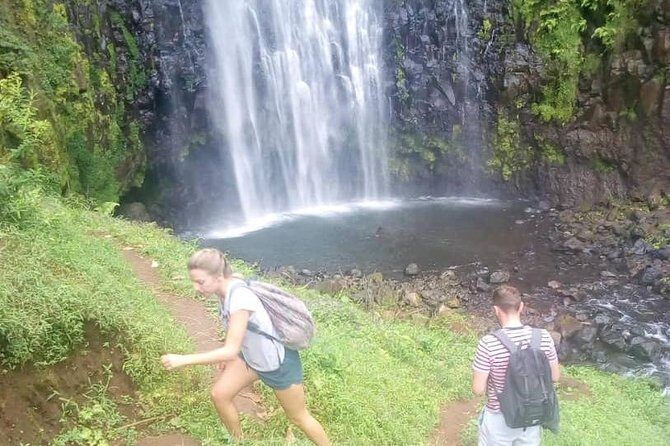
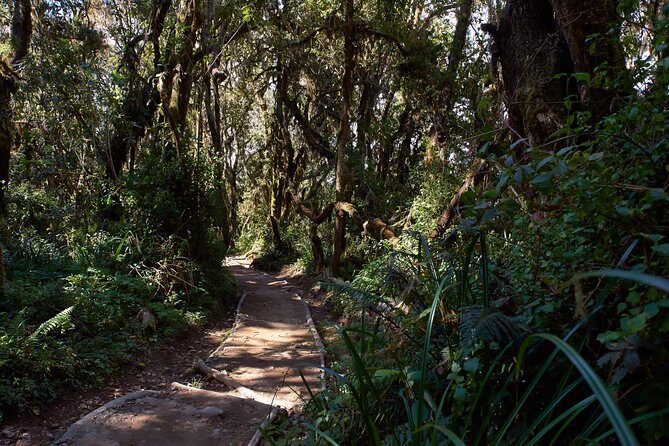
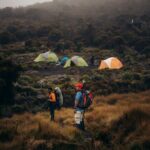
This is the rainforest day. That matters because the weather can be wet and unpredictable. The plan explicitly recommends spare clothes and raincoats. If you only pack one dry set, you’ll feel it later. If your rain gear is minimal, you’ll get cold faster than you expect when the temperature drops at higher elevation.
The trekking time listed is about 7 hours. It’s not described as a technical climb—more a “get your legs and body started” step that introduces the rhythm: walk, pause, drink, repeat.
Day 3: Horombo Hut, views of Kibo and Mawenzi, plus a Kibo-facing acclimatization hike
Day 3 begins early after breakfast. You trek from Mandara Hut to Horombo Hut (3,720 m), and the walking time is about 8 hours.
Two reasons this day sticks in your memory:
- You reach Horombo Hut at a higher altitude, so you can feel the climb progressing for real.
- When you arrive, the views include two major volcanoes at once: Kibo and Mawenzi.
After lunch, you do an acclimatization hike toward Kibo Hut with about a 200-meter altitude gain—then you go back down to Horombo Hut for dinner. That “up a bit, back down” pattern is a common acclimatization strategy because it pushes your body to respond without forcing you to sleep at the next altitude too soon.
This day is a good test of attitude. If you try to brute-force every step, you’ll suffer. If you keep it calm and follow pacing, you’ll likely feel better going into Day 4.
Day 4: second acclimatization day near Kibo Hut, with options to rest
After breakfast on Day 4, you do another acclimatization hike—this one described as Horombo Hut (3,720 m) to the route en route to Kibo Hut (4,500 m), with a hiking distance of 5–8 km and about 3–4 hours.
You also get a built-in choice style to the day. The plan notes you can walk around, take photos of Mawenzi Volcano, or sleep before the next bigger trek toward Kibo Hut.
If you’ve ever noticed how hard it is to sleep well at altitude, you’ll appreciate this kind of schedule. You’re given permission to rest, not just to move.
The Day 4 payoff is both physical and mental. You’re preparing for the final big altitude push while letting your body catch up.
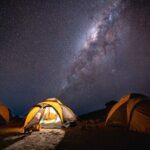
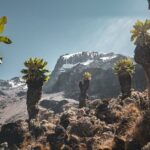
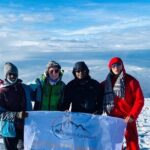
Day 5: Horombo to Kibo Hut (the pre-summit climb)
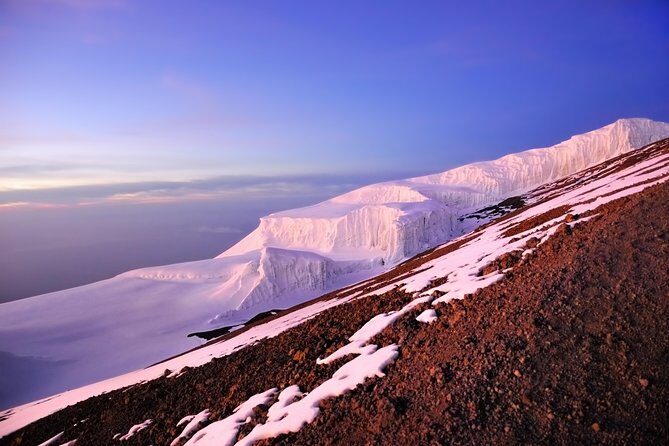
Day 5 is your trek to Kibo Hut (4,700 m) from Horombo Hut (3,720 m). The plan describes the trekking as not very difficult physically, but still long enough that your pace matters—especially because altitude is the real limiter.
The hike is listed at about 10 km, with hiking time anywhere from 4 to 8 hours. That wide range basically says it depends on how your body handles the air. Keep your pace appropriate and don’t treat it like a fitness test.
Once you reach Kibo Hut, you’ll have lunch, and then the plan recommends a simple strategy:
- sleep as much as you can
- avoid strenuous activity
- drink lots of water
This is the “set up the summit night” day. If you use it well, you’ll feel more human when the cold and altitude hit in the middle of the night.
Night summit to Uhuru Peak: 5,895 m, plus a serious descent focus
The summit day starts at night. You leave Kibo Hut (4,700 m) and trek to Uhuru Peak (5,895 m). The plan calls the trek moderate physically, but it emphasizes altitude as the serious problem.
The support detail here is important: your guide will accompany you in pairs, monitoring stamina and mental resolve. That means you’re not wandering with strangers through darkness. You’re being watched for how you’re coping, not just how fast you’re going.
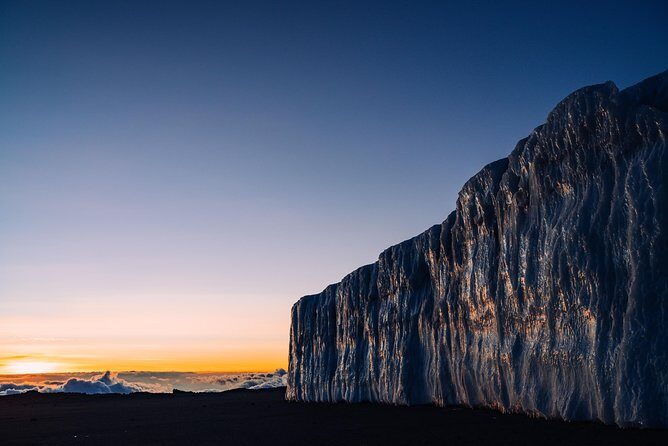
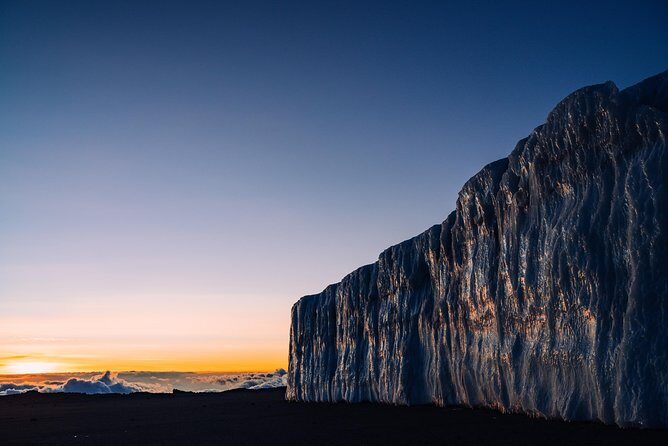
After you reach Uhuru Peak, the plan says you can descend toward the nearest glacier if desired. Then you return to Kibo Camp, rest for about two hours, and continue your descent back down to Horombo Hut (3,720 m).
This is also where the schedule proves why it works only if you’re disciplined. The itinerary explicitly notes that about 90% of accidents happen during the descent. That’s not there to scare you; it’s there to make you pay attention to footing, pacing, and fatigue management when you’re tired and your brain wants to hurry.
If you want the most practical advice: on summit night, act like you’re going slow on purpose. On the descent, treat every step like it’s the only one that matters.
Day 7 down to Marangu Gate: finishing strong with certificates
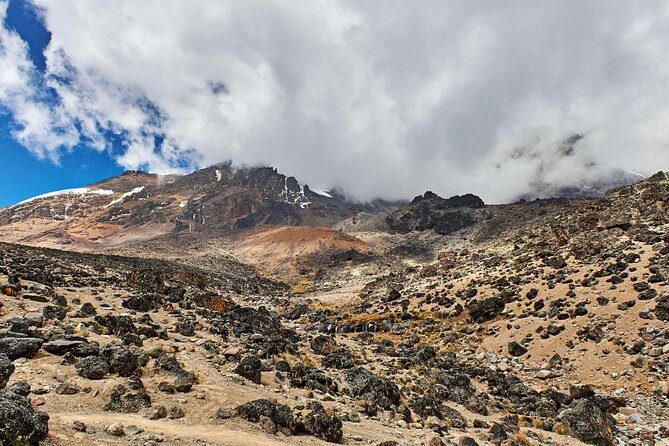
Day 7 is the exit day. You’ll have a warm breakfast, then head from Horombo Hut (3,720 m) down to Marangu Gate (1,860 m). The distance is listed at about 18 km, with around 5–6 hours of walking.
After you descend, the whole group gathers for congratulations. There’s also time to share your opinions in a guestbook and then you receive commemorative certificates from the office. After that, you’ll transfer back to the hotel.
This is a good day to practice what the mountain already taught you: steady effort beats rushing. Your legs will feel it, but it’s the last push.
Huts, meals, oxygen, and what “support crew” really means
The Marangu experience in this package is very much about support. You’ll sleep in huts provided by the park rules, in shared space typically for 8–16 people. That means you’re not alone in the sleeping space, and it also means you’ll hear life around you—snoring, shuffling, coughs. Bring earplugs if you’re sensitive, because it’s altitude sleep, not a hotel bed.
On the logistics side, the crew includes porters and cooks. Group equipment is included—sleeping mats, chairs, and meal items like crockery and cutlery. So you’re not hauling everything yourself, and you’re less likely to arrive underpacked.
Food is handled three times a day while you’re on the mountain. The plan also includes drinks on Kilimanjaro (tea, coffee, juices, soda). Diet requirements are supported with options including vegetarian, vegan, lactose-free, gluten-free, halal, and other meal plans.
This is one of the highest value parts for many people, because eating at altitude isn’t just about taste. It’s fuel. When meal planning is taken care of, you don’t have to scramble mid-climb.
Medical care shows up too: medical kits, medical check-ups, oxygen tanks, and oximeters are included. It doesn’t remove altitude risk—but it means the response toolbox is there when you need it.
In the feedback I read, guides and chefs get named often for support and practical touches. I saw names like Rashid and Charles (guides), Justin and Joseph (guides), and Richard Chande (guide), plus chef Victor being praised for vegetarian-friendly meals. Guide assignments will depend on your group, but the consistent theme is that staff pay attention.
Price and value: what $2,902 covers (and what you’ll still need)
At $2,902 per person, this is not a budget climb. But it’s also not a bare-bones “good luck out there” situation. The value is in what’s bundled:
Included highlights you feel on the mountain:
- JRO pick-up and drop-off and all ground transportation
- two nights in the included hotel (Aishi Machame Hotel)
- Kilimanjaro National Park fees handled
- hut accommodation as allowed by park rules
- group equipment and daily meals with drink options
- certified Wilderness First Responder guides, plus medical check-ups
- oxygen tanks and oximeters, plus medical kits
Not included items to plan for:
- airfare to Tanzania
- visa fee (obtained at JRO; USD 50 for most nationals, USD 100 for US passport holders)
- personal climbing gear and boots and sleeping bag (you can hire some gear)
- lunch and dinner in the hotel (breakfast is included)
- tips for the crew (optional)
- insurance (highly recommended for mountain trekking activities)
My take: if you want a climb where permits, meals, hut setup, medical gear, and guide credentials are already handled, the price makes sense. If you’re planning to DIY half the puzzle—bringing your own gear, arranging permits, and managing food—you’ll spend your time doing tasks instead of acclimatizing.
Also keep this in mind: the climb is 6 days, but the overall experience is about 8 days with hotel time before and after. You’re paying for the full on-the-ground support loop.
Who should book this Marangu 6-day climb, and who should pause?
This tour fits best if you:
- want a group-based climb with certified medical response training
- prefer hut sleeping over tent camping
- need dietary flexibility (vegetarian, vegan, gluten-free, halal, and more)
- want professionals doing the hard logistics work—porters, cooks, group gear, permits
You might pause and consider other options if:
- you know you struggle with altitude quickly and you can’t realistically slow your pace
- you want a longer acclimatization schedule than this route’s built-in plan
- you’re not ready to take the descent seriously (the plan is clear that risk concentrates there)
Should you book Altezza for the Marangu 6-day climb?
If you want Kilimanjaro with structure, support, and hut comfort, I think this is a strong match. The biggest “yes” signals are the included medical equipment (oxygen tanks and oximeters), the Wilderness First Responder–certified guides, and the fact that meals and dietary needs are actively handled.
If you book, do three practical things before you go:
- pack rain gear and spare dry layers for the rainforest day
- practice slow pacing and expect the last days to be altitude-heavy
- line up your personal gear early, since personal items aren’t included (though hiring options exist)
FAQ
How many days is the Kilimanjaro climb on this package?
The climb is a 6-day Marangu Route experience, and the overall package runs about 8 days including hotel time before and after the trek.
Where do you start, and do you get airport transfers?
You start with a hotel transfer after arriving at Kilimanjaro International Airport (JRO). JRO pick-up and drop-off are included, along with ground transportation.
Are meals and drinks included during the climb?
Yes. You get three meals a day while on Kilimanjaro, with drink options like tea, coffee, juices, and soda. Vegetarian, vegan, lactose-free, gluten-free, halal, and other meal plans are available.
Are Kilimanjaro National Park fees included?
Yes. Fees collected by Kilimanjaro National Park are included.
Do guides have medical qualifications, and is oxygen provided?
Guides are certified Wilderness First Responders, and the package includes medical check-ups, oxygen tanks, oximeters, and medical kits.
What kind of sleeping arrangements do you get on the mountain?
You sleep in huts on Kilimanjaro. These are shared as permitted by park rules, typically with 8–16 people per hut.
What gear do I need to bring?
Personal hiking equipment is not included, including your hiking outfit, boots, and sleeping bag. Group equipment is provided, and some personal gear may be available for hire.
Is travel insurance included?
No. Insurance is not included, but it is highly recommended and should cover mountain trekking activities.
Is free cancellation available?
Yes. Free cancellation is offered, with a full refund if you cancel at least 24 hours before the experience start time.