REVIEW · MOSHI
6 Days Machame Route Kilimanjaro Climbing
Book on Viator →Operated by African Trek & Travel l.t.d (moshi) · Bookable on Viator
Altitude tests your will, and the team helps. This 6 Days Machame Route Kilimanjaro Climbing trip out of Moshi is appealing because it’s built around solid guidance from Sebastian, not guesswork, and because you get a small-group feel (max 10) with a clear focus on getting you up safely. I also like the practical pre-trek support, including help on what gear to bring and what to leave at home.
One thing to consider: this is a serious climb, not a cushy vacation. You’ll do a midnight start for the summit push, and the road part of the trip is comfortable but there’s no restroom onboard, so plan accordingly.
In This Review
- Key highlights worth caring about
- Why Machame works when you want real Kilimanjaro variety
- Moshi pickup, mobile tickets, and the road comfort you’ll actually notice
- The 6-day Machame Route schedule, step by step
- Day 1: Machame Gate to Machame Camp (rainforest start)
- Day 2: Shira Cave Camp via the steeper moorland zone
- Day 3: Lava Tower area to Barranco Camp (high desert + a descent that bites)
- Day 4: Barranco Wall to Barafu Camp (South Circuit views)
- Day 5: Midnight ascent to Uhuru Peak via Stella Point (the main event)
- Day 6: Mweka Gate descent (certificate day)
- What’s really included: meals, water, and park fees
- Summit night is a system, not a vibe
- Comfort on the move vs. comfort on the mountain
- Price and value: what $2,600 really covers
- Who should choose this Machame climb (and who might not)
- Should you book? My practical decision checklist
- FAQ
- FAQ
- Where does this Kilimanjaro climb start?
- How long is the Machame Route trek?
- What’s the highest point on this route?
- What time do you start the summit ascent?
- How many travelers are in the group?
- Are park fees and taxes included?
- What meals and water are included?
- Is pickup included?
- Is there Wi-Fi during transport?
- What’s not included in the price?
Key highlights worth caring about
- Sebastian’s leadership: strong planning, gear guidance, and a steady, safety-first mindset on the mountain.
- Small group size (max 10): easier pacing, less chaos, more attention when altitude gets cranky.
- Machame route variety: rainforest, moorland, high desert, then the big summit day.
- Summit timing up to Uhuru Peak: early climb to reach Uhuru Peak around sunrise, with Stella Point views along the way.
- Included logistics that reduce stress: park fees/taxes, meals, and water mean you can focus on walking and recovering.
Why Machame works when you want real Kilimanjaro variety
The Machame Route earns its reputation because it doesn’t feel one-note. You start in lush forest, transition into higher moorland, then move into drier, harsher terrain. That change matters because it keeps the trek interesting while still building altitude gradually—exactly what you want on a mountain like Kilimanjaro.
This route also sets you up well for the emotional payoff. On later days you’ll look toward the summit from multiple angles, which makes the climb feel less like one long waiting game and more like a series of hard-but-clear steps toward the finish.
The other big plus is how the trip is run. The best feedback I saw wasn’t about flashy promises—it was about competence and comfort working together: professional guides, a supportive crew, and an emphasis on staying safe while pushing for the summit.
A few more Moshi tours and experiences worth a look
Moshi pickup, mobile tickets, and the road comfort you’ll actually notice
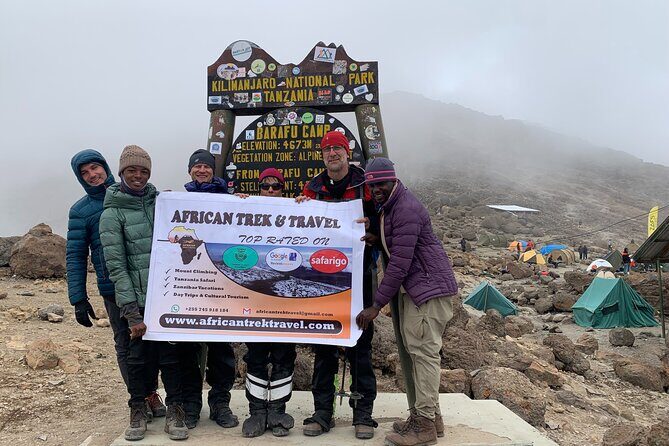
Your meeting point is in Moshi (89C+XGR, Tanzania). Pickup is offered, and you’ll be using a vehicle setup designed for the long travel portions around the trek.
On the road, you get:
- Spacious seating for stretching out during transfer time
- Panoramic windows for better views as you move through the area
- Climate control so you’re not baking or freezing in transit
- Audio systems to listen to commentary or music
- Onboard Wi‑Fi (complimentary)
Not every trek operator thinks about these basics, but they help when you’re about to spend days hiking at altitude. When you’re tired, comfort on the drive is not a luxury—it’s part of recovery.
Quick note: there’s no restroom onboard, so if your body is sensitive to timing, plan for stops rather than expecting bathroom access during the drive.
The 6-day Machame Route schedule, step by step
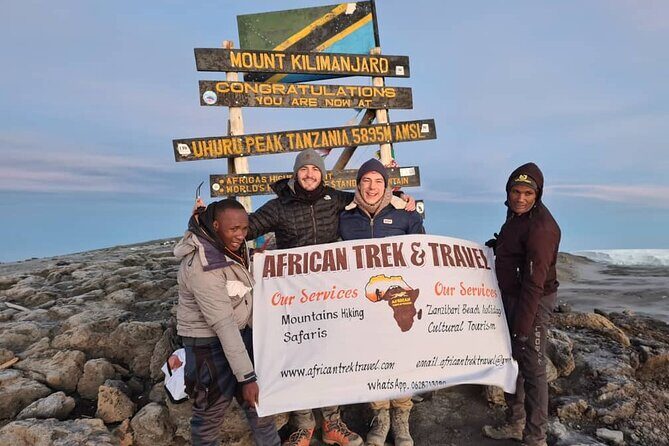
Here’s what to expect across the days, including the altitude changes that shape how you feel.
Day 1: Machame Gate to Machame Camp (rainforest start)
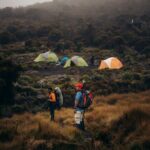
You begin at Machame Gate after registering with park authorities. From there you hike through lush rainforest, and Day 1 is described as relatively gentle for elevation gain.
Why it matters: this is your first chance to find your rhythm—breathing, pace, and how your legs react to the pack. You’ll reach Machame Camp for your first overnight stay, with about 5 hours of walking time.
Day 2: Shira Cave Camp via the steeper moorland zone
Day 2 ramps up with a steeper ascent through the moorland zone, where the scenery shifts as elevation increases. The trekking time listed is shorter here (about 3 hours), but don’t let the hours fool you—altitude makes even brief hikes feel longer.
You end at Shira Camp on the Shira Plateau.
Day 3: Lava Tower area to Barranco Camp (high desert + a descent that bites)
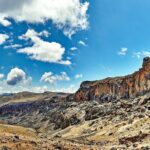
This is one of those days with big scenery and memorable waypoints. You’ll trek across the high desert plateau and pass Lava Tower (4,600 m). After the higher exposure, you descend to Barranco Camp, which sits in a scenic valley beneath Barranco Wall.
Walking time is around 5 hours. The descent is often where people feel it later, especially if your knees aren’t used to stepping down for long stretches.
Day 4: Barranco Wall to Barafu Camp (South Circuit views)
After breakfast you leave Barranco and continue up a steep ridge along Barranco Wall (elev 4,250 m / 13,900 ft). Then you move through Karanga Valley (elev 4,050 m / 13,250 ft) toward the junction that connects with the Mweka Trail.
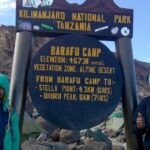
You then continue up to Barafu Camp. This is the day where you’ve effectively completed the South Circuit, and you’ll get summit views from different angles while you camp with the summit visible in the distance. Plan for about 6 hours of walking.
Why this day is special: it’s the bridge between “climb mode” and “summit is near” energy. Your motivation may spike, but your body still has to do the work.
Day 5: Midnight ascent to Uhuru Peak via Stella Point (the main event)
Day 5 is the day most people talk about afterward, and it starts early. You wake at midnight for a light breakfast and then prepare for the summit climb before dawn.
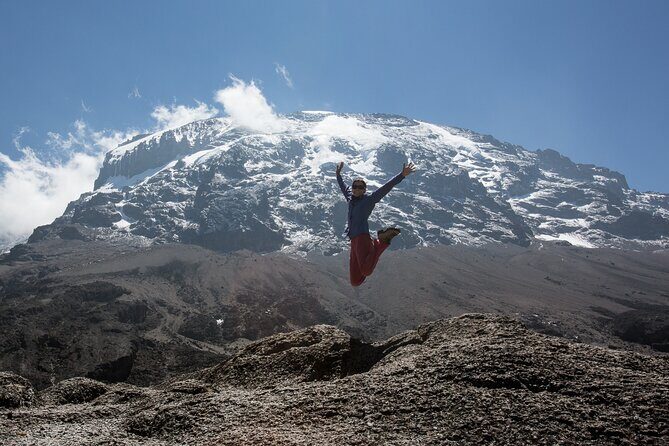
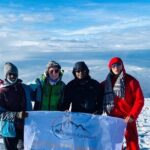
The route is described as steep switchbacks up steep scree (and possibly snow), reaching Stella Point on the crater rim at about 5:00–4:00 to 5:00 AM, at 5,861 m / 18,640 ft. This is your big view moment: you’ll see the crater and its glaciers facing you.
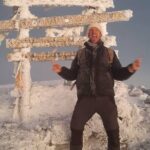
From Stella Point, you hike along the Kibo crater rim near the snows for about 1 hour, then reach Kilimanjaro true summit: Uhuru Peak. Time for photos depends on how you feel.
After summit activities, you’ll continue down to camp (the trek is listed as about 6 hours for the day).
Day 6: Mweka Gate descent (certificate day)
In the morning after breakfast, you trek down to Mweka Gate at 1,640 m. The descent is described as pleasant and goes through lower rain-forested slopes. You cover about 9 km / 5.5 miles, but the listed time is 3–4 hours.
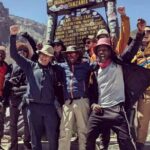
If you reached Stella Point or Uhuru Peak, you’ll be presented with official certificates: a green certificate for the former and a gold certificate for the latter. Afterward, it’s customary to tip your trekking crew before returning to your hotel in Moshi.
What’s really included: meals, water, and park fees
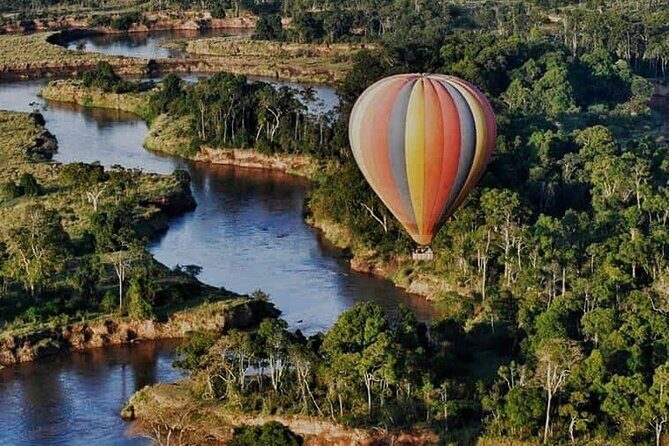
This trip reduces a lot of “where do we get that?” stress. You have all fees and taxes covered, and the day-to-day food and water are included.
Included items you can plan around:
- Bottled water: 3 liters per person
- Meals: breakfast (5), lunch (6), dinner (5)
- Dinner and lunch are provided on the trekking days as listed
- Park fees and taxes
A practical way to think about this: when altitude is involved, you don’t just need calories—you need predictable recovery. Included meals let you keep your schedule steady, which usually helps more than people expect.
One thing not included: alcohol (and it’s not provided for those under 18). Also note there’s no onboard restroom, already mentioned for travel comfort.
Summit night is a system, not a vibe
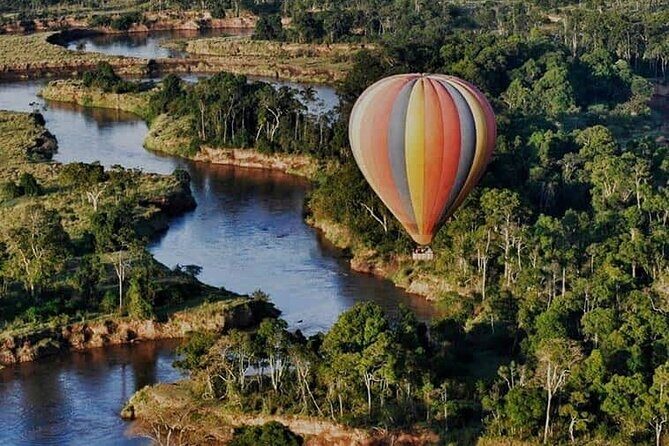
The summit push is often described as heroic, but on Kilimanjaro it’s more like disciplined teamwork. Your day starts with a midnight wake-up and light breakfast, then you move in the dark up switchbacks toward Stella Point.
The timing in the plan is important:
- You aim to be at Stella Point around 4–5 AM.
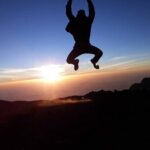
- Then you continue for around 1 hour along the crater rim to reach Uhuru Peak near sunrise.
This timing reduces the odds of getting stuck in the cold too long without the payoff of sunrise views. It also means you’ll be moving with purpose, which helps when your head wants to bargain with gravity.
If you’re the kind of person who gets anxious about schedules, this is a comfort: the day has a structure, and the guide leadership is clearly part of how the group stays calm and focused.
Comfort on the move vs. comfort on the mountain
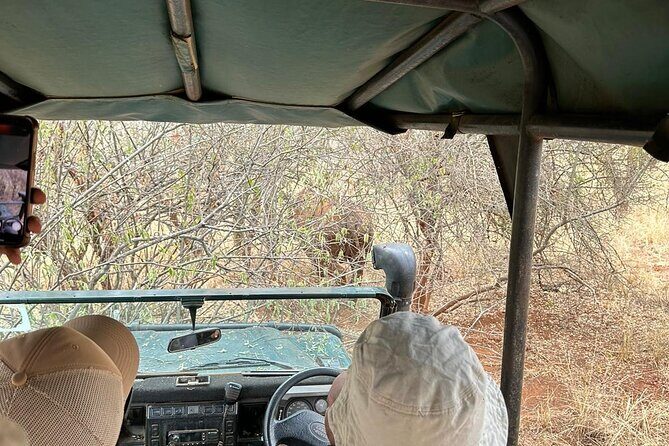
You’ll notice two different kinds of comfort here.
On the road, you get the vehicle setup: spacious seats, panoramic windows, climate control, audio system, and onboard Wi‑Fi. That keeps the pre-trek and in-between travel from feeling exhausting.
On the mountain, don’t expect luxury. The vibe is more serious and safety-focused, which is exactly what you want at altitude. The strongest feedback I saw pointed to professional coordination and resilience on the part of the guide team and crew, with a clear goal of getting everyone safely to the summit when conditions allow.
In other words: you trade fancy comforts for practical support, and you end up feeling taken care of rather than pampered.
Price and value: what $2,600 really covers
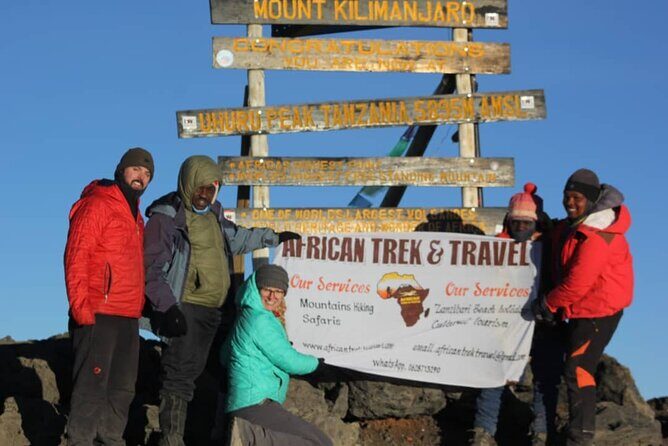
The price is listed at $2,600.00 per group (up to 1). That phrasing suggests the cost may depend on how many people are in your booked group, so I’d confirm how the group size affects your per-person rate when you inquire.
What helps the value is what’s included:
- Park fees and taxes
- Meals across multiple trekking days
- Bottled water (3 liters per person)
- A guided route with the core climbing logistics covered
What costs extra (so you can budget):
- Tipping the team (customary)
- Alcoholic beverages
- Anything personal you bring for comfort or health
If you’re comparing options, don’t just compare the headline price. Compare what’s included for safety and recovery. On Kilimanjaro, under-budgeting is the easiest way to feel stressed at the exact wrong time.
Who should choose this Machame climb (and who might not)
This fits you if you:
- Want the Machame Route’s variety (forest to moorland to high desert)
- Prefer a competent, safety-focused guide and small-group feel
- Have moderate physical fitness and understand that altitude will do part of the work for you
You might think twice if:
- You expect a very casual, comfort-first trek
- You don’t handle early mornings well (because midnight starts are part of the plan)
- You need restroom access during vehicle transfers (there’s no restroom onboard)
Also, it’s worth noting the trip can handle a small group (max 10), and service animals are allowed. It’s close to public transportation in Moshi, which can help if you arrive early and need to get around.
Should you book? My practical decision checklist
If your goal is a structured Machame climb with guided summit planning and included meals/fees, this is a solid choice. The standout theme is safety and organization, with Sebastian specifically highlighted for good planning, resilience, and professional guidance.
Before you book, do three quick checks:
- Confirm your group size for how the $2,600 pricing applies to you.
- Ask about your gear list and whether they’ll review it with you ahead of time (the support here is part of what people praise).
- Be honest with yourself about the summit schedule and the physical reality of the descent on Day 6.
One more helpful point: there’s free cancellation up to 24 hours before the experience start time, so you’re not locked in forever.
FAQ
FAQ
Where does this Kilimanjaro climb start?
The tour starts in Moshi, Tanzania at the meeting point listed as MOSHI TANZANIAM 89C+XGR, Tanzania.
How long is the Machame Route trek?
The duration is listed as 6 days (approx.).
What’s the highest point on this route?
The summit target is Uhuru Peak. The plan also calls out Stella Point on the crater rim at about 5,861 m.
What time do you start the summit ascent?
You wake at midnight for a light breakfast and then start the summit ascent before dawn.
How many travelers are in the group?
The experience has a maximum of 10 travelers.
Are park fees and taxes included?
Yes. All fees and taxes are included.
What meals and water are included?
Included meals are listed as breakfast (5), lunch (6), dinner (5). Bottled water of 3 liters per person is also included.
Is pickup included?
Pickup is offered.
Is there Wi-Fi during transport?
Yes. There is complimentary onboard Wi‑Fi.
What’s not included in the price?
The tour does not include tipping the team and alcoholic beverages. Also, it notes no restroom onboard.