REVIEW · MOSHI
The Best & Unique Kilimanjaro Hiking tour 7 days Machame route
Book on Viator →Operated by AFRICA NATURAL SAFARIS · Bookable on Viator
Summiting Kilimanjaro starts with a gentler uphill. This 7-day Machame Route from Moshi turns the big pre-dawn summit grind into a more paced climb, with clear staging before the hardest night.
I especially like that breakfast, lunches, and dinners are included, so you’re not hauling food for days. I also appreciate the private transportation approach, which helps you avoid the kind of crowd shuffle that can drain energy.
One consideration: the summit push starts extremely early, so you should expect very little sleep before the toughest hours.
In This Review
- Key Things I’d Pack This Tour For
- Machame, But With Better Timing Before Uhuru Peak
- Your Trek Day-By-Day: Rainforest to Arctic on Purpose
- Day 1: Machame Gate to Machame Camp (Rainforest)
- Day 2: Machame Camp to Shira 2 Camp (Heath)
- Day 3: Shira 2 Camp to Lava Tower and Down to Barranco
- Day 4: Barranco Camp to Karanga Camp (Alpine Desert)
- Day 5: Karanga Camp to Barafu Camp (Alpine Desert)
- Day 6: Barafu to Uhuru Peak and Down to Mweka Camp (Arctic to Rainforest)
- Day 7: Mweka Camp to Mweka Gate (Rainforest)
- Your Guide and Team: English Support and Pace Control
- Meals and Camping Gear: What Actually Makes This Feel Manageable
- Price and What You Still Need to Budget For
- Moshi Logistics: Pickup, Meeting Point, and Private Transfer Flow
- How Hard Is It, Really? A Practical Fitness Read
- Should You Book the 7-Day Machame Route With This Operator?
- FAQ
- How long is the Mount Kilimanjaro Machame route trek?
- Where does the trek start and end?
- Is food included during the hike?
- What camping gear is included?
- Do I need to carry my own food?
- What transportation is included?
- What costs are not included in the tour price?
- Is there a group size limit?
- Can I get a refund if I cancel?
Key Things I’d Pack This Tour For
- Meals included means your pack stays lighter and your calories stay on schedule
- Private transport helps keep the day-to-day flow calmer
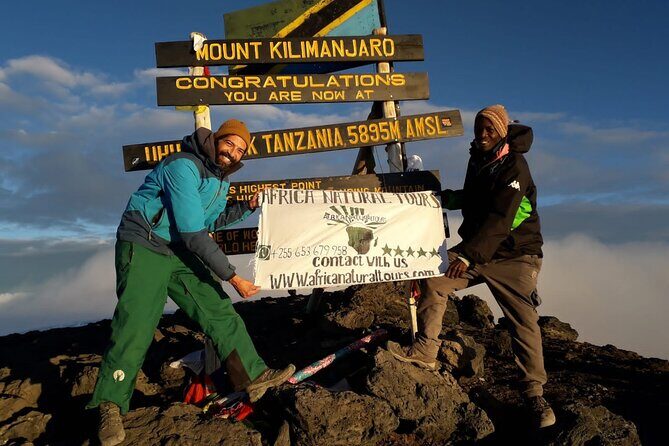
- Seven days on the Machame give you time to rest, acclimatize, and take photos without racing
- A guide team that adjusts pace has helped many hikers keep going steadily
- Camping setup included (tent and mattress) cuts down what you need to bring
- Habitat changes each day make the scenery feel like multiple trips in one week
Machame, But With Better Timing Before Uhuru Peak
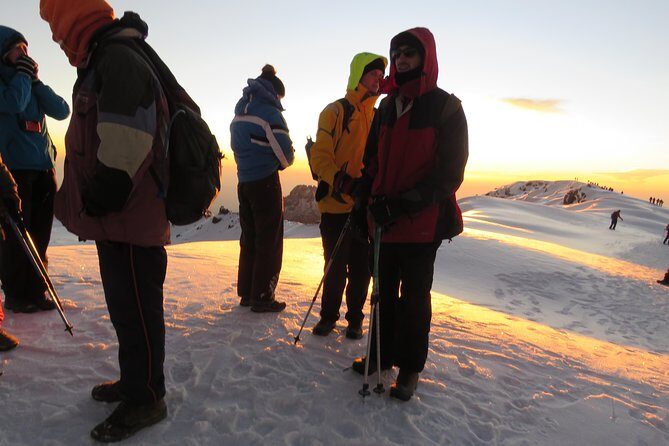
The Machame Route is famous because it feels earned. You gain altitude through different terrain types, your legs keep working, and you gradually build toward the night that leads to the top.
What I like about this specific 7-day format is the idea behind the staging: instead of doing one long grind and saving the hardest part for a single, stretched period, the trek breaks things into smaller, more manageable blocks. That matters because the summit day is not just long, it’s demanding when your body is already running on thin margins from altitude.
You’ll also notice how the plan deliberately mixes work and recovery. Some days are shorter in distance, but the real goal is how you feel at the end of the day. The schedule leaves room for stops, photos, and breathing, which is what you want before you’re counting steps in the dark.
You can also read our reviews of more hiking tours in Moshi
Your Trek Day-By-Day: Rainforest to Arctic on Purpose
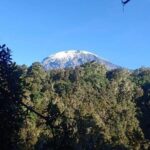
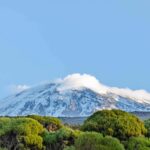
This route is built like a progression. Each camp day teaches your body something new about altitude, and each terrain shift gives you a different kind of view.
Day 1: Machame Gate to Machame Camp (Rainforest)
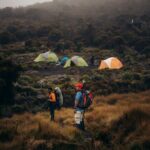
You start at Machame Gate and climb from about 5,380 ft to 9,350 ft over roughly 11 km. Plan on about 5–7 hours, moving through rainforest where the air can feel warm and the footing can be slick.
The win here is that your first day is steep enough to get your heart pumping, but not so long that you arrive wrecked. If you keep your pace steady, this day sets you up to sleep better than you would on a more aggressive start.
Day 2: Machame Camp to Shira 2 Camp (Heath)
Day 2 takes you from around 9,350 ft up to 12,500 ft over about 5 km. You’ll typically walk 4–6 hours in heath terrain.
This is a classic acclimatization day: shorter distance, higher altitude. You’re training your lungs for later discomfort while giving your legs some breathing space. If you go out too fast here, you’ll feel it sooner than you want.
Day 3: Shira 2 Camp to Lava Tower and Down to Barranco
Day 3 is a two-part day. First you climb from about 12,500 ft to 15,190 ft to Lava Tower over 7 km in about 4–5 hours, then you descend to Barranco Camp from roughly 15,190 ft down to 13,044 ft over 3 km in 2–3 hours. Terrain is listed as alpine desert.
This is one of the most interesting days on paper because it combines effort with a controlled drop. Reaching Lava Tower is the kind of high point that makes the rest of the trek feel real, then descending toward Barranco helps you recover before the next climbing phase.
A few more Moshi tours and experiences worth a look
Day 4: Barranco Camp to Karanga Camp (Alpine Desert)
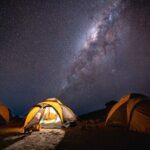
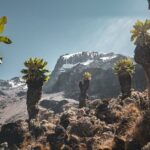
You move from about 13,044 ft to 13,106 ft over 5 km for roughly 4–5 hours, staying in alpine desert.
That near-flat elevation change can fool people. Even when altitude gain looks small, the air is thinner and the ground can be tough to walk on for hours. Use this day to practice your rhythm: short, consistent steps and calm breathing.
Day 5: Karanga Camp to Barafu Camp (Alpine Desert)
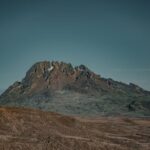
Today goes from about 13,106 ft to 15,331 ft over around 4 km in 4–5 hours. Again, you’re in alpine desert.
This is the day when you start thinking about the summit logistics even while you’re still far from it. Your goal is to arrive at Barafu Camp feeling uncomfortable, but not destroyed. If you arrive in pain, the summit night becomes harder than it needs to be.
Day 6: Barafu to Uhuru Peak and Down to Mweka Camp (Arctic to Rainforest)
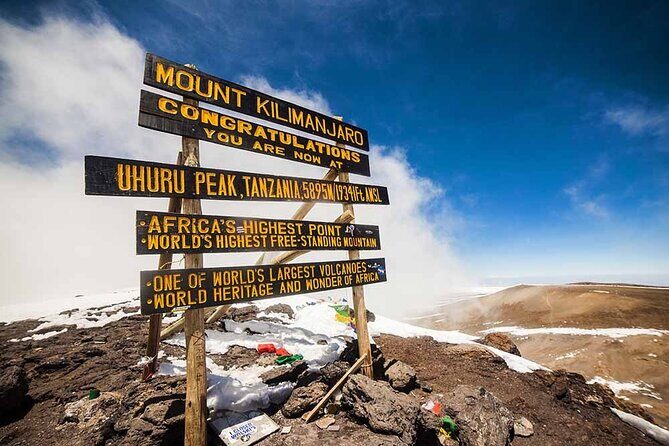
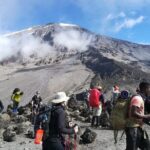
This is the main event. You climb from roughly 15,331 ft to 19,341 ft to Uhuru Peak over about 5 km, with an estimated 7–8 hours. Terrain is listed as arctic.
Then comes the second half: Uhuru Peak to Mweka Camp, dropping from about 19,341 ft down to 10,065 ft over 12 km in about 4–6 hours, with rainforest habitat again.
Summit day is the one where everything matters: your sleep, your fueling, your pace strategy, and your mental steadiness. Even if your body feels okay earlier in the day, the last section can be slow. The descent after reaching Uhuru is long, but it’s also a relief because you’re going back toward thicker air.
Day 7: Mweka Camp to Mweka Gate (Rainforest)
You finish by descending from about 10,065 ft to 5,380 ft over 10 km in about 3–4 hours through rainforest.
This final day is where you appreciate how the route is designed. You’re not just stopping after the summit; you’re walking yourself back to normal. Take it easy, keep your knees in mind, and treat this as your recovery walk.
Your Guide and Team: English Support and Pace Control
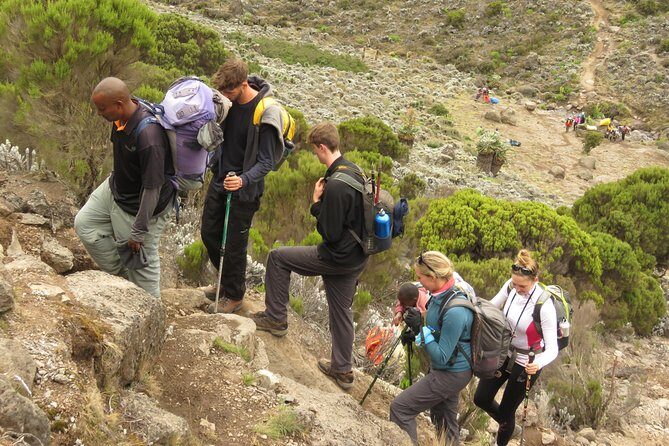
A Kilimanjaro trek lives or dies on the human factor: how you’re guided, how safely you’re handled, and how well your crew reads your condition.
This tour includes a professional English-speaking guide, and that language support matters. You’ll want to be able to ask simple questions like how fast to go, when to take breaks, and how to handle symptoms from altitude without guessing.
The other detail I really value is flexibility. In the past, guides such as Maneno and Hassan have been described as adjusting to hikers’ pace, helping people keep moving without burning out too early. You don’t need constant encouragement, but you do need a crew that can manage effort day after day.
Safety isn’t just “don’t fall.” It’s also pacing. The best trekking strategy on Kilimanjaro is usually slow enough that you can keep going, and controlled enough that you sleep and eat.
Meals and Camping Gear: What Actually Makes This Feel Manageable
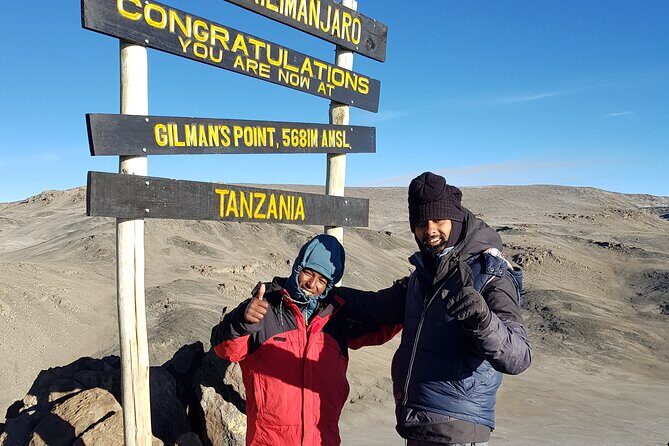
One of the strongest points here is that you don’t need to carry your own food. Breakfast, lunches, and dinners are included during the trekking. That’s a big deal because it cuts weight and lets you plan energy properly.
On summit night, the ability to fuel on schedule matters more than most hikers expect. The plan also reduces guesswork. You’re not trying to time meals while also managing altitude stress.
Camping gear is also included: tents and mattresses. That takes the edge off the “survival trek” version of Kilimanjaro. You’ll still feel altitude and cold, but you’re sleeping with setup that’s meant for long nights, not cramped improvisation.
Price and What You Still Need to Budget For
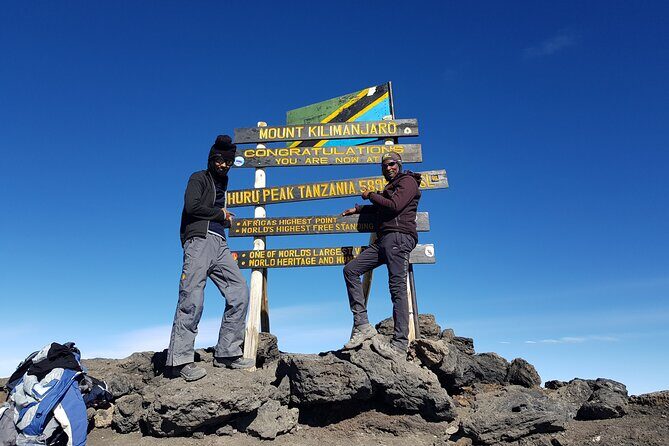
The listed price is $1,200 per person. For a week on the mountain, that’s not just for walking. In this package you’re getting meals during the trek, professional guiding, camping equipment (tent and mattress), and pickup from Moshi town to Machame Gate plus drop-off back to your hotel after the trek.
So where can the budget surprise you? Park fees are not included. The same goes for rescue fee and camping fee, plus tips for the mountain crew. You’ll also need to handle hotel accommodations before and after the trek in town, and there’s no airport pickup/drop-off included.
My advice: treat $1,200 as your base cost for the expedition structure, then plan extra for park-related fees, gratuities, and any airport-to-Moshi timing needs. If you do that math early, you avoid the last-week scramble that makes trips feel expensive.
Moshi Logistics: Pickup, Meeting Point, and Private Transfer Flow
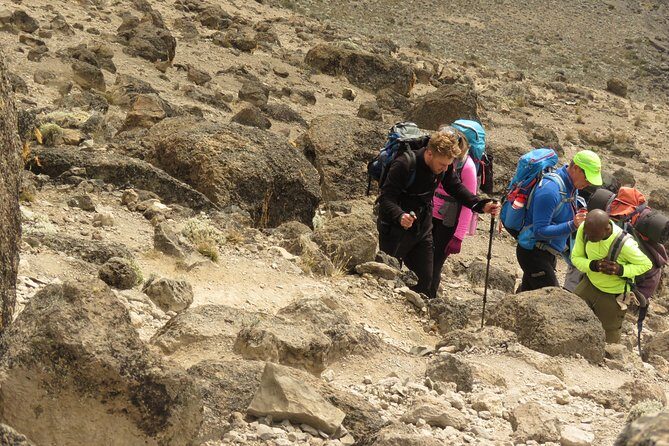
This trek starts in Moshi, Tanzania. Pickup is offered from the hotel you booked in Moshi town to Machame Gate, and you’ll be dropped back at the hotel you booked after the trek.
There’s also a provided meeting point: AFRICA NATURAL TOURS L.T.D, DMkwawa Avenue, Tanzania. In real life, this usually matters for people who don’t have a hotel organized or who are doing their own transport plan.
The tour includes mobile ticket delivery, which can be handy if your plans shift slightly.
Finally, group size is capped at 50 travelers. That’s not “small and private” in the strict sense, but it’s also not a cattle-car scenario. Combined with private transportation, it can help the trek feel more controlled day to day.
How Hard Is It, Really? A Practical Fitness Read
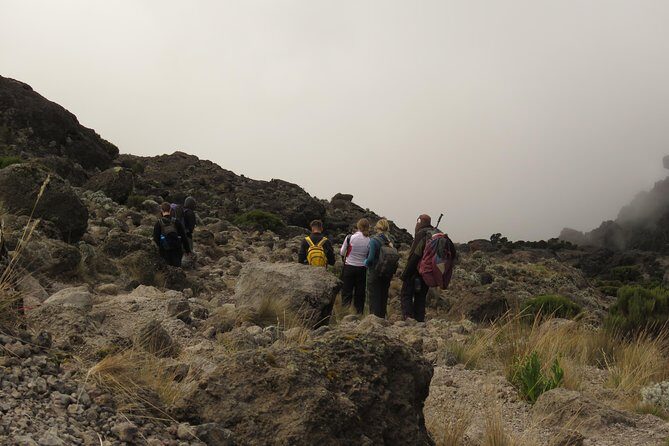
This route is not a stroll. It calls for moderate physical fitness, and the schedule shows why.
Even when the daily distance looks short, you’re often walking for hours at elevation. Day 1 is about 5–7 hours; Day 3 includes both a climb and a descent in one long day; and Day 6 includes the summit push plus a major descent.
If you’re someone who gets winded quickly at home, work on stamina before you come. Focus on endurance and leg strength, but also practice walking for extended periods without sprinting. The trick on Kilimanjaro is not proving you can go fast. It’s proving you can keep moving.
Also plan mentally for the midnight-to-early-morning reality of summiting. The earlier start means less sleep, and that affects how you feel in the dark. If you treat it like a marathon with steady effort rather than a quick race, your body usually thanks you.
Should You Book the 7-Day Machame Route With This Operator?
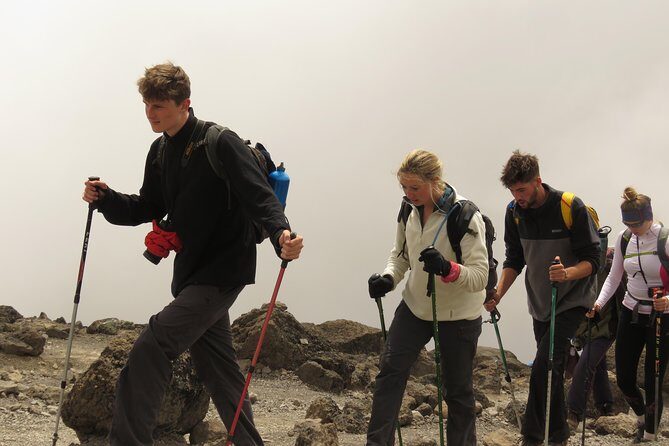
If you want one clear plan for a Kilimanjaro climb, with meals included, camping gear provided, English-speaking guidance, and a route that gives you time before the summit night, this tour is a strong fit.
You should book if your priorities are:
- Keeping your pack lighter with food handled for you
- Getting a guided experience so you don’t worry about staying on track
- Enjoying the scenic progression across rainforest, heath, alpine desert, and arctic
- Having time to pause, adjust, and take photos over seven days
I’d think twice if you’re trying to minimize extra costs, because park fees and rescue/camping fees are not included, and tips are also on you. Also, if early wake-ups feel miserable, be honest with yourself about the summit night schedule and how you handle low-sleep conditions.
If you go in with realistic expectations and a steady pacing mindset, the Machame Route over seven days gives you a more human path to Uhuru Peak.
FAQ
How long is the Mount Kilimanjaro Machame route trek?
The trek lasts 7 days (approximately).
Where does the trek start and end?
It starts from Machame Gate and ends at Mweka Gate. Pickup is offered from your hotel in Moshi to Machame Gate, and you’re dropped back to your hotel in Moshi from Machame gate after the trek.
Is food included during the hike?
Yes. Breakfast, lunches, and dinners are included during the trek.
What camping gear is included?
Camping equipment such as tents and mattresses are included.
Do I need to carry my own food?
No. You do not need to carry your own food because meals are included.
What transportation is included?
Pickup is provided from your hotel in Moshi town to Machame Gate, and drop-off is provided back to your hotel in Moshi from Machame gate after the trek. Private transportation is listed as a feature.
What costs are not included in the tour price?
All Park Fees (entry fee, rescue fee, and camping fee) are not included, along with airport pickup/drop-off, tips to the mountain crew, and hotel accommodations before and after the trek in town.
Is there a group size limit?
Yes. The maximum number of travelers is 50.
Can I get a refund if I cancel?
Yes, it’s free cancellation. You can cancel up to 24 hours in advance for a full refund. If you cancel less than 24 hours before the start time, you won’t receive a refund.