REVIEW · MOSHI
Private Kilimanjaro Hike 7 Day Lemosho Route
Book on Viator →Operated by Nafika tours · Bookable on Viator
Kilimanjaro rewards the patient pace. This private 7-day Lemosho Route with Nafika tours runs from Moshi and is built around big scenery, smart altitude timing, and logistics that don’t force you to think about the details. The route starts at Lemosho Gate on the western side and circles around Kilimanjaro toward the south, so your days keep changing rather than repeating the same trail.
Two things I especially like about this setup are how safety-forward it feels and how much is handled for you before you even start walking. You get emergency oxygen, a first aid kit, and a Pulse Ox meter, plus treated water throughout the trek and all camping gear (tents, sleeping pads, sleeping bags, chairs, and tables). I also like that planning and communication have a real local backbone, with the operator Elias and guides like Eli, Benson, Frank, and Sebastian showing up in past group feedback.
One possible drawback to plan for is the commitment level. This plan includes a midnight wake-up for the summit push and a long day climbing from Barafu toward Stella Point and Uhuru Peak, so if you’re hoping for something gentle, this route is still a serious mountaineering effort. Also, the visa fee is not included (listed at $50).
In This Review
- Key Highlights You Can Use Right Away
- Why the Lemosho Route from Moshi Is So Popular for Views
- Nafika Tours Logistics: Private Means Fewer Moving Parts
- The staffing can be serious
- The 7-Day Lemosho Plan: What Each Day Is Actually Like
- Day 1: Lemosho Gate to Big Tree Camp (7 km, ~4 hours)
- Day 2: Shira 1 Camp to Shira 2 Camp (16.5 km, ~9–10 hours)
- Day 3: Lava Tower (4600 m) and back down to Baranco (Alpine desert)
- Day 4: Barranco Wall to Karanga Valley (shorter day, big acclimatization value)
- Day 5: Barafu Camp (4640 m) and an early night before summit
- Day 6: Summit day to Stella Point and Uhuru Peak, then back to Barafu
- Day 7: Descent from Millennium Campsite to Mweka Gate (14 km, ~5 hours)
- Price and Logistics: Why $2,450 Can Make Sense for a Private Climb
- What You Should Think About Before You Say Yes
- Who Should Book This Private Lemosho Climb
- Should You Book Nafika’s Private 7-Day Lemosho?
- FAQ
- How long is the private Kilimanjaro hike on the Lemosho Route?
- Where does the hike start and is pickup included?
- Is this tour private or shared?
- What equipment and medical support are included?
- Are meals included during the trek?
- Do I need a visa, and what does it cost?
- What happens if weather is bad or I need to cancel?
Key Highlights You Can Use Right Away
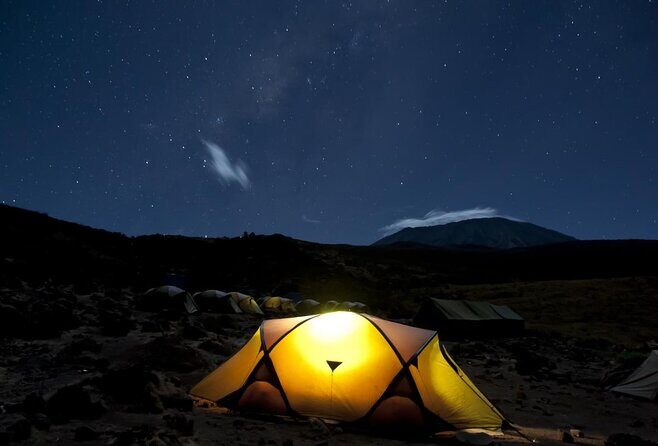
- Most scenic route choice: Lemosho is known for panoramic views from multiple sides of the mountain.
- Balanced acclimatization: a higher hike-and-descend day helps your body adjust.
- Private logistics that reduce stress: pickup and transfers plus all camping gear are included.
- Health tools in the kit: emergency oxygen, first aid, and a Pulse Ox meter are part of the package.
- Fuel and downtime built in: early dinners, rest windows, and a quiet afternoon before summit night.
Why the Lemosho Route from Moshi Is So Popular for Views
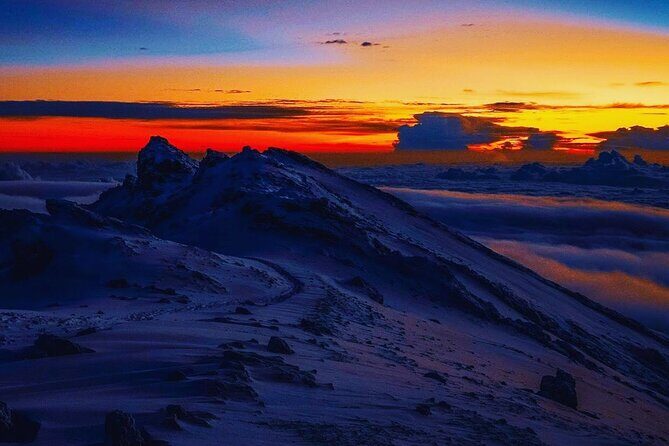
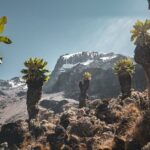
If you’re choosing among Kilimanjaro routes, Lemosho tends to be the one people talk about for good reason. The trail is described as the most scenic, with wide-open views appearing on different sides of the mountain as you progress. In practical terms, that matters because the trip doesn’t feel like one long blur of “just walking up.” It’s a sequence of changing environments and viewpoints.
Your climb begins at Lemosho Gate (2360 m) with a western approach. From there, the route curves around Kilimanjaro to the south. That “circle” is the secret sauce for scenery: you get rainforest early on, then you rise into high moorland, then you move into the alpine desert zone. The route also reaches Shira Ridge, described as the mountain’s third summit, so you’re not only grinding altitude—you’re also working through iconic altitude zones.
Another reason this route is often chosen is crowd levels. Lemosho is presented as having low crowds compared to some other popular options. For you, that can mean more quiet mornings, fewer bottlenecks on narrow sections, and a more personal feel as you hike.
You can also read our reviews of more private tours in Moshi
Nafika Tours Logistics: Private Means Fewer Moving Parts
This is a private tour/activity, which in plain language means only your group participates. That matters on Kilimanjaro because logistics get complicated fast: permits, camp timing, equipment, food, and medical readiness all need to line up.
What Nafika includes is also a big part of why this feels manageable. You’re covered on:
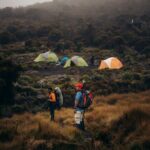
- All camping equipment (tents, sleeping pads, sleeping bags, chairs, and tables)
- Treated water during the trek
- First aid kit + Pulse Ox meter
- Emergency oxygen
- A fair wages approach for guides and porters
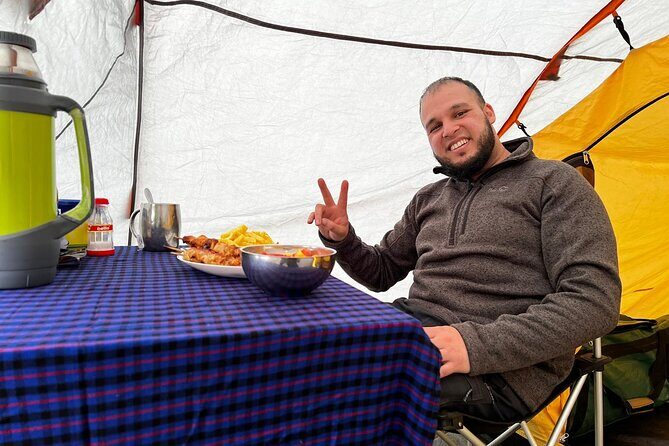
Meals are built in each day as well. The plan lists breakfast, lunch, and dinner for most trekking days, plus breakfast and lunch on the final descent day. On summit night planning, the schedule includes early dinner and a midnight wake-up routine, so you’re not guessing when to eat or when to get moving.
On the human side, Nafika is run locally under Elias. Past group feedback highlights professional organization and team energy, and guide names that come up include Eli, Benson, Frank, and Sebastian. Even without knowing who you’ll personally get, that pattern is a signal: they staff climbs with people who understand pace, acclimatization, and how to keep you moving without burning you out too soon.
The staffing can be serious
One past group of five reported having 3 guides and 20 porters organized through Elias’s team. That kind of ratio isn’t something you should assume on every departure, but it tells you Nafika is comfortable running a full support system—not just a bare-bones guide-and-prayer setup.
The 7-Day Lemosho Plan: What Each Day Is Actually Like
Kilimanjaro schedules are not just “days on a calendar.” They’re designed around altitude, energy, and where your body needs recovery. Here’s how this one plays out, day by day, with what to expect at each stop.
Day 1: Lemosho Gate to Big Tree Camp (7 km, ~4 hours)
You’ll get a hotel pickup in Moshi around 8:00 am, then transfer to Lemosho Gate. Nafika handles the pre-hike formalities once you arrive, so you start walking without spending time on paperwork chaos.
From there, you hike through the Lemosho glades toward Big Tree Camp. This is your entry day: 7 km (about 4.3 miles) over roughly 4 hours. Meals are included (breakfast, lunch, and dinner), and you’ll sleep at Big Tree Camp for your first night.
Why this day matters: It’s a gentle start compared with what comes later, and it gets you into the park environment without forcing a huge altitude gain immediately.
Potential drawback: Still, day one is not a warm-up stroll. You’re going up from the gate altitude and you’ll feel the effort, especially if you’re sensitive to breathlessness.
You can also read our reviews of more hiking tours in Moshi
Day 2: Shira 1 Camp to Shira 2 Camp (16.5 km, ~9–10 hours)
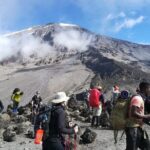
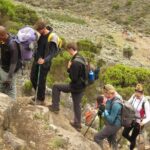
Today covers a lot of ground: 16.5 km (about 10.3 miles) and 9 to 10 hours. You’ll trek across a plateau of grassy moorland and heather, with volcanic rock formations scattered along the way.
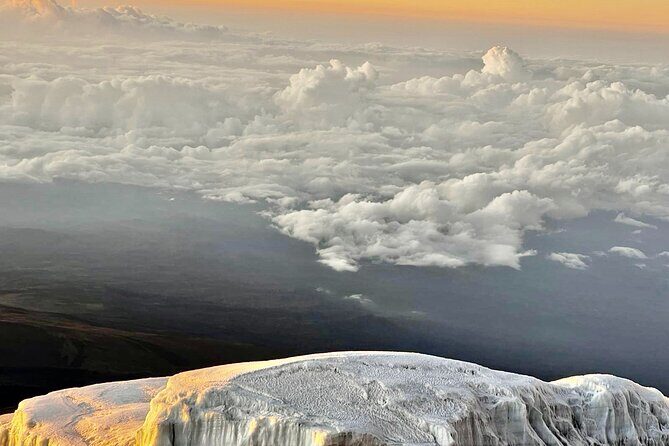
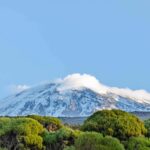
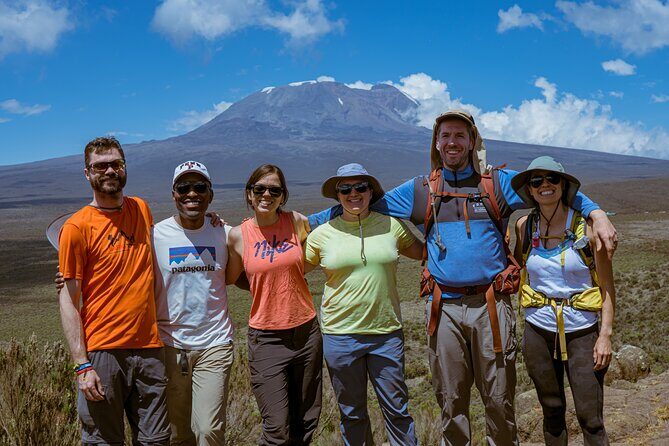
You’ll reach Shira 1 Camp, then continue to Shira 2 Camp. Along the way, the plan highlights a payoff-view moment: the sight of Kibo Peak floating on the clouds after you settle into Shira 1. Later, you’ll observe views of the Northern Ice fields as you cross the Shira Plateau.
Why this day matters: It gives you big scenery while building altitude gradually enough to keep acclimatization on track.
Potential drawback: It’s a long day on foot. If you start too fast, you’ll pay for it later, especially once the trek turns steeper.
Day 3: Lava Tower (4600 m) and back down to Baranco (Alpine desert)
This is the acclimatization day that I think you’ll appreciate most as the trip unfolds. The hike takes you higher first, then you descend to sleep lower.
You go into alpine desert and climb up to Lava Tower (4600 m) before descending to Baranco Camp (3900 m). The listed hiking time is about 6 hours, with about 10 km covered.
The schedule also calls out great photo moments: views of the Western Breach and the Baranco wall. The camp sits in a valley below the wall, and you’re set up for a memorable sunset while waiting for dinner.
Why this day matters: Going higher and sleeping lower gives your body useful experience with altitude before the more intense push days.
Day 4: Barranco Wall to Karanga Valley (shorter day, big acclimatization value)
Today begins with a move toward the Barranco wall. The plan describes it as imposing, but also notes it turns out to be easier than it looks once you’re on the approach.
You’ll pass underneath the Heim and Kersten glaciers, then head toward the Karanga valley. With Kibo glaciers overhead, the visuals here are part of the point of this route. After a hot lunch in camp, you get an afternoon that’s intentionally not overbooked. The guidance is to rest and take a quick nap because your summit push is about to start.
The plan also mentions optional mid-afternoon acclimatization for those who feel strong (it’s referenced, but the exact continuation text is cut off in the details provided).
Why this day matters: It’s a short-stress acclimatization day: enough effort to keep progressing, and enough recovery to avoid arriving at summit night wrecked.
Potential drawback: The afternoon “your time” is great, but you’ll need to use it well. If you treat it like a hangout day and skip rest, the summit night can feel longer.
Day 5: Barafu Camp (4640 m) and an early night before summit
After breakfast, you hike to Barafu Camp (4640 m). The distance is listed as about 4 km and roughly 4 hours. Terrain here is again alpine desert.
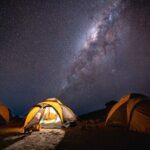
On the way, expect views of Kibo and Mawenzi peaks. Once you reach Barafu, lunch is provided and you get a quieter afternoon where the advice is to head to your tent and sleep—because dinner is early and then it’s back to rest.
Then comes summit-night reality: alarms are set around midnight so you can start the climb toward the top.
Why this day matters: You’re getting higher and staging yourself for the crater rim push, but it’s short enough to avoid frying your legs.
Day 6: Summit day to Stella Point and Uhuru Peak, then back to Barafu
This is the day people remember for the rest of their lives, but it’s also the day that needs the most planning-minded mindset.
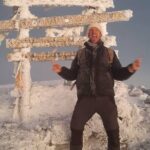
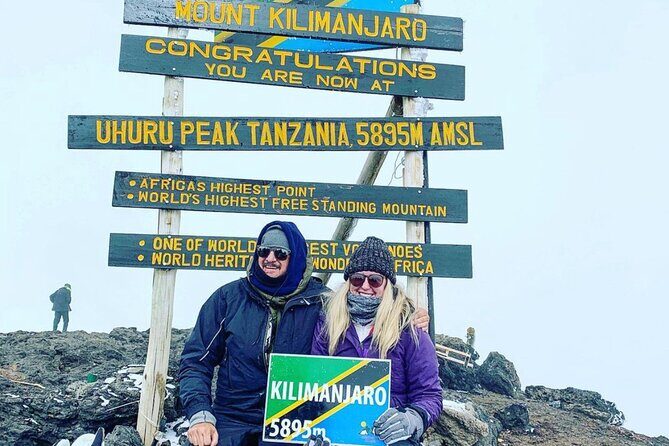
You’ll wake up around midnight with light tea and breakfast, then start a 4 to 5 hour climb gaining height quickly. The plan calls the views spectacular as the sun rises, with a key target: Stella Point (5756 m) for sunrise.
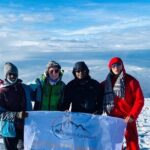
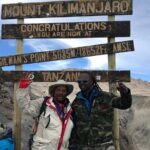
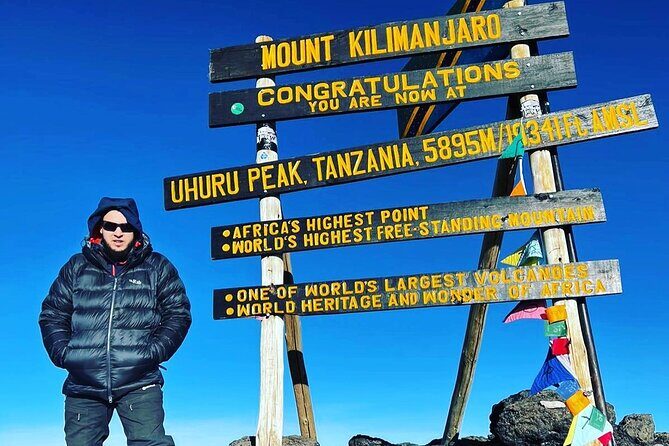
From Stella Point, you’ll have about 1 hour to Uhuru Peak (5895 m). Once you reach Uhuru Peak, the plan includes photos, then the descent begins back to Barafu Camp for lunch and rest.
The schedule for this day is listed as 12 hours, which tells you what kind of endurance day this is.
Why this day matters: It’s your summit window. Everything—acclimatization days earlier, rest on day four, and a quiet day five—feeds into how you’ll feel here.
Potential drawback: It can be emotionally intense too. If you’re prone to anxiety under pressure, practice a steady breathing pace and don’t race other people.
Day 7: Descent from Millennium Campsite to Mweka Gate (14 km, ~5 hours)
After breakfast, you start the final descent. You’ll walk from Millennium Campsite to Mweka Gate, roughly 14 km over about 5 hours.
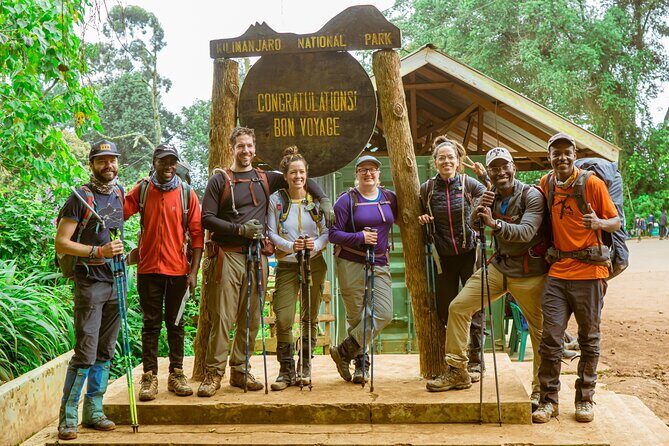
At Mweka Gate, you collect your certificates. Then there’s a private car back to your Moshi hotel. The plan even mentions the warm shower you’ll want after days on the trail, and it frames the moment as time to celebrate.
The habitat at the end is listed as montane forest, so this last stretch feels different than the alpine zones earlier.
Why this day matters: You still have walking to do, but it’s the closure day where your earlier effort finally turns into relief.
Price and Logistics: Why $2,450 Can Make Sense for a Private Climb
At $2,450 per person, this is not a budget hike. But price on Kilimanjaro isn’t only about moving from point A to point B. It’s about the whole support system.
Here’s what’s explicitly included:
- Private transportation
- All fees and taxes
- Full camping setup: tents, sleeping pads, sleeping bags, chairs, tables
- Treated water
- Fair wages for guides and porters
- Medical items: first aid kit, Pulse Ox meter, emergency oxygen
- Two night hotel in Moshi: one on arrival and one the night after the hike
- Meals: breakfast, lunch, and dinner across the trek days (with details listed per day)
Not included: visa ($50).
So the value equation looks like this: you’re paying for park logistics, equipment, food planning, staffing, and medical readiness. A cheaper option often means you’re giving up one of those pieces—sometimes the gear, sometimes the food quality, sometimes the medical tools, sometimes the level of coordination.
Where I’d be cautious: private doesn’t always mean the same thing everywhere. But in this case, the data is clear that your group participates without others joining your group for the tour/activity. That’s one reason it can cost more: the operator carries the full setup for only your group.
If you’re the type who wants a smooth plan and less mental load during altitude travel, this price starts to look less shocking and more logical.
What You Should Think About Before You Say Yes
This tour is listed for people with a moderate physical fitness level. That’s encouraging, but you should still respect the schedule. The climb includes long days (like the Shira Plateau day at 9–10 hours), steep-feeling terrain (Barranco wall day), and the summit-night grind with alarms around midnight.
Also, make sure you handle the one item that’s clearly not included: the visa fee.
Finally, keep your flexibility on summit day. The experience states it requires good weather, and if the climb is canceled due to poor weather you’ll be offered a different date or a full refund.
Who Should Book This Private Lemosho Climb
I’d point you toward this tour if you want:
- The scenic Lemosho Route with varied altitude zones (rainforest early, then moorland and alpine desert)
- A plan that supports acclimatization with a higher hike and lower sleep on day three
- A private-feeling experience with equipment and medical tools handled for you
- Comfort in the logistics: Moshi hotel nights before and after, plus pickup and transfers
It may not be the best fit if:
- You’re looking for an easy walk without a serious summit push
- You’re on a tight budget and need the lowest possible price
- You dislike long trekking days, especially the day-to-summit timeline that starts with a midnight wake-up
Should You Book Nafika’s Private 7-Day Lemosho?
If your main goal is a scenic, well-managed Kilimanjaro climb with support equipment, medical tools, and a route that’s designed around acclimatization, I think this is a strong choice. The combination of Lemosho’s panoramic reputation and Nafika’s all-in camp and safety package is the core reason this works.
Before you book, do three simple checks:
- Confirm your visa plan since $50 is not included
- Ask who your guide team will be and how the porter support works for your specific departure
- Be honest about your fitness for a summit schedule that includes a midnight start and a long, high-altitude day
If that all looks good, you’re choosing a route and an operator style that prioritize safety and scenery at the same time—and that’s a rare combo on Kilimanjaro.
FAQ
How long is the private Kilimanjaro hike on the Lemosho Route?
The climb is set up for 7 days, with the trek lasting about a week from Moshi.
Where does the hike start and is pickup included?
The meeting point includes Kilimanjaro Airport, and on day one you’re picked up from your Moshi hotel around 8:00 am and transferred to Lemosho Gate.
Is this tour private or shared?
This is a private tour/activity, so only your group participates.
What equipment and medical support are included?
All camping equipment is included (tents, sleeping pads, sleeping bags, chairs, and tables). You also get emergency oxygen, a first aid kit, and a Pulse Ox meter.
Are meals included during the trek?
Yes. Breakfast, lunch, and dinner are included on the trekking days as listed, with breakfast and lunch included on the final day. Breakfast and meals throughout are part of the package.
Do I need a visa, and what does it cost?
A visa is required and is listed at $50. It is not included in the tour price.
What happens if weather is bad or I need to cancel?
The experience requires good weather. If it’s canceled due to poor weather, you’ll be offered a different date or a full refund. Free cancellation is available up to 24 hours in advance for a full refund.
If you want, tell me your travel month and fitness baseline (walk time per day), and I’ll help you sanity-check whether the 7-day Lemosho schedule matches your comfort level.