REVIEW · MOSHI
Kilimanjaro climb by Lemosho Route (7-day)
Book on Viator →Operated by Altezza Travel · Bookable on Viator
Kilimanjaro changes you fast. This 7-day Lemosho climb (wrapped in a 9-day package) is interesting because you move through big altitude swings and climate zones as you work your way toward Uhuru Peak. I especially like the energy-rich meals and the Wilderness First Response certified guides who help you stay calm, paced, and medically watched.
The one consideration you should take seriously is altitude stress, especially on the descent. Your notes spell it out: 90% of accidents happen during the descent, so you’ll want a slow, careful return and good foot discipline when tired.
In This Review
- Key highlights at a glance
- Why the Lemosho Route feels like a smarter climb
- Moshi arrival day: getting your bearings (and your gear) quickly
- Shira 1 and Shira 2: when the “roof of Africa” starts to feel real
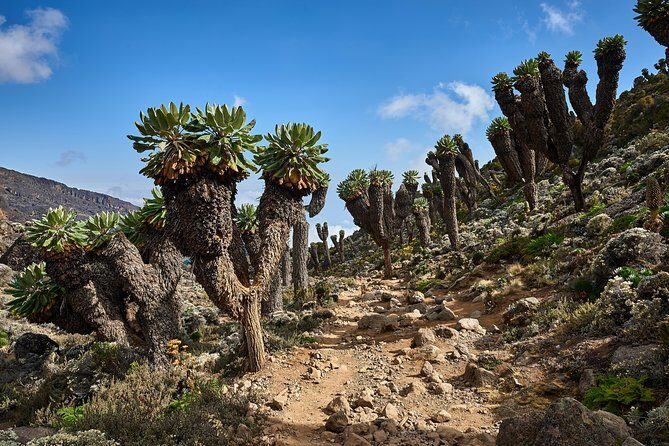
- Lava Tower to Barranco: tough steps, but a purposeful reason
- Barranco Wall to Karanga: early start pays off
- Barafu summit camp and Uhuru Peak: the night climb, handled the right way
- From Millennium Camp down to Mweka Gate: rainforest relief and the finish ritual
- Guides, crew, and safety systems that reduce anxiety
- Price and logistics: why $3,476 can be worth it
- What you should do before you go (and why it matters on summit night)
- Should you book Altezza’s 7-day Lemosho climb?
- FAQ
- How long is the Kilimanjaro climb on this package?
- Where does the trip start and does it include airport transfers?
- What kind of accommodation do you get on the mountain?
- Are meals and drinks included?
- Do the guides have medical training?
- What’s not included in the price?
- What is the cancellation policy?
Key highlights at a glance
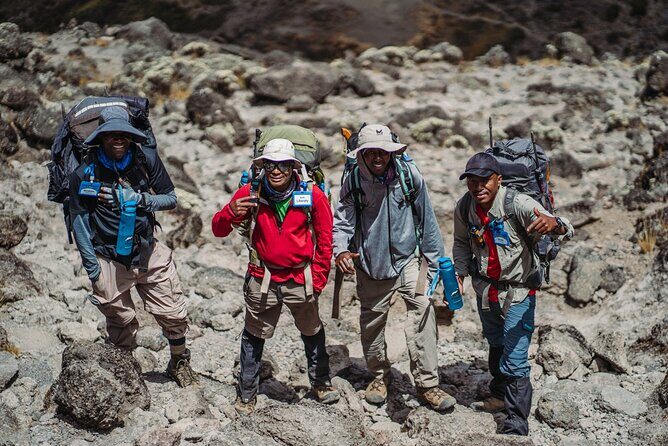
- Lemosho route built for acclimatization, with staged high camps and a Lava Tower stop
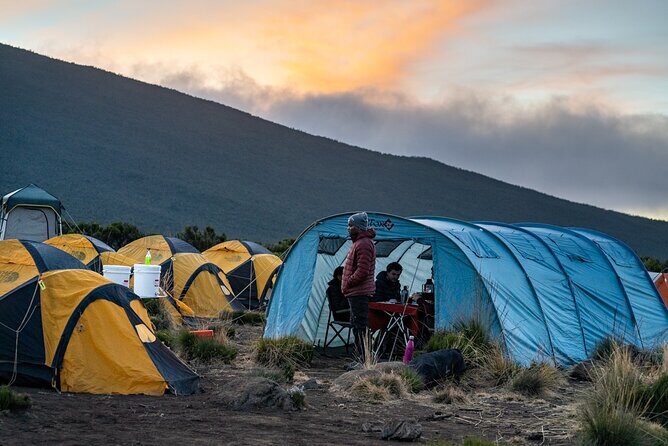
- Mountain camping with North Face VE-25 tents and sleeping pads set up for you
- Meals plus drinks included, with diet options like vegetarian, vegan, halal, gluten-free, and lactose-free
- Medical support included, including medical check-ups, kits, and oxygen/oximeters
- Guides who are Wilderness First Response certified, plus a dedicated summit guiding setup
- Areal value extras: airport transfers, park fees handled, and a post-summit certificate moment
Why the Lemosho Route feels like a smarter climb
The Lemosho Route is a classic way to reach Kilimanjaro with an itinerary that takes acclimatization seriously. You’re not just “walking higher.” You’re staged from a lower entrance area up toward Shira Plateau, then through multiple high camps that build your body’s tolerance gradually. The package description also leans into the big theme of Kilimanjaro’s changing climates, including polar-desert type conditions as you approach the summit area. Translation: you’ll wear different layers over different days, and the weather can feel completely different even when you’re still moving forward.
I like that the plan balances scenic payoff with safety pacing. You get time to settle in and adjust, not just a hard push day after day. And you get specific altitude cues built into the day plan—like spending time at Lava Tower for acclimatization, and doing extra short hikes that don’t feel like “wasted effort.” Those small pushes are what help you wake up the next morning a bit more ready.
The trek is also described as suitable for both beginner and experienced hikers. That doesn’t mean it’s easy. It means the schedule is paced to match real acclimatization needs, while still offering trekking challenges like Barranco Wall and the summit night.
A few more Moshi tours and experiences worth a look
Moshi arrival day: getting your bearings (and your gear) quickly
Your trip starts with pickup at Kilimanjaro International Airport (JRO) and a transfer into Moshi, where you stay at Aishi Machame Hotel (two nights are included). Day 1 is less about hiking and more about getting set up: you’ll check in starting at 2:00 PM, settle into comfortable basics (hot water, internet, and a pool are mentioned), and attend a briefing with managers so you know what comes next.
This matters more than it sounds. Kilimanjaro logistics are a lot—permits, gear checks, camp setup, and daily timing. If you start the climb feeling rushed or unsure, that mental stress can stack up on summit night. A calm first evening helps you get your head right.
Also, you get a start time noted as 9:00 AM for the organized day schedule. That’s a small detail, but it helps you plan your sleep, hydration, and morning routine. When you’re going to be up at odd hours later, it’s good to start with a predictable system.
Shira 1 and Shira 2: when the “roof of Africa” starts to feel real
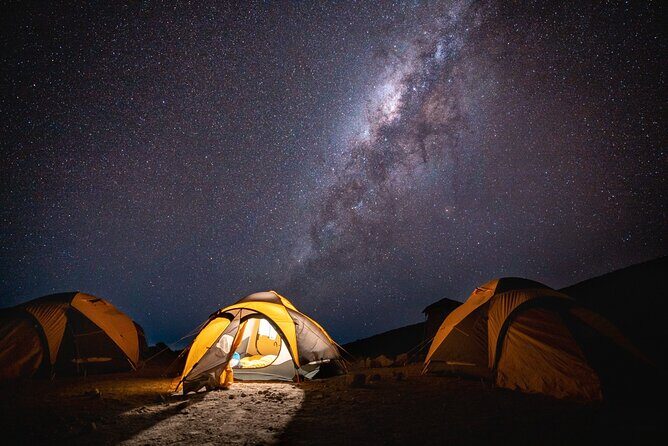
On Day 2, you drive from Moshi area up toward the western entrance at Londorossi Gate (2,200 m). After the permit formalities and registering with search and rescue, the group moves upward by off-road vehicles toward a drop-off point around 3,500 m. That’s a practical choice: you’re not wasting the first day doing a brutal altitude climb just to start walking.
From there, the trek to Shira 1 Camp (about 3,505 m) is described as having not too much altitude gain and not overly challenging. I like this “gentle start” because it helps you learn your hiking rhythm before the mountains start asking for full effort.
Day 3 continues the acclimatization rhythm. You go from Shira 1 to Shira 2 Camp (about 3,900 m) on a trek that’s described as not difficult. This is also where the itinerary offers a specific view moment: Mount Meru can be seen from Shira 2 weather permitting. Then you do an acclimatization hike toward Lava Tower Camp with a 200-meter gain. That extra hike is short on paper but meaningful for your breathing and adjustment. You’ll likely feel the effort more than the distance suggests.
If you want a simple strategy for these days, it’s: move steady, sip water often, and don’t treat the first camps like victory days. They’re practice runs for the body work ahead.
Lava Tower to Barranco: tough steps, but a purposeful reason
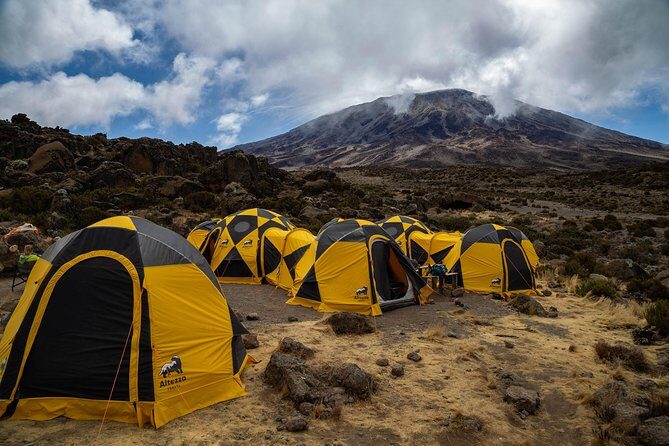
Day 4 is a pivot day. You leave Shira 2 and head up toward Lava Tower (4,630 m). The note here is honest: this section has a lot of ascents and descents, and it might feel difficult. Still, it’s where you’re instructed to spend at least 1–2 hours to help acclimatize, and lunch is timed there.
This is where the itinerary shows its real strength: it’s not just geography, it’s timing. You’re building altitude tolerance in the middle of the climb, not just stacking camps higher and hoping your body catches up later.
After Lava Tower, you descend to Barranco Camp (about 3,960 m). Barranco is where you get one of Kilimanjaro’s signature sights: Barranco Wall. The big clue is that tomorrow’s climb is described as simple along the hiking trail—good news if you’re not into technical rock moves.
Practical tip: Day 4 can feel like it hits harder than expected. Keep your pace conservative. You’re saving energy for the day when you’ll have to climb Barranco Wall early to avoid the crush.
Barranco Wall to Karanga: early start pays off
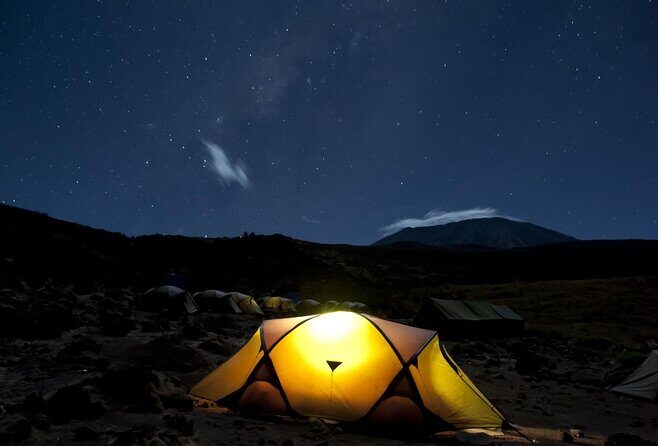
Day 5 begins with an early wakeup and a climb up Barranco Wall, starting from the camp. The plan recommends leaving as early as possible to avoid crowds from other groups. That’s a useful heads-up because timing affects how safe and comfortable your photo stops will feel.
The climb itself is described as not difficult and about an hour to reach the top. From there, you can rest and take photos with the Kibo volcano in view. Then you move on to Karanga Camp, a route described as more difficult with numerous ascents and descents. The guides are meant to choose an optimal pace for the group, which is a big deal if you have mixed fitness levels in your party.
After reaching Karanga, you get a warm lunch and then complete another acclimatization hike in the direction of Barafu Camp. That pattern repeats for a reason: the itinerary is designed to protect your summit attempt by improving your body’s ability to handle altitude stress.
Barafu summit camp and Uhuru Peak: the night climb, handled the right way
Day 6 is your move into the summit zone. After breakfast you trek to Barafu Summit Camp (about 4,640 m), which becomes the staging area for a night summit attempt to Uhuru Peak (5,895 m). Your team sets up camp for you ahead of time, including tents and sleeping bags, so you can rest. That comfort matters because summit night is mentally demanding even when the route is described as technically simple.
You also do an additional acclimatization hike toward Kosovo Summit Camp (about 4,800 m), then back to Barafu. You’re served a hot dinner after the hike. Then the rest of the day is about sleeping and conserving energy.
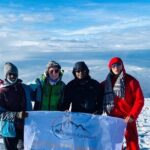
Day 7 is the main event. You depart from Barafu at night and start the climb to Uhuru Peak. The climb is described as technically relatively simple, but the most challenging part is high altitude. It also includes a smart support system: each pair of climbers gets a personal guide for the entire ascent to monitor your physical and mental conditions.
After you reach Uhuru Peak, you can descend to the nearest glacier if desired. Then you return to Barafu and continue descending to Millennium Camp (about 3,820 m).
One more thing you should take seriously: the notes stress that accidents are more likely during descent. So even after summiting, your job is not to rush. It’s to place your feet carefully and keep your rhythm controlled.
This is also where good guiding shows itself. In the field, names like Bosco George and Hamza come up as standout guides in the wider Altezza guide teams you’ll likely encounter. And people also highlight guides such as Kombe, Elia, and Joshua. If you’re lucky enough to work with names like those on your trek, you’ll likely feel that attention to pacing and detail.
From Millennium Camp down to Mweka Gate: rainforest relief and the finish ritual
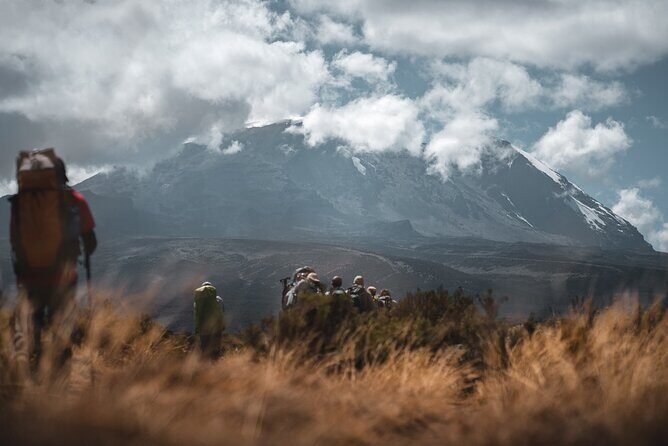
Day 8 is a morale day. You wake up at a camp situated in tropical rainforest, and the drop in altitude usually feels like a physical exhale. After a warm breakfast, you hike to the exit at Mweka Gate (about 1,640 m). The day’s goal is clear: finish strong and get safely out of the park.
After your descent, the group gathers to congratulate each other and there’s a chance to share opinions in a guestbook. Then you receive commemorative certificates and get a transfer back to the hotel.
Day 9 is recovery mode. You rest at Aishi Machame Hotel, then transfer to the airport. The hotel check-out is noted as 11:00 AM, with an option to extend for a fee if you have an evening flight.
Guides, crew, and safety systems that reduce anxiety
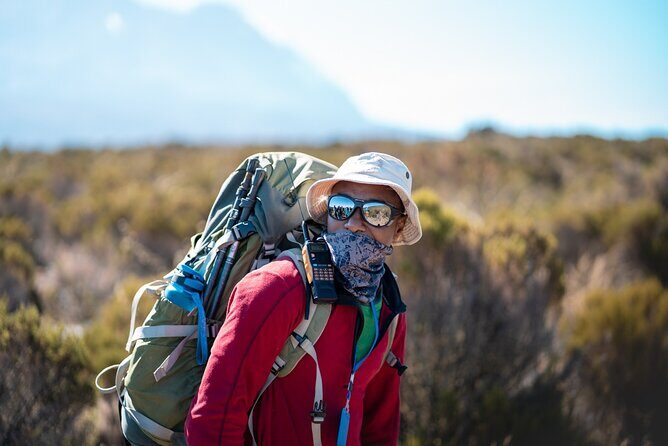
This is one of the most reassuring parts of the package. You’re traveling with a professional climbing crew: porters, camp masters, and cooks. That means you’re not juggling camp logistics while trying to manage breathing at 4,800 meters.
Safety support is built in. The guides are certified Wilderness First Responder, and the included medical support system includes medical check-ups and medical kits. On top of that, the package notes unlimited oxygen tanks and oximeters. Real talk: oxygen and oximeters can’t erase altitude risk, but they can help teams respond faster if someone’s condition changes.
I also like that meals and drinks are handled tightly. Three meals a day plus drinks on Kilimanjaro are included, and the itinerary notes you’ll have lunch timed to altitude challenges. That reduces the “what do I eat right now” stress.
From the guide names mentioned across the experience coverage, you’ll see patterns of people praising attention to detail and a calm, professional tone. I saw names like Donovan, Adam, and Ally tied to guide teams, alongside Kombe, Elia, and Joshua. That’s not a guarantee of who you’ll get, but it gives you a sense of how the company’s crews operate—structured, present, and engaged.
One small extra human detail also pops up: an afternoon popcorn treat is mentioned in the overall experience notes. It’s not going to change summit odds, but it does show the team thinks about morale.
Price and logistics: why $3,476 can be worth it
At $3,476 per person, this is not a cheap adventure. The question isn’t just “Can I afford it?” It’s “Do I want to outsource the hard parts so I can focus on walking and acclimatizing?”
Here’s what you’re buying with this package that reduces cost and hassle compared with piecing it together yourself:
- JRO airport pickup and drop-off plus all ground transportation
- Two nights at Aishi Machame Hotel (so you’re not scrambling for a place to sleep before and after)
- Park fees collected and climbing logistics handled
- Mountain camping setup: North Face VE-25 tents, sleeping pads, and camp gear like dining tent and table/chairs
- Three energy-rich meals a day on the mountain plus drinks (tea, coffee, juices, soda, and others)
- Dietary plans available including vegetarian, vegan, lactose-free, gluten-free, halal, and more
- Medical check-ups, kits, and monitoring support (oximeters plus oxygen tanks)
The not-included items are also clear, and you should budget them in:
- Flights to Tanzania and your visa (not included; many nationalities pay USD 50, US passport holders USD 100 are mentioned)
- Personal gear like hiking clothes and footwear, and a sleeping bag (rentals may be available)
- Mountaineering insurance covering trekking up to 6,000 m (strongly recommended)
- Tips for crew (optional)
- Some hotel meals beyond breakfast can cost around USD 15 per person on average
When you add it up, the price makes more sense if you value a complete support system—especially the medical gear, park fees, and guided pacing during the hardest altitude days.
What you should do before you go (and why it matters on summit night)
You’ll need to show up with moderate physical fitness. The trek description says it’s suitable for beginner and experienced hikers, but the route still includes long high-altitude days and a night summit. Your goal is not to be a machine. Your goal is to be consistent.
Plan your gear and recovery like your summit depends on it, because it does:
- Expect you’ll need personal hiking footwear and clothing, plus a sleeping bag unless you rent
- Bring layers for changing temperatures, including very cold conditions near the summit zone
- Understand that your hardest work is at altitude, not on steep technical sections
Once on the mountain, listen to the guiding pace. The itinerary is built around acclimatization hikes and set times for lunch and rest. If you treat those as optional, you can hurt your chances later. Also, put real attention into descent foot care. That note about accidents during descent isn’t there to scare you—it’s there so you walk like you mean it.
If you want a confidence boost, know that on summit night each pair gets a personal guide to monitor your physical and mental state. That support system is meant to help you manage fear, fatigue, and decision-making when your brain is tired.
Should you book Altezza’s 7-day Lemosho climb?
I’d book this if you want a Kilimanjaro package that feels “handled”: airport transfers, park fees, meals, tents, and a medical-minded guide team are already built into the plan. The Lemosho route’s acclimatization structure plus the Wilderness First Responder certification is a strong combo if you’re serious about summit odds.
I’d think twice if you’re not prepared for altitude’s mental load. Even if the climb is described as technically straightforward, the night summit and the descent demand careful movement and discipline. Also budget the items not included—visa, gear, and especially mountaineering insurance up to 6,000 m.
If you want value, this company’s high approval rate matters too: it’s presented as 100% recommended with a 5-star rating across 651 reviews. That doesn’t remove risk, but it does suggest the logistics and guiding quality are consistently strong.
FAQ
How long is the Kilimanjaro climb on this package?
The package is about 9 days overall, with a 7-day hiking journey on Mount Kilimanjaro.
Where does the trip start and does it include airport transfers?
The experience is based in Moshi, Tanzania, and includes pickup and drop-off at Kilimanjaro International Airport (JRO).
What kind of accommodation do you get on the mountain?
You get accommodation on the mountain in North Face VE-25 tents, with 2 hikers per tent (solo climbs use different arrangements).
Are meals and drinks included?
Yes. You’re provided with three energy-rich meals a day plus drinks on Kilimanjaro. Dietary options like vegetarian, vegan, lactose-free, gluten-free, halal, and others are available.
Do the guides have medical training?
Yes. Guides are certified Wilderness First Responder, and the package includes medical check-ups, medical kits, and oxygen/oximeter equipment.
What’s not included in the price?
Not included are flights to Tanzania, visa fees, personal gear (and sleeping bag unless rented), mountaineering insurance (recommended), and crew tips (optional). Some hotel meals beyond breakfast may have an extra cost.
What is the cancellation policy?
Free cancellation is offered up to 24 hours before the experience start time. If you cancel less than 24 hours before, the amount paid is not refunded.