REVIEW · MOSHI
1-Day Moshi Villages bike tour
Book on Viator →Operated by Bike2kili safaris · Bookable on Viator
A half-day ride through Moshi feels like a shortcut. This 1-Day Moshi Villages bike tour strings together forest reserve, working farms, and town sights with Mt. Kilimanjaro views when the air is clear.
What I like most is the mix: Rau Forest with colobus monkeys, then farmland and villages that show how people actually live, grow, and trade. The other big win is the human part: guide Alpha keeps you comfortable and shares stories that make stops click. One heads-up: the ride can be rough, and if you have knee trouble, expect bumpy sections to slow your pace.
In This Review
- What You’re Really Buying for $50 in Moshi
- Rau Forest Reserve: Colobus Monkeys and Off-Road Riding
- Off to Farms: Sugarcane, Rice Fields, and Working Land
- Moshi Town Stop: Mbuyuni Market, Fish Market, and Clock Town
- Cycling Toward Kilimanjaro Views: River Crossings and Old German-Era Churches
- The Bike Ride Itself: What to Expect From the Terrain
- Lunch Break: What You’ll Eat and Why It Matters
- Group Size and the Guide Factor (Alpha’s Role)
- Price, Value, and What’s Not Included
- Practical Tips Before You Go (So You Enjoy It More)
- Should You Book This Moshi Villages Bike Tour?
What You’re Really Buying for $50 in Moshi
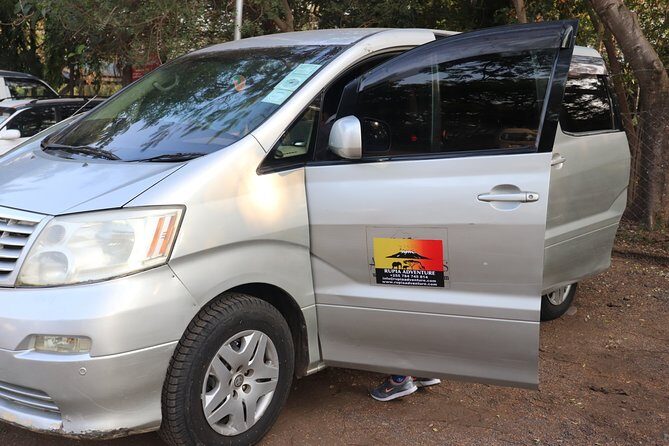
At $50 per person, this tour is good value because it bundles the stuff that usually costs extra when you piece things together yourself. You get a bicycle, a cycling guide, private transportation, and food (lunch plus drinks). Entrance and fees are also covered, including a ticket at the forest stop, while the later town and countryside parts don’t charge admission.
Timing-wise, think about 4 to 5 hours of active time with breaks to take in farms, viewpoints, and town landmarks. The day ends back at the meeting point, so you don’t need to worry about finishing “somewhere” and figuring out the rest of your evening.
Where this tour shines is that it is not just a scenic loop. You’re moving through everyday places: rice and sugarcane fields, village houses, church and mosque areas, and markets where people buy fish, produce, and daily supplies.
Rau Forest Reserve: Colobus Monkeys and Off-Road Riding
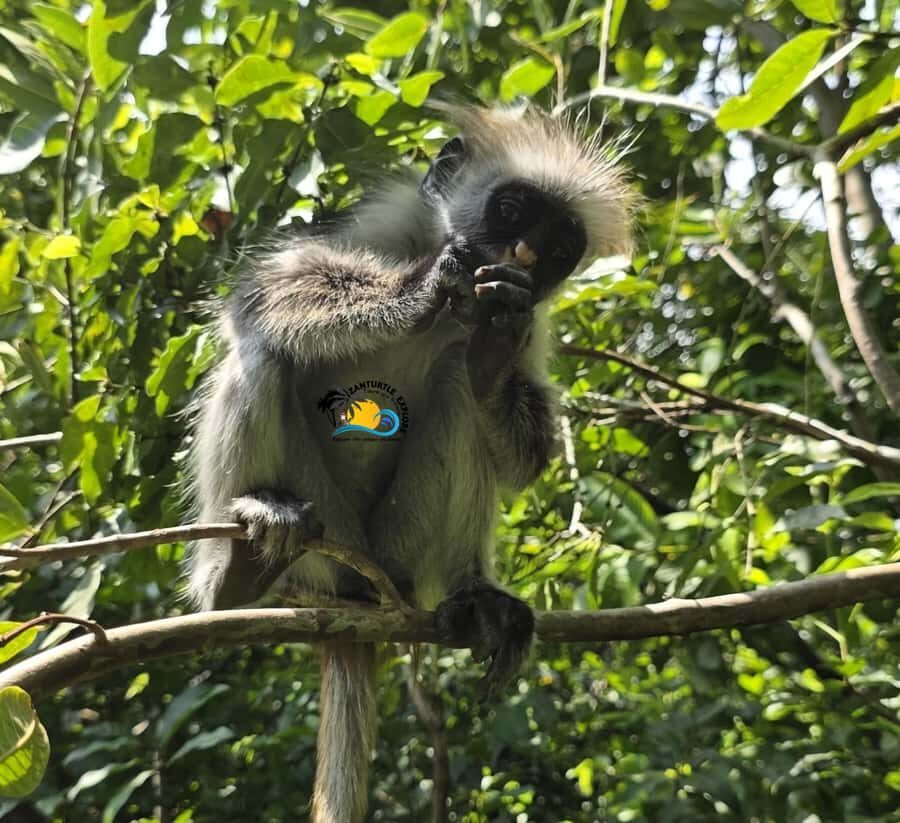
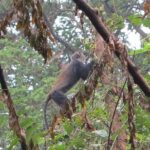
Your first major stop is Rau Forest Reserve, where the goal is simple: cycle in and spot colobus monkeys in the tree crowns. These primates can be hard to see when you rush, so the calm pace matters. When you do catch them, it feels like the forest is sharing its secret without asking permission.
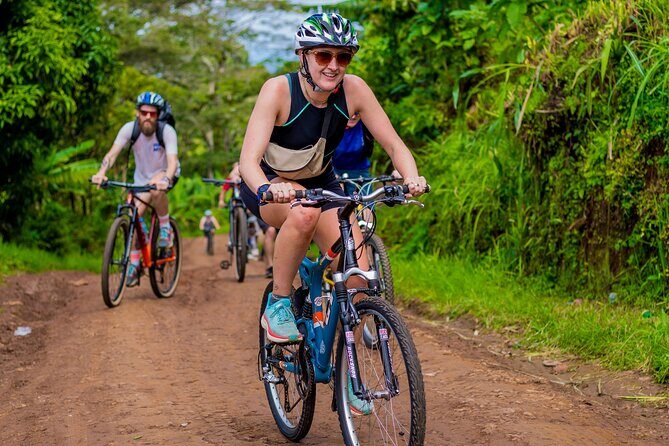
The ride here mixes off-road and paved paths. That’s part of the charm, but it also explains why comfort matters. One review note that keeps coming up is that the terrain can be bumpy. If you’re okay with uneven ground, it’s a memorable “real bike” experience. If you have sensitive knees or you hate jolts, you’ll need to ride gently and possibly go slower at certain patches.
This forest section also sets expectations for the whole day. After the greenery and shade, the next parts of the route feel even more vivid because you’ve already earned the contrast.
You can also read our reviews of more cycling tours in Moshi
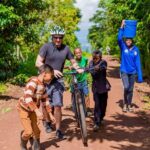
Off to Farms: Sugarcane, Rice Fields, and Working Land
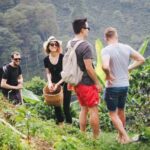
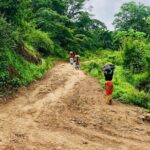
As you move from the reserve area toward the villages and countryside, you pass through farmland that looks beautiful but is also practical. You’ll see sugarcane plantations and rice fields, along with small plots that reflect how local farmers use land year-round.
Why this matters: in many places, a “village tour” is mostly photos. Here, the day keeps pointing you toward agriculture as the backbone of life. You get the chance to notice patterns—where fields sit, how water or soil likely shapes planting, and how close farming is to homes.
This portion of the route also gives you frequent stopping moments. Not everything is a full-throttle sprint. That’s helpful if you’re not an experienced cyclist and you want time to look around without feeling you’re holding the group back.
Moshi Town Stop: Mbuyuni Market, Fish Market, and Clock Town
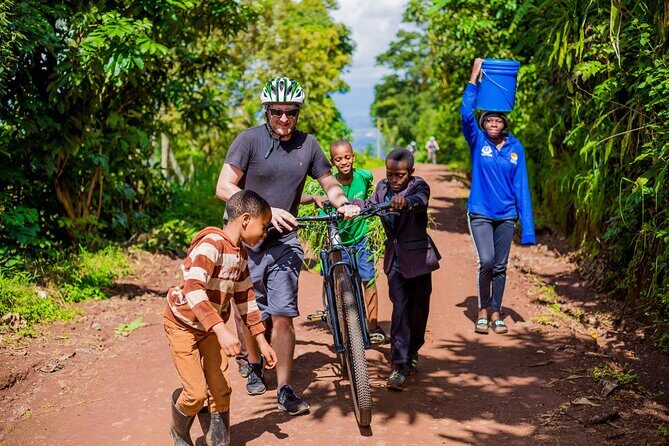
Once you reach Moshi, the tour shifts gears. Instead of forest and fields, you get town energy and local trade. A big highlight here is time around Mbuyuni Market and the fish market at Manyema, where you can see how daily buying works and what’s fresh.
You’ll also swing through historic city center features. The route includes an old railway station that feels stuck in time, plus Clock Town and stops connected to colonial-era architecture. There’s also a visit around notable religious landmarks, including a big Hindu temple, and time at the Mama Africa shop area.
I especially like town stops that don’t feel like a checklist. In this case, the market portion connects to the rural parts you saw earlier: food and farming aren’t separate topics. They’re linked. That makes the whole day feel more coherent, even when you’re simply browsing and watching people do their thing.
Cycling Toward Kilimanjaro Views: River Crossings and Old German-Era Churches
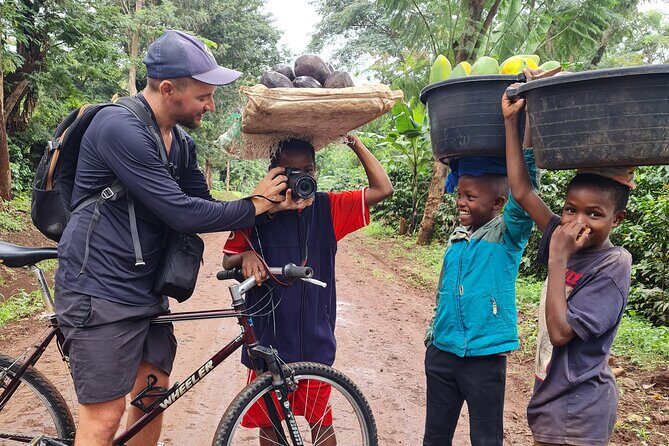
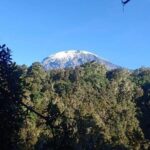
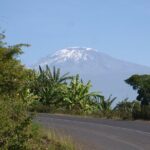
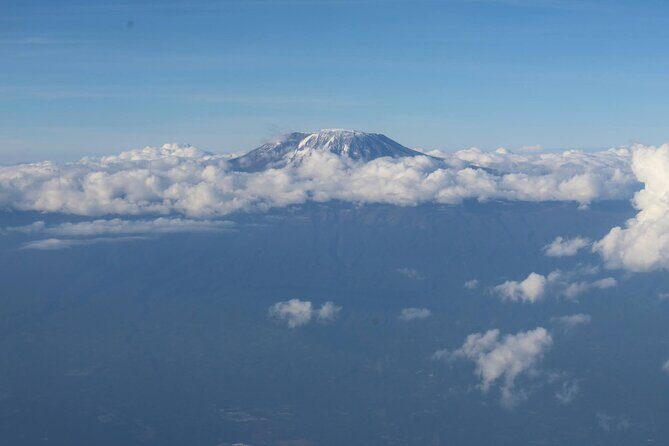
The Kilimanjaro-focused part of the day is built around distance views. This is the Kilimanjaro region where you can often see the mountain clearly because there aren’t lots of tall buildings or trees blocking sightlines in the countryside.
On this leg, you’ll ride through areas tied to rivers and plantations, including crossings along the Karanga River and the Rau river area, plus a section labeled around TPC sugarcane fields. As you ride, you’ll pass small villages, with houses, mosques, and large Lutheran churches built by Germany during the colonial period.
That last detail is more than trivia. It helps you understand why Moshi feels layered. You’re moving through a place shaped by different eras at once: everyday village life, farming work, and historic structures that still dominate the skyline in certain spots.
If the weather is clear, the views toward Kilimanjaro can be a real payoff at the end of the ride. If clouds roll in, you still get a strong countryside circuit, but expect the mountain to be less dramatic.
The Bike Ride Itself: What to Expect From the Terrain
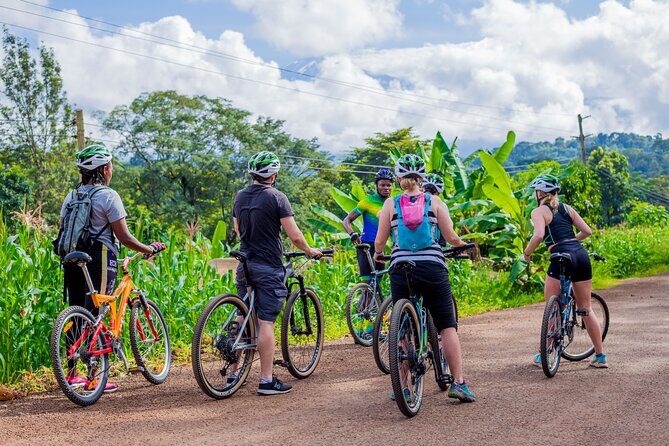
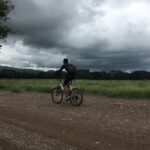
This is not a pavement-only spin. The day is a mix of paved roads and rough terrain, especially early on. That’s a big part of why it feels authentic—you’re not insulated from the route.
Based on the experience notes you can plan around:
- Bring patience. The pace is tied to safety, stops, and terrain.
- If knees are an issue, go slow. Bumpy sections can be the limiting factor, not distance.
- Wear practical footwear. You’ll want grip for uneven ground.
Even with these considerations, the tour is designed so that most travelers can participate. The catch is that you’ll get the best day if you’re okay with some uneven riding and you’re willing to slow down when the route demands it.
A few more Moshi tours and experiences worth a look
Lunch Break: What You’ll Eat and Why It Matters
Lunch is included, and it’s not just a token snack. You’ll get lunch boxes with soda and mineral water, or a traditional hot lunch at a restaurant.
This matters because you’ll likely work up an appetite. Also, it gives you a natural time to reset before the town portion or the final countryside views. One of the most praised aspects of the day is the lunch itself, described as delicious and satisfying after a ride.
If you’re the kind of person who needs a full meal to enjoy the second half, this tour is built for you.
Group Size and the Guide Factor (Alpha’s Role)
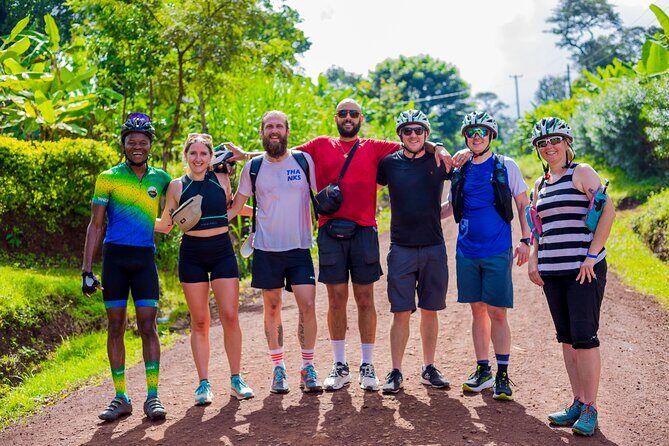
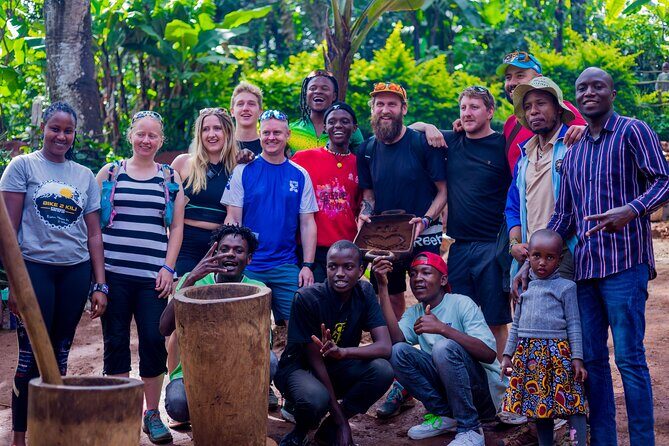
The group stays small—maximum of 20 travelers—which makes it easier for the guide to manage everyone on bumpy terrain and during wildlife spotting moments.
The other reason the day feels good is the guide. In the stories from the experience, Alpha comes up as careful, communicative, and focused on making sure you understand what you’re seeing: people, farming, and local culture along the route. That kind of context changes your ride from seeing places to understanding them.
If you like tours where you’re not just passed from stop to stop, this guide-led flow is a strong selling point.
Price, Value, and What’s Not Included
Here’s the value math that actually matters on the ground:
Included:
- Bicycle use
- Cycling guide
- Private transportation
- Lunch (either lunch boxes with drinks or a traditional hot lunch)
- All fees and taxes
- Admission ticket at the forest reserve stop
- Mobile ticket
Not included:
- Tipping
- Personal items
That tipping note is common in Tanzania, and it’s worth planning for. If you arrive with a rough budget, remember that the tour price covers the basics but tipping is separate.
For $50, the best part isn’t just the bike. It’s that the tour covers transport and food and keeps the day structured across multiple types of scenery—forest, farms, and town—without you having to hire or coordinate anything beyond showing up.
Practical Tips Before You Go (So You Enjoy It More)
A few planning notes based on what the day requires:
- Choose a relaxed mindset. This is about riding and looking, not racing.
- Pack for uneven ground. Comfortable shoes help more than you’d think.
- If your knees are sensitive, plan for slower riding. You might need to take extra care on bumpy stretches.
- Use the guide’s stories. Ask questions at stops—this tour gets better when you engage with the human side.
Also, the activity depends on weather. Good weather is required, and if conditions are poor, you’ll be offered a different date or a full refund. That’s important for a forest-and-countryside day where visibility and road conditions matter.
Should You Book This Moshi Villages Bike Tour?
Book it if you want a real working-day view of the Moshi area: forest reserve with monkey chances, sugarcane and rice fields, and markets plus historic town sights in one half-day format. It’s especially worth it if you like cycling that mixes scenery with local context, and if you appreciate a guide who watches out for safety.
Skip it or be cautious if:
- You have significant knee trouble or you absolutely hate bumpy roads.
- You want a fully paved, easy ride with minimal stops.
If you’re flexible and you like the idea of connecting farms, town markets, and Kilimanjaro-area landmarks, this is one of the best “how locals live” bike experiences around Moshi.