REVIEW · MOSHI
1 days Tanzania Sharing Joining group Safari – Ngorongoro Crater
Book on Viator →Operated by BEST Kilimanjaro CLIMB | HIKE | BIKE TREK | Tanzania Safaris from Moshi & Arusha · Bookable on Viator
Ngorongoro Crater makes one-day safaris feel legit. You get a classic Big 5 style day in a volcanic caldera where animals often seem concentrated, and the scenery keeps shifting as the vehicle drops into the crater.
I love that the schedule is simple and full: a morning game drive, a picnic-style lunch stop, then another drive before you head back. I also like that this is designed as a joining group safari, so you’re not paying solo prices for the same crater day. The main tradeoff is you’ll be in the car for a lot of the daylight—worth it, but not the kind of trip where you stretch out.
The crater is a “see it once, remember it forever” place. It’s known for surprisingly strong sightings in a single day, and you should plan your expectations around that: you’re going for big moments, not a slow, relaxed stroll. One possible drawback: you’ll be time-managed, with limited flexibility once the day starts rolling.
In This Review
- Key things I’d plan around before you go
- Ngorongoro Crater: why this one-day Big 5 style day works
- Moshi or Arusha pickup: the drive math that shapes your day
- Morning game drive: what you can realistically expect
- Lunch at a picnic site: why the timing actually helps
- Afternoon game drive: where the Big moments often show up
- The return to Arusha around 18:00: how to plan the rest of your trip
- Price and value: is $270 a fair deal for one day?
- Group joining safari: what the shared vehicle experience feels like
- What’s included (and what you’ll pay separately)
- Best-fit traveler: who this one-day Ngorongoro day actually suits
- Should you book this one-day Ngorongoro sharing safari?
- FAQ
- What day does this safari run?
- Where does the safari start?
- How long is the trip from Moshi or Arusha to Ngorongoro?
- What time does the safari start?
- What time do you arrive at Ngorongoro and when do the drives happen?
- What’s included in the price?
- What is not included?
- Is pickup included?
- Is it a group safari? How big is the group?
- What is the cancellation policy?
Key things I’d plan around before you go
- You’re starting from Moshi or Arusha, with park distances of 210 km from Moshi and 130 km from Arusha.
- A full day inside the crater zone, with drives in the morning, then again after a 13:00 lunch stop.
- Picnic lunch included, which keeps your day from turning into constant snack stops.
- Group safari format (max 100 travelers), usually meaning a shared Land Cruiser vibe rather than a private vehicle.
- Park fees, tips, and visas are not included, so you’ll want to budget for those extras early.
- Best for a quick Tanzania taste, especially if you’re short on time after Kilimanjaro or already on the Northern Circuit.
Ngorongoro Crater: why this one-day Big 5 style day works
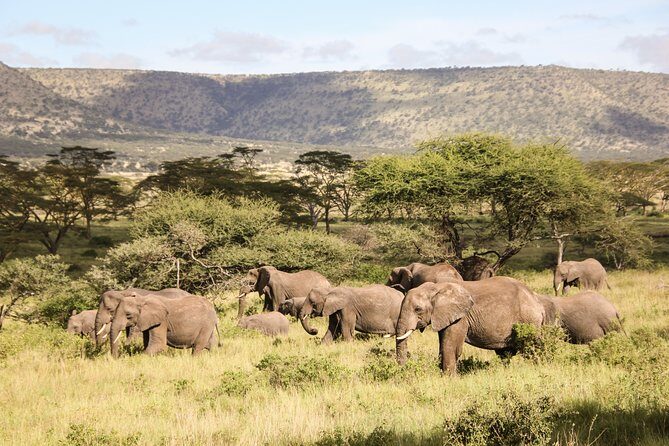
Ngorongoro National Park is famous because it feels like the “greatest hits” of safari in a single bowl of land. The crater itself is an ancient volcanic caldera, and that setting matters. As you move through the crater, you’re watching animals use different habitats that are all packed close together. In practical terms, this gives you a better chance of seeing a lot in a short time window—exactly what you want when you only have one day.
I also like how focused this trip is. You’re not spending the day bouncing between multiple parks with totally different ecosystems and travel days. Instead, the plan keeps you aimed at the crater’s best viewing blocks, with a morning drive and an afternoon drive that line up with when people usually spot the most activity.
The tradeoff is also clear: because the day is short, you’ll follow the schedule. You can’t treat this like a long safari vacation where you linger for that one perfect moment. If you’re the type who hates time constraints, you might prefer a multi-day option—but if you want a high-impact crater day with manageable logistics, this format makes sense.
A few more Moshi tours and experiences worth a look


Moshi or Arusha pickup: the drive math that shapes your day
This safari runs out of Moshi or Arusha, and the starting city changes your day before the first animal even appears. From Moshi, the distance to Ngorongoro is about 210 km. From Arusha, it’s shorter—around 130 km. That difference can affect when you arrive and how early your morning begins.
The day is set up with a morning departure and a late-morning arrival. The plan lists an early depart around 07:30 and an arrival around 10:00. At the same time, the activity start time is listed as 8:30 am. In real life, that usually translates into an early pickup window and a quick routing check before you roll. Either way, you should assume you’ll start early and be ready for a long morning in the vehicle.
Why this matters: a one-day safari lives or dies by timing. If you’re late to pickup or stuck in a morning delay, you can lose precious crater drive time. I’d rather you arrive with a bit of buffer than try to squeeze the day tight.
One more practical note: this provider offers pickup, and they use a mobile ticket. That usually means fewer paper hassles when you’re in a hurry.
Morning game drive: what you can realistically expect
Once you arrive at the park, the plan moves quickly into a game drive session. You’re looking at a late-morning crater experience where you have time for meaningful scanning, not just a quick drive-by. The schedule shows you arriving around 10:00 and proceeding on a game drive right away.
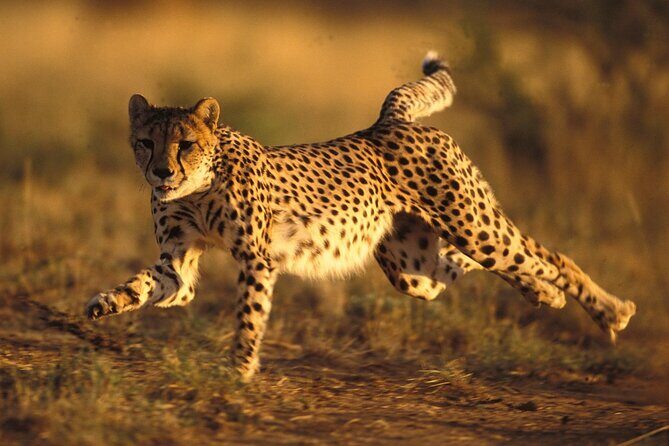
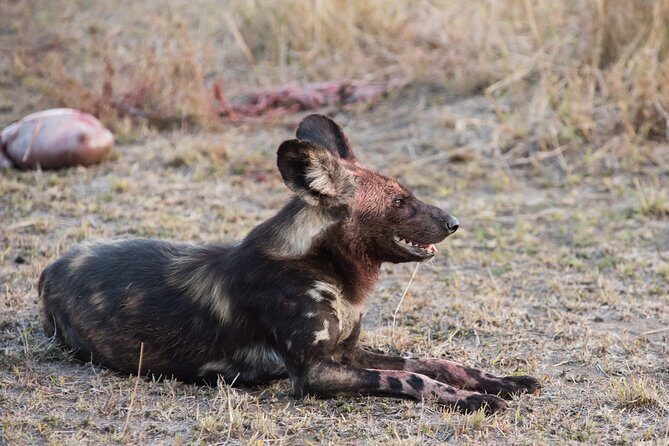
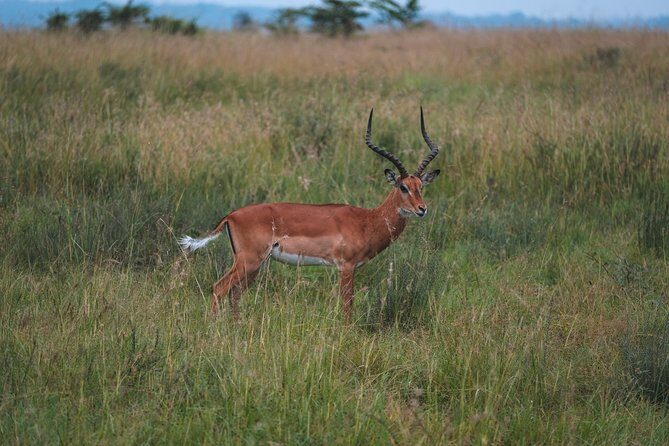
The sighting targets listed for the day give you a good idea of what the guides focus on:
- elephants
- dik dik
- leopards
- zebra
- giraffe
- ostrich
- and various birds
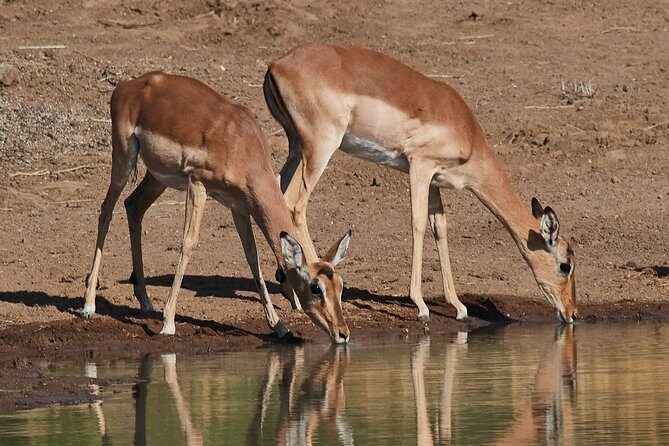
Here’s how I’d interpret that list for your expectations. Elephants and zebra are often easier to spot when conditions are right. Smaller antelope like dik dik can be trickier, because they’re compact and can blend into the habitat. Leopards are typically the “maybe” animal in any one-day plan, but Ngorongoro’s crater setting is one reason people keep putting this on their short list.
You’ll also learn something fast in the crater: animals don’t just wander randomly. They show up where food and water patterns and shelter lines up. Even in a single morning drive, your guide’s route choices can make a difference.
Lunch at a picnic site: why the timing actually helps
At around 13:00, you stop for lunch at a picnic site. Lunch isn’t just included—it’s timed to break up the long drive and give you a recharge before the afternoon session.
I like picnic-style lunch stops on safari for one simple reason: you get a real pause, not just a quick snack on the move. Breakfast and lunch are included on this day, so you’re less likely to end up hungry or spending the day hunting for food stops outside the plan.
The bigger benefit is mental too. After a morning of driving and scanning, most people start to feel the fatigue of constant watching. Lunch resets attention and keeps you ready for the second game drive, which is where many people pick up more sightings once they’ve settled into the crater rhythm.
Afternoon game drive: where the Big moments often show up
After lunch, the plan calls for another game drive. You depart the crater later in the day, around 16:00, then head back toward Arusha.
Why the afternoon portion matters in a one-day safari: the crater can change as the day progresses. Animals may move more or less depending on light, heat, and how they respond to activity on the ground. This is also a practical setup. The afternoon drive gives you a second chance at the harder-to-spot species without turning the day into an all-or-nothing gamble.
In a group safari setting, you also benefit from being with other people who are genuinely there to watch. Even when you’re in a shared vehicle, the energy tends to stay focused on sightings, and that can push everyone to keep scanning instead of zoning out.
One detail that stood out from how this type of group safari plays out: you may ride in a Land Cruiser with other participants who are doing longer options. That can be useful—if you hear what they’re paying attention to on a longer itinerary, it helps you know what to look for while you only have one day.


The return to Arusha around 18:00: how to plan the rest of your trip
Once you leave the crater around 16:00, you’ll drive back and arrive in Arusha around 18:00. From there, you get a transfer to your hotel or residence.
This is a big value point for anyone with an onward plan. You’re not stuck trying to find dinner near the park or scrambling through late-night transport. The timing is designed so you can get cleaned up and eat in a proper town setting.
If you’re combining this with Kilimanjaro, this matters even more. One real-life example from the provider’s service style: when Emmanuel helped someone who was already in Moshi after hiking Kilimanjaro, he worked to fit them into a tour and arranged a transfer onward to Arusha afterward. That kind of problem-solving is a strong sign when you’re trying to keep the chain of connections smooth.
Price and value: is $270 a fair deal for one day?
The price listed is $270.00 per person for a one-day safari. That’s not a tiny amount, so I’d judge the value by what you get: breakfast, lunch, game drive time, pickup, and the crater-focused routing.
What’s not included matters too:
- additional park fees
- tipping the crew
- visas
- flights
Because park fees and tipping aren’t included, your real total cost will be higher than the base price. But the structure still looks like good value if your main goal is a focused crater day without the hassle of planning routes, vehicle logistics, and day timing yourself.
Also consider that this tour is typically booked close to the start date; the average booking lead time is about 17 days. That can be a sign of how popular it is for people who want a quick hit of the Northern Circuit without waiting months. If you book early, you reduce stress; if you’re booking late, you still have a chance of fitting in because the day trips are clearly in demand.
Finally, group size can affect feel. The listing allows for a maximum of 100 travelers, but you’re still sharing vehicles, not cramming into one spot. You’ll feel the group vibe, but it shouldn’t prevent you from getting decent viewing.
Group joining safari: what the shared vehicle experience feels like
This is a sharing safari, and that shapes your expectations. The benefit is cost control: you’re paying for your spot, not for a private charter. You also get a built-in social layer—people talk during the drive, compare notes, and often help each other stay awake and alert.
The drawback is you don’t control the pace. Your guide and driver are working within the day’s timing window. If your group is quiet, you’ll still scan for animals; if your group is loud and excited, you might hear the same radios and exclamations over and over. That’s not a bad thing—it just means you should come with patience.
If you prefer a quiet, private experience, you might want to look at private options instead. But for most people, the shared format is the sweet spot for squeezing a meaningful crater day into limited time.
What’s included (and what you’ll pay separately)
Here’s the practical breakdown of what you’re covered for:
- Breakfast included
- Lunch included
- pickup offered
- mobile ticket
And what you should plan to cover on your own:
- additional park fees
- tipping the crew
- visas
- flights
I’d treat this like any safari budgeting exercise: assume the headline price is the base, then add whatever the park fee and your tipping choice comes to. If you already know your budget, you’ll feel calmer the day of the safari.
Also, you should pack for a long day. Even though only breakfast and lunch are included, you’ll still be out for hours driving and scanning. Bring a water bottle and some small snacks only if your day plan allows it where you’re traveling; the itinerary doesn’t list snacks beyond meals, so don’t assume you’ll get extras.
Best-fit traveler: who this one-day Ngorongoro day actually suits
This one-day crater safari is ideal if:
- you have limited time in Tanzania
- you’re using Moshi or Arusha as your base
- you want a classic Big 5 style day without multi-day planning
- you like structure and clear timing rather than flexible wandering
It also suits people who want a strong “Northern Circuit taste” after another adventure. The provider’s responsiveness came through in how they tried to accommodate a last-minute booking after someone finished hiking Kilimanjaro. That kind of can-we-make-it-happen attitude is exactly what you want if your schedule is packed.
If you’re traveling with kids or you’re very mobility-limited, the info says most travelers can participate. Still, you should think through long vehicle time and early starts.
Should you book this one-day Ngorongoro sharing safari?
If you’re short on days and you want the crater experience with breakfast + lunch included, I’d say this is a solid booking. The schedule is built for visibility: morning game drive, lunch break, afternoon drive, then a return to town around 18:00. That’s the kind of structure that makes a one-day safari feel worth the money.
Book it if:
- you’re excited by the idea of an ancient volcanic caldera and classic safari viewing
- you want Big 5 style odds in a single day
- you can handle a long day in the vehicle
Consider other options if:
- you hate time limits
- you want a more private, slow-paced safari experience
- you’re trying to avoid extra costs like park fees and tipping
FAQ
What day does this safari run?
It’s a 1-day Ngorongoro Crater safari.
Where does the safari start?
You depart from either Moshi or Arusha and then return to Arusha town later the same day.
How long is the trip from Moshi or Arusha to Ngorongoro?
The distance from Moshi is about 210 km, and from Arusha it’s about 130 km.
What time does the safari start?
The listed start time is 8:30 am.
What time do you arrive at Ngorongoro and when do the drives happen?
You’re set to arrive around 10:00, then do a game drive. Lunch is scheduled around 13:00, followed by another game drive, with departure from Ngorongoro around 16:00.
What’s included in the price?
The package includes breakfast and lunch, plus the safari day experience.
What is not included?
Flights, additional park fees, tipping the crew, and visas are not included.
Is pickup included?
Yes, pickup is offered.
Is it a group safari? How big is the group?
It’s a joining group safari, with a maximum of 100 travelers.
What is the cancellation policy?
You can cancel for a full refund up to 24 hours in advance of the experience start time.