REVIEW · MOSHI
7-Day Kilimanjaro Climb by Machame Route Private Guided Tour
Book on Viator →Operated by Tarry Adventures and Safaris · Bookable on Viator
That first step toward Kilimanjaro feels like a bold deadline. This 7-day Machame Route private guided tour is built for steady acclimatization, with the summit push on your sixth night and a return to Mweka Gate by day seven.
I like how the plan gives you real time on the mountain. You’re not rushed through the hardest days, and you get a classic sequence—Shira, Lava Tower, Barranco Wall, Barafu—so your body can adjust bit by bit. Another plus is the human side: the operator says it’s locally owned and licensed, and it emphasizes gear checks for both customers and staff before the trek.
One thing to think about: this is still a serious expedition. You’ll face long days, some dusty low-shade sections, and a midnight-to-2am start for summit night that tests both lungs and patience. Also, hiking gear isn’t included, so you’ll need to come prepared.
In This Review
- Quick highlights from this Machame Route climb
- Why the 7-Day Machame Route tends to suit serious climbers
- Day 1: Moshi pickup, Machame Gate registration, and rainforest hiking
- Day 2 to Shira Camp: steep, rocky, dusty, and low-shade
- Day 3: Lava Tower altitude test, lunch timing, and the push to Barranco
- Day 4: Barranco Wall and Karanga Valley, plus the route junction
- Day 5 to Barafu Camp: changing angles on the summit, early dinner, and real rest
- Summit night (Day 6): midnight-to-2am start, Stella Point sunrise, and the hardest stretch
- Day 7: Mweka Gate descent, knee risk, and how certificates work
- Price and value: what $2,300 includes (and what it doesn’t)
- The guide and porter setup: how you’ll feel during the climb
- Weather, timing, and who should consider this Machame plan
- Should you book this Machame Route private guided climb?
- FAQ
- Where does the climb start?
- How long is the trek?
- What route is this tour using?
- When do you summit?
- What is included in the price?
- Is hiking gear included?
- What are the main camps or key stops on the way?
- What happens if I reach different summit points?
- How long is the final hike back to the gate?
- What if weather is poor or plans change?
Quick highlights from this Machame Route climb
- 7 days on the mountain to support acclimatization (summit on the sixth night)
- Machame Gate to Shira to Lava Tower to Barranco Wall before heading to Barafu
- Stella Point sunrise with a stop around 5,700m during the summit push
- Admission tickets and most meals included (breakfast, lunch, dinner across the trek)
- Guides and porters are central to the experience, plus pre-trip gear inspection
- Certificates at Mweka Gate: green for Stella, gold for Uhuru
Why the 7-Day Machame Route tends to suit serious climbers
Kilimanjaro success is mostly about how your body handles altitude, and this itinerary leans into that. The operator’s own pitch is simple: the more days you spend on the mountain, the better your chances. That’s why the route stretches across seven days instead of a shorter squeeze.
The Machame path also has a reputation for being scenic and varied, and this schedule reflects that. You spend time transitioning through different terrain types: forest on day one, exposed heat on day two, rocky and dusty sections later, then glacier-near crater-rim terrain on summit night. That variety matters because it changes how your body works—some days test endurance, others test how you manage effort.
And since this is private guided, the pace can be managed to your group. That can matter on Kilimanjaro, where the difference between steady and reckless shows up quickly at altitude.
You can also read our reviews of more guided tours in Moshi
Day 1: Moshi pickup, Machame Gate registration, and rainforest hiking
You start in Moshi, with pickup offered from your hotel or nearby areas. The first drive takes you to Machame Gate for registration, and you meet the rest of your team—typically your cook and porters—before the hiking begins.
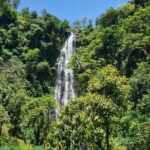
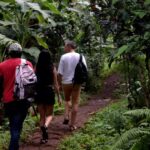
Day one is a rainforest start through the Machame gate area, taking about six hours to reach camp. Rainforest on Kilimanjaro isn’t just “pretty.” It often means cooler air, more humidity, and conditions that feel less harsh than the higher-exposed zones. You’re also getting your legs moving without the full wall of altitude pressure you’ll face later.
What I like here is the structure. You get set up with your crew, you get your first camp rhythm, and you’re not jumping straight into the steepest terrain. That helps you settle in before the days get tougher.
Day 2 to Shira Camp: steep, rocky, dusty, and low-shade
From Machame Camp you head toward Shira Camp. This is described as a short day, but it’s not an easy one: steep, rocky, and dusty. You’ll also get very little shade, which can turn a “short” day into a mentally demanding one.
This is where I’d focus on pacing and heat management. Dusty trails can be tough on breathing and visibility. The best tactic is to keep moving at a slow, consistent rhythm with frequent breaks—slow enough that you aren’t gasping, steady enough that you don’t freeze into exhaustion.
The itinerary notes it will be a slow but steady climb with a lot of breaks, and that’s what you want on day two. You’re building endurance while keeping altitude stress from stacking up.
Day 3: Lava Tower altitude test, lunch timing, and the push to Barranco
Day three turns interesting fast. You climb toward Lava Tower, with lunch around noon. There’s also an optional extra: you may climb up to Lava Tower at about 4,526m if conditions allow.
That optional step is more than a photo moment. At that height, you can start feeling altitude symptoms like mild headache. The tour plan flags this directly, so you’ll want to watch yourself closely. If you feel off, you don’t treat it like a badge—you treat it like information.
After the lunch area, you head down for about two hours to Barranco Camp through dusty and rocky trails. Down days can feel like a breather, but don’t assume they’re easy. Your body is still adjusting, and rocky descent can fatigue your legs fast.
By the time you reach Barranco Camp, you’re setting up for one of the route’s signature challenges: the next day’s Barranco Wall.
Day 4: Barranco Wall and Karanga Valley, plus the route junction
Day four is built around a steep ridge climb and the Barranco Wall—called out as adventurous—followed by hiking into the Karanga Valley. The schedule lists about four hours total.
This is the kind of day where footwork matters. Steep ridges can make your pace naturally slow, and that’s okay. If you feel pressure in your breathing, keep it calm. The goal is efficient movement, not speed.
Then you reach a junction that connects to the Mweka Trail. This “switch” matters because it’s the moment the route starts guiding you more directly toward the home stretch. It helps mentally too: you’re no longer in the exploratory middle. You’re working toward the summit night plan.
You can also read our reviews of more private tours in Moshi
Day 5 to Barafu Camp: changing angles on the summit, early dinner, and real rest
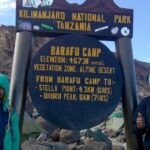
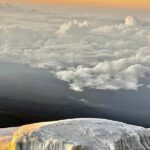
On day five you continue up toward Barafu Camp. The hike is about four hours, and the schedule highlights that the circuit gives you a variety of breathtaking views of the summit from different angles.
That’s not just scenic bragging. On Kilimanjaro, seeing where you’re going can help you mentally handle the coming summit hours. You’ll also start to understand why your sleep and preparation matter so much.
The plan calls for early dinner and then rest so you can prepare for summit night. This is where I pay attention to routine: warm layers, hydration, and knowing what you’ll need during the cold hours ahead. Even if you’ve packed everything, summit night punishes sloppy preparation.
If you’ve ever wondered why climbers obsess over timing, it’s because this part of the climb is about turning chaos into flow.
Summit night (Day 6): midnight-to-2am start, Stella Point sunrise, and the hardest stretch
Day six is your summit bid. The hike begins sometime between midnight and around 2am, with the aim of reaching the peak at sunrise. This is a grueling schedule, and it’s also one of the main reasons Kilimanjaro feels different from other hikes: you’re climbing in darkness, in cold, and often with a controlled but persistent fear factor.
The route takes you toward the summit between the Rebmann and Ratzel glaciers, then ascends northwesterly toward Stella Point on the crater rim. Stella Point is listed at around 5,700m, and you stop briefly there for rest.
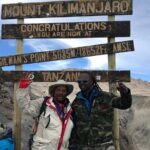
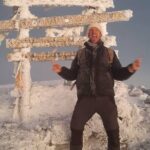
This is also where the tour promises the big reward: the sunrise, weather permitting. Even if you’ve seen sunrise photos before, the combination of altitude and crater-rim views tends to make it stick.
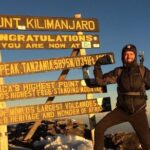
From Stella Point it’s about a one-hour ascend to the summit. Snow can appear along the way. Mentally, this is the portion described as the most challenging, both physically and psychologically. That’s not marketing—at that stage, your body starts negotiating with you: slow down, stop, quit, keep going. The difference is usually discipline.
Two practical reminders from the trip structure:
- You’re watching for altitude strain throughout the approach, not just at the top.
- You should expect the last push to feel longer than it sounds on paper.
Day 7: Mweka Gate descent, knee risk, and how certificates work
After an early breakfast, day seven brings the descent back to the park gate. It’s listed as about 4 to 6 hours, and the hike is described as scenic.
This is also where knee problems can appear. Descents often cause more wear than climbers expect, especially after several days of altitude and fatigue. If your knees are sensitive, plan for slower steps and more careful foot placement.
Once you reach Mweka Gate, you sign your name and details in a register. The tour also lays out the certificate system clearly:
- If you reached Stella Point (listed around 5,739m in the certificate line), you receive a green certificate.
- If you reached Uhuru Peak (around 5,895m), you receive a gold certificate.
The company also provides a completion medal.
One tip note that I appreciate: the tour strongly recommends not tipping porters until you and all your gear have safely reached the gate. That’s a safety-first mindset, and it prevents that rushed, last-minute chaos that can happen at the finish.
Price and value: what $2,300 includes (and what it doesn’t)
At $2,300 per person, this is a serious spend. Kilimanjaro costs add up quickly because you’re paying for park access, a whole team (guides, cook, porters), food, and logistics inside a protected area.
Here’s what you do get in the listed inclusions:
- Bottled water
- Breakfasts, lunches, and dinners across the trek (the plan lists 6 of each meal type)
- Admission tickets included
- Pickup offered (from Moshi or nearby)
And the experience is private, so you’re not sharing the team with strangers if that’s not what you want.
The part you must budget separately is hiking gear. The tour lists hiking gear and personal hiking equipment as not included. If you don’t already own decent boots, a warm layer, and rain protection, you’ll need to rent or buy before you go.
The operator also frames value around staff wellbeing. It says it inspects gear for customers and staff and emphasizes that staff are paid well, including guides and porters. The tour adds another value layer too: profits from climbs help send a child to school. Even if you don’t track every dollar, it signals a company trying to align incentives with responsible operations.
The guide and porter setup: how you’ll feel during the climb
This kind of climb is only as good as the people running it behind the scenes. The information here points to a locally run company with years of experience and licensed, certified staff.
In the reviews, a guide named Peter is specifically mentioned as helpful beyond the climb, including recommendations and day trips from Moshi. Another name that shows up is Jackson, who reportedly came to the hotel the day before the trek with the kit list. That kind of pre-trip check-in matters because it reduces last-minute scrambling and helps you show up better prepared.
Also, the tour emphasizes that it inspects gear for both customers and staff before the trip begins. That’s not a small detail. Poor boots, missing layers, or mismatched clothing turn a difficult trek into a miserable one.
This is also where the private setup can help. With a private group, your guides can focus on your pacing and your questions instead of juggling multiple groups.
Weather, timing, and who should consider this Machame plan
The tour notes it requires good weather. That matters on Kilimanjaro. Even when everything is ready, conditions can shape decisions. The plan also includes a free cancellation option and says if it’s canceled due to poor weather, you’ll get offered another date or a full refund.
Fitness-wise, the tour asks for strong physical fitness. The schedule includes long hiking hours on multiple days, rocky terrain, and a very early summit start. Even if you’re an active person, you’ll want to train for sustained uphill movement and for a descent that can beat up knees.
Timing matters too. The experience lists a start time of 12:00am, which lines up with the summit-night style schedule (midnight to around 2am for the summit bid). If you’re the type who struggles with early mornings or sleep disruption, plan for it now, not on day six.
Finally, remember this is private only your group participates. That can feel calmer and easier to coordinate, especially on a trip where you’re managing hydration, pacing, and recovery.
Should you book this Machame Route private guided climb?
If you want a Kilimanjaro plan that emphasizes acclimatization time, a classic Machame sequence, and clear summit-day expectations, this is a strong match. I’d especially consider it if you like structure: a predictable camp rhythm, a scheduled summit window, and defined certificate outcomes.
Book it if:
- You’re willing to train for sustained hikes and a midnight start.
- You want a private guided experience with a full support team.
- You value added safety touches like pre-trip gear inspection and clear porter-tip guidance at the gate.
Skip it or ask more questions first if:
- You’re missing key hiking gear and don’t want to arrange rentals or purchases.
- You’re worried about endurance. This climb is demanding even with a slower pace and breaks.
If you’re serious about giving yourself the best shot, this seven-day Machame itinerary is the kind of climb that respects the mountain’s rules.
FAQ
Where does the climb start?
The tour is based in Moshi, Tanzania. You’re picked up from your hotel in Moshi or surrounding areas and driven to Machame gate for registration.
How long is the trek?
It’s a 7-day climb (approx.).
What route is this tour using?
This is the Kilimanjaro Machame Route private guided tour.
When do you summit?
The plan targets the summit on the sixth night, with the climb starting between midnight and around 2am to reach the peak around sunrise.
What is included in the price?
Included items are bottled water, meals (breakfasts, lunches, and dinners), and admission tickets. Pickup is also offered.
Is hiking gear included?
No. Hiking gears and personal hiking equipment are not included.
What are the main camps or key stops on the way?
Key stops include Machame gate registration, Shira camp, Lava Tower area, Barranco camp, Barranco Wall and Karanga Valley, Barafu camp, and return to Mweka gate.
What happens if I reach different summit points?
At Mweka gate, certificates are issued based on altitude reached: a green certificate for reaching Stella Point and a gold certificate for reaching Uhuru Peak. A completion medal is also provided.
How long is the final hike back to the gate?
Day 7 is typically a 4 to 6 hour scenic hike back to the park gate (Mweka gate).
What if weather is poor or plans change?
The tour requires good weather. It offers free cancellation with a full refund if you cancel at least 24 hours before the experience starts. If canceled due to poor weather, you’ll be offered a different date or a full refund.