REVIEW · MOSHI
Explore 1 day Ngorongoro Crater Budget Group Safari from Arusha
Book on Viator →Operated by AFRICA NATURAL TOURS · Bookable on Viator
Ngorongoro is one of Africa’s most dramatic wildlife stages, and this budget group setup gets you there with smart timing and open-roof 4×4 viewing. I like that you get a professional English-speaking guide who helps you make sense of what you’re seeing, not just point at it. I also like the included meals and clean, purified drinking water that keep the day comfortable. One possible drawback: this is a shared jeep format, so you’ll need to be flexible with timing and group pace, especially around popular viewing spots.
In This Review
- Two days, one big wildlife focus
- Key things to know before you go
- Ngorongoro and Tarangire in one short safari plan
- Moshi or Arusha: how the trip actually starts
- Morning departure from Arusha and why sunrise timing matters
- Descent into Ngorongoro: the moment the crater changes everything
- Game drive + crater time: how to get better sightings
- Picnic lunch in the crater: yes, it’s worth it
- Black rhino and the Big Five: what to realistically hope for
- Food, water, and comfort: the value people don’t notice until later
- Group safari reality: what shared jeeps feel like
- Price and value: when $300 makes sense
- Who this safari suits best (and who should pass)
- Should you book this Ngorongoro crater budget safari?
- FAQ
- How much does the Ngorongoro safari cost?
- Where does the tour take place?
- How long is the safari?
- What time does the safari start?
- Is pickup included?
- What’s included in the price?
- What meals are included?
- Is there a ticket involved?
- What is not included?
- How big is the group?
Two days, one big wildlife focus
The trip is sold as a fast safari, but the plan runs over about two days, starting with a hotel meet-up and then a very early departure for the crater day. The route is described as including Tarangire as well as Ngorongoro, but the day-by-day outline you’ll follow here is centered on Ngorongoro—so I’d confirm exactly how Tarangire fits into your specific schedule when you book. If you’re the type who wants the crater experience without paying for a private vehicle, this is a solid value bet.
Key things to know before you go
- Early crater access means you’re descending and driving while animals are still active.
- Shared open-roof Land Cruiser keeps costs down and gives you better sightlines than enclosed seating.
- Included picnic lunch cuts out the need to hunt for food mid-drive.
- Ngorongoro’s black rhino potential is a big part of why this area draws crowds—ask your guide what’s realistic on your day.
- Big Five odds, explained in plain terms so you can understand behaviors, not just species names.
A few more Moshi tours and experiences worth a look


Ngorongoro and Tarangire in one short safari plan
If you’re planning a Tanzanian safari on a budget, you’re basically choosing between time and cost. This kind of short group safari aims to win on cost while still giving you a real wildlife day.
Ngorongoro Crater is a UNESCO World Heritage site, famous for dense animal sightings because the crater creates a natural funnel for grazing and movement. Tarangire National Park is known for elephants and big herds, so in theory, combining both parks gives you a wider “animal mix” than a single location.
Here’s the practical catch: the detailed schedule you follow on the ground is focused on Ngorongoro on the main safari day. Since Tarangire is mentioned in the overall tour description, I’d treat it as part of what you’re buying and confirm how it’s handled for your exact departure date. That small step can save you from disappointment.
Moshi or Arusha: how the trip actually starts
This safari is based around Moshi, but you’ll be involved with Arusha timing on the crater day. Expect a mix of hotel pick-up on request and an early-morning departure.
Day 1 is intentionally light. You’ll be guided to your hotel and given time to settle in—useful if you’re flying in around Kilimanjaro International Airport. Then, you’ll meet your guide and group for the shared safari ride the next day.
This “warm-up” day matters more than it sounds. A crater safari is a long day with lots of standing, scanning, and picture-taking. Starting fresh beats trying to do it directly off a late arrival.
Morning departure from Arusha and why sunrise timing matters
On the main day, you’re looking at an early start from Arusha, with the plan showing a very early departure (it lists 6:00 AM) and a 7:00 AM start time for the experience. Either way, your day begins before the sun gets too high.
Why does that matter? Because Ngorongoro’s animals tend to be more active earlier. You also want light for viewing and photography, especially when you’re driving down into the crater. The early start also helps you beat crowds at key observation areas.
Also, bring patience. Early departures are never glamorous. But when the crater wakes up and you’re descending into that huge bowl of wildlife, the payoff is real.
Descent into Ngorongoro: the moment the crater changes everything
You arrive at the Ngorongoro Conservation Area and begin the descent into the crater. This is the part many people remember most: the air, the scale, and the sudden shift from open plains to a natural theater below.
You’ll descend with views and go straight into game-drive mode. The goal is simple—find animals while they’re moving and while visibility is good.
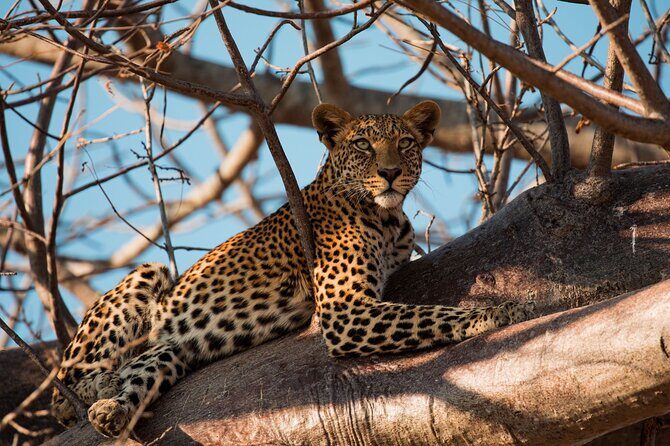
The tour notes that you can see Big Five animals: elephants, rhinos, lions, leopards, and buffalo. In real life, you won’t control which animals appear on your specific day. But the structure of the drive is designed to put you in the right place at the right time, with a guide who can interpret what you’re seeing.
One more practical thing: the crater can feel cool early, then warmer once the day builds. Dress in layers so you’re not stuck sweating or shivering in your vehicle.
A few more Moshi tours and experiences worth a look


Game drive + crater time: how to get better sightings
After the descent, you’ll do a game drive and then enjoy a picnic lunch. The day continues with afternoon exploration and more driving time to watch animal behavior.
This schedule is built around two ideas:
- Morning sightings tend to be more active.
- Afternoon drives are for behavior and feeding patterns—the things you don’t always notice at first glance.
If you want to maximize what you see, this is where your guide’s skill matters. The tour includes a professional English-speaking guide, and the best part of hiring a good one is learning to read animal behavior: whether animals are alert, feeding, moving between grazing patches, or pausing to watch predators.
Even when a rare sighting doesn’t happen, you can still have a great safari day by understanding what you’re looking at. This is especially true in Ngorongoro, where the concentration of animals means there’s always something happening nearby.
Picnic lunch in the crater: yes, it’s worth it
The tour includes a picnic lunch around midday (the plan lists it at 12:30 PM). Having lunch handled for you does a lot more than save time. It keeps the day from turning into a logistical headache.
You’ll eat at a scenic spot while you’re still in safari mode. That means you don’t lose the rhythm of the drive and you get time to relax without needing to search for a restaurant or wait for a long break.
The tour also notes clean and purified drinking water, plus large portions of fresh healthy food. That’s the kind of detail that keeps you feeling good on a long day of driving, sun exposure, and constant scanning.
If you’re the type who gets hungry fast in the vehicle, included meals are a real value. You’re not stuck paying extra for snacks that don’t always match the energy you’ll need later.
Black rhino and the Big Five: what to realistically hope for
Ngorongoro is one of the best places in Tanzania to think about rhinos, including the highly endangered black rhino. That doesn’t mean you’ll definitely see one. But the crater’s reputation is part of what draws people here in the first place.
The tour promise also includes the Big Five concept, which is both exciting and a reminder to stay flexible. Lions, leopards, and elephants can show up in surprising ways, but timing and animal movement control a lot.
My practical advice: treat every sighting as a mini-win. A “not the Big Five” day in Ngorongoro can still be extraordinary because the area is full of animals at once. The real goal is spending quality hours in prime habitat with a guide who can help you spot and interpret what’s there.
Food, water, and comfort: the value people don’t notice until later
Many budget safaris sell you the vehicle and the parks, but what makes or breaks the day is comfort basics. Here, the inclusions are the kind that matter:
- Lunch included (so you avoid mid-drive scramble)
- Fresh healthy food in large portions
- Purified drinking water
- A briefing before you start
Open-roof Land Cruisers can be awesome for viewing, but they also mean you’re more exposed to weather. Purified water and good food help you handle that exposure better—especially if you’re traveling from a city or from altitude.
And yes, you’ll probably want to grab a few snacks too. The tour includes meals, but it never hurts to carry a small personal stash like a light snack bar for long stretches when you want it.
Group safari reality: what shared jeeps feel like
This is a budget-sharing group safari, which usually means:
- You’ll be in a shared safari jeep
- You’ll follow a group plan when locating animals
- You’ll need to be comfortable with a slightly less private pace
Group format can be a positive. You’ll meet people, share the excitement, and often get quick consensus on what you’re seeing. You also benefit from economies of scale—this is how you can experience a crater safari without private-vehicle pricing.
The drawback is simple: you don’t control everything. Sometimes the best viewing spot won’t be your exact favorite. Sometimes you’ll wait for the vehicle line to reposition. The best way to handle that is to bring a calm attitude and treat each drive as a moving game of patience.
Price and value: when $300 makes sense
At $300 per person, this safari is positioned as a budget option. The value comes from what’s included rather than what’s optional.
You’re paying for:
- Transport in a 4×4 Land Cruiser with open roof
- Professional English-speaking guide
- Meals (lunch included, and dinner is referenced in the overall highlights)
- Clean purified water
- Briefing
- Safari certificate
- A certificate item that makes the trip feel official
What’s not included is also part of the math. Airport transfers for Kilimanjaro aren’t included, and tips for guide and chef are on you. Flights and travel insurance are also separate.
So when does this price make sense? If you:
- want a high-impact wildlife day without private safari costs,
- are okay with shared vehicle logistics,
- don’t need a luxury lodge experience bundled in.
When it doesn’t make sense is if you need every transfer included, or you want a fully private route with total schedule control. In that case, you’d usually pay more for the flexibility.
Who this safari suits best (and who should pass)
This works especially well for you if you:
- want an early crater day with a guide who helps you understand what you’re seeing,
- like the idea of a shared jeep to keep costs down,
- want included food and purified water so you can focus on the animals.
It may not be ideal if you:
- hate waiting for repositioning in wildlife areas,
- want a strictly customized route every hour,
- need all transfers (especially airport pickup and drop-off) included.
Also, the group size cap is listed as a maximum of 90 travelers. In practice, you still ride in a single jeep, but that cap tells you this is designed to move a lot of people through on different schedules. Expect organized group logistics, not a quiet, solo experience.
Should you book this Ngorongoro crater budget safari?
I’d book it if your main goal is a crater-based wildlife day that feels real, with guided interpretation, included food and water, and a shared-vehicle budget that doesn’t blow up your Tanzania trip.
I’d pause and confirm details if you care deeply about Tarangire being included in your exact itinerary, because the plan description mentions it but the day-by-day outline focuses on Ngorongoro on the main safari day. A quick message to Africa Natural Tours can clarify whether Tarangire is actually part of your route on your dates.
If you want a practical safari that gets you into Ngorongoro Conservation Area early, with a guide who helps you read the scene, this is a strong option.
FAQ
How much does the Ngorongoro safari cost?
The price listed is $300.00 per person.
Where does the tour take place?
It’s based around Moshi, Tanzania, with pickup on request and a safari day involving the Arusha departure.
How long is the safari?
The duration is listed as approximately 2 days.
What time does the safari start?
The experience start time is listed as 7:00 am, and the day plan also shows an early morning departure from Arusha around 6:00 am.
Is pickup included?
Pickup is offered. Hotel pick-ups are available on request. Kilimanjaro Airport pickup and drop-off are not included.
What’s included in the price?
Included items are lunch, transport in a 4×4 Land Cruiser with open roof, a professional English-speaking guide, fresh healthy food, clean purified drinking water, briefing, and a safari certificate.
What meals are included?
Lunch is included, and the highlights also mention breakfast and dinner as included.
Is there a ticket involved?
You’ll have a mobile ticket, and the itinerary notes admission ticket free.
What is not included?
Not included: Kilimanjaro Airport pickup and drop-off, tips for guide and chef, hotels accommodations after the safari, flights (domestic and international), and medical insurance.
How big is the group?
The tour/activity lists a maximum of 90 travelers.