REVIEW · MOSHI
Kilimanjaro climb, Lemosho Route (6-day)
Book on Viator →Operated by Altezza Travel · Bookable on Viator
Mt. Kilimanjaro is a big ask. This Lemosho Route plan adds structure, safety, and comfort so you can focus on walking smart at altitude. I like that the crew is built for real mountain work, not just big talk.
Two things I especially like: the guides are certified Wilderness First Responders, and you get medical checkups plus oxygen tanks and oximeters during the climb. You also don’t have to worry about camp basics—tents are mountain-ready (North Face VE-25), and camp setup is handled for you with group dining gear.
One drawback to weigh: the route is physically demanding, and even with the best pace, the high-altitude part is still the hard part—especially on the night summit and during descent.
In This Review
- Key highlights to know before you book
- Why the Lemosho route makes acclimatization feel doable
- Day 1 in Moshi: airport pickup and a comfy briefing night
- Entering Kilimanjaro National Park at Londorossi Gate (Day 2)
- Shira 2 to Lava Tower, then Barranco Camp (Day 3)
- Barranco Wall early, then Karanga and an acclimatization hop (Day 4)
- Barafu Summit Camp and the Kosovo acclimatization loop (Day 5)
- Summit night up to Uhuru Peak, then descent to Millennium Camp (Day 6)
- Day 7: Mweka Gate exit through rainforest relief
- Day 8: one hotel morning and a clean flight exit
- Price and logistics: what $3,034 per person really buys
- Safety on Kilimanjaro isn’t a slogan here
- Camp life: tents, meals, and the stuff you should not carry
- Fitness level: what moderate means on this route
- Who this six-day Lemosho climb suits best
- Should you book this Altezza Lemosho 6-day climb?
- FAQ
- Is Kilimanjaro National Park entrance fee included?
- What medical support do you get on the trek?
- Does the price include airport transfers in Tanzania?
- What meals are included, and can you handle dietary needs?
- Do I need to bring my own hiking gear like boots and a sleeping bag?
- Is the climb private or shared with other groups?
Key highlights to know before you book
- Wilderness First Responder guides: safety training that matters when altitude gets weird.
- Oxygen + oximeters + medical kits: you’re not guessing if someone needs attention.
- National Park fees included: less surprise budgeting once you’re in Tanzania.
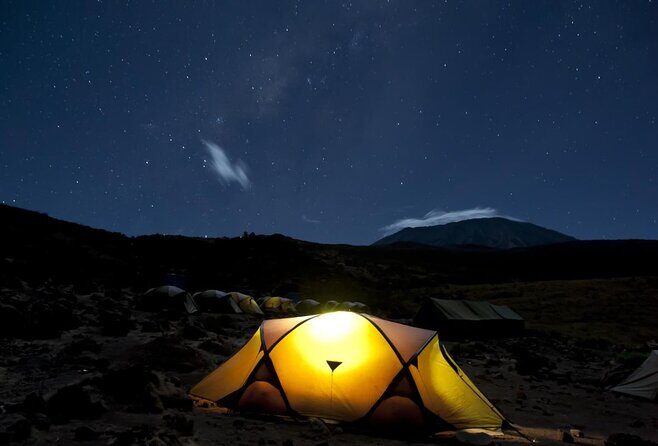
- Tents and camp comfort built for the mountain: North Face VE-25 tents and sleeping pads; crew manages setup.
- Dietary options: vegetarian, vegan, lactose-free, gluten-free, halal, and more.
- Personal guiding on summit night: each pair gets close monitoring for the ascent.
Why the Lemosho route makes acclimatization feel doable
The Lemosho Route is popular because it gives your body a chance to adapt before you jump into the highest elevations. The pacing pattern matters on Kilimanjaro, and this route is designed around staged altitude gains, time for adjustment, and smart rest days.
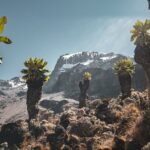
You’ll also get a wide swing of climates as you climb—starting with higher plateau walking, then moving through colder high camps where you’ll feel the temperature drop hard at night. That range is one reason Lemosho is a solid choice if you want variety without rushing.
The biggest “value” here is what you don’t have to manage yourself: the guides steer your pace, schedule acclimatization breaks (like the time spent around Lava Tower), and keep you moving with a plan.
A few more Moshi tours and experiences worth a look
Day 1 in Moshi: airport pickup and a comfy briefing night
Your trip starts with an airport pickup at Kilimanjaro International Airport (JRO), followed by a transfer to your hotel in Moshi. On arrival day, you’re given time to check in (check-in starts at 2:00 PM) and settle before the group briefing.
This matters more than people expect. A good night’s sleep with hot water, internet, and a pool helps you show up fresh for the next day’s drive into the park. It also lets you ask questions before your first steps at altitude.
Entering Kilimanjaro National Park at Londorossi Gate (Day 2)
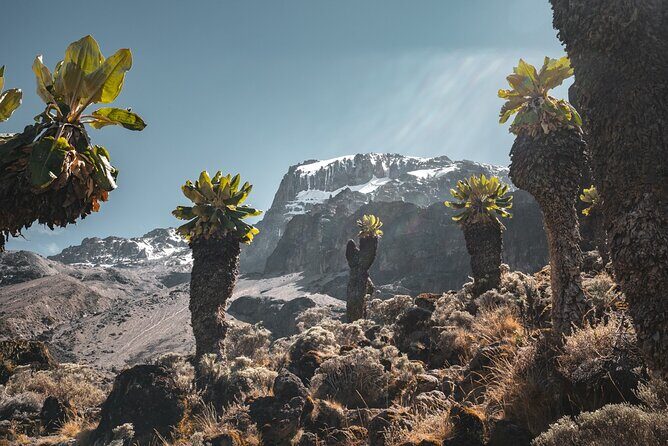
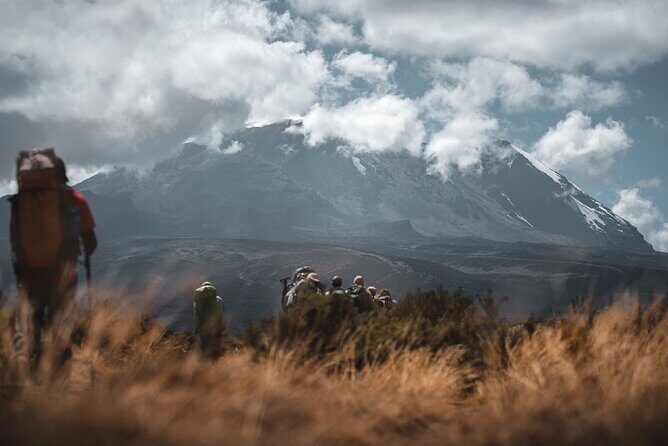
Day 2 is all about crossing from “on the ground” Tanzania into Kilimanjaro country. You’ll travel by vehicle to the western entrance at Londorossi Gate (2,200 m), handle permits and registration, then get dropped off for the climb toward Shira 2 Camp.
From your drop-off area, the first big payoff is the Shira Plateau views. But the real point is physical: the route sets you up for a moderate gain so you can begin acclimatization without burning your legs on Day 2.
If you’re the type who likes to measure effort, this is where you’ll feel the difference between “walking” and “effort.” Take it easy. The guides will.
Shira 2 to Lava Tower, then Barranco Camp (Day 3)
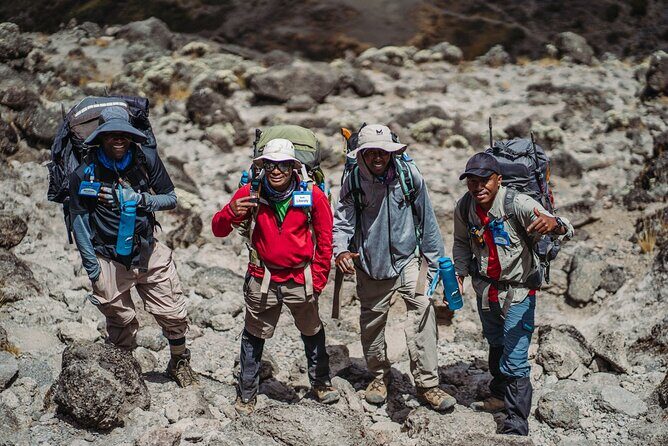
Day 3 pushes you into one of the route’s key acclimatization moments: Lava Tower (4,630 m). After leaving Shira 2 Camp (3,900 m), you’ll hike with plenty of ups and downs, then spend at least 1–2 hours in the area to help your body adjust before going even higher.
This is one of the best “smart choices” of the whole route. That stop isn’t just for scenery—it’s a built-in altitude lesson. You’re training your system to cope, not just chasing the next camp.
After lunch, you descend to Barranco Camp (3,960 m) and set up for tomorrow’s Barranco Wall. The Wall itself is famous for a reason: it looks steep and dramatic from camp, but you’re not left to figure it out blindly. The next day’s approach is guided and should feel manageable if you keep a steady pace.
Barranco Wall early, then Karanga and an acclimatization hop (Day 4)
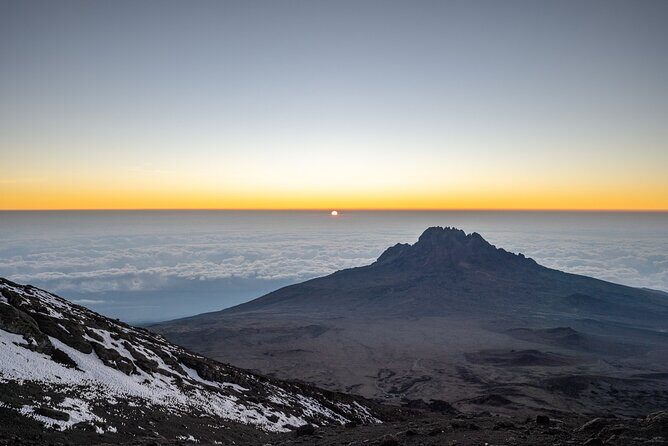
Start early on Day 4. You’ll climb Barranco Wall in about an hour, and doing it early helps you avoid crowds on the approach. It’s also a good time for photos in front of the Kibo volcano backdrop after you finish the gorge wall section.
Then comes the grind: the hike to Karanga Camp includes multiple ascents and descents. The guides matter here because they choose an optimal pace for the group—so the day doesn’t turn into a race where the slowest person gets blamed.
Once you reach camp, you’ll get warm lunch and then do a short acclimatization hike in the direction of the Barafu area. That’s a pattern you’ll appreciate later: you keep adjusting without going fully “all in” until the summit window.
Barafu Summit Camp and the Kosovo acclimatization loop (Day 5)
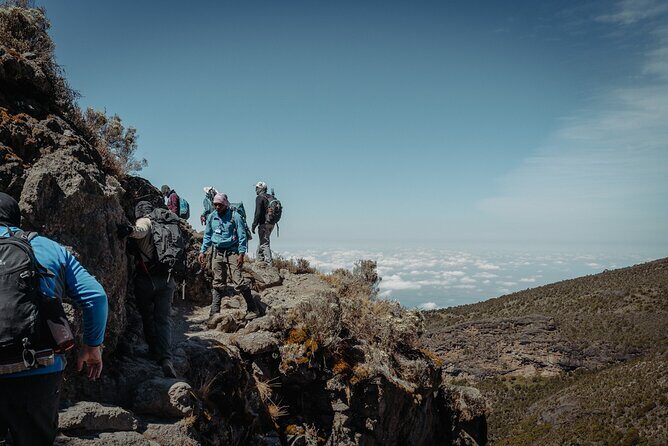
Day 5 is when the trip shifts from daytime trekking to summit preparation. You’ll head up to Barafu Summit Camp (4,640 m), the staging point for the night summit attempt.
One practical advantage here is camp setup. The team sets up your tent and sleeping bags ahead of time so you can relax. That reduces stress at exactly the moment when you’d rather conserve energy and sleep when you can.
Before the summit night, you’ll do an acclimatization hike toward the Kosovo Summit Camp (4,800 m) and then return to Barafu. It’s a short, targeted push to help your body handle the jump toward Uhuru Peak.
Then you eat a hot dinner and rest. This is the day where your planning habits pay off: if you’ve managed your effort well, sleep and recovery feel possible.
Summit night up to Uhuru Peak, then descent to Millennium Camp (Day 6)
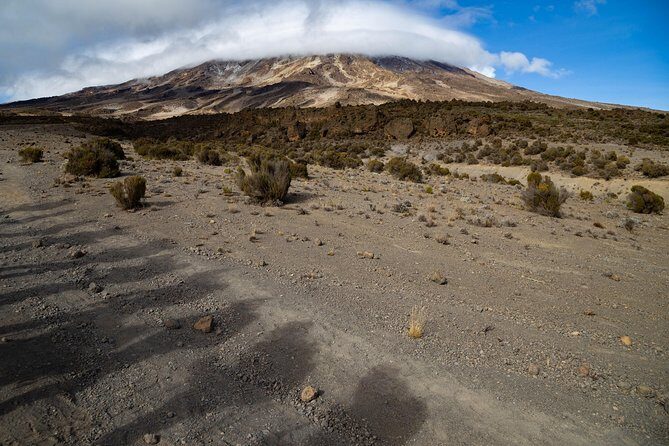
Summit night starts from Barafu Camp at night. The climb to Uhuru Peak (5,895 m) is described as technically simple, but the hard part is altitude. Simple steps don’t mean easy breathing.
This is where the guide structure helps: each pair of climbers gets a personal guide to monitor physical and mental conditions for the entire ascent. That kind of attention is what you want when you can’t rely on “I feel fine” as a metric.
If you reach the summit, you’ll have options for a short descent toward the nearest glacier if desired. Then you return to Barafu for rest (about two hours) before continuing down to Millennium Camp (3,820 m).
And here’s the reality check: descent is where most accidents happen. The guidance you’ll receive is blunt for a reason—about 90% of accidents occur during descent, including broken arms and legs. So your best move is simple: careful footing, steady rhythm, and no hero steps when your legs get tired.
Day 7: Mweka Gate exit through rainforest relief
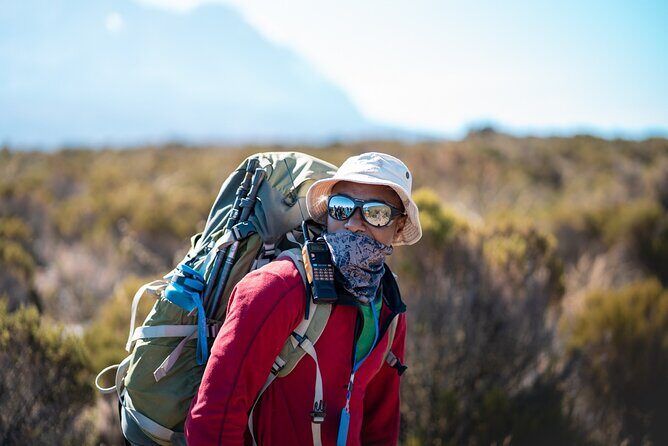
Day 7 starts with a huge mental shift. Your camp sits in a tropical rainforest, and when you wake up after the summit night, the feeling is relief from altitude rather than relief from effort.
You’ll hike to the exit at Mweka Gate (1,640 m), with about 12 km of walking that usually takes 4–5 hours. It’s a long walk, but it’s more forgiving than the earlier high sections.
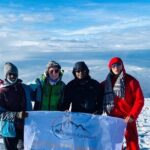
Once you reach the gate, the group gathers to congratulate each other, then there’s time for a guestbook-style reflection. You’ll also receive commemorative certificates and then get transferred back to your hotel.
Day 8: one hotel morning and a clean flight exit
On Day 8, you’ll check out from the hotel (check-out is at 11:00 AM). If you have an evening flight, there’s an option to extend your hotel stay for a fee—so you don’t have to hang around town with your gear and no plan.
This final day is meant to be low-stress. You rest, handle airport timing, and leave Tanzania with your summit story without needing to add extra logistics.
Price and logistics: what $3,034 per person really buys
At $3,034 per person, you’re not just paying for “a guide and a trail.” You’re paying for a whole mountain operation with real costs baked in.
Here’s what stands out as value in the included package:
- Pickup and drop-off at JRO, plus all ground transportation.
- Park fees collected by the operator.
- Two nights in the Aishi Machame Hotel (double occupancy; solo has a different arrangement).
- Mountain camping gear you don’t have to haul: North Face VE-25 tents, sleeping pads, and group camp items.
- Meals: three a day during the climbing period, with dietary options like vegetarian, vegan, lactose-free, gluten-free, and halal.
- Certified Wilderness First Responder guides, plus medical checkups and emergency gear (oxygen tanks, oximeters, medical kits).
What’s not included (so budget it early): flights to Tanzania, visa fees, personal hiking gear (including boots and sleeping bag, though hiring may be available), insurance, and optional tipping.
When you look at the total picture, the price feels more reasonable because so many expensive-on-the-ground items are already covered. If you try to piece together a Kilimanjaro climb yourself, those costs add up fast.
Safety on Kilimanjaro isn’t a slogan here
The safety setup is one of the most reassuring parts of this climb. The guides are certified Wilderness First Responders, and you get medical checkups during the trek. That means altitude issues are handled with a practiced process, not just “wait and see.”
You also have oxygen tanks and oximeters, plus medical kits. Oximeters matter because altitude problems can progress quickly, and objective readings help the crew make decisions fast.
From the way the operation runs day to day, you’ll also feel an approach that treats routine seriously—warm meals, clean camp organization, and gear readiness. In real feedback, many climbers praised how everything was set up at camp and how safety stayed the priority even when the day got tough.
Still, no one can remove risk from a high-altitude climb. Your job stays the same: hike within the pace you’re given, speak up early if you feel off, and take the descent instructions seriously. That’s not fear. That’s smart.
Camp life: tents, meals, and the stuff you should not carry
Camp comfort on Kilimanjaro can be the difference between tolerating altitude and suffering through it. This package takes a lot of weight off your shoulders by including mountain-ready tents (North Face VE-25) and sleeping pads, plus group dining gear.
Food is handled in a structured way too: you get three meals a day with choices for different diets. That’s a big deal when you’re burning energy and your appetite is unpredictable. You’re less likely to get stuck eating the one meal that doesn’t work for your stomach.
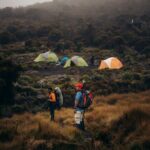
A nice operational touch: the crew includes porters, camp masters, and cooks. That means you’re not juggling camp setup when you should be resting or focusing on hydration.
Fitness level: what moderate means on this route
The operator frames this trek for people with a moderate physical fitness level. That doesn’t mean easy. It means the plan is structured so you can succeed if you can keep a steady hiking rhythm for multiple days.
The practical reality is this:
- You’ll hike a lot of time each day.
- There are climbs and descents even on “acclimatization” days.
- Summit night is long and demands stamina and calm focus.
If you’re training now, aim for consistency over intensity. Long walks at a steady pace are your friend. And practice hiking with your actual boots and socks so you don’t arrive to Kilimanjaro with surprise blisters.
Also plan for temperature swings. Even when the day feels warm, nights at high camp can get cold fast.
Who this six-day Lemosho climb suits best
This is a strong fit if you:
- Want a route known for acclimatization timing rather than a straight shot for speed.
- Prefer a safety-forward operation with medical capability and oxygen support.
- Want a professionally run experience where porters and cooks handle heavy lifting at camp.
- Are okay with a demanding climb that includes a night summit and a careful descent.
It may be less ideal if you’re looking for a casual walk with lots of downtime. Kilimanjaro is still Kilimanjaro. Even with strong support, you’ll earn every altitude gain with effort.
Should you book this Altezza Lemosho 6-day climb?
I’d recommend booking this if you care about safety systems, predictable camp operations, and a route plan that respects acclimatization. The included package hits the big needs: guides trained for emergencies, oxygen readiness, park fees included, and meals that keep you fueled.
I would think twice only if you don’t want to handle the physical demands. The route is built for people who can keep moving through steep days and long nights.
FAQ
Is Kilimanjaro National Park entrance fee included?
Yes. All fees collected by Kilimanjaro National Park are included in the price.
What medical support do you get on the trek?
You get medical checkups during the hiking tour. The operator also provides oxygen tanks and oximeters, along with medical kits. Guides are certified Wilderness First Responders.
Does the price include airport transfers in Tanzania?
Yes. There is pickup and drop-off at Kilimanjaro International Airport (JRO), plus all ground transportation.
What meals are included, and can you handle dietary needs?
The climb includes three energy-rich meals a day, with options for vegetarian, vegan, lactose-free, gluten-free, halal, and other meal plans. Drinks like tea, coffee, juices, and soda are also included.
Do I need to bring my own hiking gear like boots and a sleeping bag?
Personal equipment and gear are not included, including items like your hiking outfit, boots, and sleeping bag. The info also says some gear may be available for hire.
Is the climb private or shared with other groups?
This is private. Only your group will participate in the experience.
If you want, tell me your hiking experience level and your target travel month. I can help you sanity-check whether 6 days on the mountain feels realistic and what to focus on for training and packing.