REVIEW · MOSHI
Kilimanjaro climb, Machame Route (7-day)
Book on Viator →Operated by Altezza Travel · Bookable on Viator
Kilimanjaro tests you, then rewards you. This Machame Route 7-day climb from Moshi pairs altitude acclimatization with a full support crew, so you can focus on walking, breathing, and getting to Uhuru Peak.
What I like most is the way the plan builds in time to adjust, including high points like Shira Camp and the Lava Tower area, instead of rushing straight upward. I also like that safety is treated like real work: Wilderness First Responder-certified guides, plus oxygen tanks and oximeters in the support setup.
One thing to consider: the schedule is demanding, especially the nights and the descent, which is where most injuries tend to happen. Also, you’ll need to budget for personal gear, tips, and meals outside the trek that aren’t included.
In This Review
- Key things to know before you go
- Kilimanjaro on the Machame Route: why this 7-day rhythm works
- Arrival day in Moshi: airport pickup, briefing, and the Aishi Machame Hotel reset
- Day 1 to Day 3: Machame Gate, rainforest trekking, and the first big altitude steps
- Day 4 to Day 5: Lava Tower acclimatization, Barranco Wall, and Karanga’s ups and downs
- Day 6 and Day 7: Barafu setup, night summit logistics, and the descent you must respect
- Day 8 and Day 9: Mweka Gate exit, certificates, hotel recovery, and airport transfer
- Guides, crew, and safety gear: what you’re really paying for
- Food on Kilimanjaro: nutritious meals, dietary options, and why it affects your summit chances
- Price and value: is $3,377 per person actually fair?
- Who should book this Machame 7-day climb (and who might think twice)
- Should you book this Kilimanjaro Machame 7-day experience?
- FAQ
- What route is this climb on?
- Where does the tour start and end?
- What’s included in the price?
- Are dietary needs handled?
- Do you provide oxygen and medical supplies?
- What is the hotel like before and after the trek?
- What personal gear do I need to bring?
- Is this a private group or shared tour?
- What if I need to cancel?
Key things to know before you go
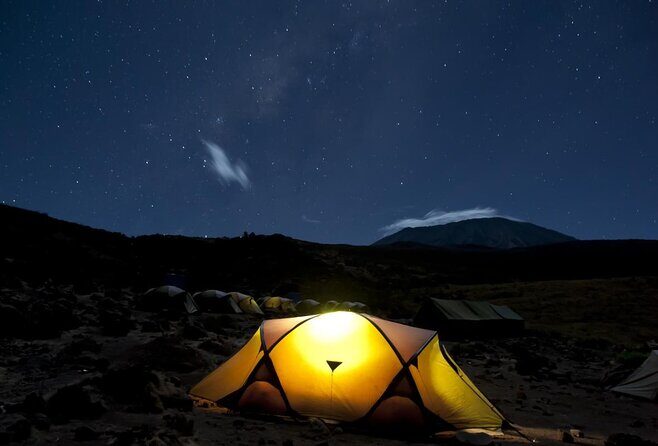
- Machame itinerary designed for acclimatization with camp hops that help your body adjust to altitude
- First aid readiness: guides are certified Wilderness First Responder, with medical check-ups and equipment on hand
- Oxygen and monitoring are included (oxygen tanks and oximeters), which matters when altitude hits hard
- Meals are properly planned with multiple dietary options, plus drinks during the trek
- You’re not carrying camp logistics: porters, camp masters, and cooks handle setup and food
Kilimanjaro on the Machame Route: why this 7-day rhythm works
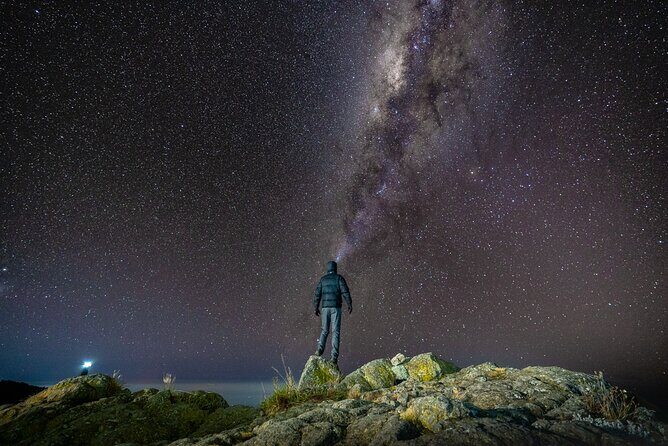
The Machame Route is one of the most popular ways up Kilimanjaro, and not just because it’s famous. What makes it practical is the pacing. You move up in steps, with days that give you views and forward progress, but also time for your body to adjust. That is exactly what you want when your biggest enemy is altitude, not the mountain’s shape.
This trip also starts you off with a low-stress base in Moshi. Your first day is about getting your bearings: you land at Kilimanjaro International Airport (JRO), meet an Altezza Travel representative, and get moved to your hotel with time to settle in before the climb begins. Then you get a briefing that helps you understand what comes next and how to prep your gear and mindset.
For me, the value is that you’re buying more than days on a trail. You’re buying a system: permits handled, camp setup managed, food cooked, and a guide team that keeps an eye on how you’re doing—especially during the summit push.
A few more Moshi tours and experiences worth a look
Arrival day in Moshi: airport pickup, briefing, and the Aishi Machame Hotel reset
Day 1 is built for comfort and clarity. You arrive at JRO, then you’re picked up and transferred to the Aishi Machame Hotel (included for two nights, with 2 guests per room unless you’re climbing solo). Check-in starts at 2:00 PM, so if you land earlier you’ll want to plan for waiting.
The hotel setup is designed to help you rest well before altitude starts to do its thing. You’ll have hot water, internet access, a swimming pool, and a team that does polite, straightforward hosting. That may sound like small stuff, but on Kilimanjaro it matters. Sleep and calm reduce the odds you start the trek already stressed.
In the evening, there’s a briefing with managers. This is where you get organized for the climb and where the team makes sure you’re ready. I like trips that start with this kind of structure because it reduces guesswork once you’re on the mountain.
Day 1 to Day 3: Machame Gate, rainforest trekking, and the first big altitude steps
Day 2 begins at Machame Gate (1,800 m) and works up to Machame Camp (3,010 m). You’ll pick up permits and register with the search and rescue service before trekking. That matters because it means you’re not scrambling paperwork while trying to breathe higher.
Then you head into the rainforest. The key detail here is that tropical showers are very probable, so bring more than one layer plan. The trip specifically recommends spare clothes and raincoats. This is one of those places where being prepared makes the day feel longer, not miserable.
Expect your first real altitude adjustment on this day. Even if the walking feels manageable, your body is learning how oxygen changes at higher elevation. A slower pace isn’t weakness here; it’s strategy.
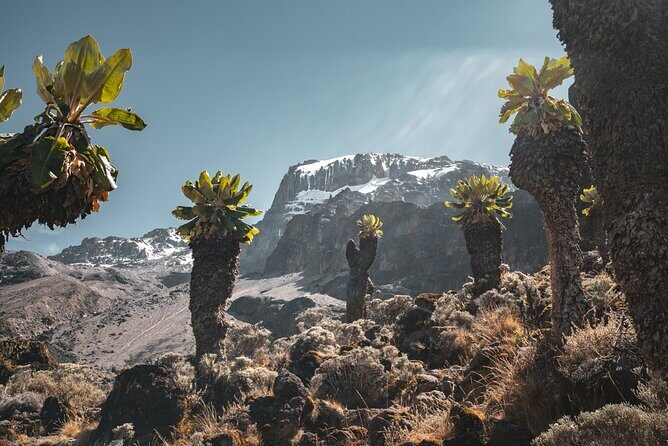
Day 3 rises to Shira Camp (3,845 m). You’ll come out of the rainforest and, for the first time, get big views of the Shira Plateau. The trekking isn’t described as extremely difficult, but altitude can still make it feel harder than the trail time suggests. The smart move is the pace you can sustain, not the pace that makes you gasp.
After reaching camp, you’ll rest and eat, then you’ll do an acclimatization hike toward Lava Tower Camp with about a 300-meter gain before returning to Shira Camp. This is a classic altitude move: go up enough to stimulate adjustment, then come back down so you don’t over-stress your body.
Day 4 to Day 5: Lava Tower acclimatization, Barranco Wall, and Karanga’s ups and downs
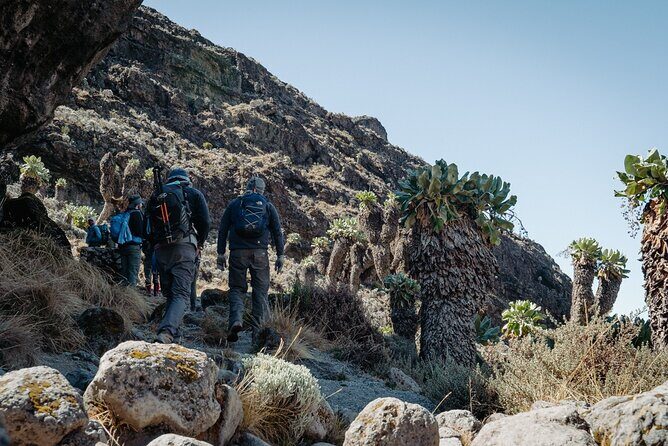
Day 4 is one of those days that separates a routine trek from a serious climb. You leave Shira Camp and go to Lava Tower (4,630 m). This section is described as having plenty of ascents and descents, ending at a camp above 4,600 m. If your legs feel like they’re working the whole time, that’s normal.
The standout detail is the time built into Lava Tower. You’re expected to spend at least 1–2 hours there for acclimatization, and that’s also where lunch happens. This is the day where you should not treat every stop like a quick break. If your plan says time to acclimatize, treat it like part of the main work.
Then you descend to Barranco Camp (3,960 m) and look at Barranco Wall. It’s famous for a reason, and you’re basically doing recon on it on Day 4 so Day 5 doesn’t ambush you.
Day 5 starts early for Barranco Wall. The trip recommends leaving camp as soon as possible to help avoid crowds. Hiking up the gorge wall is expected to take around an hour and is described as not difficult, which is good news if you’re saving your energy for later days.
After that, you get time around the viewpoint area—photos near the Kibo volcano are part of the rhythm. Then you transition to a more challenging day of hiking to Karanga Camp, which includes numerous ascents and descents. Your guides choose an optimal pace, so you’re not left to guess how hard to push.
Once you reach camp, you eat warm lunch and then do another acclimatization hike in the direction of Barafu Camp. This “walk, rest, adjust, repeat” approach is a big reason Machame often feels like a climb you can manage, rather than a sprint you survive.
Day 6 and Day 7: Barafu setup, night summit logistics, and the descent you must respect
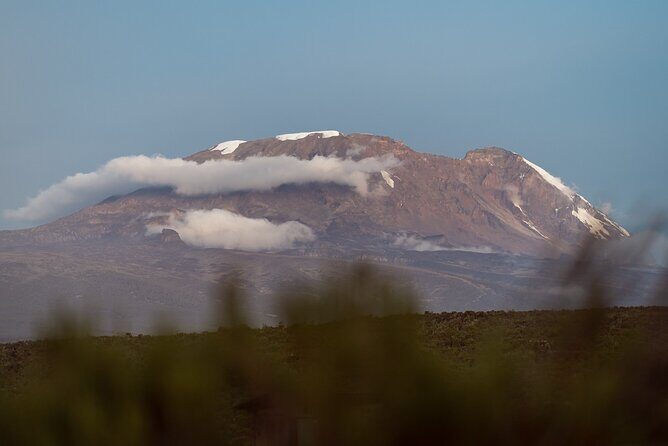
Day 6 takes you to Barafu Summit Camp (4,640 m). This is where summit strategy matters. The trip notes that the team sets up tents and sleeping bags ahead of time. That sounds like logistics, but it’s really about energy. When you’re tired, it’s better to spend your strength on warmth and sleep than camp chores.
This day also includes an acclimatization hike toward Kosovo Summit Camp (4,800 m), then you return to Barafu and eat a hot dinner. After that, the plan is rest before the summit push. I like that the schedule treats sleep as part of the climb, not an optional extra.
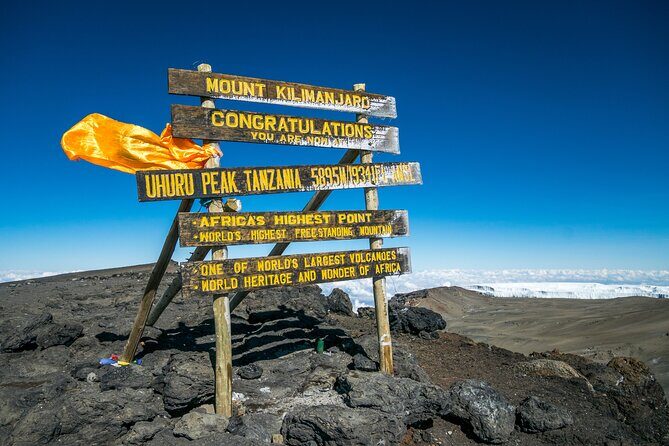
Day 7 is the summit night. You depart Barafu Camp at night to climb to Uhuru Peak (5,895 m). The climb is described as technically simple, but the altitude is the hard part. The most reassuring detail: each pair of climbers gets a personal guide for the entire ascent, monitoring physical and mental conditions.
That monitoring piece is important. At altitude, you can’t always tell whether you’re feeling uncomfortable from effort or uncomfortable because something is going wrong. A guide who stays with you reduces the chances you’ll ignore warning signs.
After reaching Uhuru Peak, you can descend toward the nearby glacier if you want. Then you return to Barafu for a 2-hour rest and continue descending to Millennium Camp (3,820 m).
Here’s the consideration I want you to take seriously: the trip notes that 90% of accidents occur during the descent. You will feel better at lower elevation, but your legs will also be tired, and fatigue causes slips. Pay attention to your footing. Treat the descent like the most important part, not the last formality.
Day 8 and Day 9: Mweka Gate exit, certificates, hotel recovery, and airport transfer
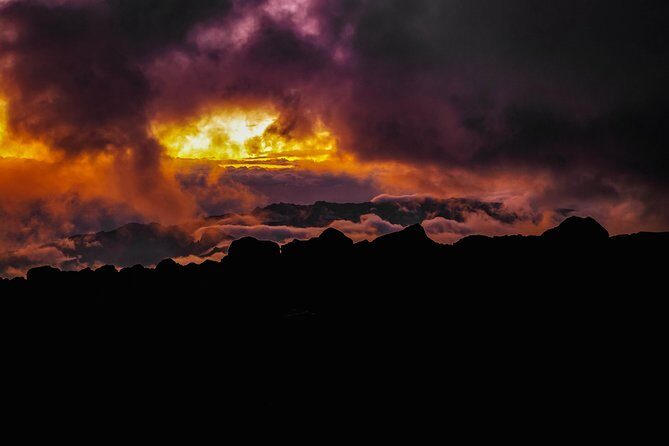
Day 8 drops you from Millennium Camp to Mweka Gate (1,640 m). The walking is described as about 12 km with around 4–5 hours on the trail. You’re also back in a tropical rainforest setting, so the air can feel very different from the higher camps.
This day is mostly about finishing well: a warm breakfast, then the exit hike. After you reach Mweka Gate, the whole group gathers to congratulate you and share opinions in a guestbook. Then you get commemorative certificates provided in the office, and you’re transferred back to the hotel.
Day 9 is your recovery buffer. You rest at the hotel and transfer to the airport. Hotel check-out is listed as 11:00 AM, and you can request a late check-out for an extra fee if your flight needs it. This is the part where you actually get to feel the win, not just chase it.
Guides, crew, and safety gear: what you’re really paying for
This trip includes more than a person holding a map. It includes the full climbing machine: porters, camp masters, and cooks. Your equipment and camp setup are handled by professionals, which keeps your energy focused on the hiking days. In the feedback from previous groups, the mountain team gets serious praise for being helpful, organized, and quick with camp setup and teardown.
Safety support is clearly part of the design. You get medical check-ups, plus oxygen tanks and oximeters as part of the included support kit. Guides are listed as certified Wilderness First Responder—and that matters because altitude issues can turn unpredictable fast.
One more practical detail: you’ll have drinking options on the mountain (tea, coffee, juices, soda, and other drinks). That’s not just comfort. Hydration support can make a noticeable difference when you’re working hard in cold air.
Food on Kilimanjaro: nutritious meals, dietary options, and why it affects your summit chances
Food can make or break a high-altitude trip. This plan gives you meals cooked by the kitchen crew, and it includes dietary accommodations: vegetarian, vegan, lactose-free, gluten-free, halal, and other meal plans are available. That flexibility is worth real attention because altitude doesn’t care if your stomach is sensitive.
Meal service is set up across the trek days: breakfast is included 8 times, lunch 6 times, and dinner 6 times. That means you’re not constantly hunting food, and your energy intake stays consistent.
A detail I like from the trip feedback: there can be hot tea and snacks at junction points during the climb. Even if you’re not doing a high-energy sprint, small warm breaks help you feel like you’re coping, not just enduring.
Price and value: is $3,377 per person actually fair?
At $3,377.00 per person, this is not a budget climb. But it’s also not just a guided hike. You’re paying for a package that includes:
- Kilimanjaro National Park fees (included)
- Two nights at the Aishi Machame Hotel
- All ground transportation plus JRO pickup and drop-off
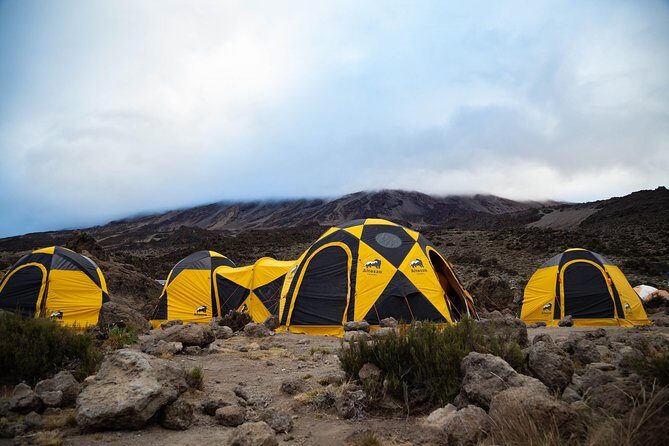
- Tents and group equipment, including North Face VE-25 tents and camp gear like dining tent materials and sleeping pads
- Certified Wilderness First Responder guides
- Medical check-ups, medical kits, and oxygen tanks and oximeters
- Meals and drinks during the trek
When you compare that to the cost of trying to piece together a climb yourself—permits, staffing, camp logistics, medical readiness—the price starts to look less like a premium and more like what organized Kilimanjaro requires. Also, the trip notes group discounts, and it runs as a private tour/activity for your group, which can help value if you’re traveling with others.
So my take: if you want a Machame climb where the support is clearly built in (not improvised), this price is easier to justify. If you’re mainly chasing the cheapest way up, this probably won’t be your pick.
Who should book this Machame 7-day climb (and who might think twice)
This trip fits best if you’re aiming for a structured ascent with strong support: certified guides, porters handling camp, planned acclimatization days, and summit-night guidance paired to climbers.
It also fits people with moderate physical fitness, because the plan is designed around pace and altitude adjustment rather than constant steep grinding. If you’re bringing someone older or less experienced, the support setup—medical checks, oxygen availability, and guide monitoring—can make the overall experience feel safer.
The trip does require serious commitment to timing and effort. If you know you struggle with cold nights, wet rainforest conditions, or long trekking days, you’ll want to think hard about whether you can handle the climb rhythm and the descent focus.
Should you book this Kilimanjaro Machame 7-day experience?
If your goal is to climb Kilimanjaro with meals handled, camp logistics handled, permits handled, and summit safety treated as a real system, I’d say this is a solid choice. The combination of acclimatization pacing, Wilderness First Responder-certified guides, and included oxygen/monitoring adds up to real peace of mind.
I’d skip it only if your top priority is the lowest price, or if you’re not ready for the fact that the hardest part may be the high-altitude descent after the summit.
If you do book, prep like a grown-up: plan for rain in the early rainforest section, pack rain protection and spare clothes, and treat the descent day as the part where attention matters most.
FAQ
What route is this climb on?
It’s the Machame Route on Kilimanjaro, designed as a 7-day climbing plan with additional days for hotel time and transfers.
Where does the tour start and end?
You’ll be based in Moshi, Tanzania. The trek starts at Kilimanjaro National Park through Machame Gate and exits at Mweka Gate, with transfers back to the hotel and then to the airport.
What’s included in the price?
Included items cover JRO airport pickup and drop-off, all ground transportation, two nights at Aishi Machame Hotel, park fees, tents and group equipment (including North Face VE-25 tents), certified Wilderness First Responder guides, professional climbing crew, medical check-ups, oxygen tanks and oximeters, medical kits, and trekking meals and drinks.
Are dietary needs handled?
Yes. Meal plans are available for vegetarian, vegan, lactose-free, gluten-free, halal, and other dietary requirements.
Do you provide oxygen and medical supplies?
Yes. The package includes oxygen tanks and oximeters, plus medical check-ups and medical kits.
What is the hotel like before and after the trek?
You stay at Aishi Machame Hotel for two nights, with amenities listed including cozy rooms, hot water, polite staff, a swimming pool, and internet access.
What personal gear do I need to bring?
Personal equipment is not included. You’ll need items such as your hiking outfit, boots, and sleeping bag, and gear is available for hire.
Is this a private group or shared tour?
This is described as a private tour/activity, meaning only your group participates.
What if I need to cancel?
The policy listed offers free cancellation up to 24 hours in advance for a full refund. If you cancel less than 24 hours before the start time, the amount paid is not refunded.