REVIEW · MOSHI
7 Days All inclusive Premium Safari Adventure in Tanzania
Book on Viator →Operated by Blue Mist Safaris · Bookable on Viator
Some trips feel scripted. This one feels built for real wildlife days.
You start with an Arusha airport transfer, then go into Lake Manyara, Serengeti, and the Ngorongoro Crater with plenty of time for game drives and wildlife chances.
I especially like the mix of action and context, so you’re not just seeing animals—you’re also getting a sense of Tanzanian life along the way.
Two things I’d bet you’ll appreciate: the private feel (it’s only your group), and the way the team is described as responsive to your needs. A guide named Yahya is singled out in past trips for being caring and plan-adaptive, including when plans change fast.
One caution: the itinerary is full—long drive days are part of the package—so if you’re hoping for lots of downtime, you’ll want to mentally prepare for early starts and busy days.
In This Review
- Quick hits on this 7-day safari
- Safari style in Moshi and what you’re really buying
- Day 1 in Arusha: airport transfer plus a cultural quick-start
- Lake Manyara National Park: a different kind of park day (and famous lions)
- Serengeti Day 2: from crater views to classic savanna rhythm
- Serengeti Day 3: bigger odds with a second savanna day
- Ngorongoro Conservation Area: descending into a crater for Big Five chances
- The Maasai boma and the Arusha return: culture without the heavy sell
- Day 7 back to JRO: airport drop-off and last-minute souvenir time
- Guides, flexibility, and why the human part matters
- Price and value: is $2,960 per person actually fair?
- What’s included vs not included (and what you should plan for)
- How to pack and prep for a 10-hour safari rhythm
- Who this safari is best for (and who might want a different pace)
- Should you book Blue Mist Safaris for this Premium Safari Adventure?
- FAQ
- Where does this safari start and end?
- Are meals included?
- Which parks and areas do you visit during the safari?
- Is this a private tour?
- Is airport pickup included?
- Can you handle dietary needs?
- What is not included in the price?
- Is free cancellation available?
Quick hits on this 7-day safari
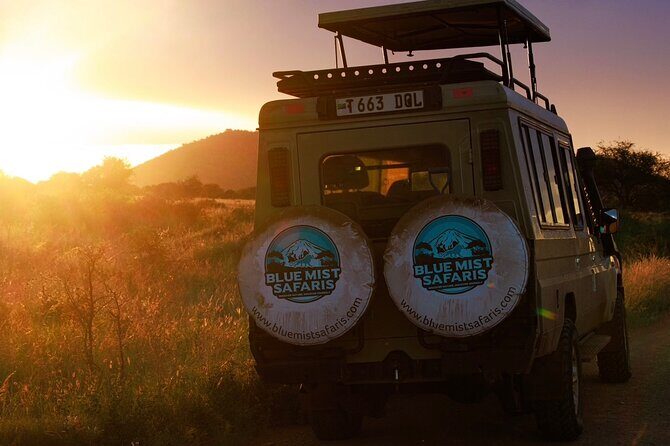
- Two Serengeti game drives, not just one quick pass—more chances to spot predators and read animal behavior
- Lake Manyara includes the famous tree-climbing lions angle, plus elephants, giraffes, and lots of birds
- Ngorongoro Crater is positioned as your best Big Five shot, with special focus on the elusive rhino
- Arusha to airport flow is handled for you, so you don’t have to stitch together transport at the start and end
- Meals are included (6 breakfasts, 6 lunches, 6 dinners), which makes the days feel smoother and easier to plan
- Guides are described as attentive and flexible, including support when flights shift last minute
Safari style in Moshi and what you’re really buying
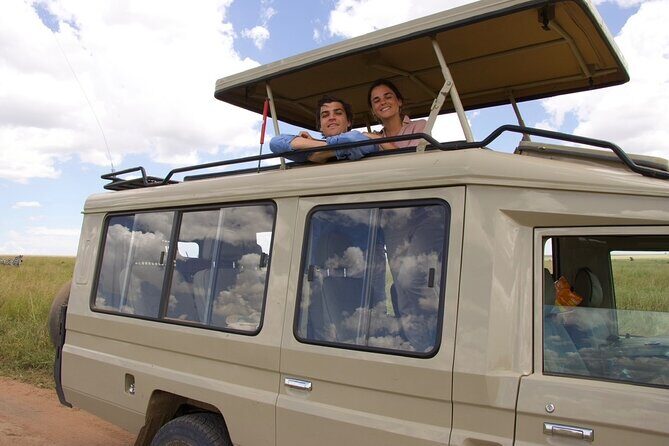
This is a premium all-inclusive safari experience centered around Moshi, with 7 days of protected-park time and a culture stop that keeps the trip from feeling like one long game-drive blur.
When a safari says all-inclusive, the practical question for you is simple: what does that remove from your plate? Here, it removes daily meal logistics (breakfast, lunch, dinner are included in set counts), and it also reduces the stress of transfers around the route. You still need to handle flights, visa, tips, and insurance, but the day-to-day rhythm is largely taken care of.
The route also makes sense geographically. You’re not bouncing randomly around Tanzania. You’re moving through a safari “circuit” that pairs classic savanna viewing (Serengeti) with a unique caldera ecosystem (Ngorongoro), plus Lake Manyara’s distinct mix of forest edges and open shoreline views.
A few more Moshi tours and experiences worth a look

Day 1 in Arusha: airport transfer plus a cultural quick-start
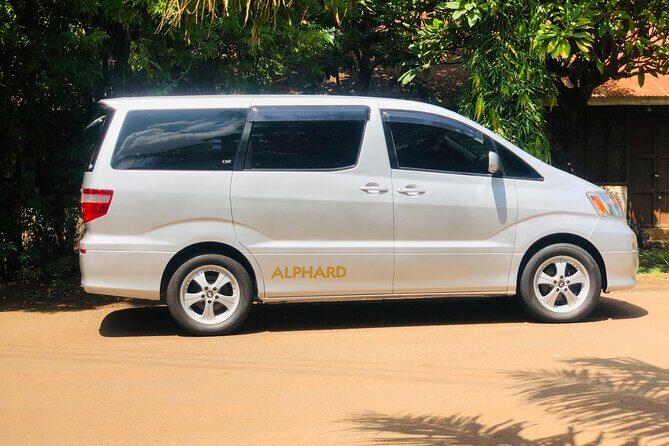
Day one is mostly about getting you comfortable and oriented. You meet at the Kilimanjaro area arrival point, then transfer to your Arusha hotel for an overnight.
If your flight lands early enough, you can add a short city orientation and visit a cultural heritage museum. Even if you never feel museum-happy, this kind of stop is useful on safari days ahead. It helps you connect names and places you’ll hear later—language, daily life, and the idea that Tanzania is more than just wildlife.
A practical win: an airport transfer reduces the common first-day scramble. You arrive, you get settled, and you’re not hunting for transportation while jet-lagged.
Lake Manyara National Park: a different kind of park day (and famous lions)
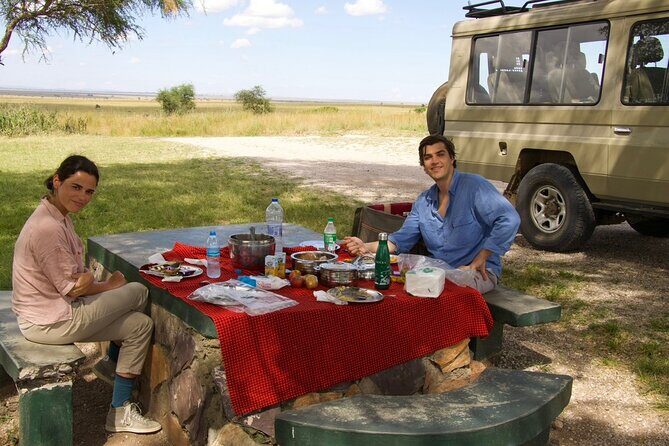
Lake Manyara is where the safari starts feeling special fast. You’ll head out early, drive into the park, and spend a full day game viewing.
Here’s why I think this stop is valuable for you: Lake Manyara isn’t just “another savanna park.” The mix of lush forest edges, acacia woodlands, and the lake itself creates different viewing angles in one place. That variety can mean more wildlife surprises in a single day.
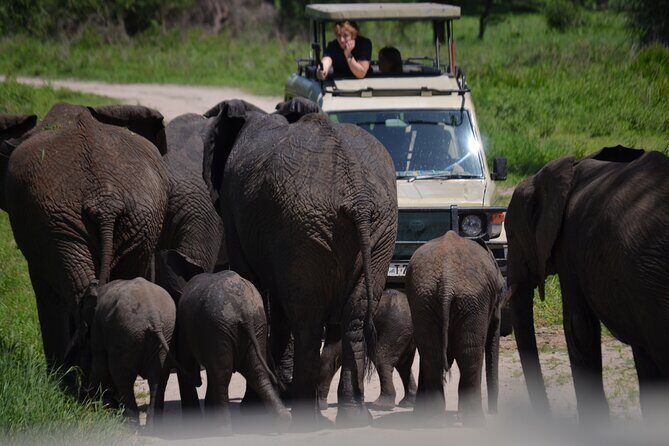
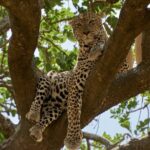
It’s especially known for the tree-climbing lions story. Even when the lions aren’t in the trees, you’ll still be in a park that supports elephants, giraffes, and lots of birdlife—think flamingos and pelicans when conditions line up. And there’s a chance for other elusive species like leopards, depending on sightings.
The main consideration is not about whether wildlife exists—it’s about time and patience. Full-day park drives can mean long stretches of quiet scanning before you get that “there it is” moment. If you like photography, bring layers and keep your camera ready, because light changes quickly in this region.
Serengeti Day 2: from crater views to classic savanna rhythm
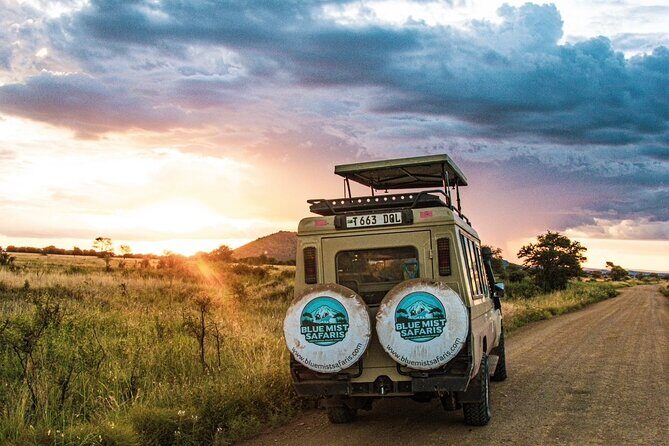
On the way into Serengeti, the drive gives you a chance to look toward the Ngorongoro Conservation Area from above. That’s a neat early clue for what you’re building toward later—big volcanic terrain, dramatic scale, and a lot of life packed into a relatively tight area.
Once you’re in Serengeti, the scenery shifts into broad plains. This is where your game drive rhythm matters: you’re scanning for movement, but you’re also watching stillness. Predators often give you signs first—stare-downs, sudden attention, birds switching behavior.
This day also includes a stop at Olduvai Gorge, which adds a human-history layer to the trip. It’s not the kind of stop that replaces safari time, but it can make the region feel deeper and more grounded than just animals.
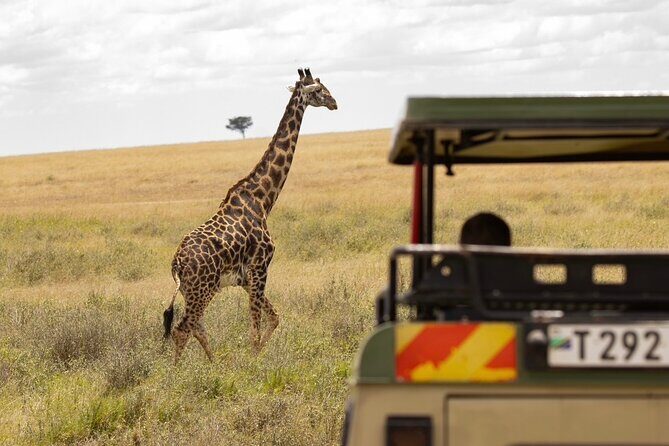
Expect to see the “core cast” that makes Serengeti famous—zebras, giraffes, buffalo, antelopes—and predators like lions, cheetahs, and leopards when sightings line up. You’ll also have a picnic lunch in the field, which is one of those small details that makes the day feel like it belongs to the bush, not just a bus tour.
Serengeti Day 3: bigger odds with a second savanna day
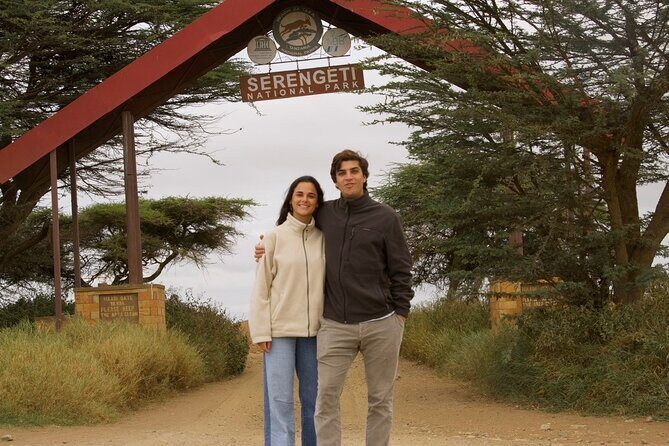
The second Serengeti day is a big deal, and it’s not just because it’s another long drive. It’s because a single safari day can’t cover the way Serengeti “works.” Animals move. Temperatures shift. The action you miss on one route might be visible the next day.
This is also where kopjes—rocky outcrops—become important. Predators and prey interactions often show up around these elevated spots because animals use them as vantage points. If your guide is good at reading the scene, you’ll spend time where chances improve, not just where roads allow.
Lunch is again handled as a picnic in the wild, and your day is structured around game viewing with strategic stops for sightings and photo opportunities. The value for you is simple: more scanning hours, more learning of what’s normal and what’s unusual, and more moments to compare animal behavior over a full second day.
One practical note: be ready for the “long day effect.” Even when you’re excited, your body will notice. Drink water, take comfort breaks when offered, and use layers so you’re not fighting sun or cool air.
A few more Moshi tours and experiences worth a look
Ngorongoro Conservation Area: descending into a crater for Big Five chances
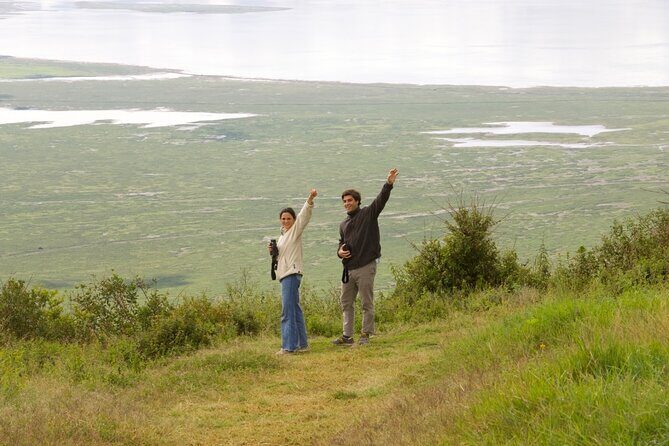
Day five shifts you from Serengeti toward the Ngorongoro Crater. This is the part of the trip where the setting itself helps your viewing.
The crater is described as the world’s largest intact volcanic caldera, and that scale matters. It funnels habitats and creates a concentrated stage for animals. You’re not just traveling—during the day, you’re literally changing altitude and viewpoint as you descend to the crater floor.
This is positioned as your best chance to spot the rhino, the most elusive of the Big Five. The day’s Big Five focus is practical because rhino sightings don’t happen on demand. Instead, the value comes from spending the right amount of time in the right ecosystem and having a guide who knows where to look.
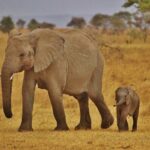
You’ll also have classic crater-floor viewing odds: lions under acacia trees, elephants roaming the plains, and antelopes grazing out in the distance when visibility allows. You’ll stop for a scenic picnic lunch, which helps break up the crater drive and gives you a chance to soak in the panoramic scale.
The drawback to flag: descent days can feel intense. Even when the day is “only” around 10 hours, you’re spending a lot of that time in a moving vehicle while alert to wildlife. If you’re prone to motion discomfort, plan for it.
The Maasai boma and the Arusha return: culture without the heavy sell
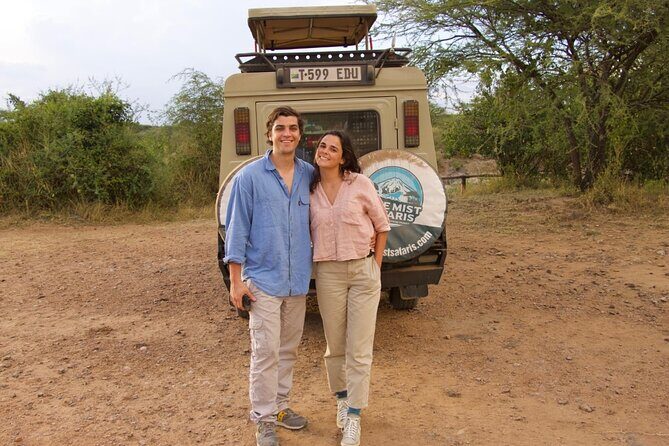
After the crater day, the safari winds down with a return trip toward Arusha. On the way, there’s a stop at a Maasai boma for a cultural glimpse.
This kind of stop can be worthwhile if you approach it with curiosity rather than expectations. You’ll get to see another way of life and learn how communities understand the land around them. The key is to keep it respectful and remember you’re visiting people, not a theme park.
Back in Arusha, the pace becomes more normal—less wildlife searching, more reflection. If you’ve spent days watching animal behavior, it’s actually a nice reset to talk, ask questions, and connect the human story to the animal story you’ve just seen.
Day 7 back to JRO: airport drop-off and last-minute souvenir time
Your final day is transport-focused. You’ll be picked up from your hotel and driven to JRO International Airport for your return flight.
If time allows, there’s also a chance to pass by a local gift shop site to pick up souvenirs. This isn’t a required shopping stop in the data you have, but having a small window helps you avoid the classic last-day panic of realizing you brought no gifts.
A practical plus: having the end of the trip handled means you’re less likely to stress over timing on your travel day.
Guides, flexibility, and why the human part matters
The strongest praise in past experiences isn’t only about animal sightings. It’s about the people running the trip.
One review highlighted Yahya as caring and responsive, with a planning approach tailored to what the group wanted and needed. Another praised the team for adapting well and helping with a last-minute flight change. A third experience credited the overall Blue Mist team and support across Zanzibar and safari plans, with a desire to return.
For you, that translates into something concrete: when your timing shifts (common with flights), you don’t want your safari to fall apart. A responsive team can rework pacing, adjust pick-up timing, and keep the day flowing instead of turning it into a stressful scramble.
Also, the tour description repeatedly signals a staff approach centered on satisfaction and respectful culture engagement. That matters because safari days can test patience—heat, roads, waiting for sightings, and sudden changes all come with the territory. A calm, helpful guide makes the whole trip feel smoother.
Price and value: is $2,960 per person actually fair?
The price is listed at $2,960 per person for about 7 days.
On paper, that sounds like a lot, and it is. But value depends on what you’d otherwise spend to replicate it yourself. In this package, you’re getting:
- Park days across Lake Manyara, Serengeti (twice), and Ngorongoro
- Daily logistics handled with pickups/transfers tied to Arusha and JRO
- Included meals (6 breakfasts, 6 lunches, 6 dinners)
- A private style for your group (not a random mix of strangers)
You’re still responsible for flights, visa, tips, and insurance. That’s important when budgeting.
So here’s how I’d judge value for you: if you want an organized, low-stress route that hits the major safari ecosystems with enough time inside each, this pricing can feel reasonable. If you’re trying to do a shoestring version—self-drive, your own meals, your own routing—the cost difference might make you feel like you’re paying for convenience. But safari convenience is not just comfort; it often means better timing and less risk.
A final budgeting note: the package mentions group discounts, so if you’re traveling with friends and can book as a group, your per-person value may improve depending on availability.
What’s included vs not included (and what you should plan for)
Included in the package:
- Meals: 6 breakfasts, 6 lunches, 6 dinners
- Pickup is offered
- Mobile ticket
- Admission tickets are noted as free for the park-related stops listed
- Private activity for your group
Not included:
- Domestic or international flights
- Visa
- Tips
- Insurance
That list matters because it shapes how “all-inclusive” feels. It’s inclusive on safari-day essentials, but it’s not covering your international travel paperwork or your safety coverage. If insurance is something you usually buy, keep doing it here. It’s one of those boring decisions that protects you if plans go sideways.
How to pack and prep for a 10-hour safari rhythm
Your days here can be long—several around 10 hours in the parks. That’s normal for the route, and it’s also why comfort planning pays off.
From a practical standpoint:
- Pack layers. Morning and evening can feel cooler than midday.
- Bring sunscreen and a hat, because you’ll spend a lot of time exposed during scanning and photo stops.
- Have a small day bag for water, snacks if you’re picky, and essentials.
- Wear shoes you don’t mind getting dusty. You’ll be on rough ground around stops.
Also, consider how you handle motion in vehicles. If you get travel-sick, ask yourself if you’ve ever needed medication on long drives. It’s better to be prepared than surprised.
Who this safari is best for (and who might want a different pace)
This safari is a strong fit if you want:
- A classic Northern Tanzania route with Lake Manyara, Serengeti, and Ngorongoro
- Two Serengeti game drives (more chances, more learning)
- A private, guided setup with meals handled
- A team that sounds flexible when schedules change
It may be less ideal if:
- You want a light itinerary with big blocks of free time
- You prefer very early mornings that you can sleep through easily; here you’re likely up and moving early to make the best of park hours
If you’re the kind of traveler who likes structure but still wants wildlife-focused days, you’ll probably enjoy the balance.
Should you book Blue Mist Safaris for this Premium Safari Adventure?
I’d lean yes if you’re looking for an organized safari circuit with enough time in the right places to make wildlife viewing feel more than a checklist. The route is logical, the meals and transfers reduce friction, and the standout praise you see points to guide support that can adapt when real life gets messy.
Before you book, do two things:
- Decide if you’re okay with long, full days in a vehicle while wildlife scanning stays your main job.
- Think about what matters most to you—rhino odds, predator sightings, or cultural stops—then mention those preferences early so the plan can match your style.
If you want a safari that feels intentionally run—not just driven—you’re likely to have a good experience with Blue Mist Safaris on this 7-day Tanzania package.
FAQ
Where does this safari start and end?
It starts with pickup around Kilimanjaro Airport area and ends with a transfer to JRO International Airport for your return flight.
Are meals included?
Yes. The package includes 6 breakfasts, 6 lunches, and 6 dinners.
Which parks and areas do you visit during the safari?
You go to Lake Manyara National Park, Serengeti National Park, and the Ngorongoro Conservation Area (including the Ngorongoro Crater). You also include an Arusha cultural stop and a Maasai boma visit.
Is this a private tour?
Yes. It’s listed as a private tour/activity, and only your group participates.
Is airport pickup included?
Pickup is offered, including the start transfer from the airport area to Arusha and the final drive to JRO.
Can you handle dietary needs?
Yes. Dietary needs can be accommodated if you indicate them at booking in the special requirements section.
What is not included in the price?
Domestic or international flights, visa, tips, and insurance are not included.
Is free cancellation available?
Yes. Free cancellation is offered if you cancel at least 24 hours before the experience’s start time for a full refund.