REVIEW · MOSHI
Kilimanjaro Climbing Umbwe Route
Book on Viator →Operated by Habari Adventure · Bookable on Viator
A quiet route. Steep days. Huge reward at sunrise.
That is the Kilimanjaro Umbwe experience from Habari Adventure, run from Moshi with a focus on real local know-how. What I like most is the way the team leans on local guides who understand the mountain and the country beyond just the trail, plus the fact they’re trained in safety and first aid. I also like the practical pacing choices built into the trek, especially the acclimatization day that gives your body a chance before the big push.
One possible drawback: the Umbwe route is not a gentle stroll. You’ll face narrow, steep climbing early on, rocky scree on summit night, and the strong wind vibe that can hit Barafu Camp, so you’ll want real fitness and mental grit.
In This Review
- Key highlights worth your attention
- Moshi pickup, early timing, and the Umbwe route vibe
- Umbwe gate to the first camp: rainforest track and steepening momentum
- Barranco Valley day: thinning forest, big views, and a sunset in camp
- Barranco wall to Karanga Valley: the acclimatization rhythm that helps
- Barafu Camp: alpine desert, wind, and an early dinner before midnight
- Midnight summit push: tea cookies, Stella Point sunrise, and Uhuru Peak
- Mweka descent: forest walk, gate formalities, and that warm shower moment
- Price and value: what $2,750 covers (and what it doesn’t)
- Your guide team: local expertise, safety training, and real support
- Who should choose this Umbwe climb (and who should reconsider)
- Practical tips to get the most from your 6-day Umbwe schedule
- Should you book Habari Adventure for the Kilimanjaro Umbwe route?
- FAQ
- How long is the Kilimanjaro Umbwe route trek?
- What is the price per person?
- Where and when does the trek start?
- What meals are included?
- Are flights and visa included in the price?
- What group size should I expect?
Key highlights worth your attention
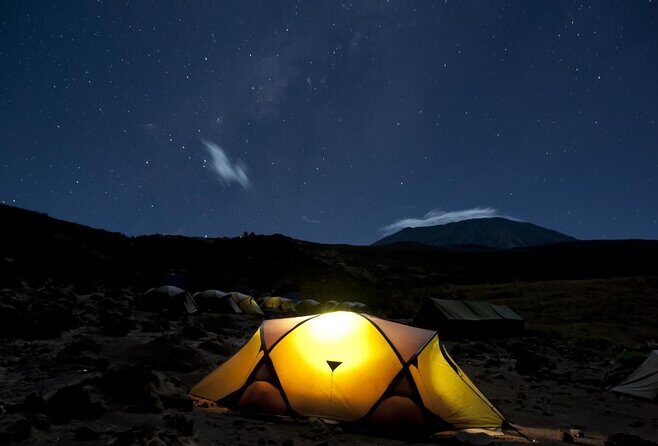
- A small group max of 8 for a more personal climb rhythm and less crowd pressure.
- Local guides with safety and first aid training, plus knowledge of geography and local plants and animals.
- Umbwe’s quieter feel. One past climber described stretches with just their group, guide, and the sound of silence.
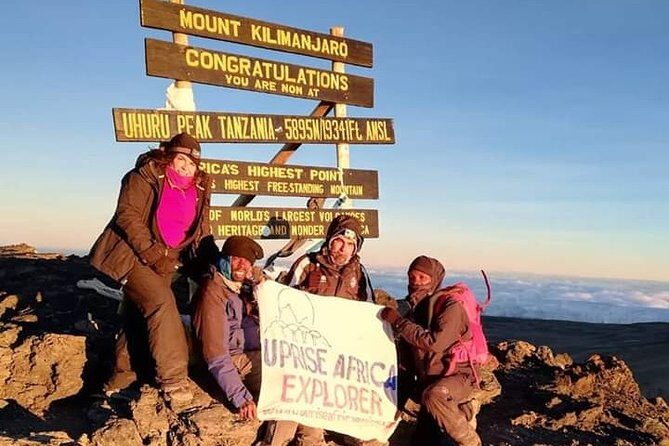
- Sunrise at Stella Point (5756 m) with a quick move on to Uhuru Peak (5895 m).
- Meals and park admissions included, so you’re not constantly doing math while tired.
- A calmer acclimatization window built in before the summit night, instead of stacking everything back-to-back.
Moshi pickup, early timing, and the Umbwe route vibe
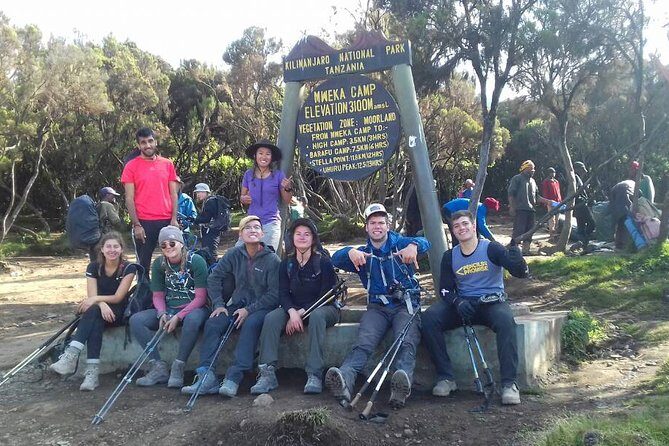
You’ll start the journey from the Moshi area, with pickup offered and the trek starting at Kilimanjaro Airport at 4:00 am. That early start matters. You’re not just beating traffic; you’re aligning with the mountain’s clock and the day-by-day schedule that keeps the climb moving.
Habari Adventure keeps the group size capped at 8 travelers, which changes the feel. It’s easier to manage breaks, slower moments, hydration reminders, and that all-important “are we all together?” check on a mountain route where you don’t want loose logistics.
The Umbwe route itself brings a distinct personality: it begins in rainforest, then tightens into steeper ridges and less forgiving ground. If you want crowds and constant company, Umbwe probably isn’t your choice. If you want focused climbing and the kind of quiet where you actually hear your own breathing, it can feel made for you.
You can also read our reviews of more tours and experiences in Moshi.
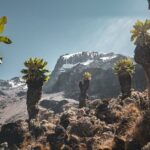
Umbwe gate to the first camp: rainforest track and steepening momentum
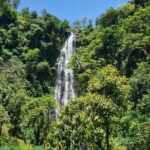
On day one, you’ll be driven to Umbwe gate at about 1800 m. You’ll also get a quick taste of the surrounding setting with banana plantations when you arrive near the park entrance. After registration, the trek starts on a forestry track that winds upward through natural rain forest.
Here’s what to expect, and why it matters: rainforest trekking is slower but kinder to your body early on. The path you’ll follow at first is surrounded by big trees and dense growth, then it begins to narrow and steepen as you climb toward a ridge between the Lonzo and Umbwe Rivers. That shift is important. The Umbwe route doesn’t wait for you to get comfortable; it builds momentum and then asks for commitment.
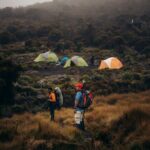
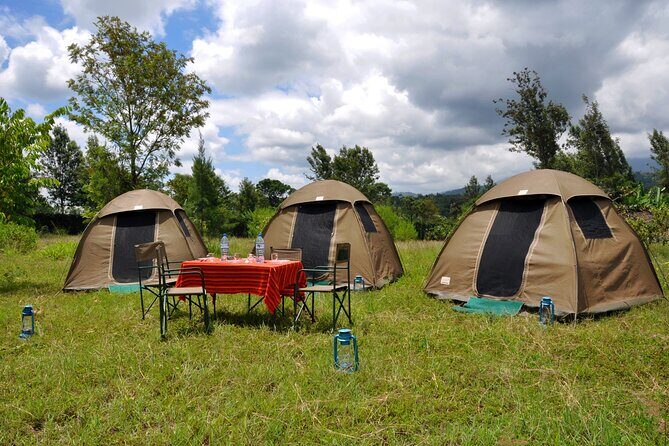
You’ll camp among huge trees and thick undergrowth for night one. That setting is atmospheric, but it also means you should plan for a damp-feeling environment in the forest zone. Pack smart for moisture and wear something you can re-secure if you’re dealing with mud.
Barranco Valley day: thinning forest, big views, and a sunset in camp
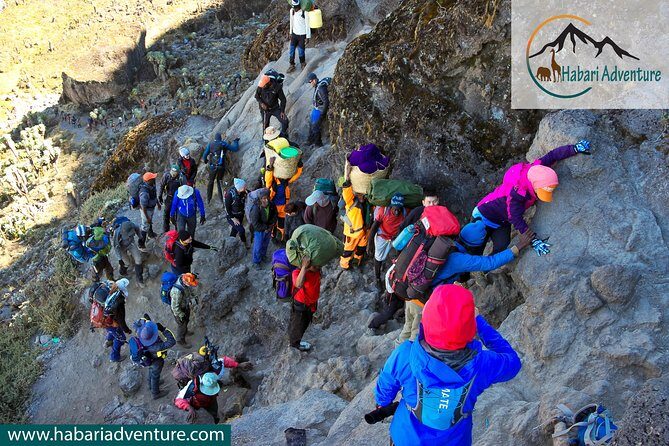
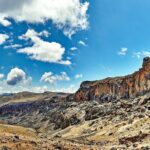
The second day begins after leaving camp with the forest starting to thin out. You’ll move from lush cover into rockier terrain, with sparser undergrowth and trees that can look straggly and moss-covered. This is one of those transitions that makes you feel the altitude shift even if you’re not thinking about numbers.
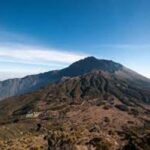
As you gain height, the route offers glimpses of Kilimanjaro rising ahead. That matters more than it sounds: early on the climb, view moments help your head stay in the game. Later, when you’re tired, you’ll be glad you had a few scenic checkpoints already.
The day’s final stretch heads toward the Barranco Valley, and the trail flattens as you get closer. Your camp sits in the valley below the Breach and near the impressive Barranco wall, and the timing is set so you can catch a memorable sunset while dinner is prepared. That’s a nice detail because it turns camp downtime into a real moment, not just “sit and wait.”
If you’re sensitive to steepness, note that the hike length listed here is about five hours. The trail may not look dramatic all the time, but the ground can be uneven and you’re still rising.
Barranco wall to Karanga Valley: the acclimatization rhythm that helps
The third day keeps climbing on a steep ridge, leading you to the great Barranco wall obstacle. The description is honest here: it looks imposing, but it’s said to feel easier than it appears once you’re actually doing it.
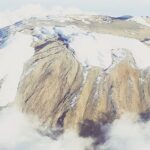
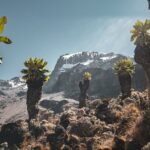
At the top, the views open in a very big way. You can appreciate Kilimanjaro with Kibo glaciers soaring overhead, then you descend into the Karanga Valley to camp. From the camp area, you’ll also be able to look east and see Mawenzi—another reminder that the mountain isn’t just one peak. It’s a whole system of ridges and shapes.
After a hot lunch in camp, you get the afternoon at leisure for resting or exploring. This short day is flagged as important for acclimatization right before the summit push. That’s exactly what you want to hear. You don’t just need movement; you need a body-friendly rhythm.
For your planning, treat this day as a chance to slow down your pace and protect your energy. Don’t rush around trying to see everything. If you feel like lying down with your head elevated, that’s not laziness. It can be smart.
Barafu Camp: alpine desert, wind, and an early dinner before midnight
Day four climbs again, moving you up to Barafu Camp for what’s essentially a half-day ascent. Lunch is taken in camp, which gives you time to relax before the summit bid. That matters because your summit night starts very late, and any extra calm you can create now helps later.
The environment changes character again: Barafu is described as desolate alpine desert, and it can be hit by strong winds. Even if the wind isn’t dramatic in the moment you arrive, plan for it. Cold wind plus sleeplessness plus high altitude is not a fun combo.
In the evening, you’ll have views of Mawenzi peak. Then dinner is taken early, followed by rest. This is one of those “trust the schedule” moments. You can’t outsmart a midnight climb. Your best move is sleep as best you can and keep your energy steady.
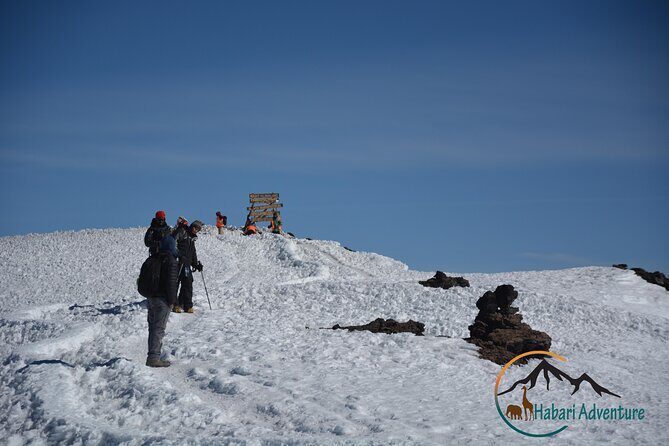
Midnight summit push: tea cookies, Stella Point sunrise, and Uhuru Peak
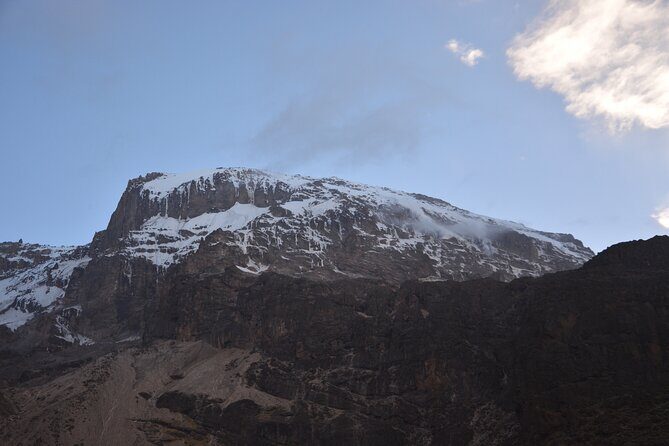
This is the heart of the trek. You’ll wake around midnight, with light tea and cookies ready for you. From there, you’ll climb scree for about 4 to 5 hours, gaining a lot of height over a relatively short distance. Scree is tiring work because every step has to be placed carefully. It can feel slow and annoying at the same time, which is why steady footwork and pacing matter.
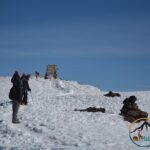
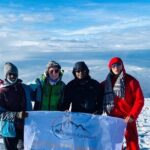
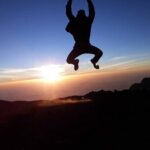
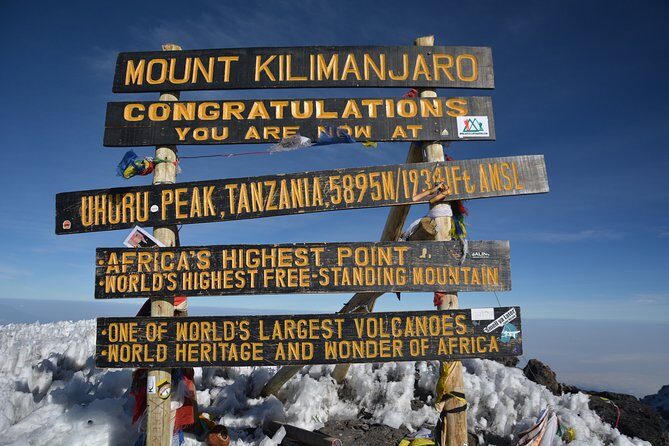
The goal is clear: be on the crater rim at Stella Point (5756 m) during sunrise. Then, after tea, you keep moving to Uhuru Peak (5895 m) for photos for a few minutes. That “few minutes” detail is key. You’re not meant to linger forever up there. You get the moment, you take what you came for, and you start descending while your legs still have a little control.
After Uhuru, you descend back to Barafu Camp for rest and lunch, then continue down to Mweka Camp for dinner and overnight. This is a long day—about 15 hours by the trek’s own timing. If you’re thinking about Umbwe and whether it’s for you, this is the part that decides it. You’re not just climbing to the top; you’re surviving the whole day.
Pro tip that keeps you sane: when you’re doing scree and high-altitude steps, use the smallest plan. Step, breathe, reset. Big goals are for the group talk and the summit photos; the trail needs a small-by-small approach.
Mweka descent: forest walk, gate formalities, and that warm shower moment
Day six is your reward for completing the hardest part: a descent through Mweka montane forest. Expect about three hours walking to Mweka Gate where park formalities are completed and you receive certificates.
This is also where you’ll finally feel the air get easier to breathe (not magically, but measurably). The forest setting changes the pace again. Unlike the scree and exposed zones, you’re moving through a more shaded, oxygen-friendlier environment.
After the gate paperwork, a car is ready to drive you back to your hotel in Moshi for a warm shower. That sounds simple, but it’s one of the most meaningful parts of any multi-day trek. You’re not just celebrating the peak; you’re cashing in the whole physical cost of getting there.
Price and value: what $2,750 covers (and what it doesn’t)
At $2,750 per person for about six days, the value is mainly in what’s included and what’s handled for you. You get meals listed as six breakfasts, six lunches, and five dinners, plus admission tickets included during the climb segments. You also get the pickup option and a mobile ticket.
What’s not included is straightforward: flights and visa. So you’ll budget for travel to Tanzania and the entry requirements separately.
Is it expensive? For Kilimanjaro, it’s a pretty clear mid-to-upper trekking package, but it’s not just “a guide and hope.” The inclusion of park admissions and structured meals helps you avoid the most annoying hidden costs right when you’re tired and busy.
If you’re comparing options, don’t just look at the headline number. Ask what’s included in meals, whether park admissions are handled, and how the group size is managed. On Umbwe, where the schedule includes a midnight summit push, those details can make the difference between an organized climb and a stressful one.
Your guide team: local expertise, safety training, and real support
This climb is won and lost on details: pacing, timing, decision-making, and safety. Habari Adventure emphasizes that guides are locals from Kilimanjaro and other parts of Tanzania, and that they’re trained in safety and first aid. That matters because conditions can shift quickly on a mountain, and having people who understand how to respond is huge.
The company’s leadership also shows up in the background. One past client mentioned CEO Stanley being directly involved in pre-trip communication via email, including guidance and even a special price when planning a climb. That kind of responsiveness can reduce anxiety before you ever reach the trailhead.
You’ll also spend time learning along the way, not just trudging from camp to camp. The company highlights expertise in local flora and fauna, geography, history, archaeology, anthropology, and even astronomy. Even if you only catch pieces of that as you walk, it can make the mountain feel like a living place rather than a checklist.
Who should choose this Umbwe climb (and who should reconsider)
This tour is a strong fit if:
- you have a strong physical fitness level
- you want a smaller group (max 8)
- you’re okay with steep sections and scree on summit night
- you want a route that can feel quieter and more focused, with long stretches where the soundscape is mostly your own breathing and footfalls
It’s a less ideal fit if:
- you struggle with long, very early starts and long days (the summit day runs about 15 hours)
- you get rattled by wind and cold conditions
- you’re expecting a gentle, slow-acclimation style trek without demanding physical effort
Umbwe isn’t trying to be easy. It’s trying to be memorable, and it’s trying to do that with a route that changes quickly from rainforest to steep ridges to alpine barrenness.
Practical tips to get the most from your 6-day Umbwe schedule
The schedule is built around specific moments: sunrise at Stella Point, then quick movement to Uhuru, then a long descent and a forest walk on the final day. Your best strategy is to protect your ability to show up for those moments.
- Keep your energy steady starting day one. The early rainforest climb can fool you into thinking the rest will be easier.
- Treat the acclimatization afternoon like real training for the summit day. Rest helps.
- Assume wind and cold can happen at Barafu Camp and on the summit climb, since the trek describes sometimes strong winds and a midnight start.
- Pace yourself for scree on summit night. It’s different from easier dirt trails, and it rewards careful, consistent steps.
Also, plan around the start time you’re given. The 4:00 am start is not a suggestion. If you want to be calm instead of stressed, you need to be ready early.
Should you book Habari Adventure for the Kilimanjaro Umbwe route?
If you want a well-organized Kilimanjaro climb with local, safety-trained guides, included meals and park admissions, and a small-group feel, this is a solid choice. The Umbwe route is a serious trek, with steep early climbing and a long summit day, so it’s best for people who are fit and realistic about effort.
Book it if your idea of a great trip includes sunrise at Stella Point, a focused ascent, and the kind of quiet that lets you notice the mountain working around you. Consider a different option if you’re hoping for a gentler route or you know you struggle with midnight starts and long descents after a peak.
FAQ
How long is the Kilimanjaro Umbwe route trek?
The trek is listed as 6 days (approximately).
What is the price per person?
The price is $2,750.00 per person.
Where and when does the trek start?
The meeting point/start is Kilimanjaro Airport, with a start time of 4:00 am. Moshi is the base location for the drive and return.
What meals are included?
The package includes 6 breakfasts, 6 lunches, and 5 dinners.
Are flights and visa included in the price?
No. Flights and visa are not included.
What group size should I expect?
The trek has a maximum group size of 8 travelers.