REVIEW · MOSHI
Kilimanjaro climb via Marangu Route 6Days
Book on Viator →Operated by Ungitours · Bookable on Viator
Bunk beds on Kilimanjaro change everything. The Marangu Route is one of the oldest and most popular ways up, with a gradual feel and hut stays that make the mountain logistics simpler than the camping routes. It’s often called the tourist route for a reason: you’re hiking, but you’re also sleeping in proper huts with bunks.
I especially like that this 6-day plan includes 3 meals per day plus 2 nights accommodation in Moshi, so you’re not scrambling to fill gaps before and after your climb. I also like the basic structure of the route, with hut stops like Mandara Huts, Horombo Hut, and Kibo Huts, which keeps your sleep plan clear.
One drawback to keep in mind: hut sleeping means you trade tent comfort for shared space. Horombo Hut has far more bunks than the other hut nights (120 there versus 60 at Mandara and Kibo), so it can feel busier when the mountain is at full season.
In This Review
- Key things I’d plan around
- Marangu Route in Six Days: Why the Hut-First Climb Works for Many
- Moshi Start: The Value of Two Nights Before and After
- Mandara, Horombo, and Kibo: What Hut Bunks Really Mean
- The Six-Day Rhythm: How Marangu’s Pace Feels (Even Without Exact Hour Labels)
- Food Included: Three Meals Per Day and Why That Matters at Altitude
- Pickup, Mobile Tickets, and Confirmation: Small Logistics That Save Time
- Faiza and Ungitours: The Support Factor That People Actually Remember
- Price and Value: Is $2,180 Worth It?
- Gear, Visa, and Personal Items: What You’ll Need to Plan Yourself
- Who This Works Best For (And Who Should Rethink)
- Booking Decision: Should You Choose This Marangu 6-Day Climb?
- FAQ
- How long is the Kilimanjaro climb on the Marangu route?
- Where does this tour start?
- What kind of accommodation do I get on the mountain?
- How many meals are included?
- Is accommodation included in Moshi?
- What’s included in the price?
- What is not included?
- When do you start?
- Do I get confirmation right away?
- What is the cancellation policy?
- What fitness level do I need?
Key things I’d plan around
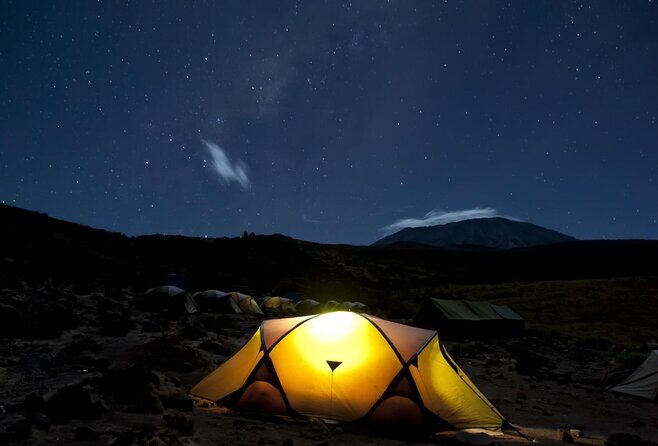
- Hut sleeping on Marangu: Mandara, Horombo, and Kibo huts with bunk beds instead of camping.
- Meals included: 3 meals per day for the 6-day climb window.
- Moshi comfort buffer: 2 nights accommodation in Moshi before/after your trek.
- A route built for gradual effort: Marangu is known as the easiest on Kilimanjaro due to its gentler, direct line.
- Better communication tends to matter: guests highlighted fast, detailed support from Faiza and the Ungitours team.
Marangu Route in Six Days: Why the Hut-First Climb Works for Many
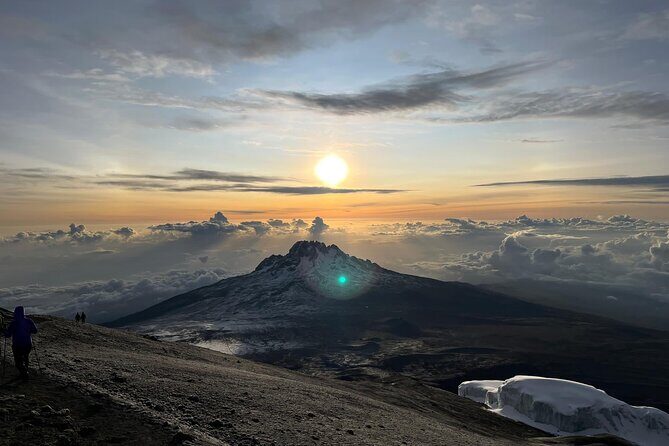
If you want Kilimanjaro without living in a tent for days, the Marangu Route is the obvious match. It’s also the route many first-timers choose because it’s known for a more gradual slope and a direct path toward the summit area. You still earn every meter, but the day-to-day rhythm tends to be more manageable than the steeper options.
The hut system is the real selling point. Instead of thinking about where you’ll sleep each night, you already know your sleeping locations: Mandara Huts, Horombo Hut, and Kibo Huts. That structure is practical when altitude is doing its own thing and you want your energy focused on the climb, not camp setup.
That said, “easier” doesn’t mean “easy.” Kilimanjaro is still Kilimanjaro. Your best move is to show up with moderate physical fitness and a calm mindset, because the mountain doesn’t care how confident you feel on day one.
A few more Moshi tours and experiences worth a look
Moshi Start: The Value of Two Nights Before and After
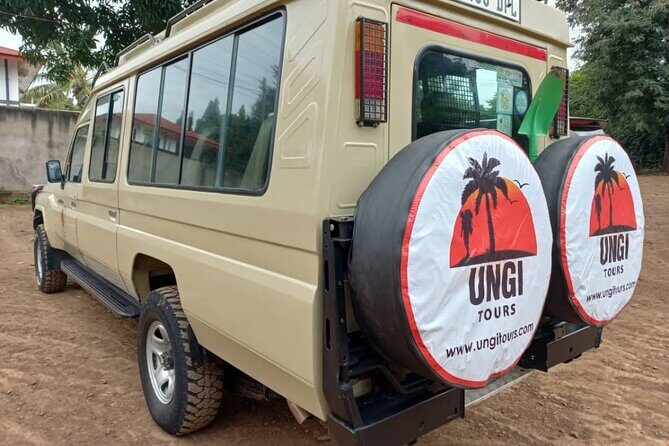
This experience includes 2 nights accommodation in Moshi. I like this part because it gives you a real place to reset. Moshi is where most climbers handle last-minute basics: getting organized, confirming gear needs, and settling into the time zone and routine.
Even if you’re the type who wants to “just get going,” those two nights can save you stress. Altitude and early mornings can wear you down. When your plan includes a place to sleep in Moshi, you’re less likely to feel behind before you even reach the first hut day.
The trip also offers pickup, which matters more than people think. On a mountain trip, small friction can snowball into big frustration. Pickup helps you stay in the flow and spend your focus where it belongs: on preparation and pacing once you’re climbing.
Mandara, Horombo, and Kibo: What Hut Bunks Really Mean
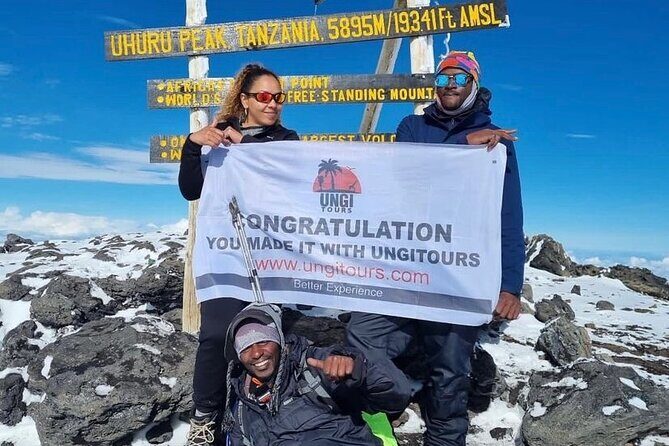
On Marangu, you’ll sleep in huts with bunk beds. This is the core difference between Marangu and many other Kilimanjaro routes. The upside is warmth and less “camping chaos.” The tradeoff is shared space, shared sounds, and less privacy than you’d get on camping routes.
Here’s what the hut capacity tells you. Mandara Huts have 60 bunks, and Kibo Huts also have 60 bunks. Horombo Hut jumps to 120 bunks, which often makes it feel like the social center of the climb. If you’re the kind of person who hates noise or being packed in, you’ll want to manage expectations for that segment.
Practical advice: plan to be comfortable in a “busy dorm” environment. Bring sleep basics you can control—like layers for chilly nights and anything that helps you rest even if the hut feels lively. The mountain schedule is strict enough; you don’t need your sleep plan to fall apart too.
The Six-Day Rhythm: How Marangu’s Pace Feels (Even Without Exact Hour Labels)
This trip runs approximately 6 days, and it’s built around Marangu’s reputation for an easier profile. That means the climb tends to feel more continuous and less “shock-and-awe” steep on many segments, compared with routes that throw steeper climbs at you earlier.
What you can count on is structure: a progressive journey through hut stages leading up to your Kilimanjaro summit attempt. The route is also known for being direct, so you’re not spending your days wandering through complicated zigzags.
The bigger “day-to-day” variable is how your body acclimates. The schedule gives you a framework, but your job is still to take it slow. If you feel breathless, that’s normal. If you feel unusually unwell, you should take it seriously and follow your guide’s direction right away.
Food Included: Three Meals Per Day and Why That Matters at Altitude
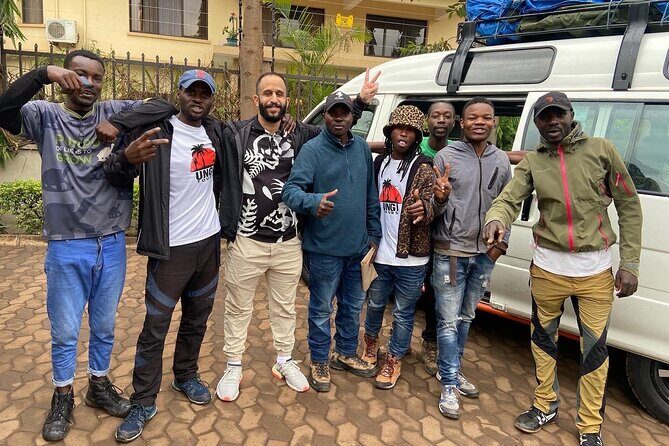
You get 3 meals per day for the 6-day climb, and that’s a big deal for value. At altitude, eating isn’t optional. Even when you don’t feel hungry, you need fuel to keep your body working.
Meals also remove a planning headache. You don’t have to estimate portions, manage fuel purchases, or worry about whether you’ll find food options when you’re tired. That’s especially helpful on a route where the schedule can be early and the weather can affect timing.
One practical point: breakfast is listed in the inclusions too. So you’re not starting the day on empty—another small stability piece when you’re balancing exertion, cold, and thin air.
Pickup, Mobile Tickets, and Confirmation: Small Logistics That Save Time
This experience is designed to be straightforward. It includes pickup offered and a mobile ticket. Confirmation is sent at the time of booking, which reduces the stress of wondering if you’re truly locked into the right plan.
The listed start time is 12:00 am, so I’d treat that as a reminder to confirm the exact departure details with the operator before your climb day. Early starts are common for summit logistics on mountain trips, but you still want clarity on when pickup happens and where you’re meeting.
If you’re planning flights or hotel check-out, build in a buffer. You’ll thank yourself when the early morning routine arrives.
Faiza and Ungitours: The Support Factor That People Actually Remember
In mountain climbing, the best itineraries are the ones that feel calm. A common theme in the feedback is that the team support made a real difference—especially when communication is quick and clear.
Guests specifically mentioned Faiza as responsive and helpful, including a Zoom chat where she gave detailed information about the Marangu Route 6 days. That matters because the most common mistake on Kilimanjaro isn’t lack of desire—it’s misunderstanding what the route is like and then feeling surprised by the pacing or sleeping setup.
The same feedback also praised the team as professional, attentive, and kind, and noted overwhelming support that helped with a successful summit. That aligns with how mountain trips work in real life: you’re not just buying a hike. You’re buying guidance, organization, and a plan for the moments when your legs or head feel off.
One more practical detail from guest experience: someone mentioned renting gear through Ungitours. The trip itself lists equipment as not included, so you should confirm what gear rental options exist and what’s available. Still, it’s a helpful sign that the operator can help you fill gaps if you’re missing key items.
Price and Value: Is $2,180 Worth It?
At $2,180 per person, this isn’t a budget trek. But when you look at what’s included, the price starts to make sense.
Included items worth counting:
- Admission ticket included
- Pickup offered
- 3 meals per day for the climb period
- 2 nights accommodation in Moshi
- Mobile ticket
Also important: Marangu’s hut system reduces some of the complexity compared to fully camping routes. That doesn’t remove the cost of guides, support staff, and mountain operations, but it changes the logistics. You’re paying for organized mountain infrastructure, not DIY camp planning.
Not included (so budget this separately):
- Tanzania visa
- Equipment
- Other personal items
So here’s how I’d judge value for your situation. If you already have solid gear and you’re comfortable handling your visa and personal expenses, this package price looks more reasonable. If you need help with equipment, confirm what’s available so you can estimate the real total cost before you book.
Gear, Visa, and Personal Items: What You’ll Need to Plan Yourself
The trip doesn’t include your Tanzania visa. That’s one of those costs that can sneak up if you wait too long. If your passport details are not fresh, take care of it early.
The big wildcard is equipment. The listing says equipment is not included, so you should prepare your packing list well. If you’re missing items, ask Ungitours directly about gear rental options before you finalize your budget. One guest mentioned gear rental through the operator, which suggests it’s possible—but still, confirm the range and terms.
For personal items, plan for basics you’ll actually use: warmth, comfort, and anything that helps you rest in huts. Hut sleeping often means colder nights than you expect, and shared spaces mean you’ll want to be self-sufficient.
Who This Works Best For (And Who Should Rethink)
This Marangu option is a strong choice if you want:
- Hut accommodations and bunk beds rather than camping
- A route described as the easiest on Kilimanjaro due to its gradual slope
- A plan that includes meals and a Moshi accommodation buffer
It’s also a good match for people who have moderate physical fitness and want a structured 6-day attempt. If you’re brand-new to altitude treks, Marangu can feel more approachable because the route is known for being gentler.
Who might rethink it?
- If you need privacy or you strongly dislike crowded sleeping quarters, Horombo Hut being larger (120 bunks) is something to consider.
- If you’re hoping for a more “rugged” or outdoorsy camping experience, Marangu is the opposite vibe. It’s a hut route, and that’s the point.
The best approach is to be honest about what kind of discomfort you can handle: the mountain itself is hard enough. You shouldn’t also add misery from sleeping conditions you didn’t anticipate.
Booking Decision: Should You Choose This Marangu 6-Day Climb?
If you want a well-supported, hut-based Kilimanjaro climb from Moshi with 3 meals per day, pickup, and clear route structure, I’d seriously consider booking this Marangu 6 days option. The hut setup is ideal for many first-timers because it simplifies sleep and daily logistics, and the support quality highlighted in feedback is exactly what you want when altitude starts playing mind games.
I’d book it particularly if:
- You prefer sleeping in Mandara, Horombo, and Kibo huts over camping
- You like clear planning and want your meals and Moshi stay handled
- You appreciate responsive pre-trip communication like what guests called out for Faiza
Hold off or ask more questions if:
- You’re worried about hut crowding and shared bunks
- You still need to sort equipment and want to know what rental options cover
- You’re unclear about exact pickup timing since the start time is listed very early
If you’re choosing Marangu, the decision is really about comfort style. This is the route for people who want to focus on hiking and acclimatizing—not on setting up camp every night.
FAQ
How long is the Kilimanjaro climb on the Marangu route?
The duration is about 6 days.
Where does this tour start?
It’s based in Moshi, Tanzania, and it includes pickup.
What kind of accommodation do I get on the mountain?
You stay in huts with bunk beds at Mandara Huts, Horombo Hut, and Kibo Huts.
How many meals are included?
The package includes breakfast and 3 meals per day for the 6 days.
Is accommodation included in Moshi?
Yes. It includes 2 nights accommodation in Moshi.
What’s included in the price?
The inclusions list breakfast, 3 meals per day for the 6 days, 2 nights accommodation in Moshi, and the admission ticket is included.
What is not included?
A Tanzania visa, equipment, and other personal items are not included.
When do you start?
The start time is listed as 12:00 am, and pickup is offered, so you should confirm the exact timing for your group.
Do I get confirmation right away?
Confirmation is received at the time of booking.
What is the cancellation policy?
There is free cancellation, and you can cancel up to 24 hours in advance for a full refund.
What fitness level do I need?
The tour is listed for travelers with moderate physical fitness level.
If you tell me your fitness level, what gear you already have, and roughly when you’re planning to go, I can help you sanity-check whether hut sleeping on Marangu sounds like your kind of Kilimanjaro.