REVIEW · MOSHI
Safari Serengeti And Ngorongoro
Book on Viator →Operated by Savannah Explorers · Bookable on Viator
Crater day is the main event. This 5-day safari from Moshi strings together two full days in Serengeti plus a descent into Ngorongoro crater, where wildlife density is the point.
What makes it feel worth the time and cost is the guide factor: people repeatedly mention standout spotting skills and calm control behind the wheel, with guides like Maulidi, Timba, Emmanuel, and Thomas (Uncle T) showing up by name in positive feedback.
One consideration: the days are long and spent mostly in the vehicle, so if you need lots of downtime, plan to pack for comfort and take it slowly.
In This Review
- Key Highlights Worth Getting Excited About
- A Northern Circuit Route That Hits the Big Two
- Day 1 in Karatu: Airport Transfer and Optional Market Stop
- Two Days of Serengeti Game Drives: More Chances, More Real Animal Time
- Ngorongoro Crater Descent: Why the Conservation Area Changes the Game
- What Meals and AMREF Evac Coverage Mean for Your Peace of Mind
- Meet the Team: Guides Who Actually Spot the Animals
- Price and Logistics: Is $2,845 a Good Deal?
- Group Size, Privacy, and the Safari Pace
- Pack Like a Pro: Comfort Items That Pay Off in the Parks
- Should You Book This Safari?
Key Highlights Worth Getting Excited About
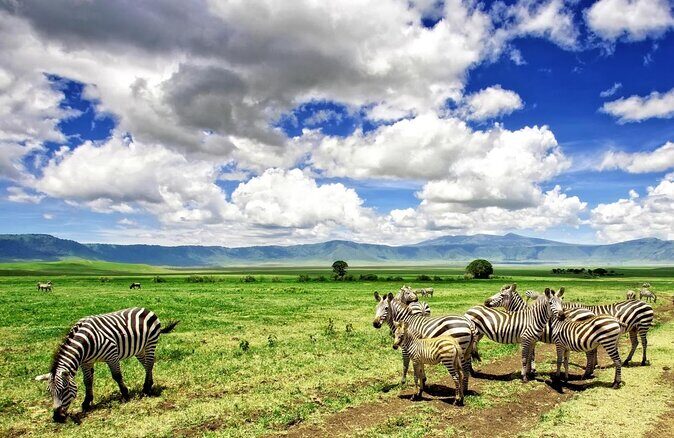
- Two game-drive days in Serengeti for more chances at strong sightings
- Ngorongoro crater descent with picnic lunch inside the conservation area
- AMREF Flying Doctors air-evac coverage (500 km radius) for extra peace of mind
- All meals included, with attention to dietary requirements
- Karatu market time as a quick, real-world slice of life near the parks
- Big Five-focused guiding with multiple guides praised for animal spotting
A Northern Circuit Route That Hits the Big Two
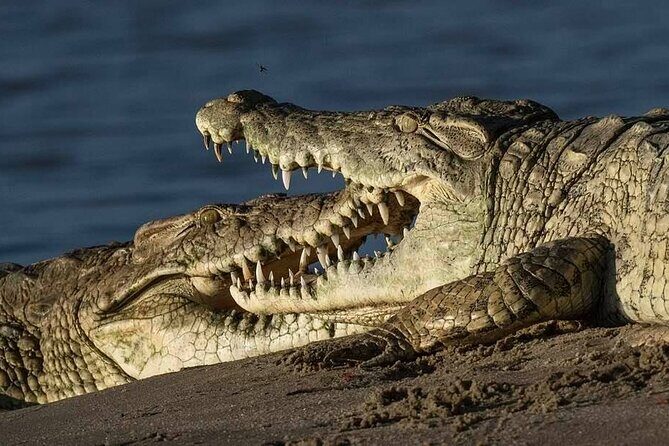
This itinerary is built around the two Tanzania sights that most people picture when they think of a proper safari: Serengeti and Ngorongoro. You’ll do real game driving in Serengeti across two long days, then you’ll switch gears and head into Ngorongoro Conservation Area for a crater drive. The rhythm matters. Two Serengeti days reduce the pressure of needing everything to happen on day two, and Ngorongoro gives you that high-density, enclosed-caldera feel.
You also get a “between-parks” day to recover a bit. Karatu is where you reset on either side of the main wildlife leg. That means you’re not only sleeping in the savannah-state of mind from sunrise to sunset.
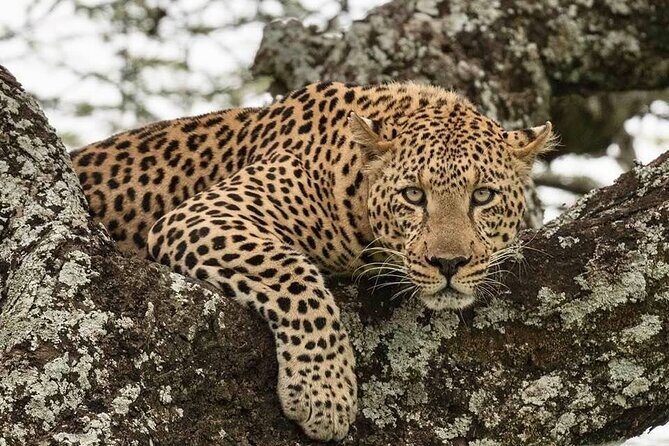
And yes, the whole thing is aimed at serious wildlife time. The route is famous for lions, leopards, cheetahs, giraffes, elephants, and more, and Ngorongoro is often described as a place where you can see animals in unusually concentrated ways.
A few more Moshi tours and experiences worth a look

Day 1 in Karatu: Airport Transfer and Optional Market Stop
Your safari starts with pickup at Kilimanjaro airport, then transfer to Karatu for an overnight stay. This is a practical choice. By the time you reach Karatu, you’re no longer dealing with “airport logistics” on the day you’re supposed to be watching wildlife.
There’s also a potential market stop in Karatu Village on the way, depending on timing. If you have the window, it’s a nice way to shift gears from travel-mode to local-life mode. If you don’t, you’ll have the option to just relax at the lodge, which I appreciate because the next days are full-on.
A small detail that helps: the itinerary lists park-related admissions as free on some segments and included on the crater day. Translation for your planning brain: you’re not stuck guessing which days require what paperwork on the ground.
Two Days of Serengeti Game Drives: More Chances, More Real Animal Time
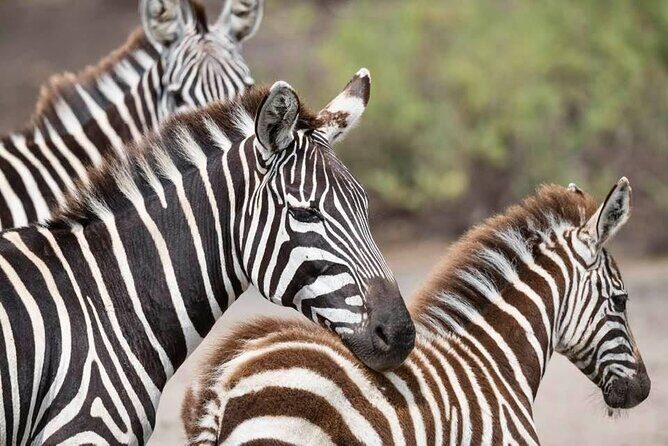
Serengeti National Park is the star here, and you’re not just getting a quick look. You’re doing game drives for two days, starting after breakfast and going deep enough that you’ll get used to the safari rhythm: stop, scan, watch movement, wait for the moment, then drive again.
What you’re aiming for is variety. Serengeti is huge, and even when you’re traveling along a set route, the wildlife mix changes through the day. That gives you chances at predators and prey in different lighting, plus the chance to see more “stories” than just a single sighting.
You’ll also likely have a more rewarding experience because you’re not fighting for one short block of time. Some groups were lucky enough to catch wildlife connected to the wildebeest migration late in the season, including sightings that helped round out Big Five dreams. Timing is never guaranteed on safari, but having multiple days does raise your odds.
Practical note: game drives run long—your day is built around that. The best way to handle it is to dress for sun and wind, keep water accessible, and treat your binoculars like a tool, not a decoration.
Ngorongoro Crater Descent: Why the Conservation Area Changes the Game
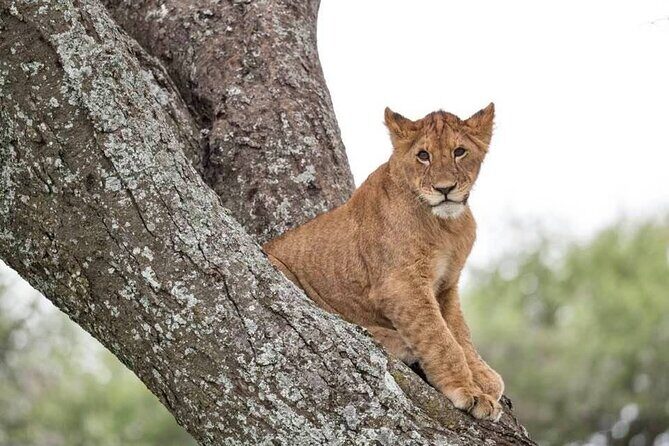
On day four, the trip shifts from open savannah driving to the dramatic Ngorongoro crater experience. You’ll drive to Ngorongoro Conservation Area, then descend into the crater for a game drive.
This is where the “why it’s famous” part becomes obvious. In a crater setting, animals often feel closer and more concentrated because of the geography. The crater also supports a reputation for high-density elephant viewing, and the conservation setting matters too. The area is described as a conservation project where the Maasai and their livestock live alongside wildlife. That mix gives the day a more grounded feel than a purely fenced-off park vibe.
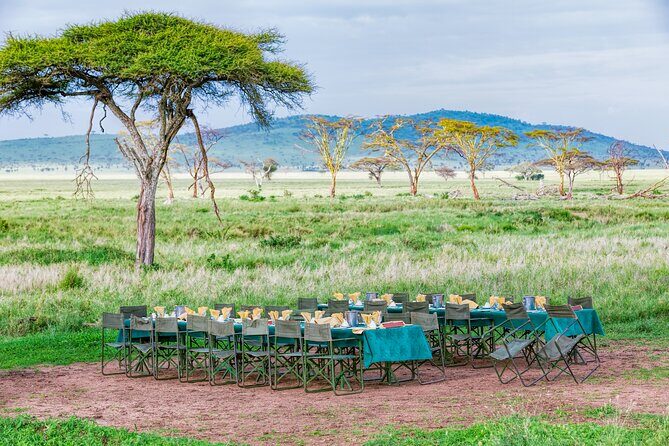
You’ll also have a picnic lunch during the crater game drive. That sounds simple, but it changes the flow. Instead of returning for a long break, your day stays focused on wildlife time—ideal when the animals are active and you don’t want to lose hours to logistics.
Expect the day to feel different from Serengeti: fewer “wide-open searching” moments, more “watching where animals naturally funnel into view.” It’s the kind of place where patience gets rewarded.
What Meals and AMREF Evac Coverage Mean for Your Peace of Mind
Let’s talk about comfort in the parts that don’t show up on Instagram. This tour includes all meals—breakfast daily and multiple lunches/dinners across the five days. The details list breakfast (4), lunch (3), and dinner (5), and they also state meals are catered to your dietary requirements. For me, that’s a big part of safari value. You’re in remote areas where finding reliable food on your own can turn into stress.
For safety, you also get AMREF Flying Doctors insurance for air medical evacuation service within a 500 km radius. That doesn’t replace your own travel insurance, but it does add a layer of support where logistics can get complicated fast.
One more practical point: the tour uses a mobile ticket. That’s minor until you’re sitting in a lodge lobby waiting for the right driver at the right time. In a place where connectivity can be spotty, having your ticket accessible on your phone usually helps reduce friction.
Meet the Team: Guides Who Actually Spot the Animals
Safari quality often comes down to one thing: who’s behind the eyes looking out for movement. This operator’s feedback is loaded with specific guide names and credits them for spotting animals and creating smooth days.
Names that keep coming up include Maulidi, Timba, Emanuel, Evarest, Emmanuel, Isaac, Daudi, Samwel, Chambuso, Richard, Semle, and Thomas (Uncle T). The common thread isn’t just friendliness. It’s alertness—being ready for sudden changes, noticing small movement, and getting the group into the right position at the right moment.
You also feel it in how people describe organization and comfort during transfers. Airport pickup and the smooth transition into the first overnight matter a lot, especially if you’re arriving from far away. When that first handoff is handled well, you’re more likely to stay relaxed enough to enjoy the early wildlife hours.
Tip for you: when your guide suggests where to park the vehicle or when to switch positions, trust the call. They’re not doing it for drama. They’re doing it because animals don’t ask permission.
Price and Logistics: Is $2,845 a Good Deal?
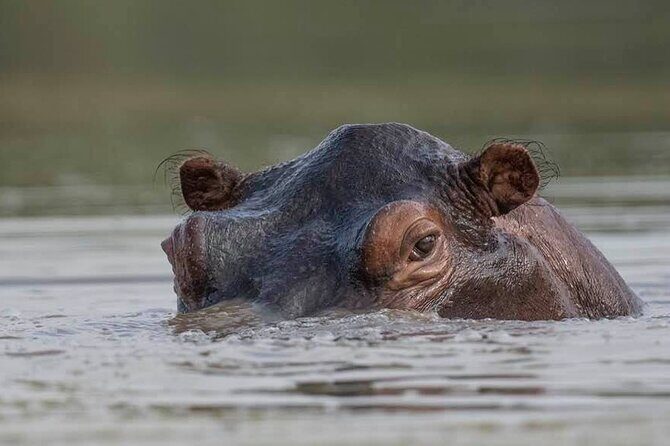
At $2,845 per person, this tour isn’t cheap. But it can still be good value, depending on what you’re comparing it to.
Here’s what you’re getting that helps justify the total:
- All meals included, with dietary requirements catered for
- AMREF air medical evacuation coverage (500 km radius)
- A route that combines Serengeti (2 game-drive days) and Ngorongoro crater
- Pickup at Kilimanjaro airport and transfers that keep you moving between key areas
- A tour setup described as private for your group (even if the price may be influenced by group-discount options)
What’s not included: international flights. That’s normal for safari packages, but it affects your true trip budget. Also note that the itinerary is described as non-refundable and not changeable once booked. So before you pay, make sure your calendar is truly locked.
If you’re deciding between a cheaper safari with fewer drives, this plan leans toward “more time chasing animals” rather than “more stops.” For most people, that’s the right trade.
Group Size, Privacy, and the Safari Pace
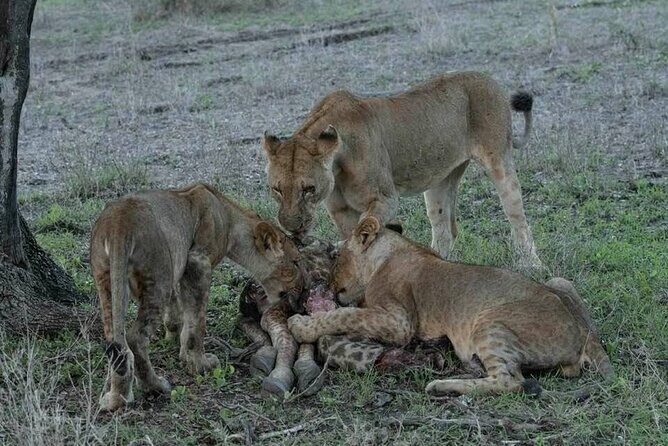
You’ll be in a private setting for your group, which usually means you’re not squeezed into someone else’s day. That can make a difference in how you feel during long drives. You can ask questions, adjust pacing when needed, and generally avoid the feeling of being rushed by the schedule of strangers.
That said, the pace is still safari pace. You’re trading convenience for wildlife time. Two full Serengeti days plus a crater day means you’ll be out early and returning late more often than you’ll want. If you’re the type who likes constant breaks, you might feel stretched.
On the upside, the itinerary does include lodge time in Karatu so you’re not living in the vehicle every single night. And reviews consistently point to good lodge experiences and friendly staff, which matters for how you recharge between driving days.
Pack Like a Pro: Comfort Items That Pay Off in the Parks
You can’t control weather or animal movement, but you can control how you feel after hours on safari roads. For this route, I’d pack for sun, dust, and long sits in one place:
- A hat and sunglasses (Serengeti light can be intense)
- Light layers (crater mornings and vehicle rides can shift)
- Sunscreen and insect protection
- Binoculars if you want to watch behavior details
- A reusable water bottle (and extra snacks if you’re prone to getting hungry between meals)
Also: keep your camera batteries and storage ready. The whole experience is built around sightings, and you’ll want to capture more than the “big moment” shot.
Should You Book This Safari?
If your goal is a classic Tanzania Northern Circuit safari with serious wildlife time, I think this 5-day setup makes a lot of sense. Two Serengeti game-drive days give you breathing room for sightings that don’t happen on cue, and Ngorongoro crater adds the high-density, geography-driven experience that many people find unforgettable.
Book it if:
- You want more than one shot at Serengeti
- You care about solid guidance and animal spotting (the guide names in feedback are a strong signal)
- You like the idea of meals included so you’re not managing food in remote areas
- You want AMREF air-evac coverage as part of your plan
Think twice if:
- You strongly dislike long vehicle days
- Your travel dates aren’t fully set (this one is non-refundable and can’t be changed after booking)
- You still need to budget for international flights on top of the listed price
If you’re ready for the real safari pace—early, patient, watchful—this route is designed to deliver. Just remember: the best sightings often come from waiting calmly, not from rushing the vehicle into the next moment.