REVIEW · MOSHI
Kilimanjaro 7 Day Private Trekking Experience
Book on Viator →Operated by Tanzania Escapade · Bookable on Viator
A summit date at midnight changes your whole week. This 7-day private Kilimanjaro trek from Moshi sets you up for the Machame route’s rhythm: rainforest starts, big alpine days, then the famous cold push to Uhuru Peak at sunrise.
I really like two things about this experience. First, the logistics feel tight, from the Machame Gate registration day-one process to the way food and camping run day after day. Second, the plan takes acclimatization seriously, especially the Lava Tower stop and the Barranco Wall day.
One possible drawback: the $3,120 per person price is a lot to stomach upfront, and tips and some personal gear are not included, so you should plan for extra costs beyond the base fare.
In This Review
- Key highlights at a glance
- Entering Kilimanjaro: Moshi, Pickup, and Your Machame Gate Start
- Day 2 Shira Camp One: Moorlands, Your First Glacier Glimpse, and Hot Drinks
- Day 3 Lava Tower Acclimatization and the Barranco Camp Descent
- Day 4 Barranco Wall and Karanga Valley: Where Your Hands Might Help
- Day 5 Barafu Camp and the South Circuit Build-Up: Glaciers on the Way
- Day 6 Midnight Summit Push: Ratzel, Rebmann, Stella Point, and Uhuru Peak Sunrise
- Day 7 Mweka Gate Finish Through Rainforest: Celebration, Shower, and Certificate
- Price and Value: What $3,120 Covers (and What You’ll Still Need)
- The Human Side: Oscar, Saul, and a Crew That Feels Like a Team
- Who This Private Kilimanjaro Trek Fits Best
- Should You Book This 7-Day Private Kilimanjaro Trek?
- FAQ
- Where is the trek based, and do they offer pickup?
- How long is the Kilimanjaro trek?
- Is this a private tour?
- What route does the itinerary follow on Kilimanjaro?
- What time do you start the summit night climb?
- What kind of terrain and conditions should I expect?
- Are food and tents included?
- Are park admission tickets included?
- Do I need my own climbing gear?
- Are guide and porter gratuities included in the price?
Key highlights at a glance
- Private trek feel with your group only, plus pick-up offered from Moshi
- Crew-powered service: guides, porters, chefs, camping crew, and transfers
- Acclimatization built into the route with a climb-high, sleep-low approach
- Machame-to-South Circuit pacing using Shira, Lava Tower, Barranco, Karanga, Barafu, then Mweka descent
- Summit night timing with a midnight departure and sunrise payoff
- Finish care in Moshi: hot shower, lunch, and a certificate of achievement
Entering Kilimanjaro: Moshi, Pickup, and Your Machame Gate Start
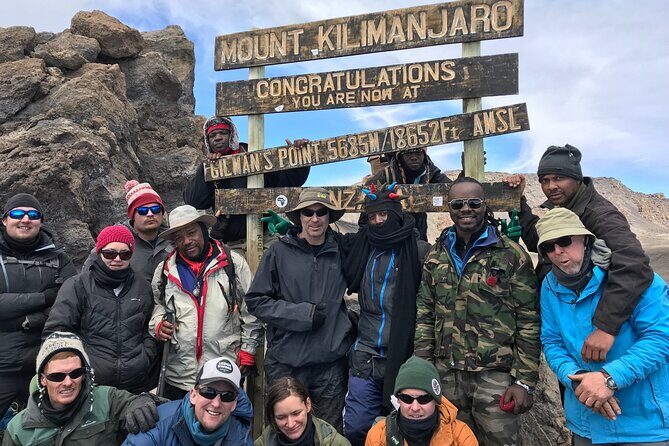
If you’re the type who likes a plan you can trust, you’ll appreciate how this trek begins. In Moshi, you’re met and checked-in as a team, then driven to the Machame Gate. Anything you don’t want to carry on the mountain can be left in a hotel lock-up, which is a small detail that saves a lot of stress once you’re surrounded by altitude.
Day 1 is all about easing into the mountain. You climb from roughly 1,800m to 3,000m over about 11 km and around 6 hours, moving into rainforest. That matters more than it sounds. Rainforest breathing is usually easier than later rocky sections, and it gives you a chance to settle into the routine: walking time, breaks, and the camp system.
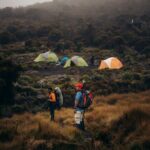
What you do on this day also sets expectations for the whole week. You get a packed lunch, and you’ll stop about halfway to eat before continuing to Machame Camp in the late afternoon. Camps run on a predictable rhythm: arrive, settle in, then the real work of getting rested starts.
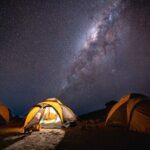
Practical note: this is a camping trek, so your comfort will come from your camp setup and how well you follow your routine. You’ll want to treat Day 1 like the warm-up it is, not a race.
You can also read our reviews of more private tours in Moshi
Day 2 Shira Camp One: Moorlands, Your First Glacier Glimpse, and Hot Drinks
Day 2 is where the mountain starts changing its outfit. You wake at 6:30am with a hot drink, then breakfast in camp before heading out. The route transitions from rainforest into open moorlands. You’ll move from about 3,000m to 3,850m over around 9 km and roughly 6 hours.
You’re trekking through sparse vegetation and then toward a steep rocky ridge. That shift can feel sharp if you went from lush greens to open space too fast, so keep your pace steady. Even when the terrain looks less “hard,” altitude can still make it feel heavy.
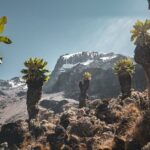
The payoff comes as the route angles toward Shira Plateau. You catch your first glimpse of the Western Breach and its glaciers. It’s the kind of view that gives you context for what’s ahead, even if your summit still feels unreal.
On arrival at Shira Camp, the cook welcomes you with boiled drinking water and hot drinks, which is exactly what you want when the air gets thinner. It’s also a good time to start thinking about hydration like a job, not a casual habit.
Day 3 Lava Tower Acclimatization and the Barranco Camp Descent
Day 3 has the feel of a turning point. You’re moving from 3,850m to about 4,600m, then descending later toward Barranco Camp. The day covers around 12 km and takes about 7 hours, but the time is not the headline here. The acclimatization strategy is.
You leave Shira Camp after breakfast and trek for 4–5 hours toward Lava Tower (4,600m). The idea is simple: go high enough to trigger acclimatization, then start bringing your body down later to sleep lower. When you reach Lava Tower, you’ll stop for lunch and use the break for acclimatization on-site.
Then comes the “climb high, sleep low” moment: a 2-hour descent by about 650m to Barranco Camp. This is described as your toughest day so far, and that tracks with what many people feel on Kilimanjaro—your legs are fine, but your breathing is suddenly the boss.
Even so, this day brings strong photo opportunities. If you’re someone who needs proof the effort is real, this is when you start collecting it.
Day 4 Barranco Wall and Karanga Valley: Where Your Hands Might Help
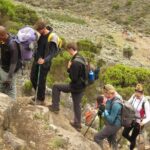
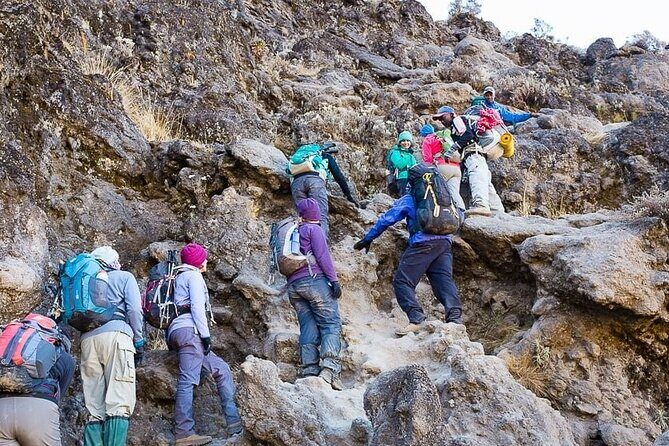
Day 4 is one of those days that people remember for the terrain, not just the altitude. After breakfast you head to Karanga Valley. The route starts with a 1.5-hour scramble up Barranco Wall, and yes—there are spots where you’ll need your hands to pull yourself up.
That doesn’t mean it’s technical climbing, but it does mean balance and confidence matter. If you’re afraid of heights or slippery rock, you’ll want to rely on your guide’s pacing and choose your footing carefully at every move.
Once you reach the top, you descend briefly into the greener Karanga Valley, and you camp on a ridge above the valley. This detail isn’t just scenic. It supports acclimatization by keeping your sleep conditions sensible while still giving you time on the trail.
This is also a day where “private” can be genuinely useful. Your crew can adapt the pace for your group, and you can ask questions without feeling like you’re constantly waiting your turn.
Day 5 Barafu Camp and the South Circuit Build-Up: Glaciers on the Way
Day 5 is your bridge between the earlier stages and the summit day mindset. After breakfast, you hike toward Barafu Camp over about 6 km and roughly 7 hours.
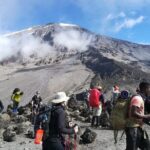
One of the strongest things about this day is that it gives you summit context without forcing you into summit-night energy yet. On the way, you see Kibo’s glaciers and the junction that connects the Mweka descent route with the Machame trail.
As you top out just below the Heim Glacier, you really start to appreciate how big Kilimanjaro looks when you’re close enough to feel it. From here, the route heads down through the Karanga Valley, over ridges and valleys, and joins the Mweka Route. That junction is important: it’s your reminder that you’re not only going up—you’re also building the path home.
This day follows the idea that the South Circuit offers views of the summit from multiple angles. Translation: you get enough sightlines that your brain keeps catching up with your body.
By the time you reach Barafu Camp, you’ve done the work of getting high and now you’re switching gears. Eat well, rest hard, and treat the afternoon like the calm before the most dramatic night of your life.
You can also read our reviews of more hiking tours in Moshi
Day 6 Midnight Summit Push: Ratzel, Rebmann, Stella Point, and Uhuru Peak Sunrise
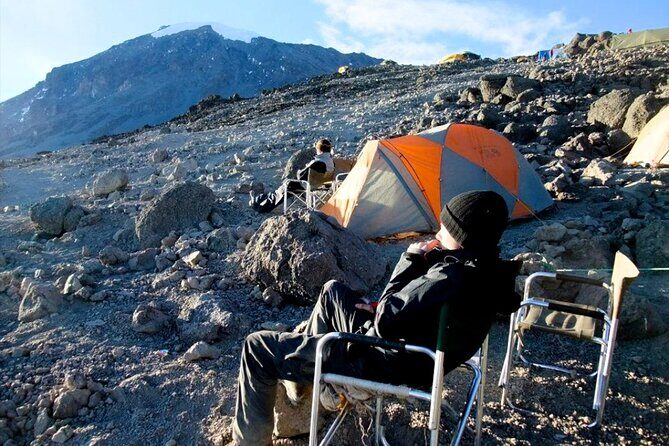
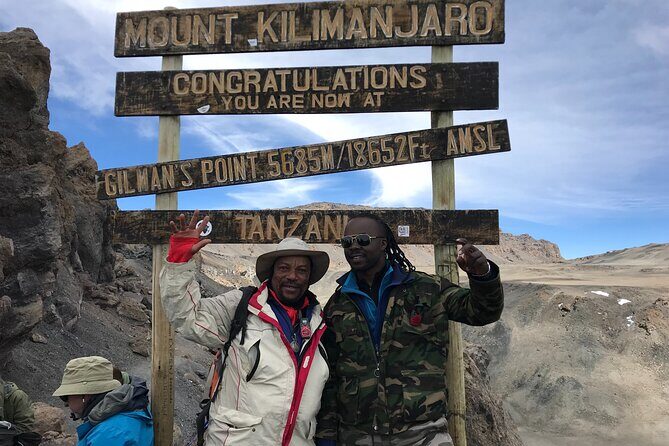
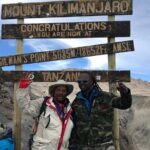
This is the day people talk about because it’s intense in a very specific way. You wake to tea at 11:30pm, then depart for the climb at midnight. You’ll be walking in the dark with headlamps, following guides through screen-like ice conditions and winding pathways of Ratzel and Rebmann Glaciers until you reach Stella Point.
The notes here call this the most challenging part for many people. That matches the practical reality: you’re tired, cold, breathing hard, and you’re moving before the mind has fully caught up. Your job is to keep rhythm and let your guides manage the pacing.
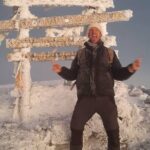
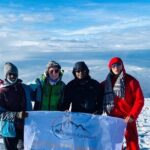
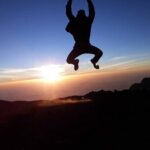
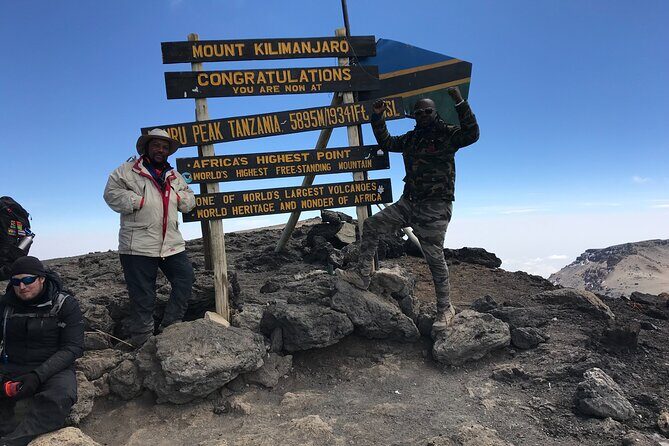
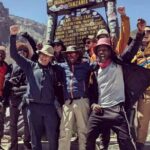
Then comes the reason it hurts so much. You’ll be rewarded with what’s described as perhaps the most emotional sunrise you’ll ever see—while standing at Stella Point and making your way to Uhuru Peak (5,895m noted).
If you’ve ever wondered why people chase Kilimanjaro even after training, this is why. It’s not just a peak. It’s the timing: midnight start, slow climb, and that instant when the sky flips from black to gold.
You’ll descend afterward (the day includes a long descent listed as about 23 km) to return to lower elevations roughly toward 3,100m. That descent is not optional—this trek is about the whole arc, not just the photo at the top.
Day 7 Mweka Gate Finish Through Rainforest: Celebration, Shower, and Certificate
Day 7 is the payoff day in a more human way. You’re woken again for a final celebratory breakfast. The crew congratulates you in their own special way, and it’s also the time to thank them and show appreciation through tips.
Then you hike down toward Mweka Gate on a final 3–4 hour scenic descent (from about 3,100m to 1,800m, around 10 km). The trail moves back into rainforest, which can feel like a physical exhale after days of altitude air.
At the gate, there’s a celebratory beer or champagne while your equipment is loaded. Then you’re driven to a hotel in Moshi for the thing many hikers treat like a religious ritual: a hot shower plus lunch. After dinner, you’ll receive your certificate of achievement.
It’s a nice close to the loop. You go from camp routine to gate celebration to real-world comfort, and it makes the whole week feel complete.
Price and Value: What $3,120 Covers (and What You’ll Still Need)
At $3,120 per person, this is a premium Kilimanjaro experience, but it’s not just a ticket to the mountain. The included pieces are the value core:
- Food throughout the trek (breakfast, lunch, dinner are listed across the days)
- Tents and camping support
- Mountain crew salaries (guides, porters, chefs, and camping crew)
- Pre and post climb accommodation
- Food and beverages as part of the camp routine
- Meet-and-greet services and transfers where specified
- Mobile ticket and pickup offered
What’s not included is equally important for budgeting:
- Personal climbing gear (and it can be hired locally if required)
- Gratuities for guide and porters
- Travel and baggage insurance
- Telephone bills and laundry
So how do you judge value? If you compare trekking-only vs full service, this package leans toward full service. You’re paying for the crew infrastructure, the rhythm of meals, tents, and the handoffs from gate to trail to hotel. If you want a less hands-on experience where your team handles the mountain logistics, it’s easier to justify.
If you’re trying to minimize costs or you prefer to self-organize gear and meals, you might find the included structure less flexible than a bare-bones option. But the private nature and full crew support are the point here.
The Human Side: Oscar, Saul, and a Crew That Feels Like a Team
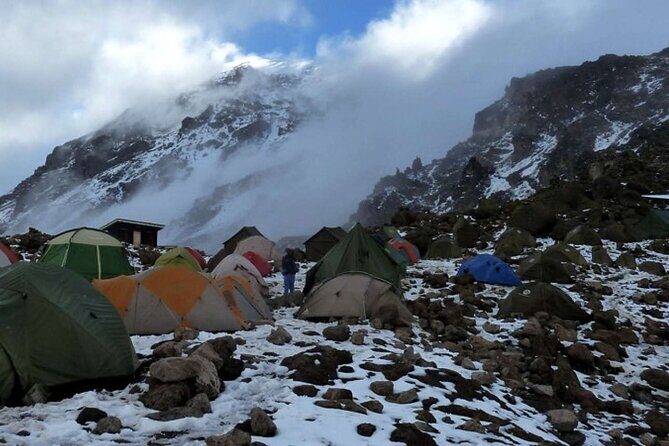
The best Kilimanjaro treks are not about the peak alone. They’re about how your team handles the long hours when motivation gets thin.
In the feedback around this operator, Oscar (the owner) comes up again and again for fast, positive email responses and the ability to coordinate not just the climb but also extras like safari planning and Kikuletwa hot springs. That kind of responsiveness matters because Kilimanjaro is stressful enough without waiting days for answers.
Guides highlighted include Saul for being kind, friendly, and knowledgeable, and Jonas for well-organized leadership on a Lemosho climb (useful context even if your route here is Machame-based). Porters and team members like Mvungi, Jackie, Emmanuel, Jac, and Gaudence are praised for friendliness and support, and one review describes the crew as feeling like family.
I like the fact that this kind of praise isn’t only about “personality.” It’s tied to practical things: planning, helpfulness, and keeping the whole camp system working smoothly.
One thing to watch: in your own week, your experience depends on how you communicate your pace and needs. If you’re vocal early and steady with your habits (rest, hydration, and following instructions), you’ll get more out of a strong crew.
Who This Private Kilimanjaro Trek Fits Best
This is built for people with strong physical fitness and a willingness to camp at high altitude. It’s also described as private—only your group will participate—so it suits couples, small groups, and anyone who wants to move as one unit instead of being mixed with strangers.
You should also be comfortable with the reality that the day structure is demanding. You have rainforest trekking, moorland and semi-desert terrain, a scramble day with hand-and-foot moves, and summit night beginning at midnight.
If you’re bringing kids, note that children below 15 require special requirements before trekking, so you’ll need extra planning and confirmation.
Should You Book This 7-Day Private Kilimanjaro Trek?
You should book if you want a full-service Kilimanjaro week that handles the big moving pieces for you: crew support, tents, meals, and the end-to-end flow from Moshi to the gate to a hot shower and certificate. The acclimatization rhythm built into the Lava Tower and Barranco plan is exactly what you want in a 7-day itinerary.
I’d think twice if the summit idea is appealing but your budget is tight, because the base price doesn’t include tips, insurance, or personal gear. Also, this experience requires good weather, and it can’t be swapped easily once booked, so only commit if your dates and conditions are realistic.
If you’re ready for a serious climb with a well-supported team, this is the kind of Kilimanjaro plan where you focus on breathing and the next step, instead of managing the machine behind the scenes.
FAQ
Where is the trek based, and do they offer pickup?
The trek is based in Moshi, Tanzania, and pickup is offered. You’ll be driven to the Machame Gate at the start of the trek.
How long is the Kilimanjaro trek?
The experience is listed as 7 days (approx.).
Is this a private tour?
Yes. It’s described as a private tour/activity, meaning only your group participates.
What route does the itinerary follow on Kilimanjaro?
The trek follows the route described by the day’s stops: Machame, then Shira Camp One, Lava Tower, Barranco Camp, Karanga Valley, Barafu Camp, the summit at Uhuru Peak, and then descent via the Mweka Gate.
What time do you start the summit night climb?
You’ll have wake-up tea served at 11:30pm, with departure at midnight.
What kind of terrain and conditions should I expect?
You’ll experience rainforest early and on the final day, then moorland and semi-desert higher up, plus a Barranco Wall scramble and icy glacier terrain on summit night.
Are food and tents included?
Yes. The inclusions list food and tents, along with breakfast, lunch, and dinner across the trek days.
Are park admission tickets included?
The itinerary notes list admission ticket coverage as free or included on multiple days (Day 1, Day 2, Day 3, Day 4, Day 5, Day 6, and Day 7 are marked accordingly in the schedule).
Do I need my own climbing gear?
Personal climbing gears are not included, but the information says they can be hired locally if required.
Are guide and porter gratuities included in the price?
No. mountain guide and porters gratuities are listed as not included.