Wildlife hits fast on this six-day safari. You’ll start in the Moshi area and swing through Lake Manyara’s tree-climbing lions and Serengeti migration country, with all entrance fees included and guides helping you read what you’re seeing (not just where to look). It’s the kind of trip where the scenery changes often, but the structure stays calm.
One thing to plan for: you’ll spend plenty of time driving and sitting in a safari vehicle, often with early starts. If you want a vacation that feels slow and quiet, this isn’t it; if you like action and great wildlife odds, you’ll be in your element.
In This Review
- Key highlights I’d anchor this safari on
- Moshi to safari circuit: what a 6-day rhythm really feels like
- Price and logistics: why $2,772 can feel like value (or not)
- Lake Manyara: tree-climbing lions and escarpment theater
- Serengeti: where you’re not just looking for animals, you’re tracking a system
- Olduvai Gorge: a stop that adds meaning, not just another viewpoint
- Ngorongoro Crater: the caldera scale and a Big Five day
- Tarangire: birding energy and dry-season game near the Tarangire River
- Guides and driver style: what makes this safari feel smooth
- Accommodation and meals: full-board comfort for a bush schedule
- Birdlife and wildlife variety: what you’ll likely keep noticing
- Should you book this safari with ZARA TOURS?
- FAQ
- Where does the safari start?
- How long is the safari?
- What parks and sites are included?
- Are park entrance fees included?
- What meals are included?
- Is vegetarian food available?
- What is the group size limit?
- Is airport transfer included?
- What’s the cancellation deadline for a full refund?
Key highlights I’d anchor this safari on
- Lake Manyara tree-climbing lions in the right habitat, explained at the park level
- Serengeti wildebeest and zebra migration zones timed to seasonal movement patterns
- Olduvai Gorge on the way to Ngorongoro, for an on-foot sense of the Cradle of Mankind
- Ngorongoro Crater caldera day with strong chances for the Big Five in one protected bowl
- Tarangire birding and dry-season game built around water scarcity near the Tarangire River
- Small-group feel (max 12) plus a team focused on keeping drives productive and safe
Moshi to safari circuit: what a 6-day rhythm really feels like
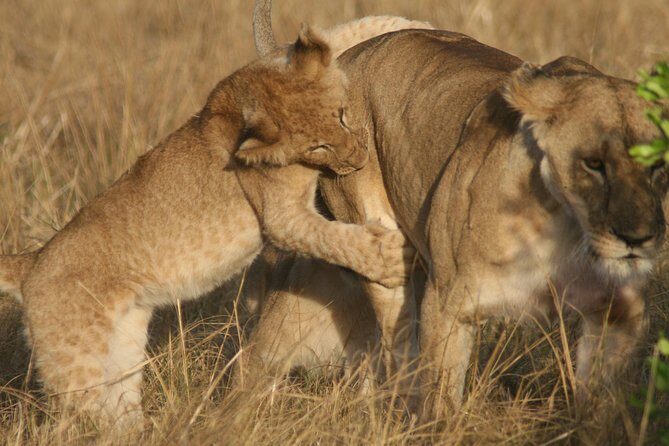
This safari is built around a classic northern circuit from Moshi, with each day tied to a specific “why this place matters” wildlife moment. You’ll move from lakeside and forest edge (where animals use cover) to open grasslands (where the big herds roam), and then into the dramatic geology of Ngorongoro.
Most days follow the same rhythm: wake up, drive, game-view in prime light, then settle into camp or lodge for meals and a reset. The upside is you’re not doing random day trips; the flow makes sense for seeing animals in different environments instead of repeating the same scenery over and over.
You can also read our reviews of more evening experiences in Moshi

Price and logistics: why $2,772 can feel like value (or not)
At $2,772 per person for about 6 days and 5 nights, you’re paying for more than a vehicle and a driver. What helps the value story here is that national park gate fees and transport with driver-guide(s) are included, and your days aren’t “piecemeal” with surprise add-ons inside the parks.
On top of that, you get full-board accommodation (double occupancy) described as lodge safari style, plus all camping equipment. Meals are included daily with 5 breakfasts and 6 lunches and dinners, which matters because safari food can get pricey once you’re out in the bush.
Two practical cautions. First, tips for your driver-guide aren’t included, so you’ll want to budget for that. Second, transfer to/from the airport is listed as not included, even though Moshi pickup is mentioned and the meeting point includes Kilimanjaro Airport—so you should confirm exactly what they cover for your arrival day and timing.
Lake Manyara: tree-climbing lions and escarpment theater
Lake Manyara National Park is where the safari surprises you with variety in a small area. Approach it from the east and you get that Rift Valley wall on the horizon, then the landscape switches from escarpment shade to forest and meadow edges.
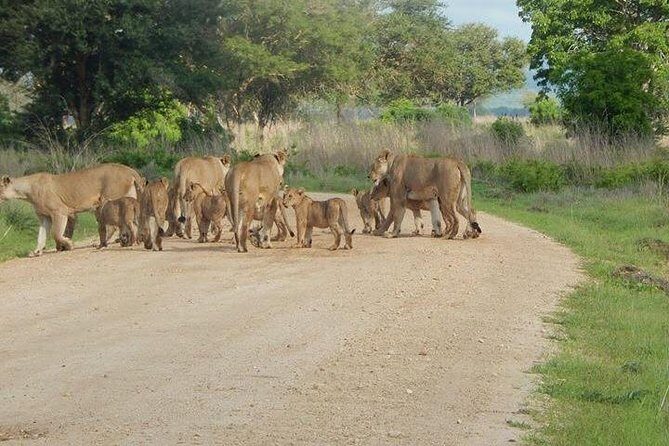
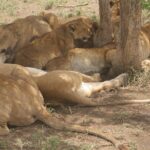
What you’re aiming for here is the park’s famous tree-climbing lions. The game-viewing lesson is simple but important: you’ll want to slow down your scanning and watch how predators use trees, not just open ground. With an accredited guide on board, you’ll get explanations for what you’re seeing “at each level,” which helps you spot movement patterns instead of only chasing headlines.
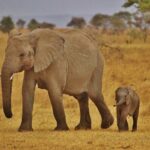
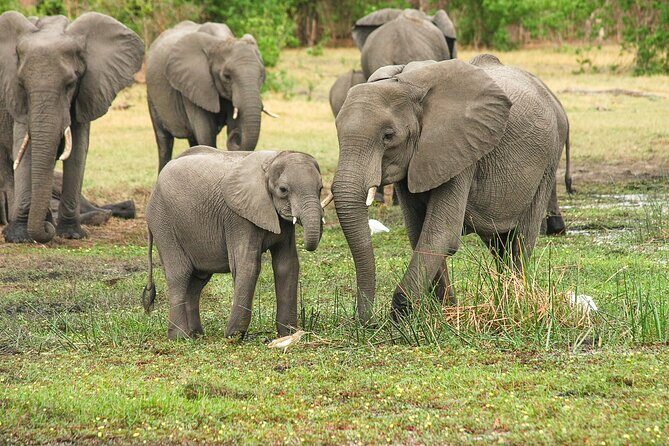
Also keep your eyes up and to the sides. In the ground water forest, monkeys are active in the canopy, while on the escarpment elephants often show up in the shade. This is the day where you learn the park’s rhythm—cover first, then the action follows.
Serengeti: where you’re not just looking for animals, you’re tracking a system
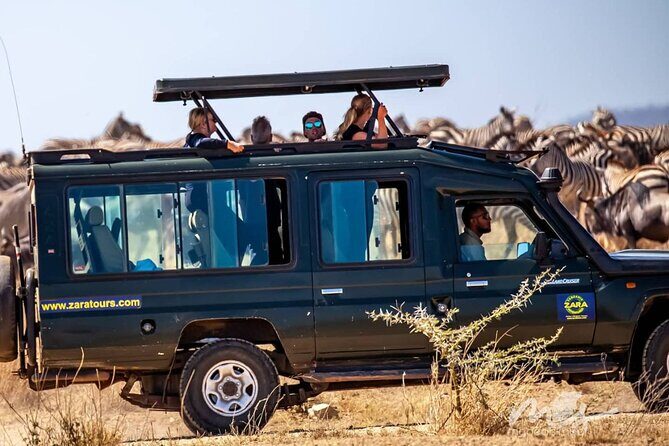
Serengeti doesn’t work like a zoo. It works like a living map where food and water patterns pull herds across the grasslands.
This portion of the safari is built around the annual migration of wildebeest and zebra, with the focus on the way herds move north from breeding grounds in the southern plains as pasture changes. The benefit for you is that your guide isn’t just pointing at wildlife; they’re explaining the logic behind where the movement happens, which makes the whole day feel more purposeful.
The driving style matters too. Good Serengeti days are about angles—positioning the vehicle so you can see behavior, not just distant silhouettes. Based on how the team is described in multiple experiences, they also work hard to get you better photo opportunities by finding good spots when animals appear.
Olduvai Gorge: a stop that adds meaning, not just another viewpoint
When most people hear safari, they think animals. Olduvai Gorge is the curveball that adds a human layer to the trip—and it’s a powerful one.
You’ll pass via Oldupai/Olduvai Gorge on the way to Ngorongoro, and the story here is about the Cradle of Mankind. The framing you’ll hear is that the site is believed to be connected to the first humans to walk on Earth, which turns a roadside landscape into a place with gravity.
Then you roll forward to Ngorongoro, and the scenery shifts from “where we came from” to “where nature compressed time.” It’s a two-part emotional arc: you learn, then you look at the caldera’s scale.
A few more Moshi tours and experiences worth a look
Ngorongoro Crater: the caldera scale and a Big Five day
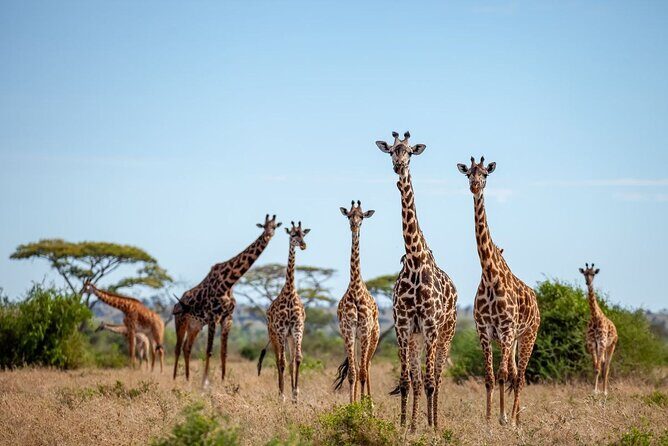
Ngorongoro is often described as one of the most dramatic wildlife settings in Africa, and the “largest intact caldera” idea isn’t just a trivia line—it changes how the day feels. Think of it as a natural bowl where visibility, animal routines, and habitat variety all compress into one viewing zone.
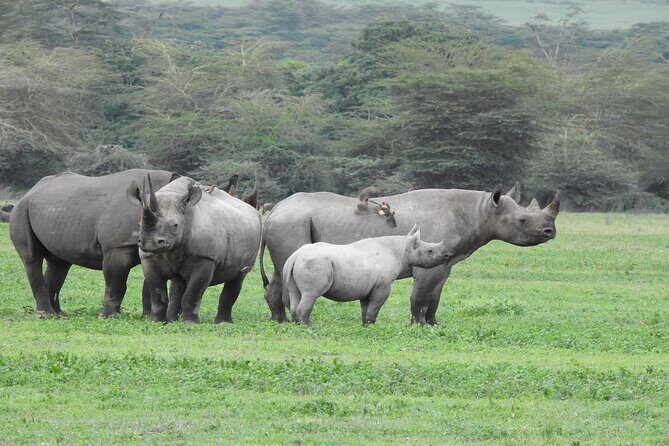
The standout safari goal here is the Big Five chance, including black rhinos. The plan for your day is that the crater is currently set up so you can see (or at least have strong opportunity for) the black rhino, elephants, lions, buffalos, and leopards.
Here’s the practical tip: in places like this, timing is everything. You’ll want your guide to place the vehicle where you can watch behavior—resting, feeding, calling, moving between cover—because that’s what makes a sighting feel real instead of rushed.
Also, the crater’s setting tends to pull in multiple species in one day. Even when something doesn’t happen on cue, the day stays interesting because habitats differ within the caldera edges: open sections, shaded routes, and spots where animals choose cover.
Tarangire: birding energy and dry-season game near the Tarangire River
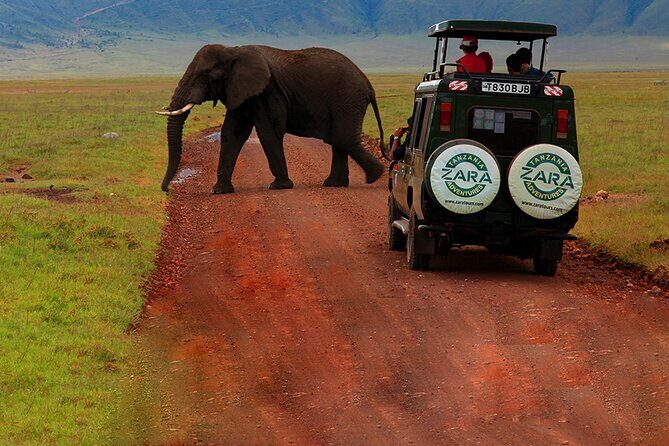
Your last major wildlife stop leans into two things safari fans love: birds and big-game concentration when water is scarce.
Tarangire is described as a wonderful birding destination, and it also holds large numbers of game in the dry season. The key detail is the Tarangire River acting as a crucial water source when conditions get tougher—so animals come to where life is easiest.
This is also the point in your trip where you’ve already learned how to read habitats. You’ll likely find yourself scanning differently: not only for the big animals, but for the movement that comes from birds reacting to feeding areas and animals shifting position as they follow water.
If you enjoy getting those “small moments” on safari—like a flurry of bird activity or a sudden silhouette in the distance—this is where the trip can feel especially rewarding.
Guides and driver style: what makes this safari feel smooth
A safari succeeds or fails based on people skills: safety, patience, and the ability to adapt when the wild doesn’t follow a schedule.
The team you’ll travel with is described as friendly, accommodating, and professional, with guides who know how to explain what’s happening at the right moment. One recurring theme is that drivers do extra work to find animals and help with photo angles, which is huge if you’re traveling with a camera or just want the best chance at meaningful sightings.
You may also hear guide names mentioned by previous participants, including Danny, Peter Minja, Tenga, and Arnold. Since guide assignments can vary, I can’t promise who you’ll get—but the broader point is that this operation is staffed by people who care about both safety and your experience on the ground.
There’s also a “home base” feel in the way they run the trip. Even when a day gets busy, the vibe is organized enough that you’re not stressed about what comes next.
Accommodation and meals: full-board comfort for a bush schedule
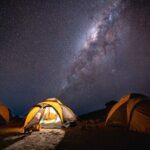
This safari includes full board accommodation on a double-occupancy basis, described as lodge safari style. It also includes all camping equipments, so the trip may blend lodge nights with camping setup depending on the exact plan for your dates.
Meal coverage is one of the easiest wins in this itinerary. You’ll have breakfast included multiple days and both lunch and dinner planned for you. That matters because it keeps you from losing energy to logistics when what you really want to do is get out and watch wildlife.
From the way food and lodging are described, the experience is more than bare survival-style basics. Expect food to be a strong part of the recovery after long viewing drives, and expect rooms or camps that help you sleep well enough for the next early start.
Birdlife and wildlife variety: what you’ll likely keep noticing
Even if you’re laser-focused on predators, this circuit rewards the patient scanner. Lake and forest habitats bring a lot of movement: monkeys in trees, elephants around shaded zones, and bird activity that can spike when animals stir the environment.
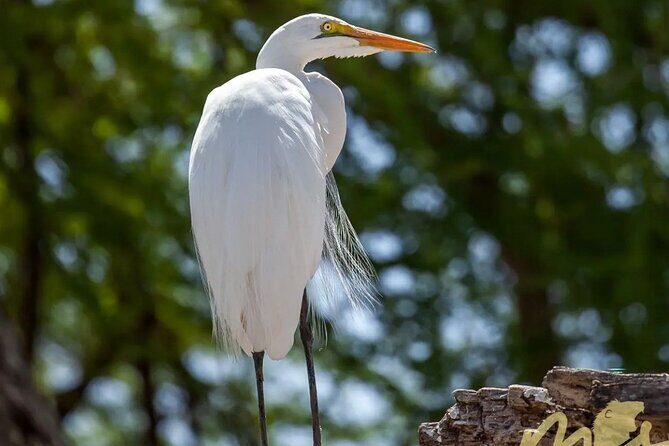
There’s also mention of flamingoes in the region—greater and lesser—and other birds like storks and pelicans in lake-meadow settings around the broader route. You may or may not catch the exact species in peak numbers depending on season and where you stop that day, but it’s a reminder that this isn’t just a “big cat only” itinerary.
The best strategy for you is simple: don’t lock your eyes to one species. When your guide spots something, look in the direction they point, then scan the surrounding habitat for second-order clues—tracks, calls, birds reacting, or animals changing position.
Should you book this safari with ZARA TOURS?
I think this is a strong pick if your priority is high-effort wildlife time across multiple ecosystems, with park fees and meals already handled. The small group size (max 12) helps the experience feel more personal, and the repeated emphasis on finding animals and working for good photo angles is exactly what you want on safari.
Book it if:
- You want Lake Manyara, Serengeti, Ngorongoro, and Tarangire in one run with minimal planning on your end
- You’re okay with early starts and a vehicle-heavy schedule
- You want a guide who explains what you’re seeing, not just where to sit
Be cautious if:
- You dislike long drives and want a slower pace
- You don’t want to manage tip budgeting (tips for the driver-guide aren’t included)
- You need an airport transfer included in the price, since transfers to/from the airport are listed as not included here
FAQ
Where does the safari start?
The meeting point is listed as Kilimanjaro Airport in Tanzania.
How long is the safari?
It’s listed as 6 days (approximately 5 nights).
What parks and sites are included?
The experience includes Lake Manyara National Park, Serengeti National Park, Olduvai Gorge, and Ngorongoro Crater, plus Tarangire-related wildlife viewing tied to the Tarangire River and birding.
Are park entrance fees included?
Yes. National park gate fees are included, and all entrance fees are listed as part of the tour.
What meals are included?
Breakfast is included (5), plus lunch (6) and dinner (6), with full-board accommodation.
Is vegetarian food available?
Yes. A vegetarian option is available if you advise at the time of booking.
What is the group size limit?
The tour/activity has a maximum of 12 travelers.
Is airport transfer included?
No. Transfer to/from airport is listed as not included, even though Kilimanjaro Airport is the meeting point, so it’s smart to confirm what happens on your arrival day.
What’s the cancellation deadline for a full refund?
You can cancel up to 6 days in advance for a full refund, with the cut-off based on the experience’s local time.