REVIEW · MOSHI
Kilimanjaro Climbing Lemosho Route 8 Days.
Book on Viator →Operated by Habari Adventure · Bookable on Viator
Kilimanjaro on Lemosho feels like a long, well-run game plan. This private 8-day route in Tanzania lines up rainforest walking, moorland views, and a logical acclimatization rhythm, plus a serious midnight summit push. I especially like the private pace-control approach and the way the plan is built around safety checks and steady altitude gains.
Two things I like a lot: you get pulse oximeters, first aid kits, and emergency oxygen as part of the trek, and you don’t have to manage logistics for meals and camp stays because everything is booked for you. Guides and crews on this route are often praised by name, including people like Yusuph (nicknamed Dr Yusuph), Abdi, and Michael, which tells me the human support is a real part of the value.
One consideration: you’ll still be making a high-altitude, physically demanding climb with a very early wake-up for the summit attempt, so you’ll want to be honest with your fitness and expectations before you sign up.
In This Review
- Key things I’d zero in on before booking
- Moshi arrival and the gear check that sets the tone
- Londorossi Park Gate to Mti Mkubwa Camp: rainforest walking and first-camp reality
- Shira Plateau Day: moorland miles, Kibo views, and a controlled climb
- The shorter Day 4 with tea and an acclimatization walk
- Lava Tower to Baranco Camp: alpine desert vibes and Western Breach photos
- Baranco Wall to Karanga Camp: the climb-with-sense-of-humor day
- Barafu Camp and the midnight start: where your sleep plan goes to die
- Stella Point at sunrise and Uhuru Peak photos: the summit push in plain terms
- Mweka descent to certificates: turning altitude suffering into real closure
- Price and what $2,300 buys you on the mountain
- Private trek logistics: why “just your group” can feel better
- Safety gear and the crew monitoring you’ll feel good about
- Who should choose this Lemosho route plan
- Prep tips that match what this itinerary demands
- Should you book this 8-day Lemosho Kilimanjaro climb?
- FAQ
- Where does the tour start, and what time is pickup?
- How long is the trek in total?
- Is this a private trek?
- What’s included for lodging and meals?
- Do you provide safety equipment on the mountain?
- Are transport and park fees included?
- Are visas included?
- Is tipping included?
- What if weather cancels the climb?
- What if the minimum number of travelers isn’t met?
Key things I’d zero in on before booking
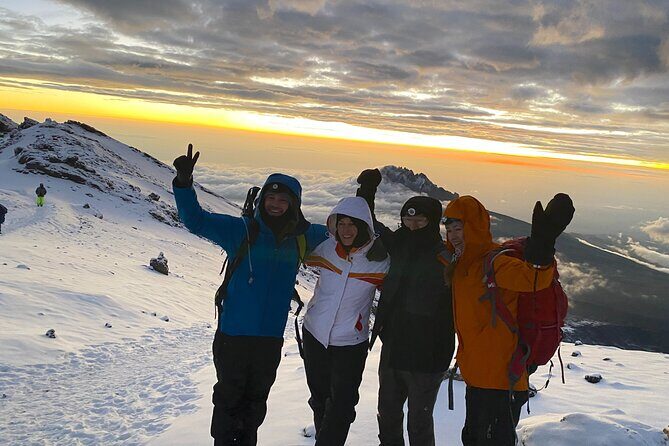
- Private Lemosho pacing: you’re not stuck in a big group shuffle, and the guides can adjust your rhythm.
- Safety monitoring on the trail: pulse oximeters, first aid, and emergency oxygen are included.
- A route that changes with altitude: rainforest, moorland, then alpine desert—each day feels different.
- Acclimatization built into the itinerary: including a shorter day with a walk for adjustment.
- Summit night timing: wake-up is around 00:00 for the push to Stella Point and Uhuru Peak.
Moshi arrival and the gear check that sets the tone
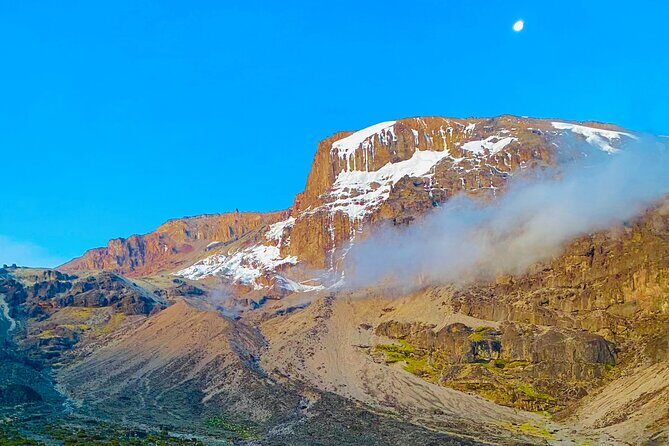
Most people picture Kilimanjaro as one big climb. In real life, the climb starts long before the first step—right in Moshi, after pickup from Kilimanjaro International Airport. You’ll transfer to a hotel for your overnight, then your guide briefs you and does an equipment check so you can fix gear problems before they become problems on the mountain.
This day is also about getting your bearings fast. You’ll be adjusting from airport travel into high-altitude prep mode, and having that dedicated check helps you avoid the classic mistake of arriving with the wrong layers, shoes, or basics. It’s not glamorous, but it’s smart.
You can also read our reviews of more tours and experiences in Moshi.
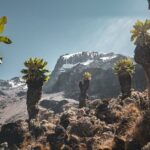
Londorossi Park Gate to Mti Mkubwa Camp: rainforest walking and first-camp reality
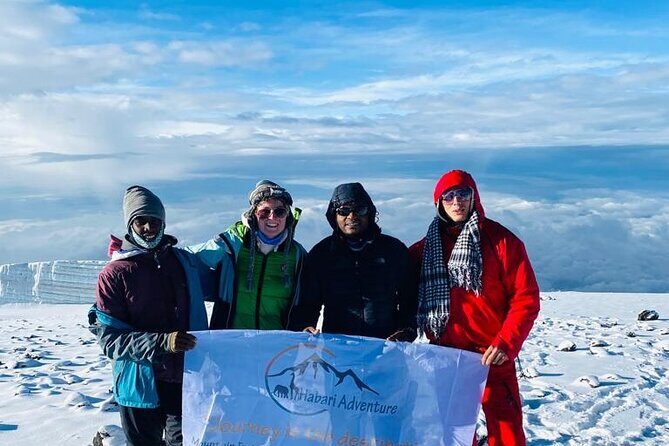
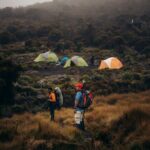
Day 2 starts early with breakfast, then a drive from Moshi (910m) up to Londorossi Park Gate (2100m). After park registration and prep, you trek through rainforest terrain to your first camp, Mti Mkubwa Camp at 2980m.
I like this first walking day because it acts like a warm-up for the whole experience. You’re moving upward, but you’re not yet in the harshest altitude zones, and your crew is already handling the camp setup and organization.
The practical drawback: rainforest days can be slow and humid, and the ground can feel slippery. If you’re expecting postcard-perfect dry hiking, this is your reminder that Kilimanjaro has weather patterns of its own, even before you reach the alpine desert.
Shira Plateau Day: moorland miles, Kibo views, and a controlled climb
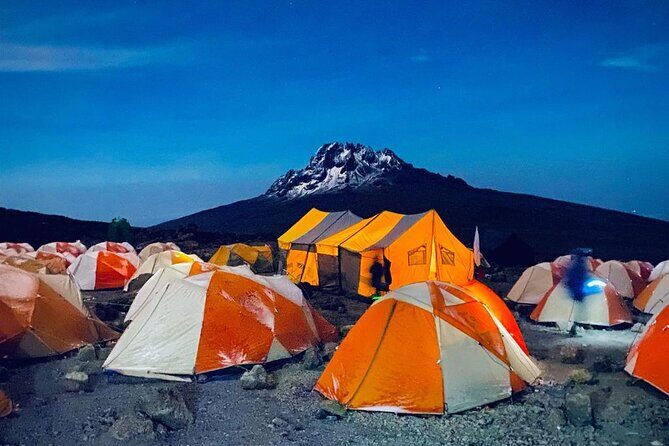
Day 3 crosses a grassy moorland area with heather and volcanic rock, and it’s a strong “get the scenery” day. You’re hiking about 4 hours over roughly 7 km, staying in moorland around Shira I Camp (3500m). The plan also highlights views toward Kibo and the Shira plateau, which is the kind of motivation you want before the harder sections.
What makes this day valuable is the blend of movement and payoff. The distance is manageable, and the views help you feel like you’re going somewhere, not just grinding upward.
The trade-off is that moorland can feel cold once the sun dips. You’ll want layers that handle quick temperature shifts, because you’re sleeping at 3500m while the weather is still changing.
The shorter Day 4 with tea and an acclimatization walk
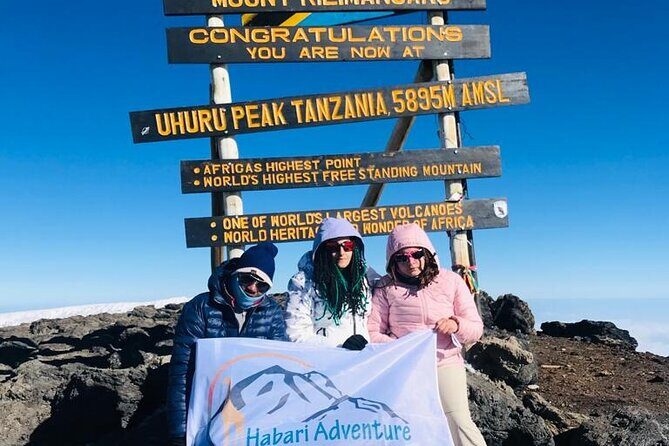
Day 4 is one of the gentler days on the itinerary. You hike around 5 hours for about 8 km, still in moorland, with a chance to see northern ice fields from the western side and get more Kibo angles. You’ll also get a hot lunch at camp, plus tea around 4:00 pm.
Then comes a small but important acclimatization walk before dinner and overnight at a higher camp, Shira I to Shira-related high elevation (the itinerary stays in the moorland-to-transition phase here). This is exactly the kind of built-in adjustment you want on Kilimanjaro: it breaks the day up so you’re not only climbing, climbing, climbing.
The consideration: even a “shorter” day can feel long if you’re carrying anxiety. If you’re the type who tries to outrun discomfort, use this day to practice slow pacing and calm breathing, not speed.
Lava Tower to Baranco Camp: alpine desert vibes and Western Breach photos
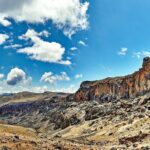
Day 5 is where the scenery tightens up. After moorland ends, you head into alpine desert, pushing up toward Lava Tower (around 4600m) before descending to Baranco Camp (3900m). The day is about 6 hours total, and part of the appeal is the photo time: you’ll have chances to shoot the Western Breach and the Barranco wall.
This day can feel mentally tricky because you’re gaining altitude, then dropping down to camp. That pattern is also why it works for acclimatization—your body gets exposure to higher elevations without forcing one nonstop high-altitude grind all day.
The drawback: alpine desert terrain can feel stark and windy. It’s not the kind of day where you want to realize too late that you left your wind layer at home.
Baranco Wall to Karanga Camp: the climb-with-sense-of-humor day
Day 6 is another favorite for many hikers because you tackle the Baranco wall and then keep moving to Karanga Camp (4000m). You’re looking at about 4 hours hiking to reach the fort of the Hein glacier area, with a total day that’s roughly 6 hours and about 6 km covered.
This is a day that tends to feel like a stair-step challenge. It may not be the longest distance, but it asks for good technique and steady pacing. The payoff is that you’re actively working toward the next camp while knowing you’re in the zone where Kilimanjaro starts to look serious.
Practical consideration: if you have knee issues, descending and uneven rocky ground can be annoying. Take short steps and keep your rhythm; it’s not a day to prove anything to yourself.
Barafu Camp and the midnight start: where your sleep plan goes to die
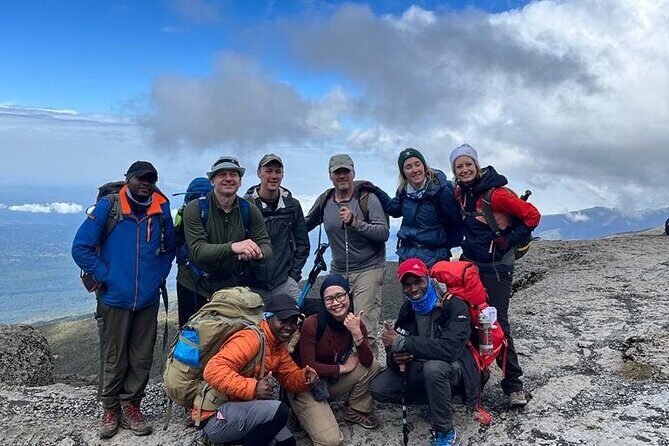
Day 7 takes you to Barafu Camp (4640m). It’s around 3 hours of hiking for about 4 km, and you’re treated to views of Kibo and Mawenzi peaks on the way. After arrival, you’ll have lunch and a long rest—then dinner early, with the real schedule kicking off at midnight.
This is the most “eventful” day, because it’s not about your day hike anymore. It’s about preparing your body for the summit push when it’s colder and darker, and when your energy management matters more than your speed.
The big consideration is sleep. Even if you feel nervous, you’ll be waking around 00:00. Plan to treat this as a countdown, not a debate. Your guide and crew will be running the schedule, and your job is to follow it and stay warm.
Stella Point at sunrise and Uhuru Peak photos: the summit push in plain terms
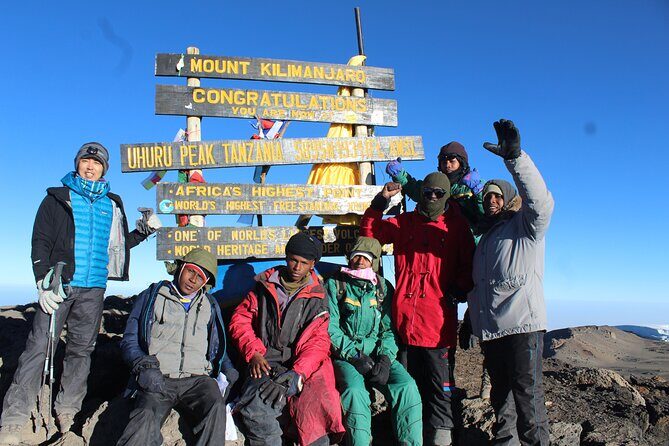
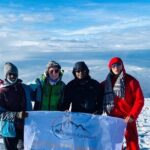
Day 8 is the summit day. You’ll start climbing around 00:00 with light tea and cookies, then work up scree for about 4–5 hours, gaining height quickly. The itinerary points to reaching Stella Point (5756m) as the first rays hit, then continuing to Uhuru Peak (5895m) about an hour later for photos before descending.
Here’s what you can expect in terms of feel: high effort in cold conditions, a lot of focus on footing, and a mood that swings from tired to electric once you see the sunrise. Even with all the planning, the summit push is still a test of patience—scree doesn’t care about motivation.
After a short photo break, you’ll descend back to Barafu Camp for lunch and rest, then continue down to Mweka Camp (3100m) for dinner and overnight. That’s huge, because finishing the day with a drop in altitude gives your body a chance to recover.
One practical drawback: summit day is long. The itinerary estimates about 12 hours total, and you’ll be moving even after you reach the top.
Mweka descent to certificates: turning altitude suffering into real closure
Day 9 is your “win the day” finish. You walk down the Mweka montane forest to Mweka Gate for park formalities and your certificates, then you’re driven back to Moshi for a warm shower.
This part matters more than most people think. After days of camp routines and altitude tension, paperwork feels ceremonial, like you’re sealing the achievement. And the montane forest descent is a relief because it’s gentler on your body than scree and alpine desert.
The one consideration is that “only 3 hours” can still feel hard if your legs are tired. Keep moving, keep hydrated, and don’t rush just to get it over with.
Price and what $2,300 buys you on the mountain
At $2,300 per person, this isn’t a cheap vacation. But it also isn’t just a ticket to walk up a mountain. It includes all fees and taxes, private transportation, two nights hotel, and full meal support on trek (breakfast 8 times, lunch 8 times, dinner 9 times). It also includes key safety items: pulse oximeter, first aid kit, and emergency oxygen.
That’s where the value comes from for most people: you’re paying for fewer decisions. You’re not trying to organize camps, meals, park fees, or monitoring tools while you’re already stressed about altitude. For a climb where timing and preparation matter, reducing “logistics overhead” is a real cost saver in energy.
What’s not included also helps you plan your budget: entry visa, tipping your mountain crew, flights, and laundry services. If those items add up for you, your final trip cost will rise. Still, the base package is built to cover the core on-mountain needs.
Also worth noting: this type of trip tends to sell well. The average booking window here is listed as 147 days, so waiting too long can limit your dates.
Private trek logistics: why “just your group” can feel better
This is listed as a private tour/activity, meaning only your group participates. In a group hike, someone always hikes slower, someone pushes faster, and everyone ends up negotiating the pace in the moment. With a private setup, that negotiation usually happens less often because the guide can work with your pace from the start.
Even if you’re a strong hiker, private trekking can still be a comfort because you spend less time worrying about getting separated from the pack. Your guide and crew can plan your day pacing around your body, your questions, and how you’re handling altitude signals.
The practical drawback: you’re paying for that extra customization. If you’d rather blend into a larger group to share costs, a group departure might work out better.
Safety gear and the crew monitoring you’ll feel good about
The inclusion list is refreshingly specific: pulse oximeters, first aid kits, and emergency oxygen. You’re not just hoping someone has a plan. You’re also getting tools that can help the crew assess how you’re doing.
This doesn’t guarantee a perfect summit outcome. Kilimanjaro is still a mountain, and weather and individual responses vary. But it does mean your trek isn’t improvising safety after the fact.
The human side matters too. In the reviews, specific guides and support staff are frequently named for keeping climbers calm, informed, and moving at a pace that makes sense. People like Yusuph (Dr Yusuph), Michael, Abdi, and others are credited with supportive pacing and organization, which is exactly what you want during the hardest hours.
Who should choose this Lemosho route plan
This trek fits travelers with moderate physical fitness who want an assisted, private experience. It’s also a good fit if you value structure: booked meals, booked accommodations, and crew support so you can focus on climbing safely.
You’ll probably be happiest with this route if you:
- want a longer, varied route that moves through rainforest, moorland, and alpine desert
- prefer a private setup where your pace matters
- appreciate safety tools like pulse oximeters and emergency oxygen
- are okay with a very early start for summit night
If you’re highly experienced and crave total independence, you might find the structure less exciting. But if you want fewer unknowns and more trained support, this is built for that.
Prep tips that match what this itinerary demands
Based on the way the trek is scheduled, prep should focus on three things: layering, stamina, and calm pacing.
First, practice layering. You’ll go from 910m in Moshi up to 5895m at Uhuru Peak, and the temperature swings will be big. Your guide’s day-1 equipment check is the moment to make sure you have what you need.
Second, build stamina for long hiking days. Some days are 3–5 hours, but the overall rhythm adds up, and summit day alone is about 12 hours. Train for time-on-feet, not just distance.
Third, learn to move slowly. This itinerary includes shorter days and acclimatization walking, plus nighttime ascent. Slow, steady pacing is what keeps your day from turning into panic.
Should you book this 8-day Lemosho Kilimanjaro climb?
I’d recommend booking if you want a private Lemosho trek that’s packed with the practical basics: meals handled, camps organized, safety gear included, and a schedule that includes acclimatization through shorter days and a walk. The price makes sense when you look at what’s bundled—especially the safety equipment and the full meal plan.
I’d think twice if you’re trying to minimize cost at all costs, because visa, flights, and tipping are separate. I’d also be cautious if you know you struggle with very early wake-ups or if your training doesn’t match multi-day hiking with a summit push.
If you’re aiming for a serious achievement with solid support, this is a strong option.
FAQ
Where does the tour start, and what time is pickup?
Pickup starts at Kilimanjaro International Airport. The meeting point/start time is listed as 8:00 am.
How long is the trek in total?
The itinerary runs for about 9 days overall, with the main hiking on the mountain across the scheduled trekking days.
Is this a private trek?
Yes. It’s listed as a private tour/activity, and only your group participates.
What’s included for lodging and meals?
The package includes two nights in a hotel plus meals during the trek: breakfast (8), lunch (8), and dinner (9).
Do you provide safety equipment on the mountain?
Yes. Included items are a pulse oximeter, first aid kit, and emergency oxygen.
Are transport and park fees included?
All fees and taxes are included, along with private transportation.
Are visas included?
No. Entry visa is not included.
Is tipping included?
No. Tipping to the mountain crew is not included.
What if weather cancels the climb?
The experience requires good weather. If it’s canceled due to poor weather, you’ll be offered a different date or a full refund.
What if the minimum number of travelers isn’t met?
If the minimum number of travelers isn’t met and the experience is canceled, you’ll be offered a different experience/date or a full refund.