REVIEW · MOSHI
Materuni Waterfall, Coffee Tour and Picnic Hot Lunch
Book on Viator →Operated by Materuni Village Experience · Bookable on Viator
One hike can change your whole Tanzania rhythm. In Materuni Village near Moshi, you get a real walk to Materuni Waterfall plus a hands-on Chagga coffee day, guided with nonstop energy from people like Emmanuel. I love the mix of waterfall time and the coffee-making part where you actually grind and taste what you made. One thing to consider: the trail can be muddy and a bit uneven, so wear proper shoes and bring a little patience for the hike.
This is also the kind of day that feels personal because it’s just your group, not a herd. You’ll meet at the Materuni Village office and spend the afternoon learning village life, Chagga culture, and local plant life around Mount Kilimanjaro. If you go in with a flexible mindset, you’ll come away with photos, stories, and a bag of memories that don’t feel like a checklist.
In This Review
- Key things I’d remember from this day
- Why Materuni Waterfall feels like the real deal
- The walk from Moshi: 40 minutes each way and the Mud Factor
- Meet Chagga culture on the trail, not just at a talk
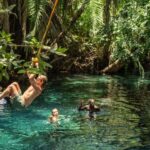
- The waterfall time: swimming, photos, and cool air
- Coffee tour: from cultivation to grinding songs
- Hot lunch with local Mamas: the food part you’ll actually remember
- Kilimanjaro views: why “maybe” still matters
- Price and value at $70 per person
- What you’ll actually schedule for: 6–7 hours that feel full
- Practical tips so your day goes smoothly
- Should you book this Materuni Waterfall and coffee day?
- FAQ
- How long is the Materuni Waterfall and coffee tour?
- Where does the tour start in Materuni Village?
- How long is the walk to Materuni Waterfalls?
- Can I swim at the waterfall?
- What is included in the price?
- Is the coffee tour interactive?
- Is alcohol included?
- Is this a private tour?
- What’s the cancellation window?
Key things I’d remember from this day
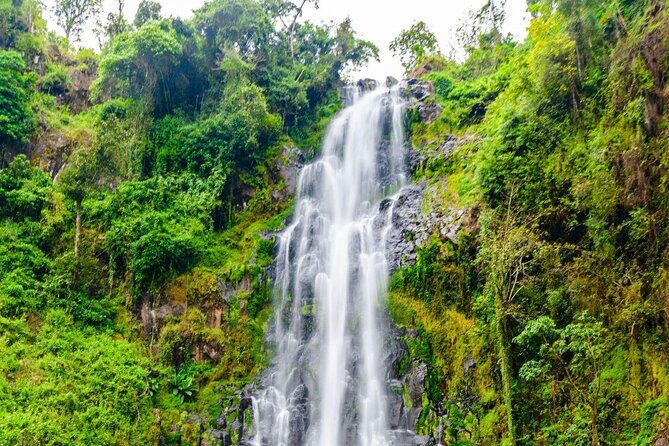
- Materuni Waterfall (about 80–90m high) with an inviting pool at the bottom for a real dip
- Coffee tour on local farms, including grinding that comes with Chagga songs and dance
- Chagga community stories on village life, flora, and fauna around Kilimanjaro slopes
- Hot lunch prepared by local Mamas, plus coffee/tea and bottled water included
- Private-group feel with pickup from Moshi and a full 6–7 hour schedule
- Big views when conditions cooperate, including a chance to spot Kilimanjaro’s summit from the area
Why Materuni Waterfall feels like the real deal
Materuni is close enough to Moshi to make sense for a day trip, yet it still feels like it belongs to the mountain—right on the Chagga side of Kilimanjaro National Park. The village is known for being authentic, and the day is built around that. You’re not just walking for photos. You’re walking with context: why the community lives this way, how the slopes shape daily life, and what grows where.
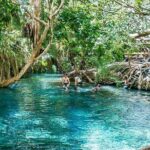
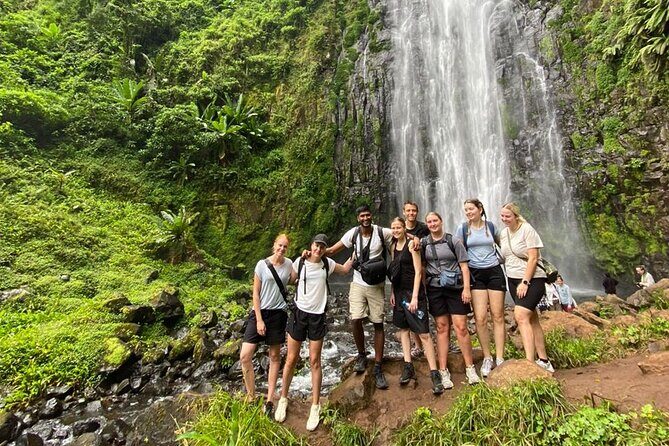
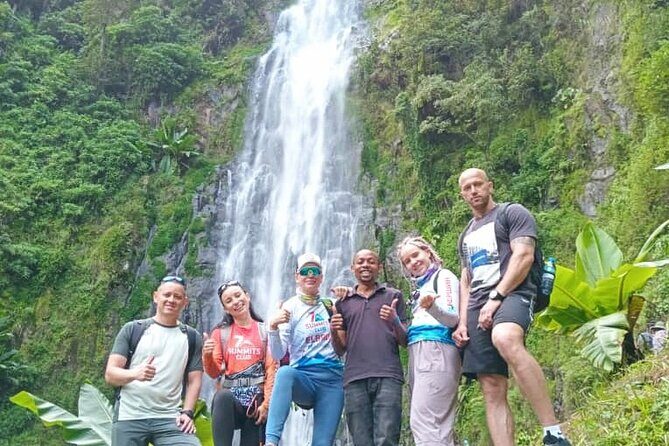
The waterfall itself is the headline. It’s described as around 80 meters tall and also listed as 90 meters—either way, it’s a proper, loud, powerful drop. When you reach it, you’re close enough to feel the cool air and hear water pounding below. That pool at the base is a major reason this outing is popular: it’s a refreshing swim option, not just a viewpoint stop.
For me, the best part is the order of events. The hike sets you up. You earn the payoff, then you cool off, then you move on to coffee—so the day stays physical, scenic, and then delicious.
A few more Moshi tours and experiences worth a look
The walk from Moshi: 40 minutes each way and the Mud Factor
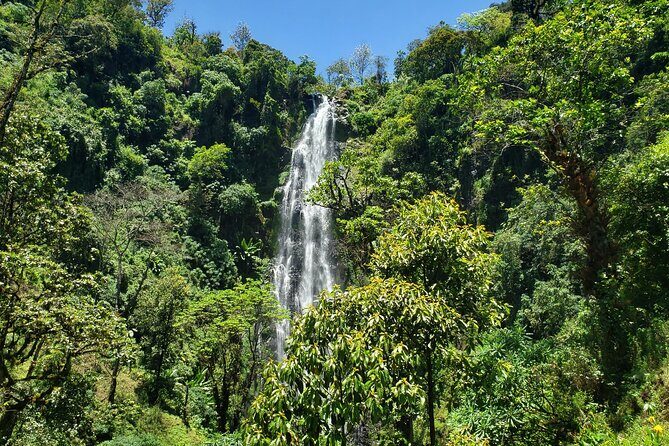
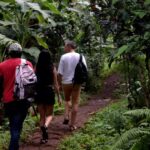
Your day starts with pickup from Moshi (if you choose that), then you head to Materuni Village and meet at the village office at an agreed time. From there, the hike to the waterfall is about 40 minutes, depending on pace and footing, and you do it both ways—so plan on roughly an hour of hiking total.
The trail isn’t described as a technical climb, but reviews make it clear it can be muddy and uneven. That matters. If you try to do this in sandals or worn sneakers, you’ll regret it. Bring sensible walking shoes with grip. If the weather has been wet, expect slick sections and small muddy surprises.
Fitness-wise, the tour asks for moderate physical fitness. That usually translates to: you can walk for stretches and handle some uneven ground, but you’re not training for a mountain race. If you’re comfortable walking and can pause when needed, you’ll be fine. If you have mobility limitations, you’ll want to think carefully before booking.
Practical tip: bring a small towel or a dry bag if you plan to swim. After the waterfall, you’ll still continue the day—no one wants wet socks ruining the coffee part.
Meet Chagga culture on the trail, not just at a talk
The hike is more than scenery. Along the way, your guide explains Chagga traditions and village life. This is where the day becomes a story, not just a walk.
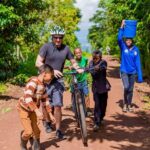
I like this approach because it’s practical. You can ask questions while you’re moving—about what you see, how people farm, why certain plants show up where they do, and how life on Kilimanjaro’s slopes works. Multiple guides are mentioned across feedback: Emmanuel is repeatedly praised for energy and positivity, and Sylvester is highlighted for answering questions and guiding with enthusiasm. Mangi, Julius, Ilfan, Merci, Manasi, and Manse Ahsante also come up as hosts who make the day feel welcoming and easy to enjoy.
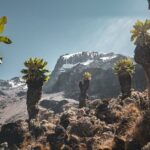
The route also runs through areas where you can spot flora and fauna tied to Kilimanjaro’s montane environment. You won’t need to be a botanist. The value is in learning what you’re walking through and why it matters to local life.
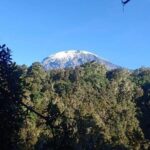
One more thing: Kilimanjaro views. On a clear day, you may be able to see the summit from the Materuni area with some luck. That doesn’t mean it’s guaranteed, but the day is planned with that possibility in mind—and when you do get the view, it changes the feeling of the hike instantly.
The waterfall time: swimming, photos, and cool air
When you reach the falls, the scale is the shock. It’s tall, forceful, and close enough that you don’t just look—you experience it. The information you’ll get on-site is simple: the walk brings you to a pool where swimming is possible, so pack accordingly.
If you do swim, keep it sensible. The water can be cool, and the ground around waterfalls can get slippery. If you’re more comfortable standing in rather than jumping in, you can still enjoy the moment without turning it into a stunt.
What I’d tell you plainly: treat the waterfall stop as the emotional center of the day. It’s when the tour goes from learning and walking to pure enjoyment—cool down, take photos, let your legs rest for a bit, then move on feeling better than when you arrived.
Coffee tour: from cultivation to grinding songs
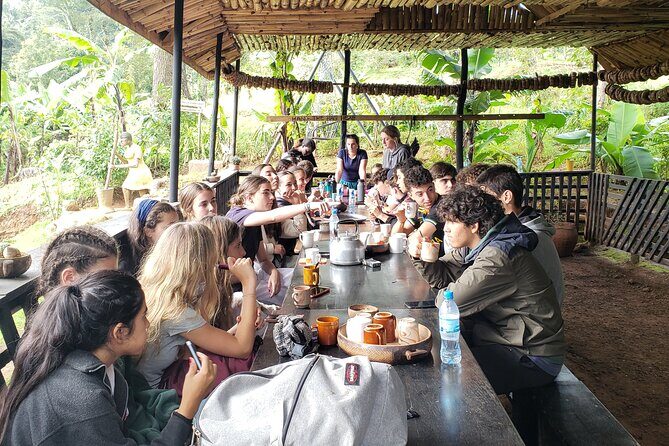
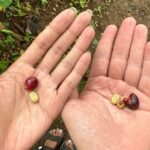
After the waterfall, you’ll shift to coffee. This is where Materuni becomes more than a nature trip. You’ll walk through the steps of how coffee is cultivated, dried, roasted, and processed on local farms.
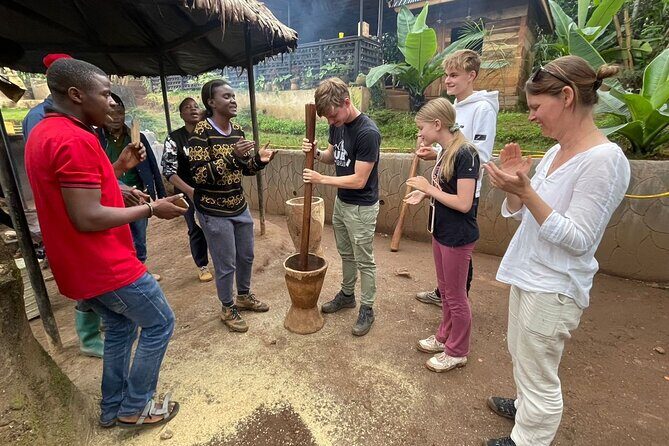
Then comes the best part: you’ll be invited to help with grinding coffee. And it’s not silent labor. The grinding is traditionally accompanied by Chagga songs and dances. That’s the kind of detail that makes this tour feel lived-in rather than staged for visitors.
I also like that your guide connects the activity to the bigger picture—how people grow and process crops on the slopes and why coffee is part of the local economy and culture. When Julius and Sylvester are praised, it’s often tied to the knowledge and the way they explain the process clearly while keeping things fun.
Before you say goodbye, you can savor the coffee you made, with views around the montane rainforest in the background. Even if you’re not a coffee nerd, it’s hard not to enjoy drinking something you physically helped prepare.
A note about taste: coffee is a personal thing. If you want it sweeter or stronger, ask your guide what’s typical. What matters most is that you’re drinking with a story behind it.
A few more Moshi tours and experiences worth a look
Hot lunch with local Mamas: the food part you’ll actually remember
You don’t just “get fed” on this tour. The lunch is prepared by local Mamas and is described as tasty and authentic. That’s a big difference between tourism lunches that feel generic and meals that feel like they belong to the place.
The day also includes bottled water, coffee and/or tea, and the lunch itself. If you’re doing this as a break from safari or other fast-paced activities, this meal can be a reset button. Your hike works up an appetite. Your coffee experience makes you feel curious. Then you get a hot, satisfying meal while you’re still in the village mood.
If you’re someone who likes to eat simply and well while traveling, this fits your style. If you have strict dietary needs, the data here doesn’t specify options. I’d plan ahead and ask your provider what’s possible based on your diet.
Kilimanjaro views: why “maybe” still matters
You’ll hear about stunning views of Mount Kilimanjaro, with the summit visible sometimes. That’s the honest setup. The mountain isn’t always cooperative with clouds, and Materuni’s position means you’re depending on weather and visibility.
So why does this tour still make sense? Because the rest of the day is strong even without the summit shot. You still get waterfall power, coffee culture, and a genuine Chagga community experience. The views are a bonus, not the whole plan.
Also, if you do get that moment of seeing Kilimanjaro more clearly, it tends to reframe everything. The hike stops feeling like a walk to an attraction and starts feeling like you’re really spending time on the mountain’s doorstep.
Price and value at $70 per person
At $70 per person, this isn’t the cheapest day trip from Moshi—but it’s not random pricing either. Here’s how your money shows up in real ways:
- Pickup and private transportation (so you aren’t wrestling with shared schedules)
- Admission tickets included
- Lunch, plus bottled water
- Coffee and/or tea, and coffee that you helped make
- The cost covers guides and the full flow of the day
You’re basically paying for three things that are hard to replicate on your own in a single afternoon: the waterfall hike with local interpretation, the hands-on coffee process with music and dance, and a well-timed hot meal.
If you’re comparing it to DIY travel, the value comes from local guides doing the connecting: helping you understand Chagga culture, navigating the timing, and keeping the day smooth. If you’re traveling with a small group, the private format can make the price feel much more reasonable.
If you’re traveling solo and hoping to keep costs ultra-low, it may still be worth it because the activity is built for a full day, not a short stop.
What you’ll actually schedule for: 6–7 hours that feel full
The tour runs about 6 to 7 hours total. Most of that time is accounted for by the two main segments—waterfall and coffee—plus transport and the lunch break.
You’ll also notice the stop structure works well for pacing. The waterfall stop includes time walking and time enjoying the falls (and swimming if you want). The coffee part is a full cultural activity, not just a quick taste and photo.
One more logistical detail that matters: this is offered as a private tour/activity where only your group participates. That typically means you’re not stuck waiting for strangers or trying to move at different speeds.
Opening hours are daily from 8:00 AM to 6:00 PM, so you can usually choose a morning departure. Many people prefer morning because the day feels less rushed and the hike is more comfortable earlier.
Practical tips so your day goes smoothly
Here’s my short list of what you should do before you go:
- Wear hiking shoes with grip. Mud and uneven ground are part of the reality.
- Bring swim wear and something to dry off with. The pool at the waterfall is a real option.
- Bring a light layer. Waterfall air can feel cooler than you expect once you’re close.
- Use sunscreen and a hat. You’ll spend time outdoors on the way to the falls and around the coffee farms.
- Pack patience. The day is timed for learning and enjoyment, not racing through.
Also, if you care about Kilimanjaro views, check cloud conditions when possible. You still might not see the summit, but it’s a good mindset to hold: the mountain rewards clarity.
Should you book this Materuni Waterfall and coffee day?
If you want one day in Moshi that mixes nature, culture, and food, I think you should book it—especially if you enjoy hands-on experiences more than sit-and-watch sightseeing. This tour is especially good for couples, friends, and small groups who like a private pace and don’t mind a moderate hike.
I’d book it if:
- You want to swim at a real waterfall pool
- You love coffee and want more than a tasting
- You value Chagga culture explained by local guides like Emmanuel, Sylvester, Mangi, or Manse Ahsante
- You want a full day without planning transport and timing yourself
I’d hesitate if:
- You strongly dislike uneven or muddy trails
- You need very specific dietary accommodations and haven’t confirmed menu options
- You’re looking only for a short, easy outing with minimal walking
For most visitors to the Moshi/Kilimanjaro area, this is one of the better “one day that counts” choices.
FAQ
How long is the Materuni Waterfall and coffee tour?
The experience runs about 6 to 7 hours in total.
Where does the tour start in Materuni Village?
You meet at an agreed time at the Materuni Village Office.
How long is the walk to Materuni Waterfalls?
The walk to the waterfall is about 40 minutes.
Can I swim at the waterfall?
There is a pool at the bottom of the waterfall, and swimming is an option, so bring swim wear.
What is included in the price?
The tour includes lunch, bottled water, coffee and/or tea, private transportation, and all fees and taxes.
Is the coffee tour interactive?
Yes. You’ll learn how coffee is cultivated, dried, roasted, and processed, and you’ll be invited to help with grinding, traditionally accompanied by Chagga songs and dances.
Is alcohol included?
No, alcoholic beverages are not included.
Is this a private tour?
Yes. It’s listed as a private tour/activity, and only your group participates.
What’s the cancellation window?
You can cancel for a full refund up to 24 hours before the experience’s start time. If you cancel less than 24 hours before, the amount paid isn’t refunded.