REVIEW · MOSHI
6 Days Kilimanjaro hiking tour | climb Kilimanjaro Machame Route
Book on Viator →Operated by KILIMANJARO CLIMBING TOURS · Bookable on Viator
Kilimanjaro is hard, but fair. This 6-day Machame Route climb from Moshi feels like a structured plan all the way to the top, and I like that your meals and key fees are handled instead of leaving you to figure things out day after day. You also get the kind of support that people describe as careful and well-managed, including guides such as Aminiel with other crew members like Amine and Karama.
One thing to think about: this trip does not include flights, visa, medical or travel insurance, or hotel nights, and tipping for the crew and porters is not included either. If you’re trying to budget tightly, those add-ons can matter more than the hike cost itself.
In This Review
- Key things to know before you go
- Where you start in Moshi (and why it matters)
- Price and value: what $779.23 really covers
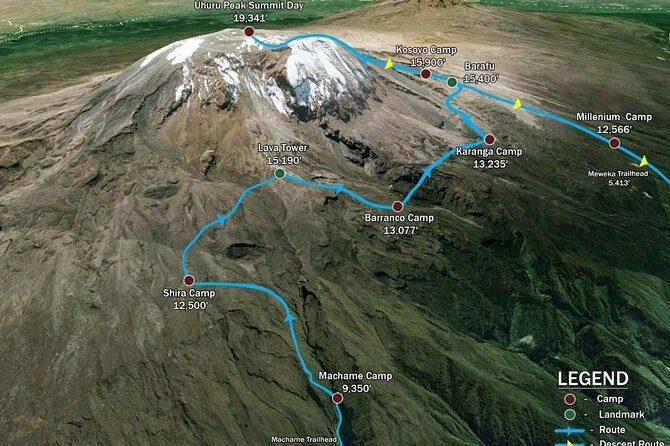
- Machame Route in 6 days: the rhythm you’re signing up for
- Day 1: Arusha drive to Machame Gate (set the tone)
- Day 2: Machame Camp to Shira Camp (new altitude, slower steps)
- Day 3: Shira Camp to Barranco Camp (a confidence builder)
- Day 4: Barranco Camp to Barafu Camp (getting ready for summit night)
- Day 5: Barafu to Summit to Mweka Camp (the big one)
- Day 6: Mweka Camp to the door, then Moshi/Arusha
- The crew experience: guides, cook, and porter support
- How group size affects your vibe (max 500 is a clue)
- Who should book this Machame 6-day climb?
- Should you book this 6 Days Kilimanjaro Machame Route tour?
- FAQ
- Where is the meeting point and what time does the tour start?
- How long is the Kilimanjaro climb?
- What route does this climb follow?
- What are the main stops during the hike?
- What’s included in the price?
- What’s not included?
- Is pickup available?
- What is the cancellation policy?
Key things to know before you go
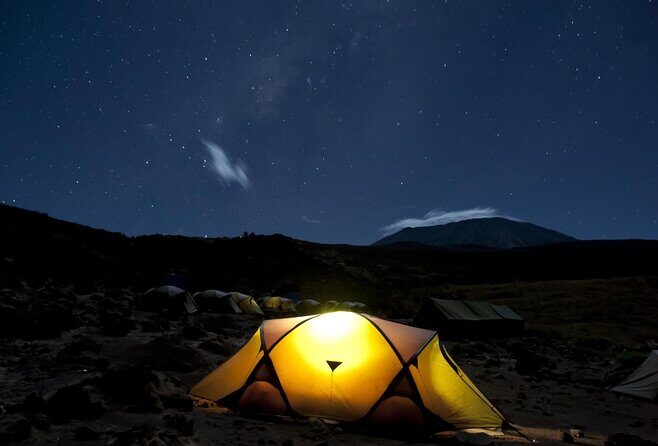
- Machame Route in 6 days: a classic choice that keeps you moving camp to camp toward the summit push.
- Meals are included daily: breakfast, lunch, and dinner are scheduled on the climbing days so you’re not hunting food at altitude.
- A guide team with real names: people highlight leadership and on-the-ground care from Aminiel, Amine, and Karama.
- The biggest effort lands on Day 5: Barafu to summit then down to Mweka is the make-or-break day.
- You start in Moshi at 8:00 am: the meeting point is clearly listed at Burigi Chato Safaris in Shanty town.
Where you start in Moshi (and why it matters)
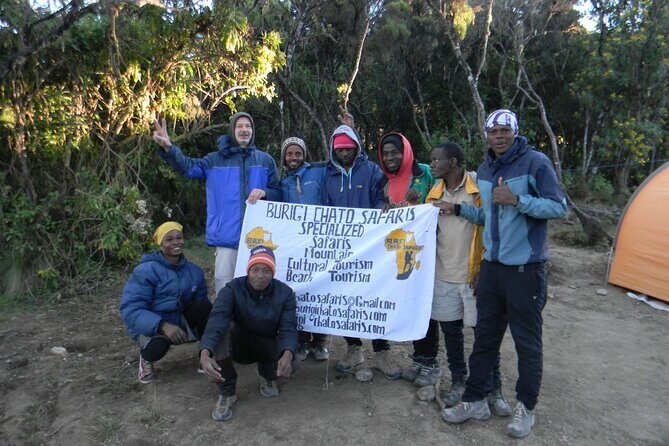
You’ll meet in Moshi, at BURIGI CHATO SAFARIS CO LTD, Mkwawa Street, Shanty town (Kilimanjaro). The start time is 8:00 am, and the end of the activity returns you back to the meeting point.
That matters because Kilimanjaro trips live and die by timing. A late start usually turns into a late day, and late days at altitude are not fun. Here, the schedule is set up so you begin promptly and get the driving portion done on Day 1.
Also note the practical bits: pickup is offered, and you’ll get a mobile ticket. Confirmation is sent at booking time, and the operator lists “most travelers can participate,” which is helpful if you’re comparing options.
You can also read our reviews of more hiking tours in Moshi
Price and value: what $779.23 really covers
The listed price is $779.23 per person. It’s not the cheapest Kilimanjaro number you’ll see, but it’s not just a “boots on dirt” price either.
What’s included:
- All fees and taxes
- Breakfasts on the climbing days (5 breakfasts)
- Lunches on the climbing days (6 lunches)
- Dinners on the climbing days (5 dinners)
What’s not included:
- Local and international flights
- Tipping the crew plus porter
- Visa, medical, and travel insurance
- Hotel accommodation cost
- Airport pick up and transfer
So the value logic is simple: you’re paying for an organized climb with meals and the fees covered, and you’re handling the travel logistics outside the mountain. If you already have a flight booked, you’ll feel this is cleaner. If not, add flights, visa paperwork, and insurance to your total before you get emotionally attached to the headline price.
One more budgeting note: the hike itself tends to be the easy part to “want.” The real cost planning happens when you total up what’s missing—especially insurance and tipping.
Machame Route in 6 days: the rhythm you’re signing up for
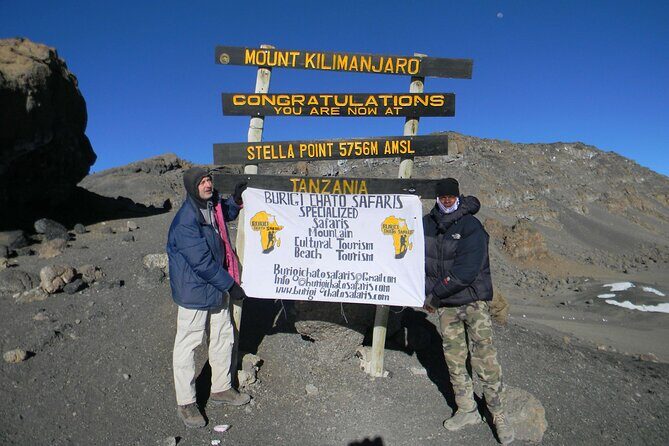
The Machame Route follows a camp-to-camp rhythm that’s meant to get you higher while still giving you a bit of practice with altitude. In plain terms, you’re not just “going up.” You’re stepping up, then adjusting, then pushing again.
This specific 6-day plan includes:
- Day 1: drive to Machame Gate
- Day 2: Machame camp → Shira camp
- Day 3: Shira camp → Barranco camp
- Day 4: Barranco camp → Barafu camp
- Day 5: Barafu camp → Summit → Mweka camp
- Day 6: Mweka camp → Mweka door → Moshi/Arusha
People also describe the climb as challenging, but achievable with the team’s careful support. That matches how Machame usually feels: it asks for steady effort, and it rewards hikers who can pace themselves during the long days.
Day 1: Arusha drive to Machame Gate (set the tone)
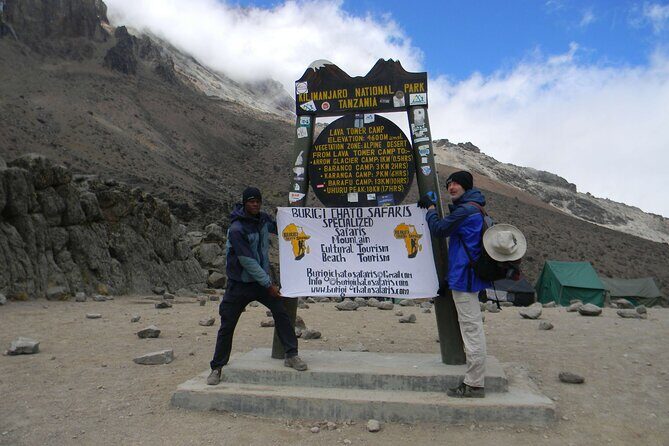
Day 1 is travel and start-up. You’ll drive from Arusha to the Machame Gate area, then begin your climb from there.
I like this kind of Day 1 because it keeps your first high-effort moment from being immediately after a long, stressful day of travel. You still get the mountains in front of you, but you’re not dropped into a summit-style grind right away.
Potential consideration: you’ll want to treat Day 1 as a warm-up, not a “prove yourself” day. If you charge early, you pay for it later.
Day 2: Machame Camp to Shira Camp (new altitude, slower steps)
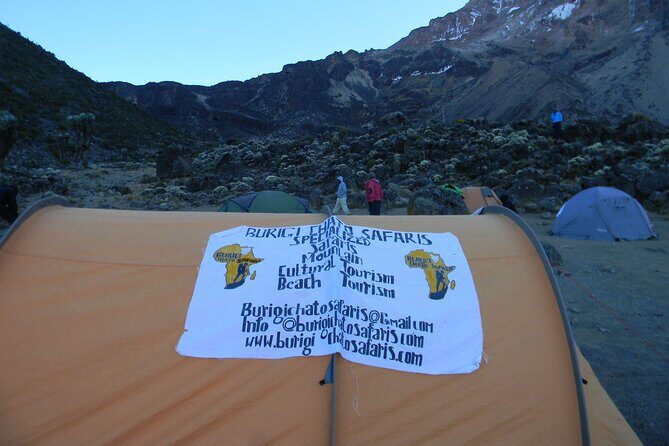
Day 2 takes you from Machame camp to Shira camp. This is where the mountain starts to feel more serious. Your body starts reminding you that oxygen is thinner the higher you go.
What you can count on: daily meals and an organized progression. What you can’t control: how your body adapts. So I’d plan your effort like this—short steps, calm breathing, and don’t chase other people’s pace.
Why this stop is valuable: Shira is part of the route’s steady build. It’s a key checkpoint that helps you move upward while keeping the trip structured rather than jumping straight into the hardest segments.
A few more Moshi tours and experiences worth a look
Day 3: Shira Camp to Barranco Camp (a confidence builder)
Day 3 is Shira camp to Barranco camp. This day is famous for helping you understand your own pace and stamina. You’ll likely feel a mix of “I’m getting it” and “okay, wow, Kilimanjaro is real.”
This is one of the days that tends to make hikers either relax into the rhythm or fight it. I recommend the relaxed approach.
Practical tip: if you’re the kind of hiker who looks great at the start, Day 3 is the day to practice staying even. The goal is consistency, not speed.
People describing this operator highlight that the crew is careful and makes the climb feel more manageable. That sort of support is especially useful on a day like this, where morale matters as much as legs.
Day 4: Barranco Camp to Barafu Camp (getting ready for summit night)
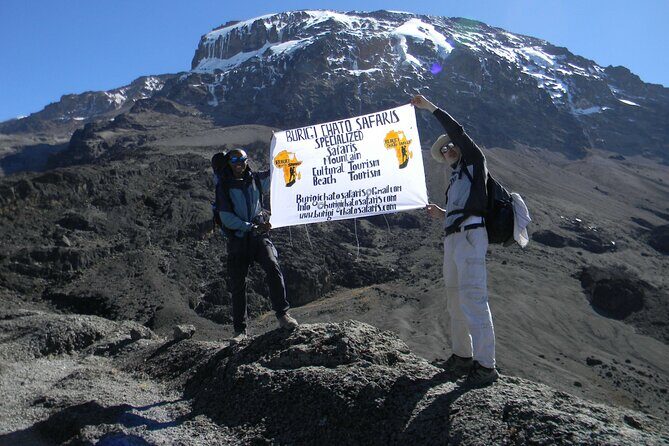
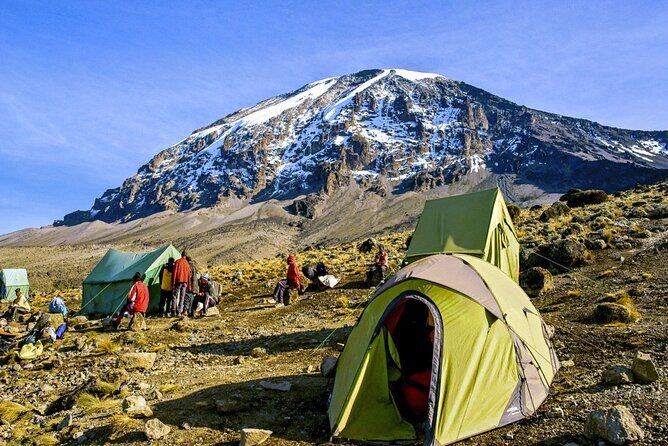
Day 4 moves you from Barranco camp to Barafu camp. This is a major “gear-up” day. The plan funnels you toward Barafu because you’ll need your strength later for the summit push on Day 5.
Expect this day to be physically demanding. Even if you’re feeling okay, Day 4 is when you should start thinking about conserving energy for the night.
Why the Barranco → Barafu step is important:
- It positions you for the summit schedule
- It turns your trip from hiking into a mission mindset
This is also the day where good crew management makes a visible difference. The reviews you provided focus on strong organization and a team attitude that feels family-like, and that kind of tone helps when people start getting tired.
Day 5: Barafu to Summit to Mweka Camp (the big one)
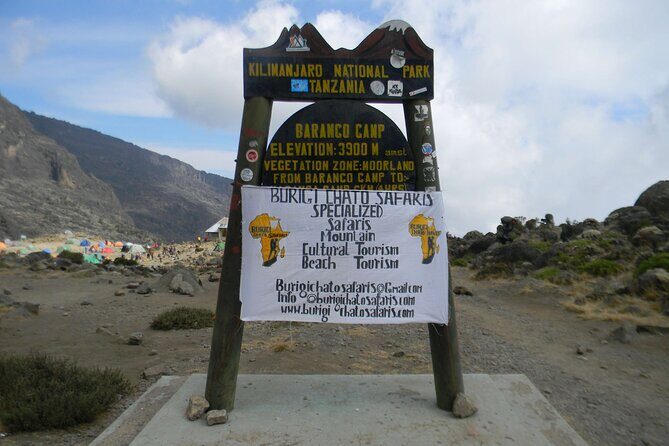
Day 5 is Barafu camp to Summit to Mweka camp. This is the make-or-break day on the Machame itinerary. It’s when the climb becomes a true test of endurance, focus, and mental grit.
Here’s what I’d mentally prepare for: summit day is usually a long effort with minimal margin for rushing. Even strong hikers need patience in the steep, cold, and tiring sections.
The upside is also big. More than one review notes the success of reaching the summit with this team, and that the crew—guides and cook included—kept things professional and steady. One review even thanks the cook for being professional and ensuring the day went well, which matters because you need energy and routine when you’re operating on low fuel.
Then you finish Day 5 down at Mweka camp, which is your recovery bridge to Day 6.
Day 6: Mweka Camp to the door, then Moshi/Arusha
Day 6 is Mweka camp → Mweka door → Moshi/Arusha. It’s the final descent and exit day. You’re not doing summit-level work now, but it’s still not a casual stroll—your legs have to cope with fatigue after days of hiking.
I like that the itinerary gives you a clear finish: you end back near your starting area so you’re not stuck with an open-ended “figure it out” moment.
Consideration: this is the day where people sometimes move too fast because it feels like the end. That can lead to sore knees and a rough last stretch. Steady downhills beat heroic downhills.
The crew experience: guides, cook, and porter support
The biggest recurring praise in the reviews you shared is about the team. People mention management quality and describe the atmosphere as supportive—almost like a small group family.
Specific names you can take seriously:
- Aminiel (mentioned in the context of management)
- Amine and Karama (mentioned as guides on a Machame climb)
- The cook is also called out as professional in at least one account
- Porters are repeatedly thanked for careful, professional support
That tells you something useful about what you’re paying for. A Kilimanjaro climb is never “just walking.” It’s logistics, pacing, food, safety decisions, and morale management, all while you’re above the point where convenience matters.
If you’re someone who values clear leadership and consistent support, this sort of team feedback is a strong green flag.
How group size affects your vibe (max 500 is a clue)
The tour lists a maximum of 500 travelers. That number is likely about capacity at the system level rather than what you’ll feel on the trail, but it does confirm you should expect a group setting.
In practice, what you should care about is less “500 on paper” and more:
- Will your crew manage pacing for everyone you brought?
- Will you have room to hike without constant stress?
- Can you get answers quickly when your body feels off?
The reviews you shared suggest good management and careful support. That’s the real thing that protects your experience once you’re on the mountain.
Who should book this Machame 6-day climb?
This tour is a good fit if:
- You want a structured route with clear camp-to-camp steps
- You want meals handled and not have to plan food at altitude
- You like traveling with a team where you’ll get guidance and motivation
It may be a tough fit if:
- You’re looking for a “light” hike
- You still need to figure out flights, visa paperwork, insurance, and hotel nights (since those aren’t included)
- You strongly dislike early starts or long travel days
Also, based on your provided details, most travelers can participate. That doesn’t mean everyone should attempt it. It means the operator expects a wide range of hikers to be able to join. Fitness and altitude tolerance still control the outcome.
Should you book this 6 Days Kilimanjaro Machame Route tour?
If you want my straightforward take: yes, you should book it if you value organization and supportive crew leadership and you’re comfortable handling the travel add-ons (flights, visa, insurance, and lodging).
This tour looks like it’s built for hikers who want the Machame Route experience without having to micromanage logistics. The included meals and covered fees reduce decision fatigue. And the repeated emphasis on careful management, named guide support like Aminiel, Amine, and Karama, plus a professional cook, suggests you’ll be in good hands when the mountain gets demanding.
If you’re still missing the “outside the mountain” pieces—especially insurance, visa, and getting to Moshi—do your homework first. Budget surprises are the most common way people end up stressed on summit week.
FAQ
Where is the meeting point and what time does the tour start?
The tour starts at BURIGI CHATO SAFARIS CO LTD on Mkwawa Street, Shanty town, Moshi. The start time is 8:00 am.
How long is the Kilimanjaro climb?
It’s a 6-day tour (approx.).
What route does this climb follow?
This is a 6-day climb via the Machame Route.
What are the main stops during the hike?
You’ll go from Machame Gate to Shira Camp, then to Barranco Camp, Barafu Camp, the Summit (Day 5), and Mweka Camp. Day 6 finishes at Mweka door, then Moshi/Arusha.
What’s included in the price?
Included are all fees and taxes, plus breakfast (5), lunch (6), and dinner (5) on the climbing days.
What’s not included?
Not included are flights, tipping the crew plus porter, visa, medical and travel insurance, hotel accommodation cost, and airport pick up and transfer.
Is pickup available?
Pickup is offered, but airport pick up and transfer are listed as not included.
What is the cancellation policy?
Free cancellation is available. You can cancel up to 24 hours in advance for a full refund, and within 24 hours there is no refund.