REVIEW · MOSHI
Kilimanjaro Trekking 7Days 6Night Lemosho Route
Book on Viator →Operated by Uprise Africa Explorer · Bookable on Viator
Seven days up Kilimanjaro, one changing sky.
This 7-day Lemosho climb (6 nights) follows a scenic path that moves through different climates as you work toward Africa’s highest point. I like that it’s a small group (max 10) setup, which usually means less waiting and more attention when the altitude starts talking back.
What I really like is how much the logistics are handled for you. You get camping equipment, fees, and meals included, plus your guides check your trekking gear before you head out.
One consideration: the Lemosho route is described as tougher than the Mangaru route, and you’ll be hiking long days at high elevation. If you don’t train for steady uphill effort, that “scenic and scenic” part won’t feel as scenic by Day 2 or Day 4.
In This Review
- Key things to know before you go
- Lemosho’s quieter feel: why this route makes sense
- Moshi start and Londorossi Park Gate: your first uphill day
- Day 2 across heather and lava rocks to Shira 2 (3,850m)
- Leaving Barranco Camp behind: Barranco Wall to Karanga Valley
- Barafu Camp and the South Circuit views before the final climb phase
- Day 7 descent to Mweka Park Gate and your summit certificate
- Camp life: equipment, meals, and how the team keeps you moving
- Price and logistics: is $3,000 good value?
- Who should book this Lemosho 7-day climb (and who should pause)
- Should you book this Kilimanjaro Lemosho route?
- FAQ
- How long is the trek?
- Where does the trek start and who registers you?
- What is the group size limit?
- What’s included in the price?
- What’s not included?
- What time does the experience start?
- Do you get a summit certificate?
- How difficult are the hiking days?
- What happens if the weather is poor?
Key things to know before you go
- Fewer climbers, more attention with a maximum group size of 10
- Armed park ranger on Day 1, walking a forest track where wildlife is possible (buffalo, elephant)
- Big acclimatization day early on the climb to Shira 2 (3,850m) after starting at 2,650m
- Barranco Wall challenge (top at 4,250m) before dropping into Karanga Valley (4,050m)
- All meals and park costs handled across the trek, with packed lunch included daily
Lemosho’s quieter feel: why this route makes sense
The Lemosho route is one of those Kilimanjaro options that appeals to people who want scenery, not just checkmarks. It’s often chosen because it tends to bring you into less crowded trail conditions compared with other popular options, and that matters once you’re hiking for hours with limited oxygen.
There’s also a practical upside: a route that spreads people out more tends to feel calmer on the trail. Less crowding can mean fewer traffic jams at viewpoints, fewer interruptions when you’re trying to keep your pace controlled, and less mental fatigue when you’re already tired.
That said, it’s not “easy scenic.” The trek is still a real Kilimanjaro climb. The route description notes it’s tougher than Mangaru, so think of it as a scenic choice with higher effort, not a gentler alternative.
You can also read our reviews of more hiking tours in Moshi
Moshi start and Londorossi Park Gate: your first uphill day
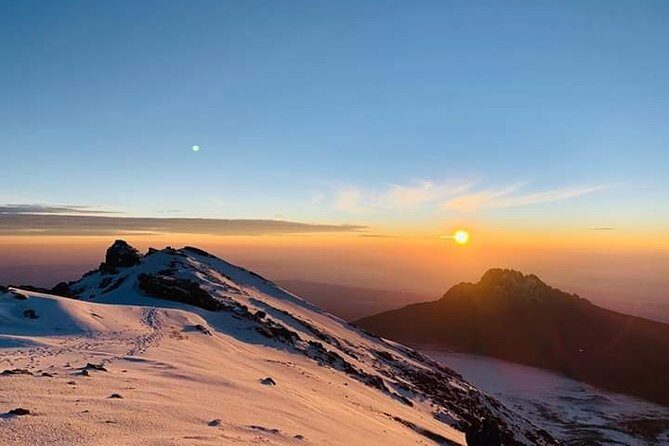
You’ll start with a briefing and a gear check from your guides, then head out by vehicle for about 3 hours to the Londorossi Park Gate. Registration happens at the gate, and then you begin the hike with an armed Park ranger leading the way on a forest track.
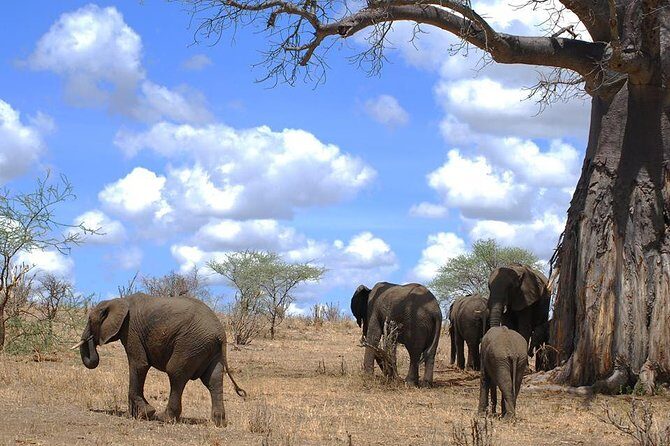
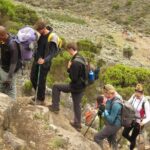
Day 1 is listed as 2–3 hours (about 6km / 4 miles) to your first campsite, Mti Mkubwa at 2,650 meters. The forest track detail is one of the best “wow” pieces of this trek plan: it’s described as a place with wildlife activity, including buffalo and elephant. You might see animals from close enough to make you pause, so keep your eyes up and your pace steady.
What this day really does (beyond getting you moving) is set your trail rhythm. Your gear gets checked, you get used to the walking tempo, and you end the day at a moderate altitude—useful for starting acclimatization without jumping too high too fast.
Practical tip: even on Day 1, wear layers you can handle in a forest environment. Temperatures and humidity can shift fast once you’re on a trail that runs through vegetation.
Day 2 across heather and lava rocks to Shira 2 (3,850m)
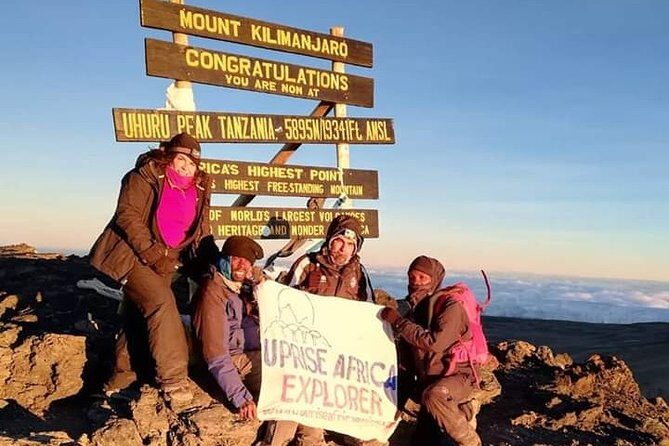
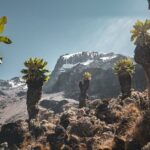
Day 2 is where the climb starts to feel serious. After breakfast, your hike time jumps to 7–8 hours (around 16km / 10 miles). The trail steadily steepens and enters giant heather moorland, scattered with volcano rock formations.
You also cross multiple streams along the way. It’s not just scenery—it’s trail variety, which can be good for your mindset. A constant rhythm is easier when you’re not staring at the same view for hours, and stream crossings force a slower, careful pace.
By the time you’re approaching Shira Ridge, you can sometimes see Uhuru Peak if it’s not cloudy. On clear days, you may also notice the northern ice fields from the western side of the mountain. Then you end the day at Shira 2 camp (3,850m).
Why this matters for your trip: Day 2 is built for acclimatization. You gain altitude steadily enough to give your body a chance to adjust, while still giving you that “this is the real mountain” sense of coming into Kilimanjaro’s higher zones.
Practical tip: focus on breathing control more than speed. On days like this, slow and steady usually beats fast and frustrated.
Leaving Barranco Camp behind: Barranco Wall to Karanga Valley
On Day 4 (after reaching Barranco Camp before this point), you leave Barranco Camp behind and start climbing a steep ridge up the Barranco Wall. Your hike time is listed as 3–4 hours (about 5km / 3 miles), but the key detail is that the wall section takes around 1.5 hours to reach the top at 4,250 meters.
Then the trail levels out before descending toward Karanga Valley at 4,050 meters. There’s also a junction mentioned here connecting with the Mweka Trail, and you overnight at Karanga campsite.
This day can be mentally tricky. The “shorter by distance” part can make people think it’s easier than it is—until the wall does its job. Expect steep effort and a focus on foot placement.
Value-wise, this is a turning point day. You’ve moved beyond the earlier zones and are now working your way through terrain that feels more like classic high-altitude Kilimanjaro hiking. By the end of the day, you’re positioned for the next phase.
Barafu Camp and the South Circuit views before the final climb phase
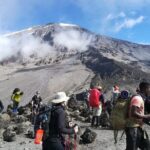
Day 5 is listed as 3–4 hours (about 4km / 2 miles) to reach Barafu Camp. Even with the shorter time and distance, this is a big day because you’re moving into the part of the route where you can see the summit and glaciers from different angles.
The plan specifically notes that you’ve completed the South Circuit and that you’ll enjoy views of the summit and glaciers from Barafu. You’ll set up camp with those views, which is a nice morale boost when your legs are already tired.
What you should take from this: this isn’t the day to rush. Short hikes at high altitude can still feel long because oxygen is thin and every step costs energy. The goal is to arrive in good shape for what comes next, and Barafu is where you aim your energy.
One note from the schedule you have: the details provided don’t spell out Day 6 as clearly as the other days. So plan your expectations around the idea that Day 5 places you right before the final push period, and then you’ll be ready to start your descent strategy shortly after.
A few more Moshi tours and experiences worth a look
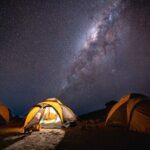
Day 7 descent to Mweka Park Gate and your summit certificate
By Day 7, you’re starting from about 3,090 meters after breakfast and continuing the descent to Mweka Park Gate. Your hike time is 3–4 hours (around 10km / 6 miles).
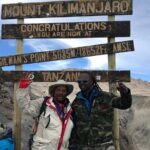
At Mweka Gate, you’ll receive your summit certificates. Then a vehicle is waiting to drive you back to your hotel.
This day is one of the most underrated parts of a Kilimanjaro trek. The summit moment is huge, but the descent is what makes you feel human again. A proper downhill pace helps protect your knees and keeps you from getting sloppy when you’re tired.
Practical tip: bring footwear that can handle a lot of downhill steps. Also, use trekking poles if you have them. Even if you feel strong, poles can save your legs for the drive back.
Camp life: equipment, meals, and how the team keeps you moving
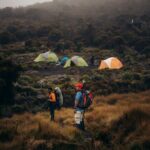
This trek includes the big comfort pieces that matter when you’re sleeping at altitude. The package states all camping equipment, fees, and meals are included, plus you’ll get lunch 7 times, and breakfast and dinner across the trek (breakfast 6, dinner 6).
That’s more than convenience. It’s energy management. When food is reliably planned, you’re less likely to under-eat because you’re too busy or too tired to sort it out. It also helps you stick to a steady routine—important when symptoms from altitude start to affect appetite.
The “small group” factor also plays into camp life. With a maximum of 10 travelers, it’s easier for the guide team and support staff to keep track of how you’re feeling without a crowd.
From what people share about this operator, the guide and support team is often a highlight. Names that show up in past climbs include Fransis (head guide), Peter (assistant guide), and guides like Kissima, Sanga, and Nguma. People also mention the cook team and porter support as part of what made the week feel well-run.
If you want to maximize your experience, ask your guide early about how they handle altitude symptoms and pacing. That kind of practical guidance can be the difference between pushing through discomfort and making smart choices.
Price and logistics: is $3,000 good value?
At $3,000 per person, this trek isn’t a budget climb. But value on Kilimanjaro is tricky—because some operators advertise low prices and then leave out park fees, meals, or equipment.
Here, the package includes all fees and taxes, plus camping and meals. That’s a major chunk of the real cost on the mountain. So the $3,000 price makes more sense when you consider what’s actually covered.
What’s not included is also clearly stated: Tanzania visa fees are not included (listed as $50 / $100 for American residents on arrival at the airport). It’s also a weather-dependent experience, meaning you should be ready for date changes if conditions aren’t suitable.
My practical advice: compare this price to other options only after you check whether they include park fees, meals, and camping gear. If they don’t, your “cheaper” option can end up costing you more once you add essentials.
Also confirm what’s included for summit-day comfort. Gear is not listed line-by-line as part of the included items, and some climbers choose to rent summit gear (sleeping bag and related items) from their operator. Ask before you pack, so you don’t end up scrambling late.
Who should book this Lemosho 7-day climb (and who should pause)
This trek is a strong fit if you:
- want a scenic route with fewer hikers and more open walking time
- prefer a small group max 10 so your guide can stay close
- can handle long hike days early (like Day 2 at 7–8 hours) and a steep ridge challenge (Barranco Wall)
- want most logistics handled, since meals, camping setup, and fees are included
You might want to pause if:
- you’re looking for a gentler climb. The route is described as tougher than Mangaru
- you haven’t built stamina for steep walking over multiple days
- you’re not comfortable with a trek that depends on suitable weather
If you’re a solo traveler, you still benefit from the small group structure. If you’re traveling as a couple or small group, you’ll likely appreciate the attention and organization that comes with a cap of 10.
Should you book this Kilimanjaro Lemosho route?
If your priority is a Lemosho-style scenic climb with fewer people on the trail, and you want a package that covers the big mountain logistics (fees, camping gear, and meals), this looks like a solid option.
I’d book it if you’re willing to put in the training for long days and steep terrain, and if you’re comfortable that the success of high-altitude travel is always tied to weather and how your body responds.
Before you pay, do two quick checks:
1) confirm what summit-day gear you need versus what’s included or rentable
2) verify what transfers you’ll get in Moshi and whether airport pick-up/drop-off is part of your exact plan
If those boxes look good, you’ll likely enjoy a well-paced climb with real views and a team that focuses on getting you to the top safely.
FAQ
How long is the trek?
It’s a 7-day trek with 6 nights on the mountain.
Where does the trek start and who registers you?
You drive from Moshi to Londorossi Park Gate, register there, and then begin the hike with an armed Park ranger on the trail.
What is the group size limit?
The tour has a maximum of 10 travelers.
What’s included in the price?
The package includes all fees and taxes, Kilimanjaro trekking, camping, and meals: lunch (7), breakfast (6), and dinner (6).
What’s not included?
Tanzania visa fees are not included. The price listed is $50 / $100 for American residents on arrival at the airport.
What time does the experience start?
The meeting start time is 11:00 am.
Do you get a summit certificate?
Yes. On the final day you descend to Mweka Park Gate and receive your summit certificates.
How difficult are the hiking days?
Some days are long and steep. For example, Day 2 is 7–8 hours (about 16km), and Day 4 includes a steep Barranco Wall section to 4,250m.
What happens if the weather is poor?
This experience requires good weather. If it’s canceled due to poor weather, you’ll be offered a different date or a full refund.