REVIEW · MOSHI
6 Days Mount Kilimanjaro Trek Marangu Route
Book on Viator →Operated by Intrepid Explorer Tanzania · Bookable on Viator
One of the gentler ways up Kilimanjaro still demands respect. This 6-day Marangu trek from Moshi pairs classic scenery with hut sleep, guided logistics, and a smart acclimatization plan that aims to boost your odds. You’ll walk through rainforest, then shift into moorland and alpine zones before the long summit night.
What I really like is how clearly the trip is set up for your comfort and pacing. You’re picked up in Moshi, fed well along the way, and supported by a full team (guides, porters, cook), which makes a huge difference when you’re juggling cold mornings and high-altitude fatigue. My second favorite part is the extra day at Horombo for acclimatization, which turns a standard 5-day minimum into something more realistic.
One consideration: even on the “easiest” route, Marangu can still be physically brutal—especially the summit day, which can run 12–15 hours. Also, dormitory-style hut sleeping means less privacy and you may feel the cold more than you would in personal tents.
In This Review
- Key highlights you’ll actually care about
- Marangu’s Coca-Cola Route: huts, rainforest start, and a more gentle pace
- Price and what you actually get for $2,350 in Moshi
- Day 1: Marangu Gate into the Mandara Hut rainforest (about 5 hours)
- Day 2: Mandara to Horombo Hut through timberline and moor zones (about 9 hours)
- Day 3: the acclimatization day at Horombo (your secret weapon)
- Day 4: Horombo to Kibo Hut via Last Water point and the saddle (about 7 hours)
- Day 5: The summit day to Uhuru Peak at sunrise timing (12–15 hours)
- Day 6: back down through heath and moor to Marangu Gate (about 6–8 hours)
- Guides, food, huts, and the small comforts that keep you going
- Who this Marangu trek is best for (and who should think twice)
- Should you book this 6-day Marangu Kilimanjaro trek?
- FAQ
- How long is the trek?
- What route is this and why do people choose it?
- Do you get picked up in Moshi?
- Are airport transfers included?
- What accommodations do you sleep in?
- Is emergency oxygen included?
- What meals and drinks are included?
- What gear is included, and what should I bring?
- Can I cancel and get a full refund?
Key highlights you’ll actually care about
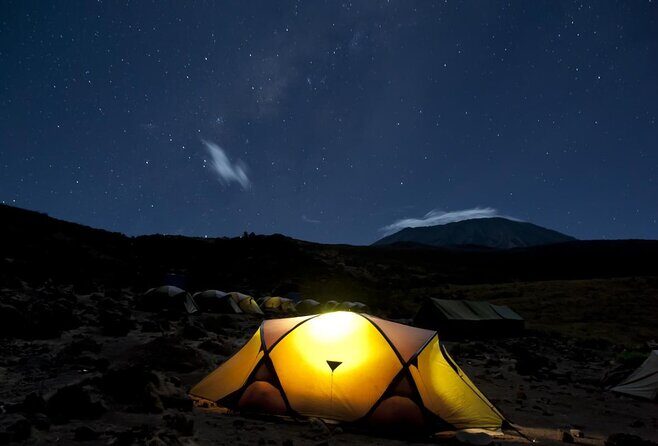
- Marangu huts and dorm-style sleep keep logistics simpler than tent-heavy routes
- An acclimatization day at Horombo helps your body adjust before the summit push
- Summit night starts around midnight with sunrise timing near Gillman’s Point
- Emergency oxygen is included for true emergencies, not as summit help
- Daily hot water for washing is a small luxury you’ll appreciate fast
- A full support crew (guides, porters, cook) means you focus on walking
Marangu’s Coca-Cola Route: huts, rainforest start, and a more gentle pace
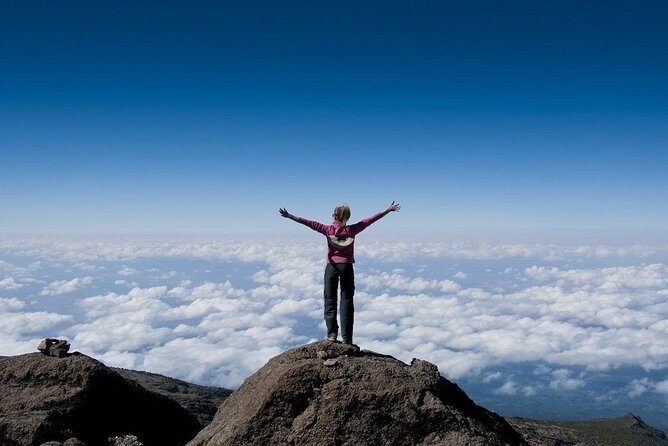
Kilimanjaro has a reputation for being a mix of magic and suffering. The Marangu route gets nicknamed the Coca-Cola route, and that nickname fits: it’s one of the more established, straightforward ways up. The big practical reason people choose it is that Marangu is considered the easiest route on the mountain, mainly because it offers sleeping huts in dormitory-style accommodations instead of living in a tent for every night.
Your trek begins on the southeastern side of Kilimanjaro. That matters because Day 1 opens with dense rainforest, which feels cooler and greener than the barren zones higher up. It’s a nice mental start too. You’re not immediately dealing with wind-burn and dry air; you’re warming up while the mountain slowly builds around you.
That said, “easier” doesn’t mean “easy.” The mountain still goes up to 5,895m at Uhuru Peak, and the final climb still asks for patience and grit. You’re going to feel altitude, even if the route profile is more gradual than some alternatives.
You can also read our reviews of more hiking tours in Moshi
Price and what you actually get for $2,350 in Moshi
At $2,350 per person, this is not the cheapest way to trek Kilimanjaro. But it covers a lot of the expensive, non-glamorous stuff that DIY travelers often underestimate.
You get:
- Return airport transfers between Kilimanjaro airport and Moshi
- Hotel night before and night after with dinner and breakfast included
- All fees and taxes
- A trained team: qualified mountain guide, assistant guides, porters, and cook (with their wages)
- Emergency oxygen (for emergencies only)
- Daily water support: fresh drinking water plus hot water for washing
- Food support across the trek: breakfasts and dinners plus lunches on trekking days
- Trek comfort gear support (including camping equipment and sleeping mattresses)
The value here is the total system. You’re not just paying for a guide walking next to you. You’re paying for the people and logistics that keep your days moving, your meals consistent, and your camp/hut routine handled.
If you’re the type who hates guesswork, this kind of bundled support is money well spent. If you’re trying to shave costs by bringing everything yourself, you might find parts of the included package overlap with what you plan to do anyway.
Day 1: Marangu Gate into the Mandara Hut rainforest (about 5 hours)
Day 1 starts with pick-up from your lodge in Moshi. You’ll be taken to the Marangu gate, handle the paperwork, then step into thick rainforest right away.
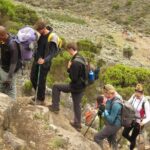
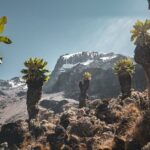
This is the part I’d call your body’s warm-up and your camera’s best friend. The trail is lined with impressive vegetation, and you may spot primates along the way. It’s not constant action, but it’s a welcome reminder that you’re not only climbing; you’re traveling through ecosystems.
You’ll push on to Mandara Hut after covering 8.3km in about 5 hours. Once you’re resting, you’ll have a chance to visit Maundi Crater for views of the Kenyan interior. That crater stop is a good trick for Day 1: you get a viewpoint without waiting for the summit.
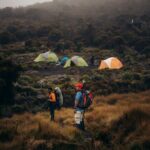
Dorm reality check: your hut night is in a dormitory-style setting. That means shared space and shared noise. If you’re a light sleeper, pack accordingly with what you can (earplugs help if you already use them).
Day 2: Mandara to Horombo Hut through timberline and moor zones (about 9 hours)
On Day 2, you’ll start with an early breakfast and climb out of the rainforest feel. The day shifts from leafy greenery into higher terrain.
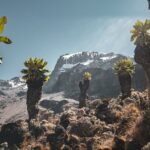
After leaving Mandara Hut, you reach the timberline, then move into the heath and moor zone. This change is noticeable. The air feels drier. The colors flatten. The walking becomes more about steady effort than about scenery surprises.
After roughly 4–6 hours, Horombo Hut appears at about 3,700m. You’ll cover about 12.5km total and the day can take around 9 hours.
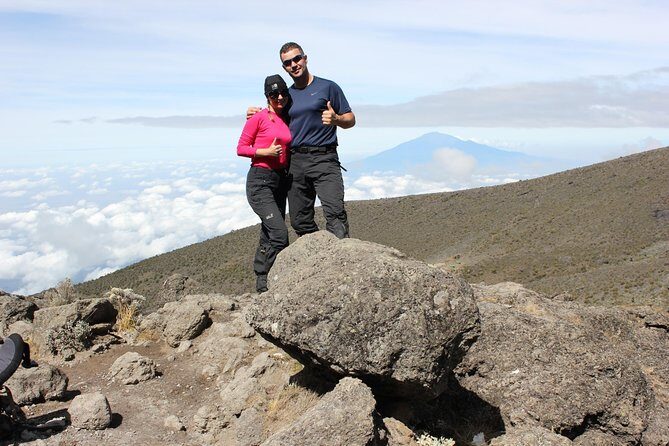
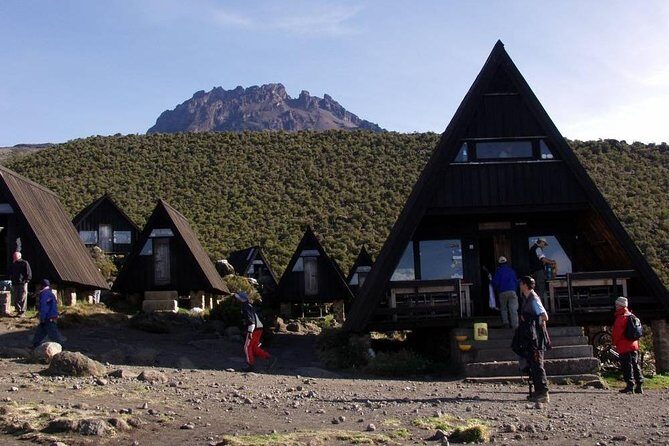
The view from Horombo is a highlight: you can look out toward Mawenzi and Kibo, plus the wide plains of the Masai steppe. Even if you’re tired, pause for a few minutes. This is one of the first moments your brain starts to understand the scale of what you’re attempting.
Day 3: the acclimatization day at Horombo (your secret weapon)
This is where the trip earns its higher odds. Your plan includes an extra day here at Horombo for acclimatization, even though the route can sometimes be done in five days.
You’ll hike to Mawenzi Ridge or Zebra Rock to help your body adjust, then return to Horombo Hut for lunch, rest, and overnight. The session is about your altitude response, not about “winning distance.”
Practical tip: treat this day like a training day, not a sightseeing day. Move at a pace where you can breathe steadily. Stop early if you feel off-balance. This is your one scheduled chance to reduce the risk of altitude problems before the long climb to Kibo.
It’s also psychologically helpful. By Day 3, the mountain stops feeling like a novelty and starts feeling like a job. Having a day dedicated to acclimatization gives you time to catch your breath and reset.
A few more Moshi tours and experiences worth a look
Day 4: Horombo to Kibo Hut via Last Water point and the saddle (about 7 hours)
Day 4 gets serious. You’ll climb toward Kibo Hut over a stage that’s described as long and tough.
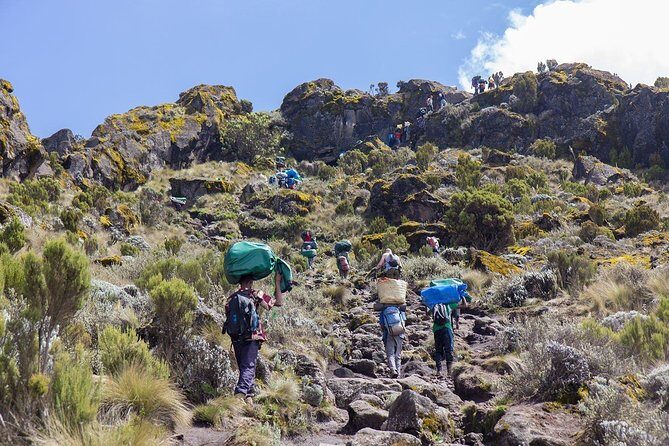
The trail is well built, which helps on a day like this, but you’re still gaining altitude and reducing oxygen. You’ll pass the Last Water point, then move toward the saddle—a near-vegetation plateau that connects the summit area of Kibo with Mawenzi.
This is one of those sections where people want to rush. Try not to. It’s better to keep a steady rhythm than to sprint ahead and burn matches.
You’ll generally reach Kibo Hut in about 6–7 hours after covering around 9.5km. The hut routine gets more tactical here. You’ll eat early and sleep early because the night will be short and you’ll need energy for the summit schedule.
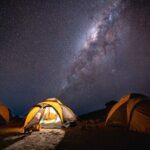
Even though this route includes hot water for washing, plan for cold. The transition from moor to alpine terrain can be sharp, and your sleep will probably be colder than you expect.
Day 5: The summit day to Uhuru Peak at sunrise timing (12–15 hours)
Day 5 is the Big Day, and it starts before most humans feel awake.
You’ll begin your final ascent around midnight. The climb is long and strenuous, and it’s intentionally slow. You’ll pass Hans Meyer Cave at 5,220m as you keep climbing.
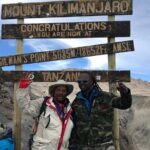
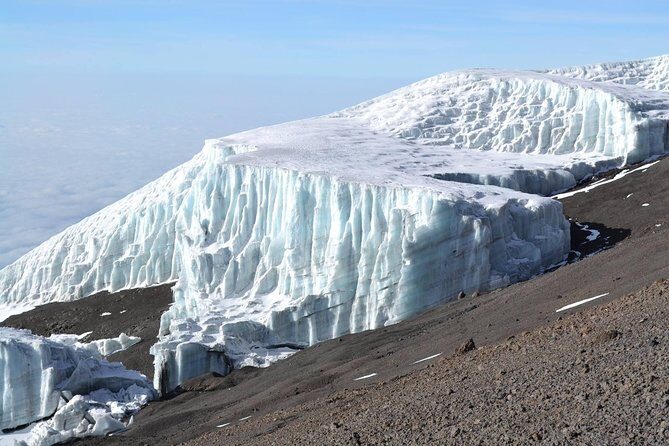
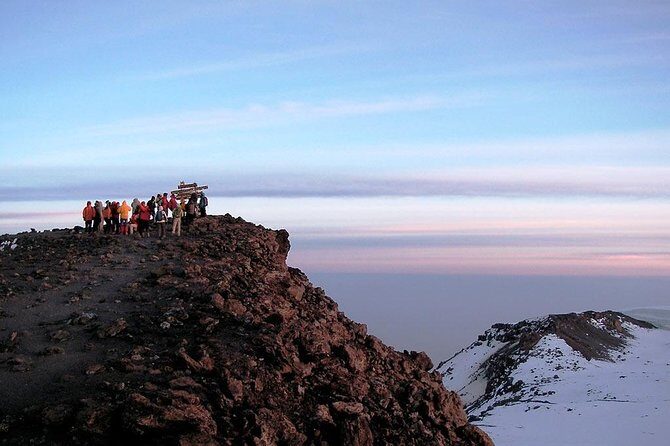
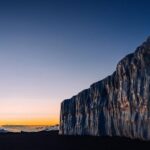
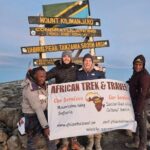
Then you reach Gillman’s Point at 5,681m, around sunrise. That timing is huge. Waiting out the pre-dawn cold can feel endless until the sun starts warming the land. After a further 1–2 hours, you reach Uhuru Peak at 5,895m.
Once you hit the summit, you’re not done mentally, even if you feel relief. The goal becomes safe and efficient descent back to Kibo Hut. You’ll have a warm meal waiting and then a 1–2 hour break before you continue down to Horombo Hut.
This day is also where you’ll appreciate emergency oxygen being available. The program specifies it’s for emergencies only and not as summit aid. That matters for clarity. It’s there as a safety net, not a shortcut.
If you don’t summit, you’ll still have made it through the hardest part of the climb. But the schedule here is designed so that the odds are supported by the acclimatization day and the plan’s pacing.
Day 6: back down through heath and moor to Marangu Gate (about 6–8 hours)
You’ll start the final trekking day at a higher altitude and descend back toward Marangu Gate. The scenery continues to change as you move through the heath and moor zone, then back into tropical rainforest.
A key stop is at Mandara Hut at 2,700m, where a warm lunch is waiting. From there it’s onward to the Kilimanjaro National Park Gate at about 1,860m.
The total walk time is around 6 hours, though the full day is described as about 8 hours. You’ll eventually reach the park gate area, say goodbye to your mountain guides, and then transfer back to your hotel in Moshi.
Then comes the practical reward: warm shower time, then dinner and real rest. This last day feels like a victory lap, but it’s still downhill effort, so keep your boots in good shape and watch your footing.
Guides, food, huts, and the small comforts that keep you going
The support crew is a core part of why Marangu feels manageable. You’ll travel with a qualified mountain guide, assistant guides, porters, and a cook, and the program includes their wages.
From the feedback style you shared, the recurring praise points are pretty clear: food quality, smooth planning, and staff attention to safety. People also highlight that the team keeps things organized from Moshi onward, including timely airport transfers and a comfortable guest house or lodge night setup.
One detail I’d take seriously: the trip includes fresh drinking water daily plus hot water for washing. On Kilimanjaro, that’s not just comfort. It’s morale.
Sleeping in huts can be a mixed experience. On one hand, you’re not living on tent fabric and dealing with full rain complexity. On the other, dorm-style sleeping means you rely on shared space and your own cold-weather strategy.
If you need gear, the program notes that you can rent some items from an equipment store in Tanzania. Still, you’ll want to plan early so you’re not scrambling at the start.
Who this Marangu trek is best for (and who should think twice)
This is a solid choice if you:
- Want the easiest route profile and prefer hut sleeping
- Appreciate a built-in acclimatization day
- Prefer a private tour setup with your group only
- Want a trek that includes the logistics: transfers, meals, guides, porters, and daily water support
Think twice if you:
- Strongly need personal sleeping privacy. Dorm-style huts can be noisy and cold.
- Know you’re vulnerable to intense long-day efforts. Even with the softer route profile, summit day can take 12–15 hours.
- Hate early nights and early starts. Day 4 and Day 5 schedules are tight, and you’ll sleep early on purpose.
For most people with moderate physical fitness, this plan is doable if you respect pacing. The mountain rewards patience more than bravado.
Should you book this 6-day Marangu Kilimanjaro trek?
If you want a Kilimanjaro experience with less camping complexity and more structured comfort, I think booking this makes sense. The strongest reasons are the dorm-style hut system, the support package (guides, porters, cook, meals, transfers), and the extra acclimatization day at Horombo. Those three elements work together to reduce avoidable stress.
Before you commit, double-check two things. First, your ability to handle the summit day time range. Second, your readiness for shared hut sleeping and cold conditions.
If you like clear plans, good food, and a team that keeps you moving safely, you’ll likely feel well cared for on this climb.
FAQ
How long is the trek?
It’s listed as a 6-day climb, with daily trekking times that range from about 5 hours to around 12–15 hours on summit day.
What route is this and why do people choose it?
This trek uses the Marangu route, which is one of the oldest established routes. It’s often favored because it’s considered the easiest route and it offers sleeping huts in dormitory-style accommodations.
Do you get picked up in Moshi?
Yes. The tour includes pickup from your lodge in Moshi and then transport to the park area to start trekking.
Are airport transfers included?
Yes. The package includes return transfers between Kilimanjaro airport and Moshi.
What accommodations do you sleep in?
The program is built around huts on the route, with dormitory-style sleeping as part of the Marangu experience.
Is emergency oxygen included?
Yes. Emergency oxygen is included, but it’s described as for emergencies only, not as summit aid.
What meals and drinks are included?
Breakfast is included for 5 mornings, dinner for 5 nights, and lunches on trek days (listed as 6 lunches). You also get fresh water for drinking and hot water for washing daily.
What gear is included, and what should I bring?
Your package includes camping and climbing equipment support such as tents and sleeping mattresses. Personal gear isn’t included, though you can rent some gear in Tanzania. You should also bring personal items like medicine and water purifying tablets, since these are not included.
Can I cancel and get a full refund?
Yes, there is free cancellation. You can cancel up to 24 hours in advance for a full refund.