REVIEW · MOSHI
7-Day Kilimanjaro Trekking Tour via Machame Route
Book on Viator →Operated by Kilimanjaro Heroes Adventures · Bookable on Viator
Machame is tougher, and that’s the point. This 7-day climb from Moshi builds real momentum on the way up, with some memorable camp moments like Shira sunsets and Barranco night skies. I like that the plan mixes effort with built-in rhythm, not just “walk until you’re done.”
What I like most is the feel of private, on-your-group guiding and support—so you’re not stuck pacing someone else’s schedule. I also like the day-by-day pacing for acclimatization, especially the way Day 4 lets you climb up toward Lava Tower, then sleep at a safer height before the harder push.
The main consideration is that Machame can be demanding. You’ll face steeper ups and downs, including the hands-on Barranco Wall, so you’ll want solid day-to-day hiking legs and a calm attitude for the summit night.
In This Review
- Key highlights you’ll feel on Machame
- Moshi start: get organized and set your pace
- Day-by-day on Machame: what you’ll do and why it matters
- Day 1 (Moshi): briefing, rest, and an easy arrival window
- Day 2: rainforest mornings to Machame Camp
- Day 3: Shira Plateau day with moor and heath, plus a Kibo glow
- Day 4: acclimatization day with Lava Tower up and Barranco Camp down
- Day 5: Barranco Wall challenge, then Karanga Valley to Barafu Camp
- Day 6: summit night to Uhuru Peak, then dust-down to Barafu
- Day 7: farewell ceremony, rainforest walk, and your finish at Mweka Gate
- Who’s driving this trek? The human side of Machame
- Price and value: $2,850 is not cheap, so what do you get?
- How difficult is it, really? (And how to prep smart)
- Practical travel notes for Moshi and your first steps on the mountain
- Should you book this Machame 7-day trek?
- FAQ
- What’s the starting point for this trek?
- Where do you stay in Moshi?
- Is park entry included?
- How hard is the Machame route on this schedule?
- What does summit day look like?
- What time does the trek usually end?
- Is this a private tour?
- What’s the fitness level expected?
- Is free cancellation available?
Key highlights you’ll feel on Machame
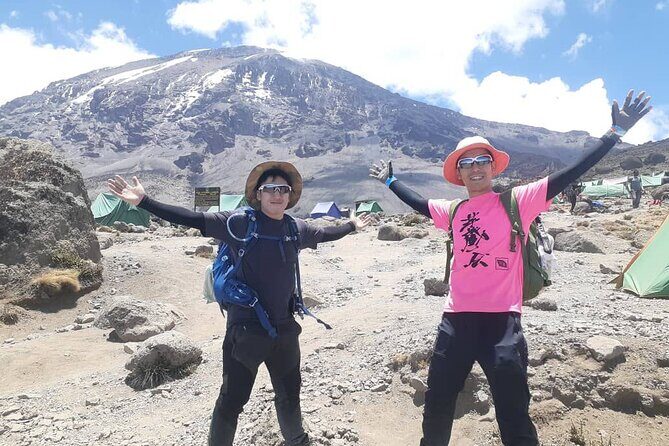
- Shira Camp sunsets that turn the sky dramatic as Kibo starts to glow.
- Barranco Camp stargazing from a place that feels made for quiet nights and slow breaths.
- Day 4 acclimatization logic: climb up, then sleep only slightly higher.
- Barranco Wall: a short, technical-feeling section that’s intimidating at first and manageable with the right guidance.
- Summit night start with tea and a biscuit, then a slow “pole pole” climb to Stella Point and Uhuru Peak.
- Moshi-to-mountain transfers with a real base in Keys Hotel and a farewell ceremony back on the last day.
Moshi start: get organized and set your pace
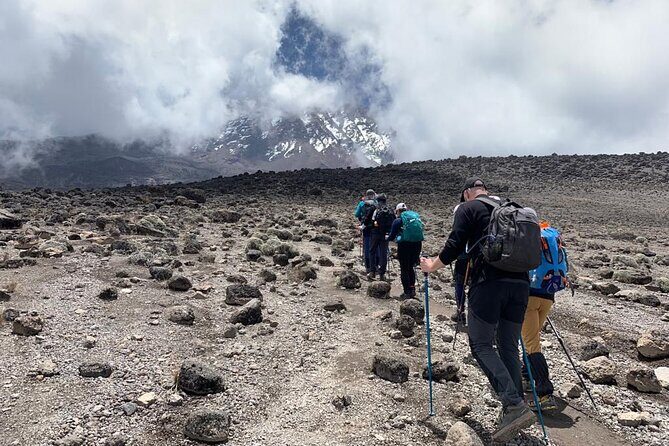
Most good Kilimanjaro treks start before you ever step onto the trail. On Day 1, you’re met at Kilimanjaro International Airport (JRO) and driven to Keys Hotel in Moshi for briefing and an overnight stay. That matters more than it sounds—sleep, timing, and getting your gear in order make the next days feel less chaotic.
The park gate is about a one-hour drive from Keys Hotel. The morning start has a “watch everyone prep” vibe: you’ll see crews getting ready, porters loading items, and guides finishing last checks. It’s a small thing, but it helps you understand what you’re joining. You’re not just showing up to hike—you’re stepping into a full mountain operation.
For me, the big practical advantage here is that this trek runs as a private experience. You’ll have your group only, which makes pacing, rest stops, and communication feel more natural.
You can also read our reviews of more hiking tours in Moshi
Day-by-day on Machame: what you’ll do and why it matters
Day 1 (Moshi): briefing, rest, and an easy arrival window
You land, you meet the driver, you check in at Keys Hotel, and you get the briefing. This is about reducing unknowns: where you need to be, how the mountain schedule works, and how to handle your first morning start.
The overnight in Moshi also gives you a cushion. If your flight timing is a little off, you’re not going straight from airport to altitude. That’s a quiet win for comfort—and for confidence.
Day 2: rainforest mornings to Machame Camp
Your climb begins with park formalities—entrance forms and checks—then you set off toward Machame Camp. It’s about a 5–6 hour day, and you’ll transition through rainforest. That first section is often easier on paper than it feels in practice, because you’re breathing the warm, humid air and learning your footing.
One thing I appreciate about this setup is how it gets you moving without throwing you into the hardest terrain right away. You start learning the rhythm: small steps, consistent breathing, and a steady pace.
When you arrive at camp, you’re not just “arriving.” You’re switching modes—meal schedule, gear access, warm layers, hydration reminders. This is also where the guide and support system becomes real.
Day 3: Shira Plateau day with moor and heath, plus a Kibo glow
Day 3 is shorter at around 6 hours, but don’t let that fool you. The environment changes dramatically from rainforest into moor and heath land. This shift usually means colder air, different wind exposure, and often a bigger sense of walking in open ground.
You end up on the Shira Plateau, and the mountain opens up visually. The glacier of Kibo lights up as the sun sets, which is exactly the kind of moment that makes the long days feel worth it. Even if clouds hide the summit later, Kibo’s glow can still surprise you here.
If you’re trying to manage energy, this is a good day to focus on calm movement. Keep your steps smooth and your breathing steady. Save the big energy talk for the final night.
A few more Moshi tours and experiences worth a look
Day 4: acclimatization day with Lava Tower up and Barranco Camp down
This is one of the most important days on Machame. You’ll climb roughly 700m, but you sleep at a level not much higher than the previous night. That logic—climb higher for adaptation, then keep overnight altitude safer—is exactly what helps trekkers handle the later summit push.
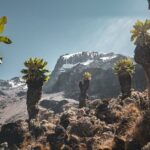
The route goes from Shira Plateau up to Lava Tower around 4640m. After a rest, you continue through Barranco Valley until you reach Barranco Camp. This day runs about 6–7 hours and includes alpine desert feel along the way, plus plant life like lobelia and giant Senecio.
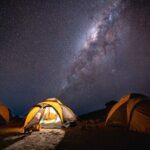
The vibe at Barranco Camp is special. The night skies here can be genuinely breathtaking, so plan to take a few minutes after dinner to look up. It’s not just “nice”—it’s a mental reset after a full day on your feet.
Day 5: Barranco Wall challenge, then Karanga Valley to Barafu Camp
Day 5 is where Machame starts to feel like Machame. The first section is the ‘Barranco Wall’—a steep, slightly technical stretch where you may use hands and feet. It looks more daunting than it is, but it’s still real climbing effort. Safety comes first, and you should be secured if needed.
Once you move past the Wall, the trail continues with up-and-down sections, plus stream crossings. You stop for lunch in Karanga Valley, where the terrain shifts again and you’ll feel the route’s variety: not just altitude, but changing ground type all day.
After lunch, there’s another 2–3 hour climb to Barafu Camp at around 4640m. Tonight is about smart behavior. Drink fluids, eat what you can, and get to bed early. Summit night is coming, and your body responds better to rest than to panic.
Day 6: summit night to Uhuru Peak, then dust-down to Barafu
This is the big one. You’ll be woken in the midnight hours with tea and a biscuit. You’ll dress warmly with a headlight and your daypack, then start the climb in darkness.
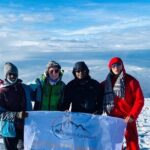
After 5–7 hours of slow progress—people call it pole pole for a reason—you reach Stella Point on the crater rim. Then it’s another 1–2 hours along the crater’s edge to Uhuru Peak at 5895m.
The early morning light matters here. Looking down over the surrounding terrain in that pre-dawn brightness is the feeling people chase: like you’re standing outside your old limits. It’s also a reminder that altitude is mostly about patience. Go slower than you think you need to.
Descent is described as easy but dusty. Volcanic ash “defrosts” as you move, and you’ll likely feel it underfoot as the trail gets warmer. You return along the same route and should arrive back at Barafu Camp.
Day 7: farewell ceremony, rainforest walk, and your finish at Mweka Gate
Day 7 is both relief and closure. After breakfast, you’ll have a traditional farewell ceremony with the mountain crew. This isn’t just ceremony for ceremony’s sake. It helps you recognize the full team behind the summit day—the guides, cooks, porters, and camp support who keep you fed, moving, and safe.
Then it’s a short 2–3 hour walk through rainforest to the Mweka gate. After that, the driver takes you back to Keys Hotel for a shower, a cold drink, a debrief, and an achievement certificate. The rest of the day is yours to reflect without having to immediately re-schedule your body for more hiking.
Who’s driving this trek? The human side of Machame
A Kilimanjaro trek is only as good as the team running it day-to-day. The information here points strongly toward experienced local guiding and a structured support system.
From past trips, guides like Mwinyi, Kelvin, David, James, and others are named, along with assistant support such as Gloria. Cooks are also mentioned, including Salum/Solon, which matters because good food and steady camp routine help you keep moving. People also note a lively, careful team atmosphere—caring, attentive, and focused on keeping you safe.
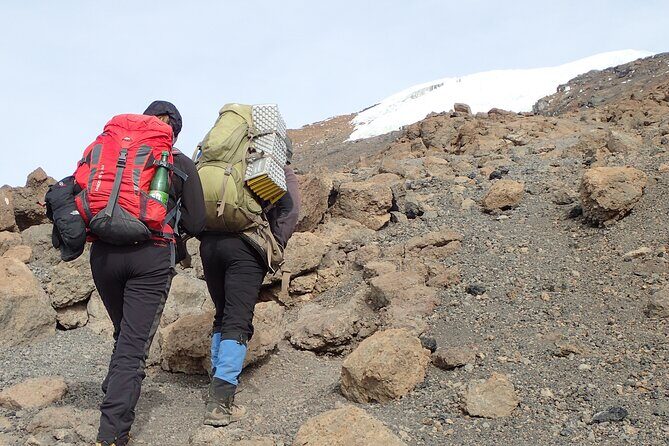
Just as important is how support is handled with gear. You should plan for porters who carry not only food but also much of your gear. There’s also mention of a separate dining tent with table and chairs, plus multi-course meals. That’s the difference between suffering in a fog of “where’s my stuff” and getting fed properly in a real setup.
If you’re the kind of traveler who worries about logistics when you travel far from home, you’ll probably sleep better with this kind of team structure.
Price and value: $2,850 is not cheap, so what do you get?
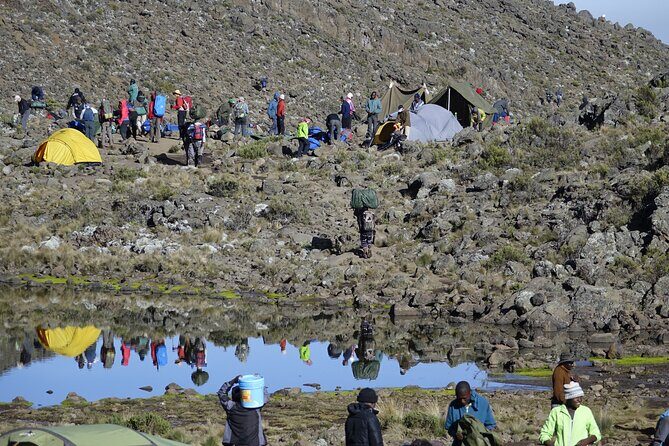
At $2,850 per person for a 7-day Machame route, this sits in the mid-to-higher range you’ll see for guided Kilimanjaro trips. What makes the price make sense is the combination of:
- National park admission tickets included each day listed.
- Private participation (only your group).
- Moshi hotel base with pickup coordination and a final transfer back after the Mweka gate.
- A full mountain crew setup: guides, cooks, and porters supporting food and gear.
When you break it down per day, you’re paying for more than “walk time.” You’re paying for camp operations, food, night logistics for summit day (the tea and biscuit wake-up), and the human labor that keeps your trek moving safely.
The value question is simple: do you want a team that runs camps like a system? If yes, this kind of arrangement is often worth it. If you’re trying to do everything as cheaply as possible, you may find cheaper options, but you’ll have to accept trade-offs in support quality and organization.
How difficult is it, really? (And how to prep smart)
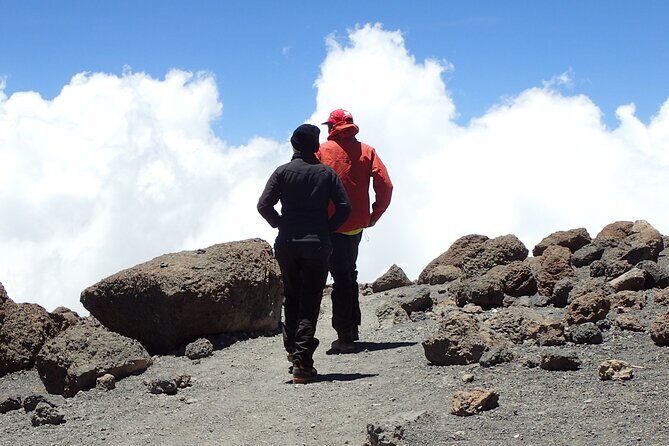
Machame is described as a more challenging route because of steeper ascents and descents. That shows up in the itinerary with the Barranco Wall and the day-after-day altitude work.
You should aim for moderate physical fitness level and be comfortable with long hikes of roughly 4–10 hours depending on the day. Summit day is not a “workout”—it’s endurance in cold, low light, with slow movement. Your best strategy is to prepare for consistency, not heroics.
Gear-wise, the key clue is that summit day starts in darkness with a headlight and warm layers, and you carry a daypack. You don’t want heavy, unnecessary items, because porters handle much of the load—but you do want control over the things you personally need (layers, water, small essentials).
One more thing: eat and drink on schedule. The trek specifically asks you to drink fluids, try to eat, and go to bed early before summit night. That’s not advice for comfort—it’s advice for altitude success.
Practical travel notes for Moshi and your first steps on the mountain
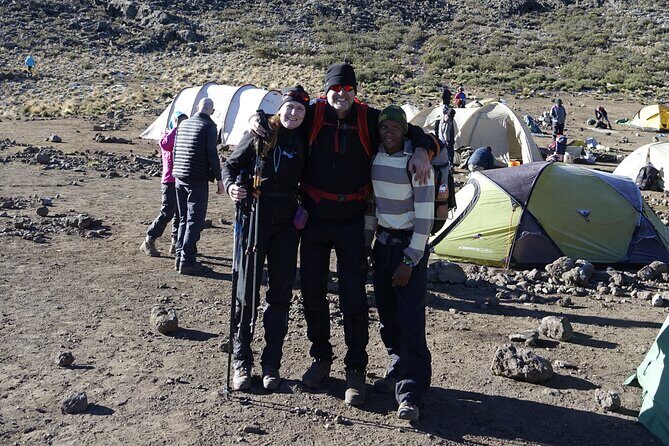
- Plan to start with the 8:00am start time from Kilimanjaro Airport. That helps you plan buffer time after your flight lands.
- Expect a daily rhythm of mornings, trekking hours, and camp transitions that can feel busy. That’s normal.
- Your finish includes a shower and debrief back at Keys Hotel, so you’re not stuck figuring out how to reset after your summit day.
- Since this is a private experience, your group’s pace can be better matched. Still, Machame asks for slow, steady hiking more than it asks for speed.
If you like the idea of a trek with strong coordination and a full team behind you, this format fits that style of travel well.
Should you book this Machame 7-day trek?
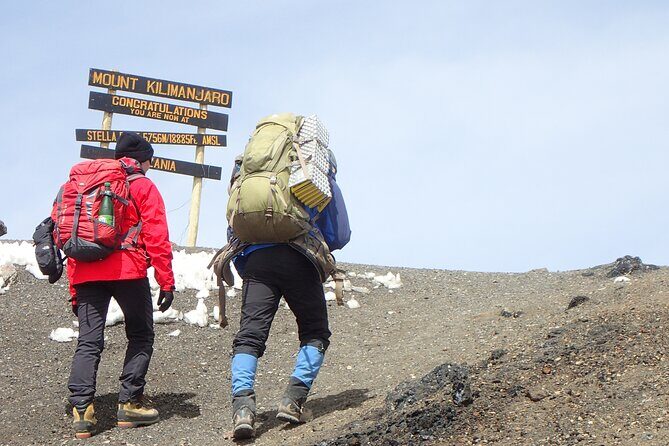
Book it if you want the classic Machame flavor: steeper days, satisfying camp moments, and a summit night built around slow, patient climbing. You’ll especially like it if you value structured support—guides, cooks, porters, and camp systems that reduce uncertainty—and if you want the private group feel.
Think twice if you’re looking for an easy route or you know you struggle with steep terrain and long hiking days. Machame is not trying to be gentle, and the Barranco Wall is a clear hint that you’ll need steady confidence in your footing.
If you’re ready for a serious adventure with real team help and standout nights under the stars, this is a strong option for putting the Roof of Africa within reach.
FAQ
What’s the starting point for this trek?
It starts at Kilimanjaro Airport, with a start time listed as 8:00am.
Where do you stay in Moshi?
On Day 1, you’re taken to Keys Hotel in Moshi for briefing and an overnight stay, and you return there after the trek for shower, debrief, and certificate.
Is park entry included?
Yes. Admission tickets are listed as included on the climbing days.
How hard is the Machame route on this schedule?
Machame is described as a bit more challenging due to steeper ascents and descents. The itinerary includes the Barranco Wall and a long summit night climb.
What does summit day look like?
You’re woken around midnight for tea and a biscuit, then you climb slowly in darkness with a headlight. You reach Stella Point and then Uhuru Peak (5895m), arriving back at Barafu Camp afterward.
What time does the trek usually end?
On Day 7, after a short rainforest walk to the Mweka gate, you’re transferred back to Keys Hotel. The listed duration for Day 7 is about 4 hours.
Is this a private tour?
Yes. It’s private, so only your group participates.
What’s the fitness level expected?
The tour notes that travelers should have a moderate physical fitness level.
Is free cancellation available?
Yes. You can cancel for a full refund if you cancel at least 24 hours before the experience’s start time. Within 24 hours, the amount paid is not refunded.