REVIEW · MOSHI
Kilimanjaro 360
Book on Viator →Operated by Kili Bike Adventures · Bookable on Viator
Six days of biking beats a dusty hike.
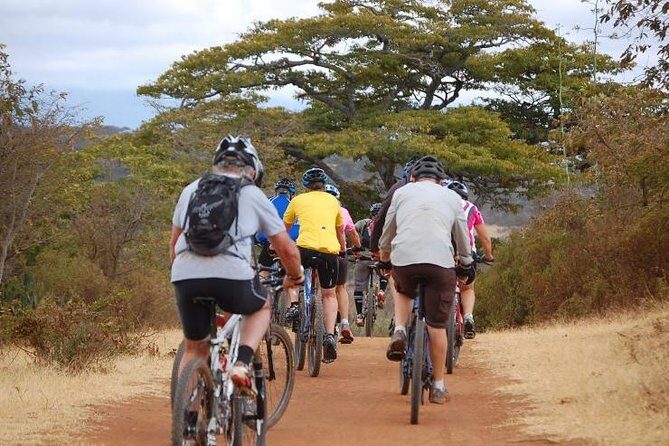
Kilimanjaro 360 is a guided cycling loop that takes you around the mountain’s changing zones, from fertile plantations to dry Maasai country, then into the Rongai forest edge and down to crater Lake Chala. The trip mixes steady riding with cultural stops, wildlife country, and real small-town life—plus a support vehicle so you are not white-knuckling every repair or detour.
I love the practical support package. You get mountain bikes and helmets, plenty of snacks and fruit, water each day, and on-the-ground help including a bike mechanic, cooks, and a driver—so the day’s focus stays on riding and scenery. I also like the food-and-sleep rhythm: full meals are included, and the camp setups are specifically called out as quality camping gear.
One consideration: this is real riding on mixed tarmac and dirt, with a moderate fitness requirement. A long day is around 73 km, and you should be ready for steep ups and downs plus a bit of wind-and-weather drama.
In This Review
- Key highlights you’ll feel on this route
- Kilimanjaro 360 in plain terms: a loop, not a climb
- Price and value: what $2,690 covers (and what it does not)
- Where the trip starts: JRO to Moshi and your first bike fitting
- Day 2 into Maasai Lands: plantations, then arid plains and acacia trees
- Day 3 through Enduimet: big country, elephants in the story
- Day 4 toward the Kenyan border: Rongai edge and Snowcap Cottages (73 km)
- Day 5 down to Lake Chala: a crater lake night you’ll remember
- Day 6 Marangu foothills and Kinukamori waterfalls with a Chagga guide
- Day 7 back to Moshi: steep-to-smooth riding and a celebratory finish
- Day 8: a free Moshi morning and one last chance to soak it in
- Support, group size, and bike-mechanic peace of mind
- What could trip you up: fitness, road mix, and weather
- Should you book Kilimanjaro 360 with Kili Bike Adventures?
- FAQ
- Where do you start, and what time does the tour begin?
- How long is the Kilimanjaro 360 tour?
- What distances will I ride on the longest days?
- What bike and safety gear are included?
- Where will I sleep during the cycling days?
- Are meals and water included?
- What cultural and wildlife experiences are part of the route?
- Do I need a visa and travel insurance?
- Can I cancel for a full refund?
Key highlights you’ll feel on this route
- Moshi to the circuit, with airport transfer: you start at Kilimanjaro International Airport (JRO) and get shuttled into Moshi for bike fitting.
- Maasai Lands to Chagga foothills: Maasai culture in Olpopongi, then Chagga villages and waterfall stories later on.
- Enduimet Wildlife Management Area rides: big-open plains tied to wildlife movement near the Amboseli side.
- Rongai forest edge at Snowcap Cottages: clear-day views of Kibo and Mawenzi are the payoff.
- Lake Chala crater lake overnight: a turquoise-blue water setting on the border with Kenya.
- Full meals and support vehicle: you’re not self-contained, which makes the riding more enjoyable.
Kilimanjaro 360 in plain terms: a loop, not a climb
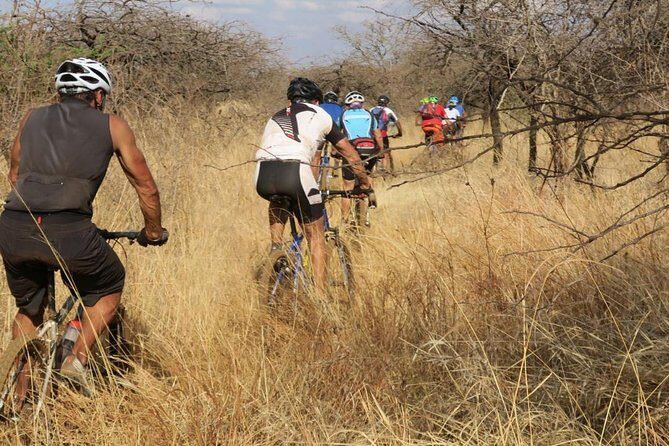
If you have been tempted by Kilimanjaro but do not want the pressure of a summit attempt, this is a smarter way to “get the mountain” without the altitude grind. You circle the mountain’s lower zones and feel the climate shift as you move from wetter areas into drier plains and then back toward the slopes again.
What makes the trip interesting is the variety. You bike through plantation country, acacia woodlands, and wide-open grazing areas, then drop down toward a crater lake where the air feels different. You also get structured cultural stops—Maasai village and museum time, then Chagga village life and a detour to Kinukamori waterfalls with a local guide.
You can also read our reviews of more tours and experiences in Moshi.

Price and value: what $2,690 covers (and what it does not)
At $2,690 per person, Kilimanjaro 360 is not a budget day trip. But when you look at what’s included, the price is easier to justify for the kind of trip you are buying.
Included value that matters:
- Your bike and helmet (so you’re not hunting for rentals last-minute).
- Snacks, fruits, and 2–3 liters of water daily, which is huge on long riding days.
- Accommodation before and after at a 3-star hotel in Moshi, plus camping during the cycling days.
- A support vehicle and full crew: guides, a bike mechanic, driver, and cook.
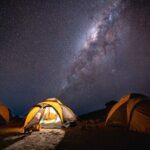
- Camping gear (tents, sleeping bags, mattress, and camp furniture).
- Village fees, WMA fees, cycling fees, and entry fees, which can add up fast in East Africa.
- All meals during the trip days (breakfast, lunch, and dinner are listed for the cycling days).
What is not included:
- Tips for the crew (appreciated, but you’ll decide what feels right).
- Laundry service.
- Tanzania entry visa.
- Travel and medical insurance (optional but strongly recommended).
My practical take: this price makes more sense if you want the heavy lifting handled—logistics, meals, bike support, and fees—so you can ride and take in the places without turning the trip into a project.
Where the trip starts: JRO to Moshi and your first bike fitting
Your day one begins with pickup at Kilimanjaro International Airport (JRO) and transfer to Moshi, the base town at the mountain’s foot. You’ll meet your guide and do a bike fitting right away. That matters because bike comfort isn’t a small thing on multi-day routes.
If you arrive on a morning or afternoon flight, you get time for a quick test ride. The ride is described as going through a sugar cane plantation and nearby villages. That’s a nice way to shake off the flight and get your legs turning before the longer cycling days.
You sleep at Keys Hotel that night, with dinner included. It’s a solid first “land in Tanzania” moment: you’re fed, you’re rested, and your bike is dialed before you commit to the route.
Day 2 into Maasai Lands: plantations, then arid plains and acacia trees
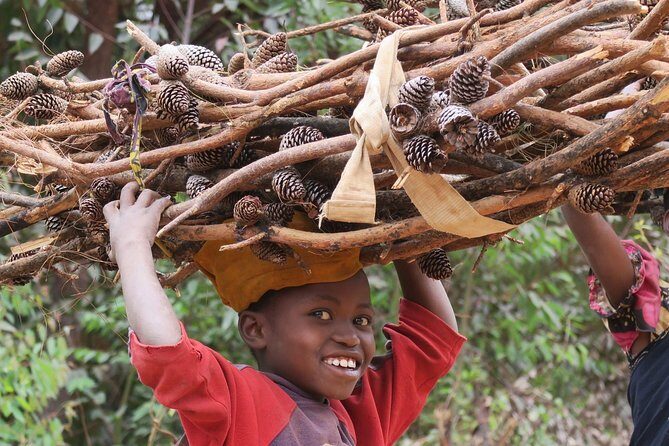
Day two is where the mountain starts feeling bigger than a single peak. The ride starts from the greener southern side and works toward the more arid western side. You begin with coffee and banana plantations, then transition to open plains and acacia woodlands.
This is also where cultural context becomes part of the ride, not an afterthought. You visit Olpopongi – Maasai Cultural Village & Museum. The trip frames the area as Maasai Lands, linked to how the nomadic Maasai co-exist with local wildlife. That’s one reason this stop is more than a photo opportunity: it’s timed with a real geographic change in the route.
Practical note: the ride time listed is about 6 hours, so plan your energy and hydration early. Since water and snacks are handled, your main job is to keep moving consistently.
Day 3 through Enduimet: big country, elephants in the story
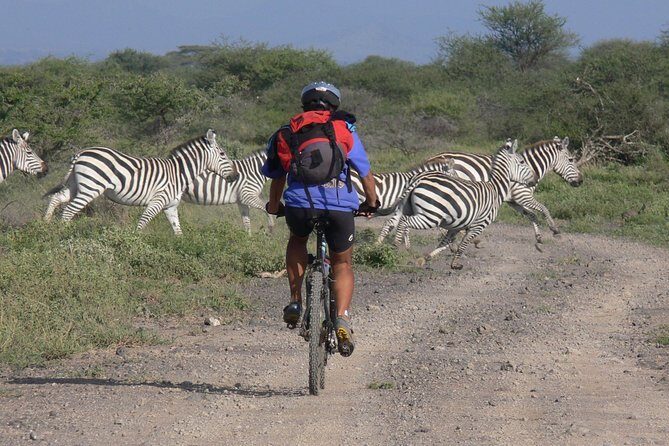
Day three rides through the Enduimet Wildlife Management Area, described as one of Tanzania’s best-kept secrets and a migratory corridor bordering Amboseli National Park. The area is important for wildlife movement, and elephants are specifically mentioned.
Riding here feels different than plantation country. The route starts across wide open plains dotted with acacia trees. As you approach the lower slopes of Kilimanjaro, things get greener because cultivation increases again.
You end at Simba Farm, located atop wheat and barley fields. That finishing point matters because farms in this region often mean you’re cycling alongside real daily life, not just through scenic backdrops.
This day also shows how the tour manages tempo. It’s another roughly 6-hour ride, but the day is structured so you get a gradual feeling of environmental change rather than one long grind with no breaks in scenery.
Day 4 toward the Kenyan border: Rongai edge and Snowcap Cottages (73 km)
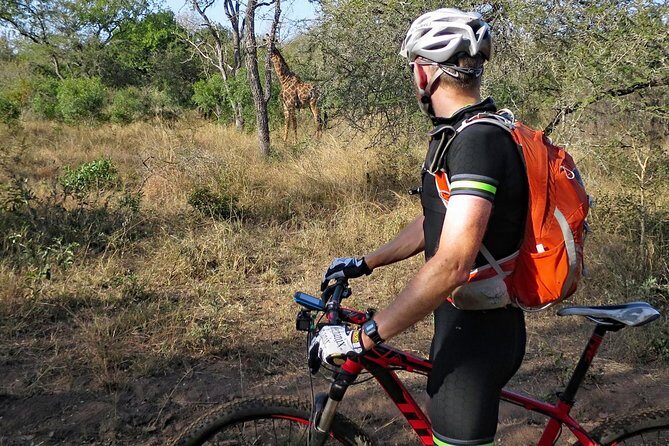
On day four, you head toward the north east side of Mt. Kilimanjaro, ending near the Kenyan border at NalemorU village, where the Rongai route up Kilimanjaro starts. That detail matters if you’ve read about Rongai before—you are essentially approaching the route from the bicycle side, with the landscape changing as you climb in the foothills.
The ride travels through open farmlands with views of the western plains behind you, then moves through several vibrant towns before reaching your camping base.
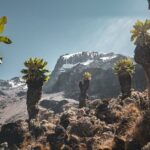
Your destination is Snowcap Cottages, right on the edge of the Rongai forest. If the day is clear, the tour calls out great views of Kibo and Mawenzi peaks.
This is also the day with the strongest distance number given: about 73 km on tarmac and dirt roads. Expect a day where pacing is everything. If you go out too hard early, the later sections will feel longer than they look on a map.
Day 5 down to Lake Chala: a crater lake night you’ll remember
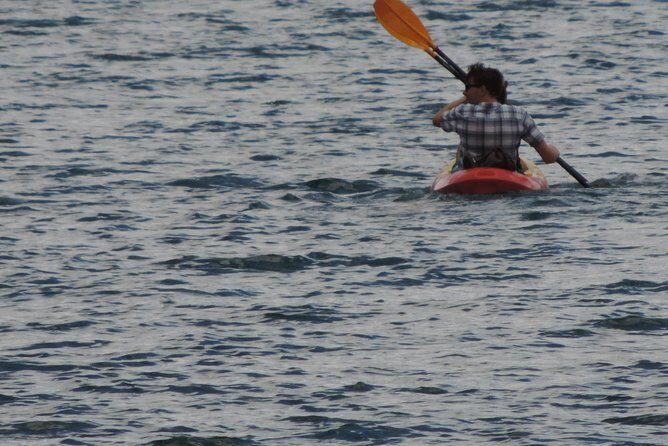
Day five is the “payoff scenery” day. You enjoy a downward hill ride toward Lake Chala, a crater lake that sits on the Tanzania–Kenya border.
The water source is described as underground springs from Kilimanjaro. That helps explain why the lake looks like it does in photos: turquoise-blue and green water with plant and tree life around it. You camp at Lake Challa Campsite on the edge of the caldera lake, with a volcanic backdrop.
Even if you are not a hardcore “lake person,” this is the kind of evening that gives you a break from constant movement. The schedule still includes full meals—breakfast, lunch, and dinner—so after the ride, you can just settle and enjoy the setting.
Practical note: day five is around 65 km and still uses tarmac and dirt roads. The downhill does not mean easy. Your legs still have to control speed and effort.
Day 6 Marangu foothills and Kinukamori waterfalls with a Chagga guide
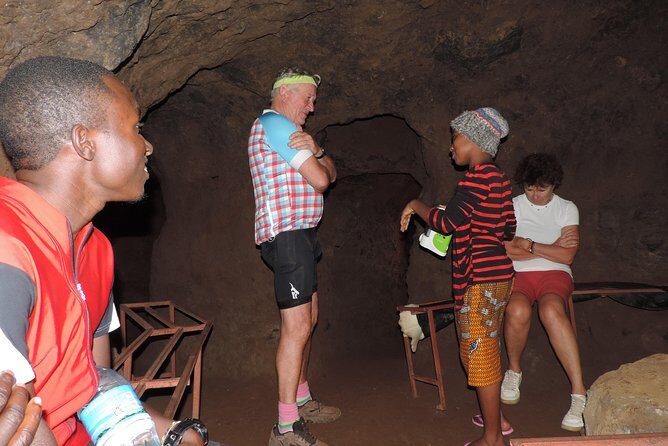
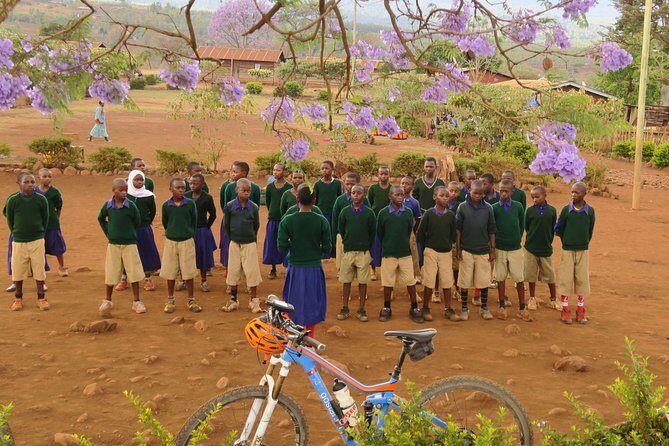
Day six is short in time but described as challenging because you ride up to Marangu village in the foothills. This is where plantations come back into the picture—banana and coffee are called out again—and where the Chagga community is part of the ride experience.
You’ll pass people waving and calling out Jambo as you cycle through Marangu village. That’s a simple moment, but it’s the kind that makes this feel like a real route through communities, not a sealed-off ride.
Before you reach camp, there’s a detour to the iconic Kinukamori waterfalls. You walk down to the base of the waterfalls, then a local Chagga guide shares history, traditions, customs, and a legend tied to the falls.
This day is the best example of why the tour’s structure is useful. You get riding time, then you get a meaning-filled break with a local guide—so the physical work connects to people and place.
Day 7 back to Moshi: steep-to-smooth riding and a celebratory finish
Your final cycling day runs through villages and plantations on the slopes, then drops you back toward the lively town of Moshi. The ride is described in two halves: steep ascents and descents first, then a more gradual downhill toward town on the second half.
You’ll ride through Moshi’s suburbs and outskirts via back roads before ending at Keys Hotel, which marks the finish of your 6-day circuit.
This is also the day that includes a celebration: dinner with sparkling wine to toast your achievement. It’s a good end marker, especially for a trip that is hard enough to deserve a real wrap-up.
Distance given for day seven is about 37 km and riding is on tarmac and dirt roads. That shorter number helps, but the route description still signals that your legs will feel it if you have been going hard all week.
Day 8: a free Moshi morning and one last chance to soak it in
Day eight is left free so you can wind down before your flight. Depending on timing, you can explore Moshi town and pick up souvenirs, then head to the airport.
Breakfast is included, so you’re not forced into an early scramble. This rest day is smart after several nights camping and a week of changing terrain.
Support, group size, and bike-mechanic peace of mind
One of the most practical strengths here is the staffing model. The tour lists support vehicle, bike mechanic, and a full cooking team. You also have guide(s) involved throughout.
That matters because it reduces the two biggest cycling trip stressors:
- fixing mechanical problems without panic
- keeping everyone fed and moving at a steady rhythm
The group size is capped at a maximum of 16 travelers, which usually means you’re not just floating through the day in a massive herd.
I also appreciated that the included plan covers the “stuff around riding.” The tour spells out quality camping gear—tents, sleeping bags, and mattresses—plus tables and chairs. It’s still camping, but it’s not a throw-everything-in-a-bag style camp.
What could trip you up: fitness, road mix, and weather
Even with support, this is not a gentle ride. You should have moderate physical fitness, and you’ll be cycling on tarmac and dirt roads. In parts of the route, you’ll be moving through and near towns, so you should expect some slower-speed village road moments.
Weather is also part of the equation. The experience is noted as requiring good weather. When conditions are rough, you might face route or date adjustments.
Finally, the price means you should take confirmation seriously. There is a negative data point from one past customer alleging issues when an organizer cancelled and money was not returned as expected. The published policy you’re given for cancellations shows free cancellation in certain windows, but I still suggest you protect yourself: get written confirmation, and consider travel insurance so one bad logistical event does not wreck your budget.
Should you book Kilimanjaro 360 with Kili Bike Adventures?
I’d book this if you want a Kilimanjaro-area experience that is active, social, and grounded in real places—Maasai Lands, Enduimet, the Rongai forest edge, and Lake Chala—without the summit stress. The all-in support (bike, mechanic, meals, camping gear, and fees) is the main reason this works at this price.
I would pause if you’re looking for an easy cruise ride or you hate any chance of steep climbs and dirt-road sections. It’s also worth extra caution if you are very sensitive to cancellation risk—because one unhappy story exists in the record. If you book, take the time to understand the terms you receive, keep documentation, and insure your trip.
If you are okay with a challenging-but-manageable riding week, Kilimanjaro 360 is one of those trips that feels like you actually traveled around the mountain, not just looked at it from one view.
FAQ
Where do you start, and what time does the tour begin?
Pickup is offered from Kilimanjaro International Airport (JRO) with a transfer to Moshi. The start time listed is 7:00 am.
How long is the Kilimanjaro 360 tour?
The tour is listed as 8 days (approx.), including about 6 days of cycling plus additional time in Moshi.
What distances will I ride on the longest days?
The route includes a 73 km day on day four and a 65 km day on day five. Other days list ride times around 6 hours, and day seven is listed as 37 km.
What bike and safety gear are included?
The tour includes mountain bikes and helmets.
Where will I sleep during the cycling days?
You camp at Snowcap Cottages (day four) and Lake Challa Campsite (day five). On day one you stay at Keys Hotel, and day seven includes lodging at Keys Hotel; accommodation before and after is listed as a 3-star hotel.
Are meals and water included?
Yes. The tour lists snacks and fruits, water 2–3 liter a day, and meals including breakfast, lunch, and dinner across the tour days as specified. Day eight includes breakfast.
What cultural and wildlife experiences are part of the route?
You visit Olpopongi – Maasai Cultural Village & Museum, ride through Enduimet Wildlife Management Area, and later go to Kinukamori waterfalls with a Chagga guide. You also reach crater lake country at Lake Chala.
Do I need a visa and travel insurance?
A Tanzania entry visa is not included, and travel and medical insurance are optional but highly recommended.
Can I cancel for a full refund?
The tour lists free cancellation, with a full refund if you cancel at least 24 hours before the experience’s start time.