REVIEW · MOSHI
Rau Forest Bike tour
Book on Viator →Operated by Kili Bike Adventures · Bookable on Viator
A bike tour can teach you more than a bus ride ever will. This one threads through Moshi’s farms and villages, then swings into the Rau Forest for real nature time. I love the way the day mixes countryside views with hands-on food stories, not just photo stops. One thing to consider: it’s a full 9-hour day with real riding, so you’ll want decent bike comfort and shoes.
The strongest part for me is the guide-led flow. You’ll cycle past places that feel lived-in—schools, mosques, and churches—then see how rice is grown and harvested before sharing lunch with a local family. If you’re hoping for a light stroll, this isn’t that kind of tour; think more “active rural day” than “easy sightseeing.”
In This Review
- Quick highlights you’ll remember
- A bike day that starts in Moshi farms and ends in Rau Forest
- Kili Bike Adventures setup: bikes, helmets, and a pace that works
- Sugarcane to rice fields: the real work behind one sack of rice
- Lunch with a local family: pilau on the veranda
- Rau Forest riding: colobus monkeys and a calmer kind of travel
- Price and logistics: what $75 buys you (and what it doesn’t)
- How much cycling is it really?
- Who should book Rau Forest Bike Tour
- Tips to make your day smoother
- Should you book this tour?
- FAQ
- What is the duration of the Rau Forest Bike tour?
- How much does the tour cost?
- Does the tour include bikes, helmets, and water?
- Is lunch included?
- Do you get a tour guide and transportation?
- What areas will you cycle through?
- Can you help with the rice fields?
- What wildlife might you see in Rau Forest?
- Is pickup or airport transfer included?
Quick highlights you’ll remember
- Sugarcane + rice fields + village life, in one long loop around Moshi
- Optional helping hand in the rice fields, so you understand the work behind the food
- Pilau lunch with a local family, eaten in a home setting on the veranda
- Rau Forest riding with colobus monkeys in the canopy (with long, fluffy tails)
- Top-notch mountain bikes with helmets, plus bottled water and guide support
- Great guide energy: names like George, Roy, Richard, and Yasin come up often
A bike day that starts in Moshi farms and ends in Rau Forest
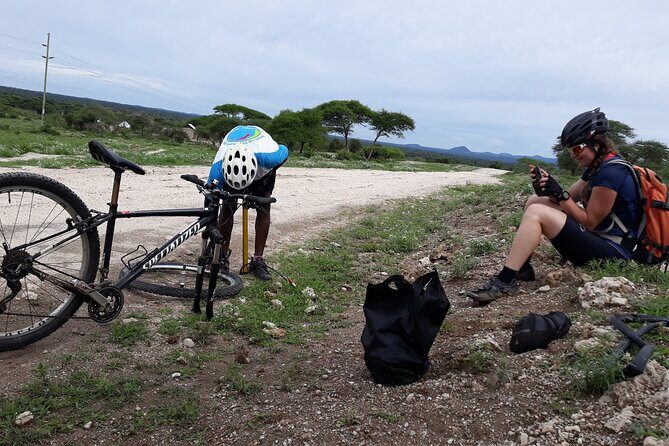
Moshi sits at the edge of agricultural country, so even staying close to town feels like getting out fast. On this tour, you don’t just look at farms from a roadside. You ride through sugarcane areas with small farms and houses, then head toward rice fields where the day’s lessons actually connect to what you eat.
The day also has a built-in contrast. One moment you’re seeing daily routines outside schools and nearby religious buildings, and the next you’re in the greener pull of the Rau Forest. That mix is what makes the ride feel like more than another “cycle past scenery” outing.
You can also read our reviews of more cycling tours in Moshi
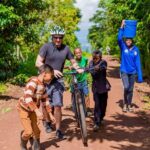
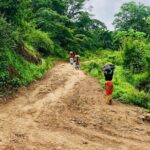
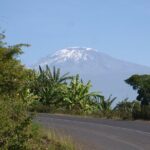
Kili Bike Adventures setup: bikes, helmets, and a pace that works
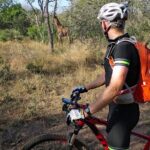
The tour includes mountain bikes and helmets, plus bottled water and a guide. That matters because good bikes reduce the mental tax of the day. You can focus on the route, the people, and the sights, instead of wondering if your drivetrain will survive.
From the reviews, bike quality seems to be a real strength. People specifically commented that the bikes were in good shape—no rusty, broken parts like you sometimes get with random rentals. You’ll also notice that guides adjust pacing based on what you need. Names like George and Roy show up frequently as guides who kept the ride comfortable and well explained, and Yasin is mentioned as friendly and responsive too.
One extra bonus you might encounter: one guest noted a photographer following on a motorcycle who took pictures during the ride and sent them by email for free afterward. That may not happen every time, but it’s a nice example of the level of attention you can get on the day.
Sugarcane to rice fields: the real work behind one sack of rice
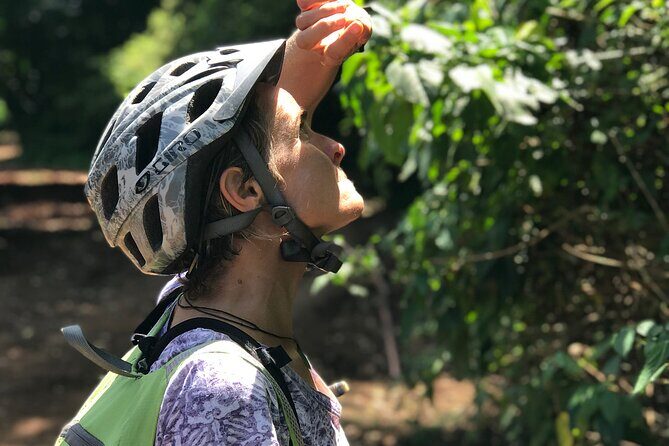
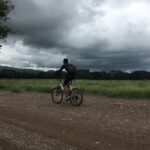
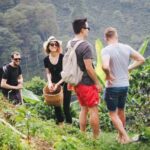
This is the heart of the cultural part of the tour. You’ll ride through a sugarcane plantation area with small farms and houses, and the route passes everyday community landmarks like schools and places of worship. Watching daily life from a bike seat changes your angle. You’re moving with the area, not just through it.
Then you reach the nearby rice fields. Here’s where the day becomes more than scenery: you’ll stop, and if you want to, you can lend a hand to the field workers. Even if you only do a small task, it gives you context for how much effort goes into producing rice—and why it matters so much in Tanzanian meals.
You’ll also learn what that work means in practice. When you later eat pilau, it won’t just taste good; it’ll land with meaning. That’s the value of the rice-field stop: it turns a meal component into a story you can repeat.
Practical note: rice-farm areas can mean uneven ground. Bring shoes you trust on dirt and mild mud, not sandals. If you’re the type who hates surprises, keep that in mind and stay flexible.
Lunch with a local family: pilau on the veranda
After the rice-field experience, the tour visits a local family for lunch. Rice is one of the main components of meals in Tanzania, and you’ll get a chance to taste it at their house in a traditional dish called pilau.
What makes this lunch feel special is the setting. You’re not eating in a showroom or a buffet line. You sit on the veranda, share a meal, and talk about life with the family. That human exchange is what most people remember later, because it’s the easiest way to understand a place beyond landmarks.
For practical planning, this lunch is included in the tour price. You’re also included with the midday fuel you’ll need for the rest of the ride. The timing helps: eat after learning, not before. You’ll notice how much more you appreciate the food when you’ve just seen where rice comes from.
Rau Forest riding: colobus monkeys and a calmer kind of travel
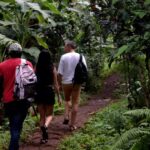
Once lunch is done, the bike ride continues through the Rau Forest, which sits just behind Moshi. This is where the mood shifts. Forest riding often feels cooler, quieter, and more shaded than the village edges you saw earlier.
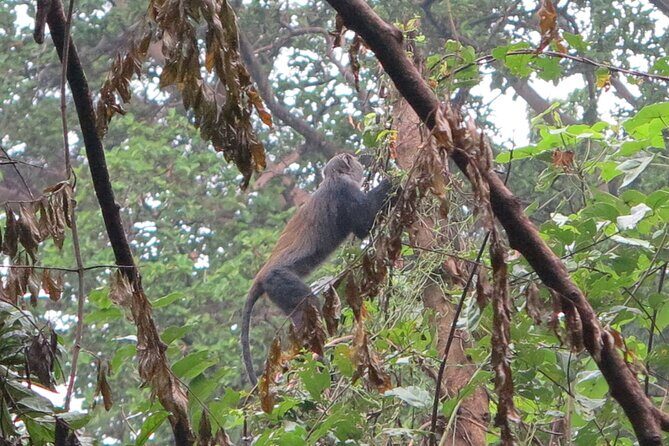
Your guide will help you look for wildlife. The tour specifically mentions colobus monkeys in the tree crowns with long, fluffy tails. In other words, you’re not searching randomly. You’ll know what to watch for, and you’ll get a better chance at a sighting because someone is scanning with you.
One review also mentioned spotting white monkeys. That lines up with what you might see with colobus types in the canopy, but the key takeaway is simple: if you enjoy wildlife watching, this segment is a highlight.
In terms of comfort, forest paths can be a mix of packed earth and uneven spots. Slow down when you feel the bike wobble, and don’t be shy about stopping briefly for a monkey sighting or a quick regroup.
Price and logistics: what $75 buys you (and what it doesn’t)
The price is $75 per person for about 9 hours, including mountain bike, helmets, bottled water, lunch, all fees and taxes, and a tour guide. There’s also private transportation, and pickup is offered. That’s important because rural routes can be difficult to manage on your own without a vehicle and local guidance.
Value-wise, I think the price makes sense for three reasons:
- You get equipment + guide + lunch, which are the costs that add up fastest on tours like this.
- The itinerary isn’t just riding; it includes an interactive rice-field stop and a home-hosted lunch.
- You’re paying for local context, especially around farming and everyday life in and around Moshi.
What’s not included is also straightforward. Tipping isn’t included, and airport transfers and accommodation aren’t included either. If you’re building a day from your lodging, plan on arranging your own way to the meeting point area unless pickup is available for your location.
One small detail that helps: tours are confirmed at booking, and the meeting point is near public transportation. So if your plans shift slightly, you’re not totally stuck.
How much cycling is it really?
The tour runs for roughly 9 hours, but the amount of effort depends on how your guide paces things and how you handle village stops and photo moments. One review described a loop around 25 km, while another mentioned roughly 40 km depending on the day and sights included.
Here’s how I’d think about it as a rider:
- Expect a full morning-to-afternoon effort.
- Plan for time spent stopping, getting explained history and farming context, and switching between environments (village to fields to forest).
- Wear clothes you can move in for several hours, and bring a layer for shade changes.
If you’re comfortable on a bike but not a long-distance rider, this tour can still work because the guides are described as flexible with pacing. If you’re brand-new to biking, you might find it more tiring than you expect, especially on dirt and uneven patches.
Who should book Rau Forest Bike Tour
I’d put this tour in the “active cultural day” category. It fits best if you:
- like biking more than just taking pictures from a vehicle
- enjoy meeting people and having conversations during meals
- want a farming-focused experience that connects directly to food
It’s also a great choice if you’ll be in Moshi for a short time and want to leave city boundaries without spending the whole day on a car. The structure makes it feel full, not rushed.
If you’re the kind of traveler who needs everything to be perfectly predictable and super lightweight, you might prefer a shorter ride or a more urban-focused tour.
Tips to make your day smoother
A few practical moves will make this kind of rural ride more fun.
- Bring sunscreen and something to cover your neck. You’re cycling through open farm areas and then back into forest shade.
- Wear grippy closed-toe shoes. Dirt and mild mud are plausible in farm settings.
- Pack for stops: you’ll be out for about 9 hours, with lunch included, so plan water around the tour’s bottled water availability.
- Bring a small amount of cash for tipping, since tips aren’t included.
Also, be ready for wildlife timing. If monkeys are quiet or far up in trees, you might only get brief glimpses. Keep your eyes up and your expectations flexible.
Should you book this tour?
I’d book it if you want a Moshi day that feels real. The biggest wins are the human parts: a rice-field stop that explains the hard work behind the food, and a lunch hosted by a local family where pilau is served on the veranda. Add in the ride through Rau Forest and the chance to see colobus monkeys, and you get a day that connects culture and nature in a way a normal sightseeing circuit doesn’t.
I’d hesitate only if you’re looking for a gentle stroll. This is a full-day bike experience with around 25–40 km likely depending on pacing and route choices, and it runs about 9 hours total.
If you’re comfortable with that effort level, this is a strong value buy for Moshi—especially because guides like George, Roy, Richard, and Yasin are repeatedly praised for keeping the day friendly, paced well, and genuinely informative.
FAQ
What is the duration of the Rau Forest Bike tour?
The tour runs for about 9 hours.
How much does the tour cost?
It costs $75.00 per person.
Does the tour include bikes, helmets, and water?
Yes. Mountain bikes and helmets are included, along with bottled water.
Is lunch included?
Yes. Lunch is included, and you’ll have the chance to taste rice in a traditional meal called pilau.
Do you get a tour guide and transportation?
Yes. A tour guide is included, and private transportation is included. Pickup is also offered.
What areas will you cycle through?
You’ll cycle through a sugarcane plantation area, nearby rice fields, and then through the Rau Forest.
Can you help with the rice fields?
There’s a stop at the rice fields where you can, if you wish, lend a helping hand to field workers.
What wildlife might you see in Rau Forest?
The tour mentions colobus monkeys in the tree crowns with long, fluffy tails.
Is pickup or airport transfer included?
Pickup is offered, but airport transfers are not included.