REVIEW · MOSHI
7 Day Kilimanjaro Climbing Via Lemosho Route
Book on Viator →Operated by Spirit of Kilimanjaro · Bookable on Viator
Kilimanjaro on the west side feels different. This 7 Day Kilimanjaro Via Lemosho Route starts at the Londorossi Gate and gradually walks you through rainforest into harsher high zones, with African guides you may recognize from recent crews like Emanuel Hoblen and William Eliamini. The main draw for me is how the route sets you up for views and altitude acclimatization without rushing you from the start.
What I like most is the signature camping setup plus the food. Spacious tents and deluxe comfort help when you’re tired, and meals are not one-size-fits-all since they cater vegetarian, vegan, and gluten-free needs.
One consideration: the summit night is serious. You depart just before midnight for the coldest, windiest stretch, and you’ll need moderate fitness and patience when your body asks for slower steps.
In This Review
- Key highlights you’ll actually care about
- Lemosho Route magic: scenic walking with a smart altitude build
- Day 1: Londorossi Gate to Forest Camp through rainforest calm
- Day 2: Shira Plateau and a first real look at Kibo
- Day 3: Lava Tower lunch, optional climb, and the Barranco Valley vibe
- Day 4: Barranco Wall to Karanga Camp for the altitude that counts
- Day 5: Barafu Camp, wind, and a pre-summit reset
- Day 6: Midnight summit bid from Stella Point to Uhuru Peak at sunrise
- Day 7: Montane forest descent and a return shower in Moshi
- Camping comfort and meals: more than a nice perk at 19,000+ feet
- Guides and crew: the difference between a hard climb and a well-run one
- Price and value: what $2,566 buys you (and what it doesn’t)
- Who should pick this 7-day climb on Lemosho
- Should you book this Lemosho climb?
- FAQ
- What time does the trek start?
- How long is the Kilimanjaro climb on the Lemosho Route?
- Are meals included?
- Can the food be adapted for dietary needs?
- Is pickup included?
- Is the visa included in the price?
Key highlights you’ll actually care about
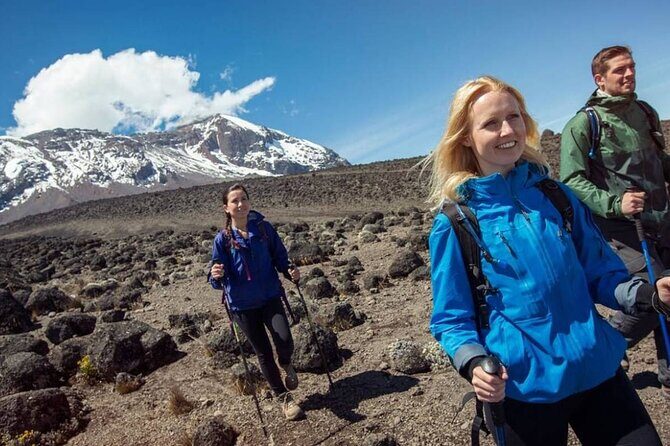
- Lemosho’s west-side start: begins in rainforest and builds in altitude gradually, with wildlife possible early on
- Six ecological zones: you’ll move from lush forest to the harsh, beautiful high/arctic zone feel
- Strategic acclimatization day: Karanga Camp timing is chosen because time at altitude matters for safety
- Scenic “big moments” on the route: Shira Plateau views of Kibo, Barranco Valley scenery, and Mawenzi Peak at night
- Signature camping comfort: spacious tents, deluxe comfort, and catered meals at camp every day
- A dawn summit payoff: you reach the Stella Point area by sunrise, then finish to Uhuru Peak
Lemosho Route magic: scenic walking with a smart altitude build
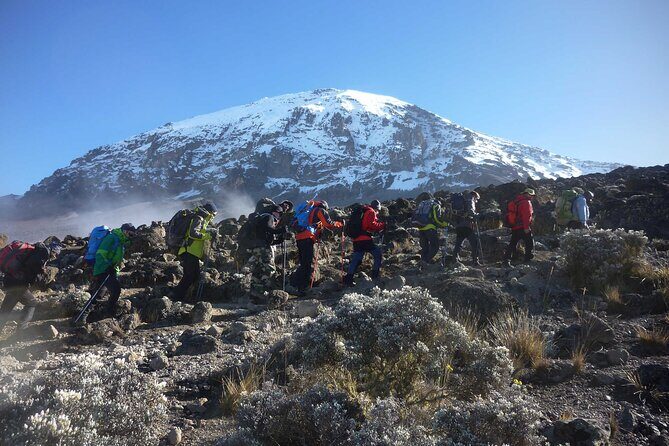
The Lemosho Route is often picked for one reason: it’s scenic in a way that feels earned. You begin lower, walking through Afromontane Rainforest with a leisurely pace, and you keep climbing through distinct ecological zones instead of jumping straight into the “high and windy” mood. That matters because Kilimanjaro is not just about legs. It’s about pacing your breathing while your body adjusts.
This route also approaches from the west, which means you’re usually not starting right next to the main foot traffic you may see on other approaches. The payoff is that your early days feel like you’re building a relationship with the mountain—forest textures below you, then moorland and volcanic rock above.
If you love scenery that changes day by day, this is the kind of trek where the view is part of the schedule, not just a bonus.
A few more Moshi tours and experiences worth a look
Day 1: Londorossi Gate to Forest Camp through rainforest calm
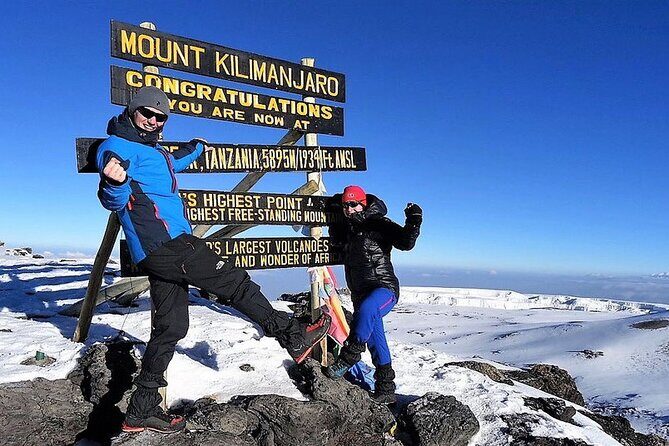
You’ll drive from Arusha to the starting point at Londorossi Gate, and once you arrive you meet your crew and set out at a leisurely pace. This first section runs from about 7,742 ft to 9,498 ft for around 4 miles and roughly 3–4 hours.
Why this day is more than a warm-up: you enter the Afromontane Rainforest, the first of the ecological zones you’ll cross. That’s the zone where you might still find wildlife and where the air feels warmer and fuller than later on. Lunch happens on the trail, and you reach camp mid-afternoon at Forest Camp.
At this stage, your goal is not hero mode. It’s to get into a rhythm your body can repeat. Forest walking tends to let you do that: steady effort, fewer dramatic altitude changes in a short time, and time to settle before you start gaining elevation more noticeably.
Day 2: Shira Plateau and a first real look at Kibo
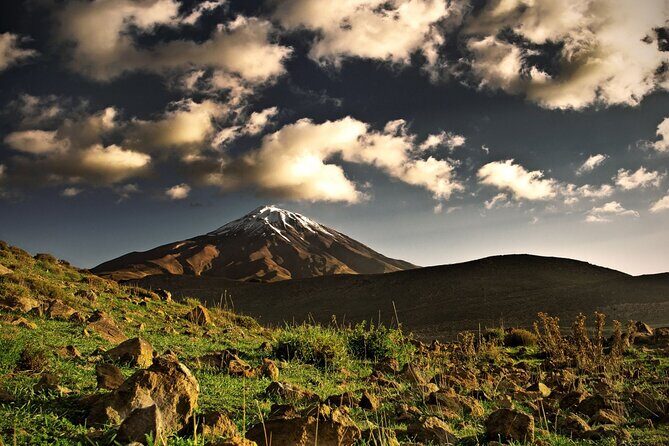
Day 2 takes you higher, from 9,498 ft to 11,500 ft over about 5–6 hours and roughly 5 miles. The walking shifts from podocarpus and juniper forest into a zone of heather and lichen-draped volcanic rock. You’ll also reach the Shira Plateau area, which is a huge geographic clue on Kilimanjaro’s story.
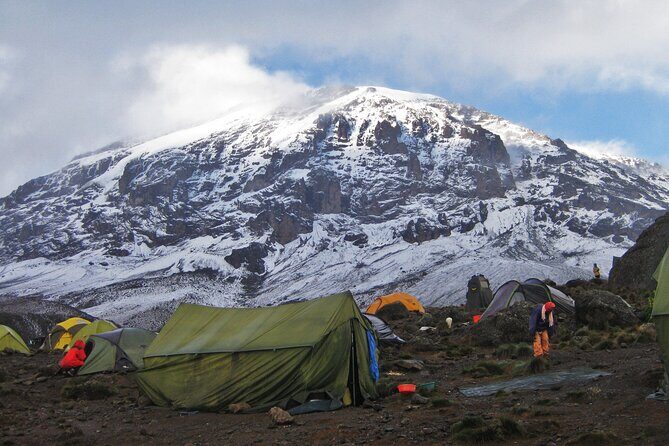
Lunch is taken on the trail, then you arrive mid-afternoon at Moir Hut. One of the most memorable moments is the view of Kibo from this vantage point. Kibo is Kilimanjaro’s peak, and seeing it clearly early helps you understand what you’re working toward.
What to watch for today: the light and the cold can change quickly once you move out of the denser forest. It’s not the summit chill yet, but you’ll feel the altitude. Dress for layering and take breaks before you’re forced to.
Day 3: Lava Tower lunch, optional climb, and the Barranco Valley vibe
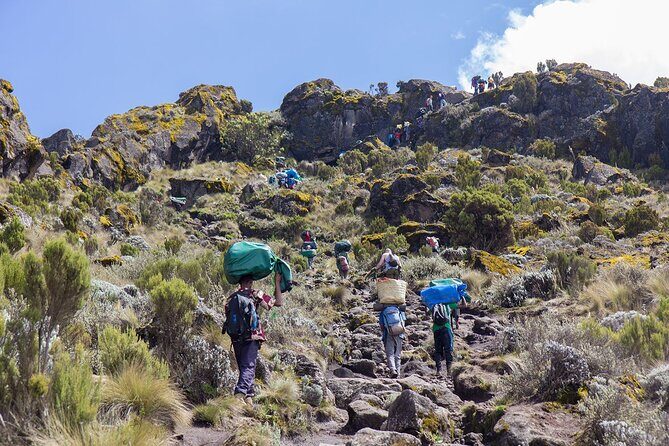
This is a day with variety. You start from 13,800 ft, head up toward 15,223 ft near Lava Tower, then descend to around 13,044 ft. The walking time is about 4–6 hours (about 7 km total).
You’re traversing the Kibo slopes where it’s much harder for flora and fauna to survive due to extreme temperature swings. Lunch is typically near Lava Tower, a volcanic rock formation that becomes a landmark in your mind.
There’s also an optional 300-foot-tall ascent of the Lava Tower if you feel strong. The optional part is key: you’re not forced to do it to stay on schedule. If you go for it, it’s a chance to feel that “I’m earning this altitude” momentum.
Then comes the scenery highlight. As you descend toward Barranco Camp, you pass through the Garden of the Senecios, with giant groundsel plants and giant lobelias. When you reach Barranco Valley, you’re in one of the prettiest sections of the entire trek.
That combination—volcanic formations, unusual plants, and a beautiful valley—makes this day feel like more than “just another climb.”
Day 4: Barranco Wall to Karanga Camp for the altitude that counts
Day 4 is shorter on paper, but it’s not a free day. You go from 13,044 ft to about 13,123 ft over around 3 miles and 4–5 hours.
The big event is Barranco Wall. It’s intimidating, and you’ll likely use all four limbs to get up and over it. The trick on days like this is to treat the climb as a sequence of short moves, not one long struggle.
After the wall, you walk through inclines and declines into Karanga Camp, arriving late afternoon. This camp choice is strategic: significant time at altitude is essential for safe acclimatization. In other words, the day is designed to help your body handle the bigger push that’s coming.
Sunsets here are particularly spectacular, with views of southern glacial valleys and ice fields towering more than 3,000 feet above you. Even if the view doesn’t look like the postcard version you expected, it gives you that unmistakable sense of scale—Kilimanjaro is real up here.
Day 5: Barafu Camp, wind, and a pre-summit reset
Today is built for getting you to the right starting point for summit night without burning you out first.
You move from about 15,288 ft up to 19,341 ft and then down to around 12,467 ft. It includes roughly 3 miles of ascent, a total 7 miles descent, and the overall day can run 7–8 hours ascent plus 4–6 hours descent depending on how you’re paced.
You’re going to Barafu Camp for lunch at a high camp, then you slow way down. The environment around Barafu can be desolate alpine desert, and you may face strong winds. That’s normal here, and it’s why rest becomes part of the plan, not something you do if you have energy left.
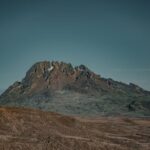
In the evenings, Mawenzi Peak views are common. You’ll eat an early dinner and then settle in, because later you’ll be leaving camp around midnight.
If you’re the type who gets anxious waiting for the summit push, this day is where your mental training happens. You’re not climbing nonstop—you’re preparing.
Day 6: Midnight summit bid from Stella Point to Uhuru Peak at sunrise
Summit day has a different rhythm. You depart just before midnight for the final summit bid. This is the coldest and windiest section of the trek, and it’s also where patience matters most.
Most people aim to reach the rim near Stella Point around dawn, at about 18,652 ft. Then the reward arrives: sunrise, appearing over Mawenzi Peak. The timing is part of the magic. You’re cold, tired, and focused—and then the sky does its thing.
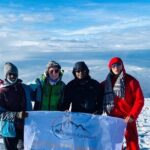
From Stella Point, the final section to Uhuru Peak is relatively short, though “short” on Kilimanjaro still has altitude attached. You’ll celebrate at the top, then begin your descent toward the end of the hike.
This day is not about speed. It’s about steady, small steps and listening to your guide when they ask for a slower pace.
Day 7: Montane forest descent and a return shower in Moshi
After breakfast, you descend again through montane forest. Around midday, after saying farewell to your crew, you’ll be picked up and transferred back to your hotel in Moshi for a well-deserved shower and a celebratory dinner.
Trekking hours on the final day are listed as 4–7. That wide range usually means the descent time depends on how your body held up after summit altitude and the pace your group maintained.
This last day can feel anticlimactic if you expect nonstop drama. But it’s actually where you get the real “I did it” moment—your feet back on forest-ground rhythm, your breath returning to normal, and the simple comfort of being off the mountain.
Camping comfort and meals: more than a nice perk at 19,000+ feet
Kilimanjaro is often described as an endurance event, but for comfort and morale, camp life matters.
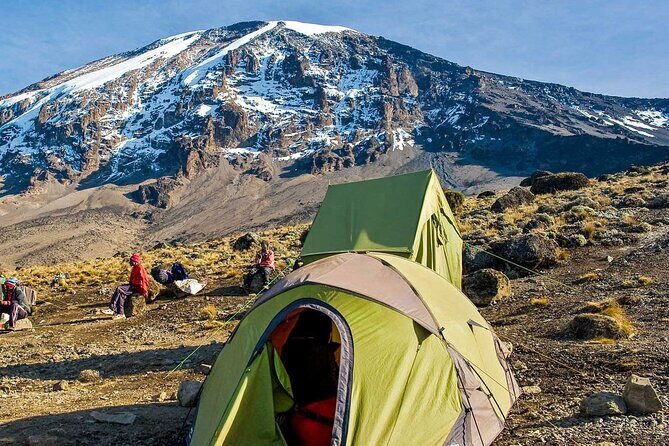
This climb offers Signature Camping with spacious tents and deluxe comfort. After long hiking days, arriving to a camp that’s set up and ready helps you recover faster. You’re not guessing where things go or scrambling for basics while you’re already running on fumes.
Food is another big deal. Meals are included: breakfast, lunch, and dinner across all 7 days. And your meals are catered with vegetarian, vegan, gluten-free, etc. options, which is a huge quality-of-life improvement when you’re burning calories and can’t afford stomach surprises.
Even in the dark, windy conditions that come later on, having reliable warm meals in camp keeps the group spirit up. If you’re someone who worries about being cold or underfed on a mountain, this is the part that usually calms that fear.
Guides and crew: the difference between a hard climb and a well-run one
You’re guided by African leaders who know the mountain and its surroundings, and the guides can shape the experience more than most people expect.
Recent crews with Spirit of Kilimanjaro include guides like Emanuel Hoblen, Emanuel Mkumbo, and leaders such as William, along with Rama. Across the group feedback, the recurring themes are support and safety focus, plus a friendly tone that helps keep the mood steady even when conditions are tough.
Porters and the chef team also matter. You’ll rely on them daily for camp readiness and meal quality, and their competence shows up in small ways: camp feels settled when you arrive, and dinner is actually dinner, not an afterthought.
One more thing I appreciate about this kind of professional crew: they tend to manage pacing early so you don’t pay for it later. On Kilimanjaro, starting “too fast” can turn a doable summit into an exhausting fight.
Price and value: what $2,566 buys you (and what it doesn’t)
The price is $2,566 per person, and the value comes from how much of the climb is built-in.
From what’s included:
- Meals are covered (breakfast, lunch, dinner across 7 days)
- Camping is part of the experience, including spacious, deluxe-comfort tents
- Pickup is offered, with transfers back to your Moshi hotel after you finish
- Admission ticket is listed as free for the park days in the route schedule
What’s not included: visa.
Is $2,566 a bargain? For a guided, multi-day, high-altitude climb with full meal planning and camp support, it’s not “cheap,” but it is in line with the real costs of running a Kilimanjaro operation responsibly. The biggest way to judge value is simple: you want a well-run team when the weather turns and when summit night demands slow, careful steps. This route is set up around that kind of execution.
Also worth noting: the group size cap is 100 travelers. Even with a cap that high, Kilimanjaro operations often function in small trekking groups; still, ask how the day-to-day group structure works if you want clarity.
Who should pick this 7-day climb on Lemosho
This is a great fit if you:
- Want the scenic west-side Lemosho experience rather than a rushed, direct approach
- Prefer a route with built-in acclimatization, including time spent strategically at Karanga Camp
- Value camp comfort and catered meals, including dietary flexibility
- Have moderate physical fitness and can handle early mornings plus the summit-night start
It may be less ideal if you hate night trekking. Summit day starts just before midnight, and you’ll be walking in cold, windy conditions.
If you’re an experienced hiker who’s confident in altitude, you might still appreciate this route’s pacing. In at least one case, people managed to complete in 6 days with expert guidance, which suggests the team can sometimes adjust based on conditions and group readiness. But for most people, plan for the full 7 days as designed.
Should you book this Lemosho climb?
If you want Kilimanjaro that feels scenic from the start and gives your body time to adjust, I think this is an excellent choice. The Lemosho route’s gradual progression through ecological zones, the emphasis on acclimatization at Karanga, and the comfort-focused camping all work together. Then summit night delivers the payoff: Stella Point at dawn and the final push to Uhuru Peak.
But book it with eyes open: the summit push is cold, windy, and starts before midnight. If your fitness is borderline or you’re prone to panic when things get uncomfortable, you may find the summit night stressful.
My practical recommendation: if you can commit to a steady pace and follow your guide’s guidance, this is the kind of trek where you come away with not just a summit photo, but a full mountain story from rainforest to ice-zone feeling.
FAQ
What time does the trek start?
The start time is listed as 9:00 am.
How long is the Kilimanjaro climb on the Lemosho Route?
It’s a 7-day trek (approximately 7 days).
Are meals included?
Yes. Breakfast, lunch, and dinner are included for all 7 days.
Can the food be adapted for dietary needs?
Yes. Meals can be catered for vegetarian, vegan, gluten-free, and other dietary preferences.
Is pickup included?
Yes. Pickup is offered, and you’re transferred back to your hotel in Moshi after the trek.
Is the visa included in the price?
No. The visa is not included.