REVIEW · MOSHI
8-Day Tanzania Private Safari Tour with Airport Pickup
Book on Viator →Operated by Sopai Safaris · Bookable on Viator
A Northern Tanzania safari should feel like a change of planet. This 8-day private circuit from Moshi strings together Tarangire, Lake Manyara, Serengeti, and the Ngorongoro crater area with airport pickup, so you can spend your energy on game drives, not logistics.
What I like most is the clear pacing: early drives for peak wildlife time, plus picnic lunches that keep you rolling. I also like the private setup—just you and your group—so your guide can adjust to what the animals are doing (and where the light is best).
One possible drawback: this itinerary is very popular for a reason, but it is also a lot of driving and early mornings in a row. If you want a super-slow, sleep-in vacation, you’ll feel the pace.
In This Review
- Key highlights worth your attention
- Moshi to the Northern Circuit: how the trip actually starts
- Arusha night one: a practical buffer before wildlife time
- Tarangire National Park: baobabs, elephants, and a tight wildlife feel
- Lake Manyara: birds, elephants, and a Rift Valley backdrop
- Serengeti plus Olduvai Gorge: the migration scale of thinking
- Three Serengeti days: more chances, less guessing
- Ngorongoro Conservation Area: crater drama and Maasai coexisting
- Where you sleep: full-board value and what it changes
- The safari rhythm: what to expect day to day
- Price and value: what $5,500 per person buys in the Northern Circuit
- Your guide experience: what to look for before you go
- Finishing with Kilimanjaro: leaving without the scramble
- Should you book this 8-day private Northern Tanzania safari?
- FAQ
- FAQ
- What locations are included on this 8-day safari?
- Where does the tour start?
- Does this tour include airport pickup?
- How long is the tour?
- What meals are included?
- Is the safari private?
- What tickets or documents are included?
- Is free cancellation available?
- What if weather affects the safari?
- Is the tour suitable for most people?
Key highlights worth your attention
- Airport pickup from Kilimanjaro gets you moving fast after arrival
- Four iconic regions in eight days: Tarangire, Lake Manyara, Serengeti, Ngorongoro
- Serengeti gets multiple game drives, not just one long day
- Picnic lunches included on safari days, so meals don’t steal park time
- Ngorongoro is conservation land with Maasai grazing, so it feels human and wild at once
Moshi to the Northern Circuit: how the trip actually starts
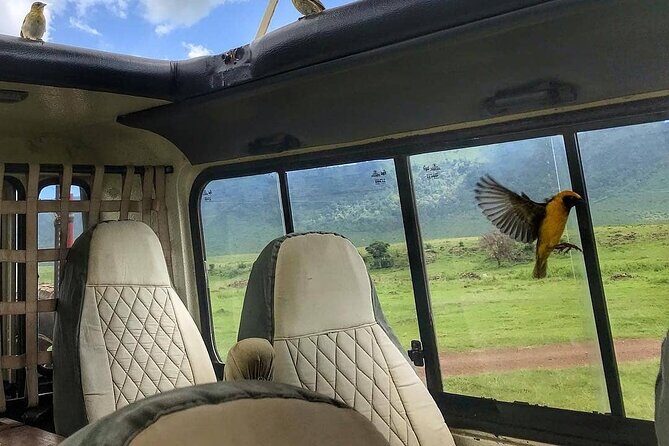
Most Northern Tanzania safaris live or die by the first 24 hours. Here, you begin with arrival handling at Kilimanjaro International Airport (or other border posts in Tanzania), then you’re welcomed and transferred to your hotel in Arusha City for the first night. That matters because the next days are full of drives, park rules, and early departures. Getting settled instead of scrambling the night you arrive sets you up to enjoy the safari instead of managing it.
You’ll also see the trip described as starting from Kilimanjaro Airport. The provider lists opening hours (Monday to Sunday, 8:00 AM to 5:30 PM), which is one reason the route is built around airport timing. If your flight lands late, plan on a smooth connection with your own schedule—ask how pickup timing will work for your exact arrival.
Another detail that helps: this is a private tour. That usually means fewer compromises. You’re not sharing your game-drive decisions with strangers who want different things. In a place where timing is everything, that flexibility is real value.
You can also read our reviews of more private tours in Moshi
Arusha night one: a practical buffer before wildlife time
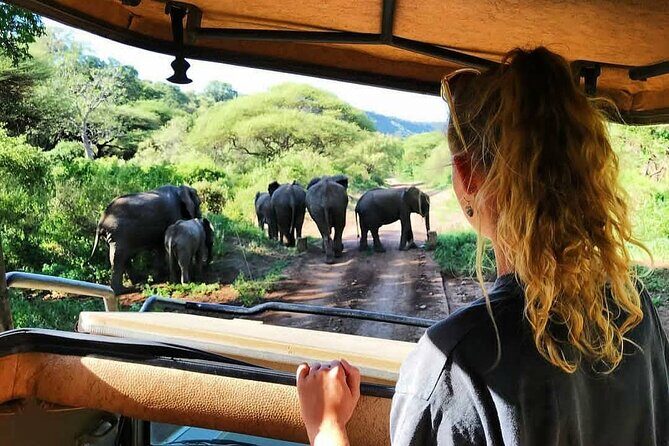
On the first day, you’re in “get your bearings” mode. After your greet-and-transfer, you spend the night in Arusha. You’re not rushing into a long drive immediately, and that’s a good thing.
Here’s why I think that buffer is smart for you:
- You can rest before the first park day.
- You can handle small travel items (charging devices, swapping cash, confirming camera gear).
- You can keep your expectations calm. Serengeti and Ngorongoro can feel overwhelming even if you’ve planned hard.
You’ll then move into the safari rhythm: breakfast, a park day, picnic lunch, and game viewing plus photography time, often with another drive in the evening. That’s the pattern all the way through.
Tarangire National Park: baobabs, elephants, and a tight wildlife feel
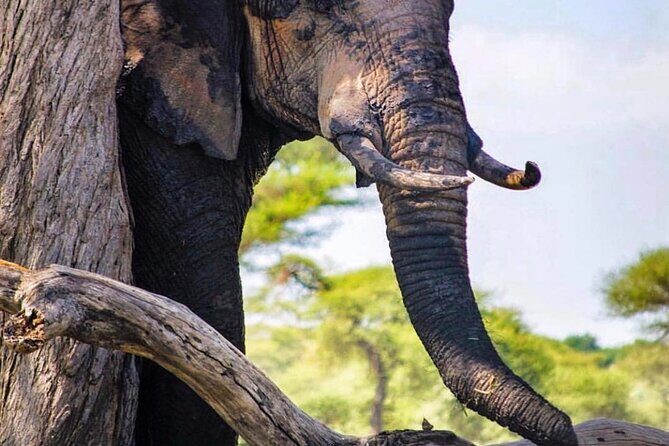
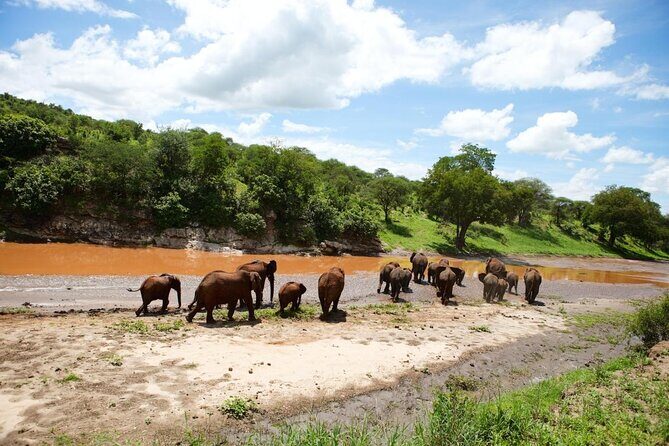
Tarangire is one of those parks that surprises people. It’s not the biggest name on the internet, but it earns its reputation. Expect scenery built around massive baobab trees, and a wildlife concentration that’s described as very high—especially for elephants.
The first Tarangire day is built for action. After breakfast, you head to the park for game viewing and photography with a picnic lunch. The day is later followed by an evening drive back toward camp—dinner and overnight at Tarangire Acacia Camp on a full-board basis.
Two practical reasons this plan works:
- Elephants and other animals often show up where the landscape gives them cover and food. Baobabs create that kind of natural structure.
- If you only visit once, you can still catch a broader slice of behavior, since you’re not limiting the day to one block of daylight.
Possible consideration: Tarangire is described as small, but “small” doesn’t mean short safari. You still spend significant time driving and positioning for sightings. Bring patience, not just excitement. It pays off.
Lake Manyara: birds, elephants, and a Rift Valley backdrop
Next up is Lake Manyara National Park, a 50 km stretch along the base of the Rift Valley escarpment. The setting is dramatic in a way that’s instantly readable: the land drops away, and the lake and open areas look made for wildlife to use.
Your day includes morning game viewing and photography with a picnic lunch, then dinner and overnight at Twiga Manyara camp on a full-board basis.
What you’re likely to appreciate here is variety. Lake Manyara is known for:
- Larger herds of elephants (relative to what you might expect in some other parks)
- Buffalo and zebras
- Over 300 bird species, which gives bird lovers a real reason to slow down and watch
If you’re a photographer, this park can be rewarding because the escarpment + lake combo changes the mood quickly as light shifts. If you’re traveling with non-photographers, it still works because wildlife tends to move in readable patterns around water and open edges.
The only caution I’d give is that “scenic” can also mean “busy roads and edges” for a day trip. You’re moving, you’re searching, and you’re likely to spend more time with your camera than you planned. That’s not a problem—just don’t pack your day like it’s a museum visit.
Serengeti plus Olduvai Gorge: the migration scale of thinking
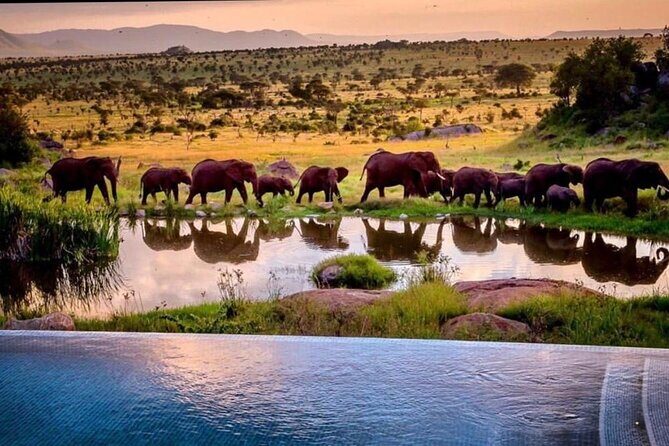
Then the trip turns into the big one: Serengeti National Park, via Olduvai (Olduvai Gorge). The route is part of the story. Even if you’re here for lions or wildebeest crossings, starting with Olduvai gives you context for why this region matters so much.
On the way, you get on-route game viewing and photography with a picnic lunch, then you settle into Serengeti Ccacia Tented Camp (the name appears as written in the tour details) for dinner and overnight on a full-board basis.
Your Serengeti day is timed to build anticipation. Expect predator energy and huge habitat views. Serengeti is where the annual wildebeest migration happens and where predators are always hunting. The park’s size changes your brain. Distance becomes part of the experience. You’re not just seeing animals—you’re watching ecosystems in motion.
One consideration: Serengeti can give you legendary sightings, but the pace can be intense. You’ll want comfortable footwear, and you’ll want to accept that wildlife drama is not scheduled like a train timetable. This itinerary helps by giving you multiple Serengeti days, so one “quiet” moment doesn’t sink the whole safari.
A few more Moshi tours and experiences worth a look

Three Serengeti days: more chances, less guessing
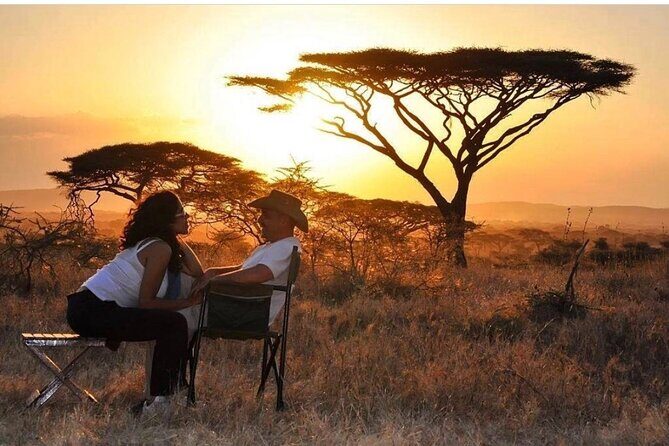
Many itineraries try to cram Serengeti into one impressive day. This one gives you three. That’s the smart move if you care about seeing multiple behaviors, not only multiple species.
Here’s how the timing plays out:
- Day 5: early morning game drive, then breakfast back at camp, then a full-day game drive and photography with picnic lunch, and back for dinner/overnight at Serengeti Acacia Tented Camp.
- Day 6: another breakfast at camp, then a full-day game drive with picnic lunch, and dinner/overnight at Acacia central Camp.
Why that matters to you:
- You get different animal rhythms. Some sightings happen early, others later.
- You reduce the stress of hoping for one perfect moment on one specific drive.
- Your guide can refine the search as the day’s light and sightings change.
If you care about photography, this is also where you start learning your own patterns: when you prefer lower light for softer backgrounds, and when you’re happy to shoot fast, high-energy movement.
Also, consider that tented camps and central camps can feel different day to day. Even without knowing every amenity detail, switching properties can break up the monotony and keep the safari feeling alive rather than repetitive.
Ngorongoro Conservation Area: crater drama and Maasai coexisting
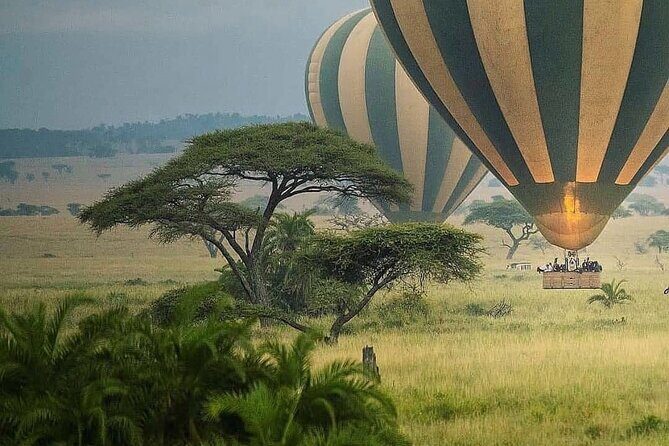
Day 7 brings you to Ngorongoro Conservation Area, including a crater tour with a descent to the crater floor for a game drive and photography with picnic lunch. You’ll then return for dinner and overnight at country lodge Karatu.
A key distinction is right in the tour notes: Ngorongoro is a conservation area, not a national park. That means the whole system is managed for both wildlife and local Maasai people who graze cattle alongside the indigenous ecosystem. For many people, that is what makes Ngorongoro feel special. It’s not only a scenic crater full of wildlife; it’s a living landscape with human activity in the same frame.
The crater is described as the largest collapsed unbroken caldera in the world and as having a high concentration of big game wildlife. The practical takeaway for your day:
- Expect big density and relatively quick sighting opportunities once you’re down.
- Expect that everything feels close. When animals are concentrated, you can see repeated behavior patterns and feeding routes.
Possible consideration: crater drives can also feel like a “big day” in a different way than Serengeti. You’re descending early, then you’re watching intensely. It’s a mentally active day, so keep your energy up with water, snacks if allowed, and calm planning for camera gear.
Where you sleep: full-board value and what it changes
This safari is heavy on included meals: breakfast (8 days), lunch (7), and dinner (6), plus parking fees. That is not just a convenience. It’s also a value shift. When meals are handled, you spend less time hunting for food, and more time where you actually booked to be: in the parks.
You’ll sleep in a mix of camp styles as the itinerary progresses:
- Tarangire Acacia Camp
- Twiga Manyara camp
- Serengeti Ccacia Tented Camp
- Serengeti Acacia Tented Camp
- Acacia central Camp
- country lodge Karatu
Because the tour lists full-board basis for the camp nights, you should assume your days are structured around camp meals. That helps you keep your schedule simple: wake up, breakfast, park drive, picnic lunch, game viewing, then dinner and sleep.
One practical tip: even if your camp meals are included, you’ll still want to carry your own small water plan and personal snacks. The tour details confirm picnic lunches, but they don’t spell out what you’ll have outside that.
The safari rhythm: what to expect day to day
Across the circuit, the rhythm is consistent:
- Pick up and transfers at the start.
- Breakfast, then game viewing and photography.
- Picnic lunch during park time.
- Evening drives in some sections.
- Dinner and overnight with full-board included.
This consistency is a plus for you. It keeps decisions low. You’re not juggling lunch reservations while also trying to spot a leopard. It also means you’ll feel the schedule in your body—especially with early starts in Serengeti and the crater day in Ngorongoro.
Here’s the one thing I’d plan for mentally: the “waiting to spot” part of safari is real. If you rush, you’ll feel stressed when the best moments take time. If you lean into it—quiet car time, landscape watching, and patient scanning—you’ll get the payoff. It’s not just about the final sighting. It’s about the process.
Price and value: what $5,500 per person buys in the Northern Circuit
The price listed is $5,500.00 per person for an 8-day private safari with airport pickup. On paper, that’s not cheap, but it’s also not a mystery purchase. What you’re paying for is a lot of guided, in-park time across multiple big-name regions.
Where the value shows up:
- You’re covering Tarangire, Lake Manyara, Serengeti, and Ngorongoro rather than doing just one or two.
- You get private transport and a tailored schedule for your group.
- Meals are heavily included with breakfast, lunches, and dinners built into the days.
- Parking fees are included, so fewer surprise line items.
One caution on value: with any safari, the real question isn’t only the price. It’s what level of camps, guides, and vehicle comfort you’ll experience inside that price. The tour details here emphasize organization and included basics; the feedback also highlights clean cars, good food, and strong scheduling. Still, for best peace of mind, I’d ask the operator what camp category you’re booked into and what vehicle setup you’ll have.
If you’re comparing alternatives, think like this: you’re not just buying a list of parks. You’re buying time, planning, and fewer moving parts.
Your guide experience: what to look for before you go
The operator is Sopai Safaris, and the feedback pattern (from multiple trips) points to a few guide strengths: sharp animal behavior reading, getting into position early, and practical help with timing and sighting chances.
Names that come up in the feedback include David, Rajab, Vincent, and Patrik (and a founder/owner mentioned as Rajab/Raja/Rajad). Different guides can have different styles, but if the team you land with shares those strengths—early positioning and behavior-based spotting—you’ll feel it immediately on game drives.
What I’d look for from your side (and ask about if you want):
- How they handle early morning timing for big cat or crossing activity
- How they plan photography moments
- Whether they can explain what you’re seeing in plain language
A good safari guide doesn’t just drive. They help you notice.
Finishing with Kilimanjaro: leaving without the scramble
On day 8, you have breakfast, then a lunch packed, and you transfer to Kilimanjaro International Airport for your flight home. That end-of-trip transfer matters too. Most people forget that a safari has a finish line, and the last day can feel rushed if your departure isn’t handled well.
This itinerary keeps it simple: breakfast, pack a lunch, then head out. For you, that means less stress about last-minute food and less risk of missing your flight due to confusion around timing.
Should you book this 8-day private Northern Tanzania safari?
I’d book this if you want a true Northern Circuit hit list—Tarangire, Lake Manyara, Serengeti, and Ngorongoro—and you don’t want to piece it together yourself. The private setup plus included meals are the kind of value that makes the trip feel easier day to day.
I’d think twice if:
- You’re sensitive to early mornings and long driving days.
- You only want one “big” park day and prefer a slower pace.
- You’re trying to budget ultra-low. This is mid-to-higher priced, and you’re paying for the private structure and the number of destinations.
If you’re a first-time safari traveler, or you’re returning and want the classic circuit with strong organization, this is a very sensible pick.
FAQ
FAQ
What locations are included on this 8-day safari?
The safari covers Tarangire National Park, Lake Manyara National Park, Serengeti National Park, and the Ngorongoro Conservation Area.
Where does the tour start?
The meeting point listed is Kilimanjaro Airport.
Does this tour include airport pickup?
Yes. Airport pickup is offered, and the trip includes transfers at the start and end.
How long is the tour?
It’s an 8-day private safari tour (approx.).
What meals are included?
Breakfast is included for 8 days, lunch for 7 days, and dinner for 6 days.
Is the safari private?
Yes. It’s a private tour/activity, meaning only your group participates.
What tickets or documents are included?
The tour summary lists a mobile ticket.
Is free cancellation available?
Yes. You can cancel up to 24 hours in advance for a full refund.
What if weather affects the safari?
The experience requires good weather. If it’s canceled due to poor weather, you’ll be offered a different date or a full refund.
Is the tour suitable for most people?
The additional info says most travelers can participate.