REVIEW · MOSHI
Private Kilimanjaro Climb – Any Route – 8 to 15+ Days
Book on Viator →Operated by Tusker Trail Kilimanjaro Adventures · Bookable on Viator
Private Kilimanjaro climbs feel built around you. This any-route, 8 to 15+ day trek from Moshi is designed for groups that want control over the timetable, plus real day-to-day support on the mountain. I especially like the flexibility to pick from different routes and make the hike work for your group, and you’ll also appreciate the chef-trained meal service with custom options like vegetarian, vegan, and gluten-free.
The one drawback to keep in mind is basic but important: this experience depends on good weather. If conditions are rough, you may need to shift dates or take a refund route, so it’s worth planning with that in mind.
In This Review
- Quick Take: What Makes This Private Kilimanjaro Different
- How Private Means Real Control on Kilimanjaro
- Any Route, Your Timetable, and Tusker’s Route Experience
- A practical tip for route decisions
- Moshi Start: What “Pickup Offered” and a Midnight Start Means
- Stop 1: Mount Kilimanjaro and the Climb Rhythm You’ll Feel
- What you should expect day-to-day
- Food That Actually Helps: Breakfast, Lunch, Dinner Included
- A practical way to use this
- Safety-First Medical Checks: Twice Daily for a Reason
- What this means for you
- Charity-Ready: When Your Summit Has a Second Purpose
- Price and Value: Why $5,800 Might Make Sense
- Who should feel good about the price
- Who This Private Kilimanjaro Climb Fits Best
- Should You Book Tusker’s Private Any-Route Kilimanjaro?
- FAQ
- What is the duration of this private Kilimanjaro climb?
- How much does the tour cost?
- Is pickup included?
- Are meals included?
- Can you choose any route?
- Is the admission ticket included?
- What refund options exist if the trip is canceled?
Quick Take: What Makes This Private Kilimanjaro Different
- Any-route flexibility: choose from listed routes or ask about unlisted options, with Tusker having led every route.
- Private group control: you set your timetable and you’re not stuck with someone else’s idea of pacing.
- Chef-led meals: breakfast, lunch, and dinner are included, with special diets handled.
- Safety checks you can feel: medically trained personnel do checks twice daily, including daily lung examination.
- Optional meaning beyond the summit: you can pair the climb with a charity-raising goal.
How Private Means Real Control on Kilimanjaro
Kilimanjaro is famous for big drama: altitude, weather swings, and the emotional roller coaster of one more ridge. A private climb helps because you’re not trying to fit your group into a one-size schedule. Instead, you’re making choices that reflect your group’s needs—who you’re with and how you want the trek to feel.
I like that this is explicitly custom: you can chart your own timetable, choose the route you want, and even use the climb as a family reunion, company event, or bonding trip. That matters because Kilimanjaro isn’t only about athletic effort. It’s also about managing energy, morale, and decision-making in the moment.
In practical terms, private also means your team can focus more closely on your group. You’ll still be part of a structured trekking program, but you’re not losing time to constant coordination with strangers who have different expectations. If you’ve ever tried to organize a group trip where half the people walk at one speed and half walk at another, you already know why this matters.
You can also read our reviews of more private tours in Moshi
Any Route, Your Timetable, and Tusker’s Route Experience
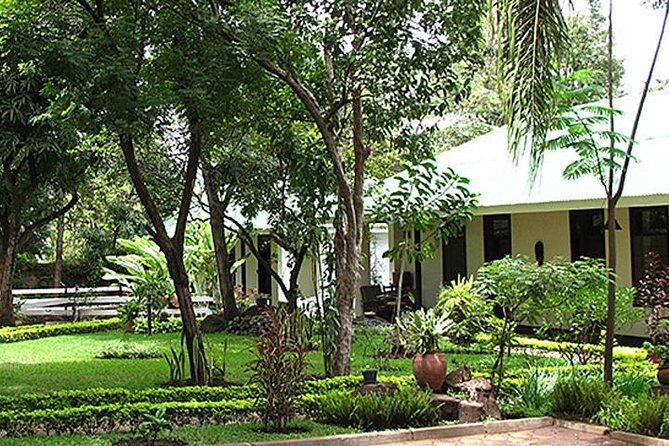
This package is sold as an any-route Kilimanjaro climb, and that’s more meaningful than it sounds. The route you choose affects acclimatization time, scenery, and how your day-to-day effort matches your body.
Tusker states it has led every route, and that shows up in how people talk about route choice. One set of climbers specifically picked Lemosho for the acclimatization window it offers, after trekking experience on places like Everest Base Camp and Patagonia. They weren’t looking for the shortest path. They were looking for the right fit and a smoother adjustment to altitude.
If you’re considering Lemosho, you’ll find strong support in the feedback: people highlight it as a solid acclimatization route, and in at least one case, the group reached the summit at 12:15pm on July 13 with guide leadership. That doesn’t guarantee anything for you, of course. Altitude still makes its own rules. But it does underline a point you should care about: route planning is not an afterthought here.
A practical tip for route decisions
When you’re deciding, don’t just ask which route is most popular. Ask which route gives you the acclimatization rhythm your group can actually stick to. If your group tends to rush, pick a route that buys you more time. If your group moves steadily and you prefer a tighter schedule, you might choose differently. Private planning gives you that conversation.
Moshi Start: What “Pickup Offered” and a Midnight Start Means
You’ll base in Moshi, Tanzania. Pickup is offered, so you’re not left piecing together local transport while you’re trying to get your gear in order. That’s a small thing until you’re tired. Then it becomes a big thing.
The listed start time is 12:00 am. That signals you should expect an early meeting and an early push from Moshi. Even if your climb itself only begins once everyone is ready, treat the day before like a setup day: confirm your meeting point details, have your kit organized the night before, and don’t assume you’ll have time to fix gear issues in the morning.
This is also where mobile ticketing comes in. It’s one fewer paper item to manage when you’re moving through a busy travel day.
Stop 1: Mount Kilimanjaro and the Climb Rhythm You’ll Feel
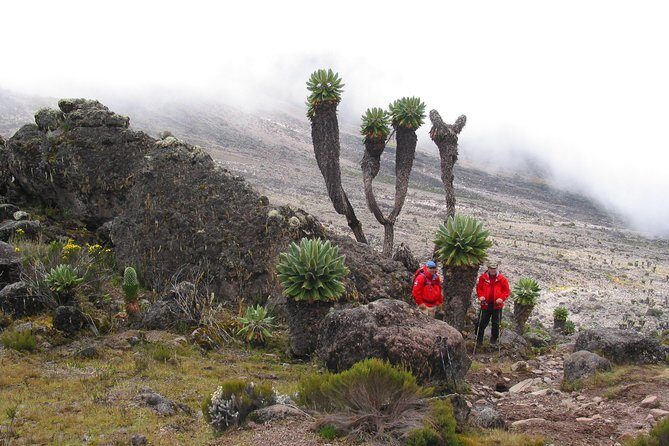
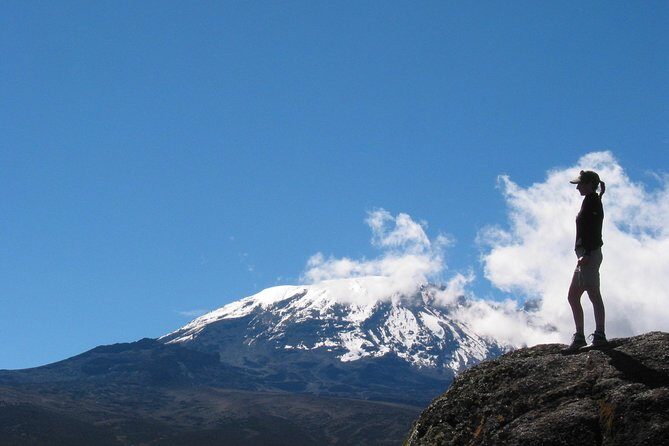
The climb is built around Mount Kilimanjaro, and the key promise is that you’ll be working inside a customized plan. You’re not just buying days on a trail. You’re buying a structure: route choice, timetable, and on-the-ground support.
Because your route and pacing are adjustable, what you experience can vary. Still, there are three constant themes in how this program is described:
- Acclimatization is part of the plan, not a hope. People mention choosing routes like Lemosho specifically for the acclimatization period it offers.
- The guides set the tempo. Your group’s progress is managed through leadership and safety checks, not vibes.
- The team checks in on health. This matters because altitude problems can start quietly.
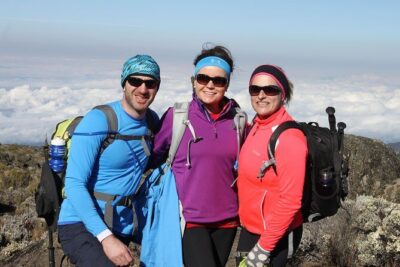
One review highlighted that their group’s success included four climbers in their group’s 60s. That’s a reminder that age isn’t the issue people think it is. How your body handles altitude is the issue. And the way this program supports you—especially with medical monitoring—can make a difference in catching problems early.
What you should expect day-to-day
Even though the detailed day-by-day camp plan isn’t spelled out in the info you provided, you can expect a consistent daily rhythm: meals included, trekking support, and health monitoring. If you’re the type who likes to know what comes next, you’ll like that the overall plan is organized and guide-led.
Food That Actually Helps: Breakfast, Lunch, Dinner Included
Food on Kilimanjaro isn’t just comfort. It’s logistics. When your appetite changes and your body starts burning energy faster, you need regular fuel.
This program includes breakfast, lunch, and dinner, and it’s handled by culinary-trained chefs. The descriptions you’re given are pretty specific about the intent: breakfast is built to start your day, lunch is meant to refuel your energy during trekking, and dinner is treated like a proper meal rather than a rushed snack stop.
The special diet options are also worth noting. You can request custom vegetarian, vegan, or gluten-free menus. That’s a big deal if you’ve ever watched a group stumble through meals that don’t match your needs. It also makes the private format more valuable—your team can plan around your group’s eating requirements rather than hoping something works out.
A practical way to use this
Treat meal times like checkpoints, not optional extras. If you’re worried you won’t eat enough at altitude, talk to your guides about how to make portions easier. The point is to maintain steady energy so you can keep a manageable pace.
Safety-First Medical Checks: Twice Daily for a Reason
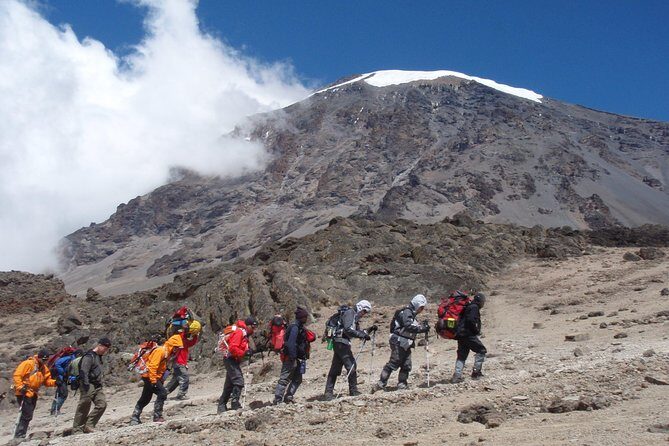
This is one of the most praised parts of the experience. The program’s safety emphasis includes medical checks twice a day by medically trained personnel. One review also specifically mentions an examination of lungs daily.
On Kilimanjaro, the goal is to catch problems early—before they snowball. Altitude issues don’t always announce themselves with dramatic symptoms right away. So having regular medical monitoring isn’t a luxury. It’s part of responsible decision-making.
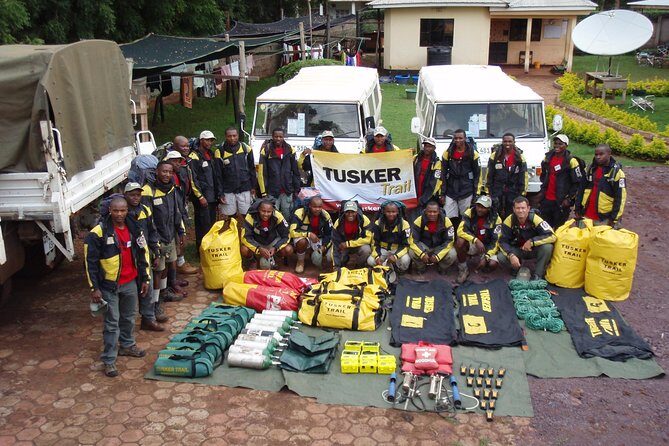
And leadership is where this safety focus shows up. One review credited guide leadership and the team of 24 staff members during their Lemosho climb. Another review described the motto as safety first and highlighted the medical monitoring process in detail.
What this means for you
If you want a climb where the emphasis is on smart pacing, health checks, and making careful calls when conditions change, this is aligned with that. If you’re hoping for a purely DIY adventure, this won’t be that. You’re paying for a guided, structured, health-aware experience.
Charity-Ready: When Your Summit Has a Second Purpose
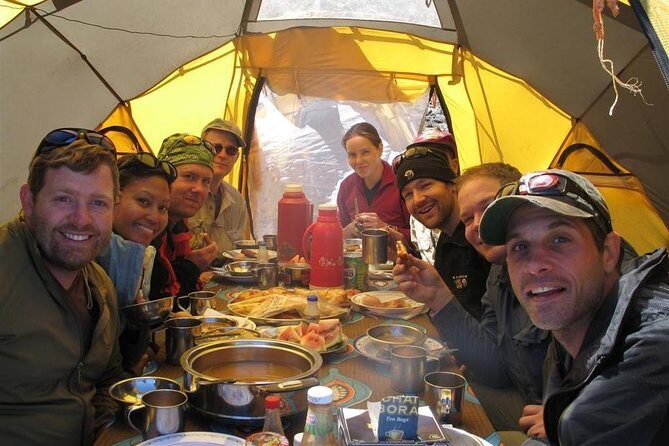
One unique feature you can use if it fits your group: the climb can be a platform to raise funds for charitable causes. Tusker says it has helped groups collectively raise over 15 million dollars for 77 charitable organizations.
If your group is motivated by service—family, workplace, a club, or a group of friends—this option can turn a personal achievement into something shared and outward-facing.
You’ll want to ask the operator how the charity process works for your group, since the info you provided keeps that part at a high level. But the core idea is clear: this isn’t only about conquering Kilimanjaro. It can also be about putting your effort to work for others.
Price and Value: Why $5,800 Might Make Sense
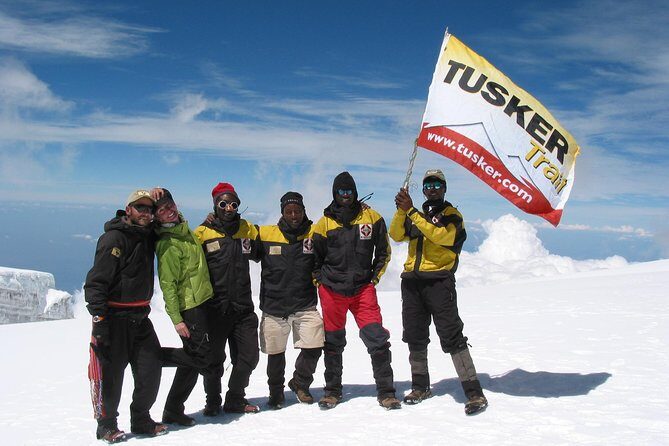
Let’s talk money without the fluff. The price listed is $5,800 per person, and it’s not a casual spend.
So what are you paying for? Based on the details you shared, you’re paying for:
- A private group setup (not a mixed group shuffle)
- Route flexibility, with Tusker stating it has led every route
- Chef-trained meals (breakfast, lunch, dinner) plus dietary customization
- Medical monitoring twice daily by medically trained personnel
- A guided, safety-first staffing approach that includes a large support team (one review mentioned 24 staff members for that group)
For many travelers, the value comes down to risk management and comfort. Kilimanjaro is hard enough without also handling logistics, uncertain food, or unclear health protocols. In that sense, the price buys structure, monitoring, and a smoother experience.
It also buys you time with your group. Private climbs are often less about convenience and more about shared experience—friends, family, co-workers, even employees. If your group would struggle to coordinate a DIY plan, the cost can feel easier to justify.
Who should feel good about the price
If you’re paying for a serious trek with medical support, trained leadership, and real food service, this price is within the range you’d expect for a premium guided climb. If you’re on a tight budget and willing to accept a lower level of support, you might look elsewhere. But if your priority is safety plus a tailored program, this is built for that.
Who This Private Kilimanjaro Climb Fits Best
This tour style fits best if you:
- Want private group bonding (family, friends, workplace groups)
- Need flexibility around route choice and pacing
- Care about medical monitoring and structured safety
- Have dietary needs and don’t want “probably fine” meal planning
- Want to connect the climb with charity goals
It can also be a good match if you’re in a mixed-ability group. The private format doesn’t magically change altitude, but the guide leadership and medical checks can help the group manage differences more responsibly.
If you’re traveling solo and looking for a social group, you might question the private setup cost. But if you already know who’s coming with you, private turns Kilimanjaro into a shared storyline instead of a solo experience inside a crowd.
Should You Book Tusker’s Private Any-Route Kilimanjaro?
Here’s my straight take.
Book this if you want a private Kilimanjaro experience with route flexibility, chef-led meals, and medical checks twice daily. The feedback you provided strongly points to safety culture and strong support, including attention like daily lung examination. That kind of monitoring is exactly what you want when altitude starts making decisions for you.
Hold off if you know your group’s schedule is tightly fixed and you can’t flex with weather. This climb requires good weather, and the policy you shared states that if it’s canceled due to poor weather, you’ll be offered a different date or a full refund. Also note that the experience has a minimum number of travelers, which could affect dates.
If your group can plan for a weather-dependent window and you want a well-run, tailored climb with real safeguards, this is the kind of Kilimanjaro program that makes sense.
FAQ
What is the duration of this private Kilimanjaro climb?
The duration is listed as 8 to 16 days, based on the private climb you choose.
How much does the tour cost?
The price is $5,800.00 per person.
Is pickup included?
Pickup is offered.
Are meals included?
Yes. Breakfast, lunch, and dinner are included.
Can you choose any route?
You can choose any route, including routes listed by the operator, and you can ask about unlisted routes. Your climb can also be customized to your timetable.
Is the admission ticket included?
Yes, an admission ticket is included.
What refund options exist if the trip is canceled?
The experience is non-refundable and cannot be changed for any reason. If it is canceled due to poor weather, you’ll be offered a different date or a full refund. If it is canceled because the minimum number of travelers isn’t met, you’ll be offered a different date/experience or a full refund.