REVIEW · ARUSHA
4-Day Tanzania Private Luxury Drive In-Drive Out Safari 2025-2026
Book on Viator →Operated by Tanzania Serengeti Safaris · Bookable on Viator
Big cats and crater views. One look at how this northern circuit runs, and it is easy to see why people rank it so highly: you trade long logistics for private drive-in/drive-out comfort while hunting for wildlife at prime sunrise and sunset hours.
I especially like the way this trip treats your time in the parks like it matters. You start in Serengeti with a full-day rhythm built around predator activity and scenic circuits, then you finish with a serious, long day down in Ngorongoro Crater where the wildlife density is the main event.
One thing to keep your expectations realistic: your best sightings depend on weather and migration timing, and the days are long in the vehicle. If conditions are poor, the tour may be rescheduled or refunded, but you’ll want flexible plans and good sun-and-rain gear.
In This Review
- Quick take before you book
- Key highlights at a glance
- A 4-Day Northern Circuit Loop From Arusha
- Day 1: Serengeti National Park, with Rift Valley scenery before the first drive
- Day 2 in Central Serengeti: Seronera, the Sogore River Circuit, and Kopjes hunting
- Day 3: Migration timing in Serengeti and the push toward Ngorongoro
- Day 4 in Ngorongoro Crater: the long descent and Big Five density
- Price and what $1,483 really covers
- The migration moment: what it means, and how to plan for it
- Who this safari suits best (and who should think twice)
- Should you book this 4-Day Luxury Drive-In Safari?
- FAQ
- Where does this safari start?
- How long is the safari?
- Is this a private safari?
- What national parks are covered?
- Are park admission tickets included?
- What meals are included?
- What’s included in the cost?
- What is not included?
- Is the trip affected by weather?
- Is this safari refundable if you cancel?
Quick take before you book
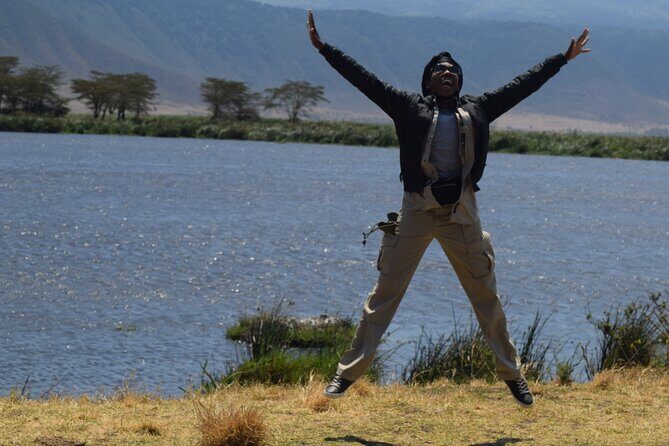
This is a luxury-focused safari package that covers your driving, a driver-guide, park fees, and your lodge stays with meals included. Some guests specifically call out well-run guiding and professional driving, including memorable help from guides such as Joseph, which is a big deal when your whole day is built around spotting fast-moving animals.
Key highlights at a glance
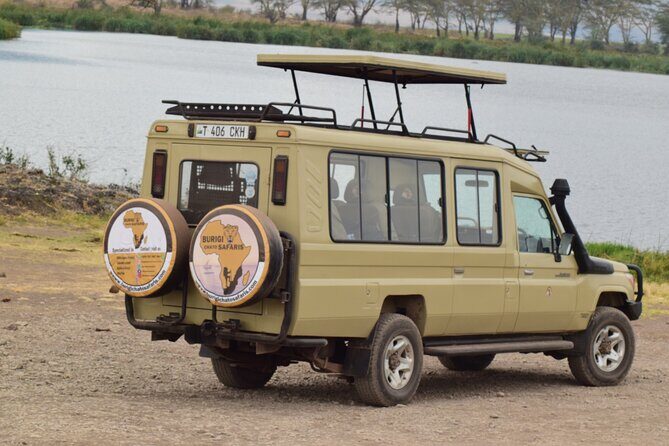
- Serengeti sunrise and full-day game drives built around predator action
- Ngorongoro Crater descent for a long Big Five day, including black rhino habitat
- Migration-route viewing in season, with the Mara River moment as the headline when timing lines up
- Comfort-forward planning: accommodation, meals, and transport included
- Visitor-centre stops and picnic lunches to break up the driving rhythm
You can also read our reviews of more private tours in Arusha
A 4-Day Northern Circuit Loop From Arusha
Arusha is the starting point for a lot of northern Tanzania safaris, and that matters. It’s close enough to begin your wildlife days quickly, but it also lets you ease in with the classic route across the countryside and the Rift Valley region.
What you get here is a focused loop: Serengeti first, then a transition toward the Ngorongoro rim. Instead of spreading your time thin across many stops, the focus stays where the wildlife density is strongest. And because this is a private safari, you’re not stuck sharing time and attention with strangers whose idea of a game drive pace might be very different from yours.
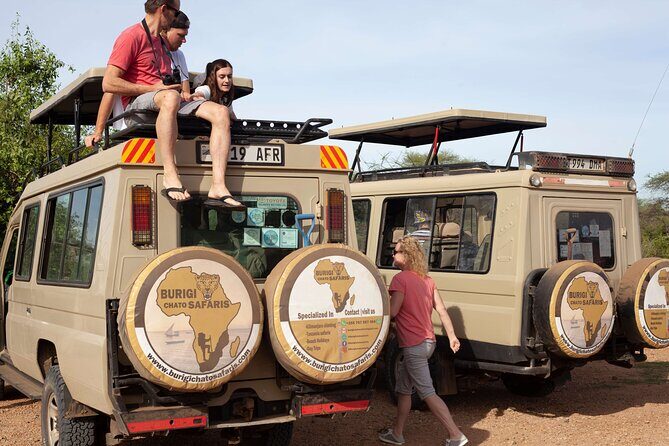
You’ll be in safari vehicles for a lot of hours on driving-heavy days. That can sound tiring until you remember what safari driving is: not just transportation, but a moving observation platform. The best sightings often happen when your driver understands where to position, when to pause, and when to adjust as animals shift.
This safari is also described as luxury, and the value shows up in the way your day is structured: your time is paid for with lodge comfort, meals, and park entry fees that reduce the number of surprise costs you’ll deal with while you’re in Tanzania.
Day 1: Serengeti National Park, with Rift Valley scenery before the first drive
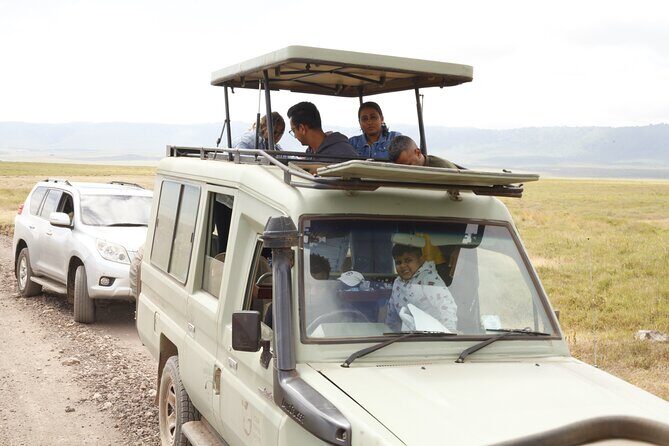
You leave Arusha in the morning, and the first stretch is as much about setting the mood as it is about distance. You’ll pass by a supermarket stop if you want last-minute essentials, then head through Masai Steppe country and cross the Great Rift Valley’s floor. That early drive is the prelude: wide views, big sky, and a gradual shift from town rhythms to the safari tempo.
Eventually you reach the Serengeti, usually by afternoon, and you’ll do an afternoon game drive before dinner. In practical terms, this means you avoid the “arrive late, see nothing” problem that can happen when you start too far behind schedule. Afternoon drives are also underrated. Even though sunrise is famous, the late-day light can be great for seeing animals that start moving again as temperatures drop.
What I like about this first day: you get your feet under you without feeling like your entire trip is a single long blur. And since you check into camp or a lodge for dinner and an overnight stay, the transition feels smooth. You’re not scrambling for logistics after a long drive.
What to consider: day one is still a travel day. If you’re sensitive to motion, bring a comfortable layer for the vehicle and plan on staying relaxed rather than trying to force sleep during the drive.
Day 2 in Central Serengeti: Seronera, the Sogore River Circuit, and Kopjes hunting
Day two is where Serengeti starts feeling like the Serengeti. After breakfast, you go out for a long game-drive day in central Serengeti, with the day structured for variety rather than one endless track.
The pattern you’ll experience includes:
- A sunrise-style start for predator chances, when animals and hunters are most active
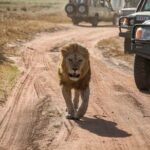
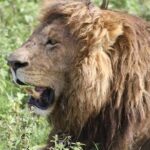
- Time on the Sogore River Circuit, where sightings can include lions and other plains wildlife
- A stop at the Visitor Centre near Seronera Lodge, where wildlife displays help you connect what you’re seeing to how the ecosystem works
- A picnic lunch, then more game viewing in the Kopjes Circuit
The Kopjes piece is important. Kopjes are rocky outcrops that break up the grassland, and they often become a stage for predators and prey to watch each other. You tend to get better sight lines, and animals move through those spaces in ways that are easier to read.
This kind of “circuit” driving is one reason private safaris can feel more efficient than joining tours. Your driver can adjust as the day develops. If you’re trying to see predators, you need that flexibility. The animal world doesn’t follow a human schedule.
From a guest-experience angle, this is also where you start hearing the difference between a smooth guide and a basic one. People praised professional guidance and vehicle quality in the past, and for a day like this, that combination is worth money. A good driver helps you avoid wasting light on areas that aren’t producing, and a good guide helps you understand behavior once you’re actually watching.
Practical tip for this day: bring a hat and sunscreen. Even when it’s not peak heat, the Serengeti sun hits hard, especially during long drives.
Day 3: Migration timing in Serengeti and the push toward Ngorongoro
Day three is designed around the main storyline people travel for: migration. You’ll have morning and afternoon game drives with a lodge break for lunch and rest.
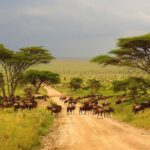
Serengeti means endless plains, and that scale matters. When you’re out there, you’re not just looking at individual animals—you’re reading movement across open country. Day three explicitly focuses on the annual movement of wildebeest and zebra between the Kenyan Mara and Serengeti. In the provided seasonal window, that action is often most compelling around May to early June, when predators track the herds.
Two more things are worth knowing because they change how you interpret what you see:
- Migration is not one guaranteed photo. It’s a moving system. You may see herds closer to the border region, or you may simply see signs of the route and predators waiting for the next movement.
- Serengeti wildlife viewing isn’t only about mammals. Birdlife is intense, and the park is described as having over 500 bird species. If you like birds, you’ll have plenty to do between the bigger mammal moments.
Later in the day, you’ll exit toward the Ngorongoro gate area and drive to the rim for dinner and overnight. This shift is a good design choice. It gets you positioned so day four can start with a proper crater descent rather than another long “get there” travel day.
What I like here: you aren’t just “driving to another park.” You’re building a narrative: plains to crater. That makes Ngorongoro feel like a reward, not a repeat.
What to consider: if you’re chasing a very specific migration moment, you need patience. Animals can change the timing faster than plans can.
A few more Arusha tours and experiences worth a look
Day 4 in Ngorongoro Crater: the long descent and Big Five density
Ngorongoro Crater is one of those places where the scenery itself makes you quiet. It’s formed by an ancient volcano, and once you descend, it feels like the world tightens—walls around you, and wildlife inside moving to an ecosystem rhythm that’s been repeating for ages.
After breakfast, you’ll descend into the crater for a long game drive lasting over seven hours, with a lunch box on the move. The crater is described as home to about 30,000 animals, and it’s a strong Big Five setting—elephant, rhino (including the critically endangered black rhino), lion, leopard, and buffalo.
One of the big advantages of a crater game drive is that it compresses “finding wildlife” into fewer hours. You still have to spot and interpret, of course, but the density means you’re less likely to spend an entire day staring at empty grassland.
Then after your picnic lunch, you’ll enjoy another game drive before returning to Arusha.
This is the day for comfort and patience. Even with luxury lodge stops, this is physically a full day. Your best strategy is to settle in: keep your camera ready, stay hydrated, and enjoy the fact that this crater setup often means multiple wildlife encounters instead of one big hit and a long quiet stretch.
If black rhino is on your wish list: you have a real chance in this area because the crater supports that habitat. Still, wildlife is wildlife—so keep your focus on the day’s overall viewing and not only one species.
Price and what $1,483 really covers
At $1,483 per person for a four-day private safari, the sticker price is not small. But this package is built to reduce the extra costs that often drain a safari budget.
Here’s what’s included:
- Driver-guide throughout
- Hotel accommodation during the safari
- All fees and taxes
- Meals: 3 breakfasts, 4 lunches, and 3 dinners
It also says admission tickets are free in the experience details, which is a meaningful value component. Safari park entry fees can add up quickly when you’re hopping between regions, so having that handled lowers the number of moving parts you have to manage.
What’s not included:
- Flights
- Tipping the crew
- Visas
- Personal needs
- Medical/travel insurance
- Any pre- or post-safari hotel stay in Arusha (though you can book it)
So is it good value? For me, the “yes” comes from the time-saving and stress-reduction. Your major expenses are wrapped into one package: lodges, meals, transport, and park access. That matters when you’re only in-country for a short time and you’d rather not spend days coordinating separate bookings.
One more value signal: the safari is private, meaning your schedule and game-drive pace are yours. And multiple people highlighted that organization and professional guiding made a difference—especially when trying to catch migration action.
The migration moment: what it means, and how to plan for it
The headline here is the migration story tied to the Mara River area. Even though you’re operating in Tanzania’s northern parks, the migration movement connects Serengeti and the Kenyan Mara in seasonal patterns. That’s why your timing can heavily influence how dramatic your sightings feel.
A few real-world truths you should carry into this trip:
- Migration viewing is seasonal. The provided timing points to May to early June as a prime window.
- The famous river drama is not guaranteed on a specific day, because animals decide when and where to cross based on conditions.
- You can still have an unforgettable migration experience without seeing every single iconic moment. Watching predator behavior around moving herds can be just as intense.
This is also where a skilled guide helps you most. If your driver understands how animals use river approaches and where predators tend to wait, you’ll spend your time watching rather than wandering.
Some guests have described being thrilled by the Mara River crossing moment. That’s the dream. Your job is to bring patience, because the best outcomes often happen when you’re ready for surprises.
Who this safari suits best (and who should think twice)
This one fits best if you want:
- A luxury-forward safari feel without constant logistics
- Big wildlife experiences in a focused loop: Serengeti + Ngorongoro
- More time in the field rather than time spent on planning
- Private guiding, which is a major advantage when you’re chasing predators and migration timing
You might think twice if:
- You hate long driving days. This safari includes long game-drive blocks (and day four is especially full-on).
- Your schedule is rigid to the point where a weather-related adjustment would be painful. The experience notes that it requires good weather, and if it’s canceled for poor weather, you’ll be offered a different date or a full refund.
- You’re expecting one specific migration day with zero variation. Nature doesn’t do factory schedules.
Also, one detail to clarify before you go: the highlights mention Tarangire as part of the Northern Circuit bucket list. But the four-day plan described here focuses on Serengeti and Ngorongoro. If Tarangire is a must for you, confirm it’s included in your exact dates.
Should you book this 4-Day Luxury Drive-In Safari?
If your goal is a well-run, comfortable northern circuit safari with real time for animals, I’d book this type of package. It’s not trying to be everything for everyone. It’s aiming at the big names—Serengeti, Ngorongoro—and giving you enough field time to actually matter.
I’d especially recommend it to you if:
- You want the best chance at migration-route viewing during May to early June
- You care about predator viewing that changes with the light
- You prefer paying once for a bundled experience rather than piecing together hotels, park fees, and transport
Just go in with the right mindset. Wildlife sightings are never “on demand,” and migration is a moving target. The upside is that this format puts you in the right places, with the right pace, and the kind of guiding that can turn an ordinary day into a standout one.
FAQ
Where does this safari start?
It starts at Shoppers Supermarket in Arusha at 8:00 am.
How long is the safari?
It runs for 4 days (approx.).
Is this a private safari?
Yes. It’s described as private, meaning only your group participates.
What national parks are covered?
The provided details focus on Serengeti National Park and the Ngorongoro Conservation Area / Ngorongoro Crater.
Are park admission tickets included?
Admission tickets are listed as free in the experience details.
What meals are included?
Breakfast is included (3), lunch (4), and dinner (3) during the safari.
What’s included in the cost?
A driver-guide, hotel accommodation during the safari, all fees and taxes, and the listed meals.
What is not included?
Flights, tipping the crew, visas, personal needs, and medical/travel insurance are not included. Hotel accommodation before or after the safari is also not included (unless you book it separately).
Is the trip affected by weather?
Yes. The experience requires good weather. If it’s canceled due to poor weather, you’ll be offered a different date or a full refund.
Is this safari refundable if you cancel?
No. It is non-refundable and cannot be changed for any reason.