REVIEW · MOSHI
Best 5 Days Marangu Route Climbing on Kilimanjaro
Book on Viator →Operated by Rede Tours and Safaris (Amore African Safari LTD) · Bookable on Viator
Climbing Kilimanjaro doesn’t get much more classic than Marangu. This 5 to 6 day Kilimanjaro climb on the Marangu Route is the oldest, most established path, and it’s known for gradual grades and direct movement up toward Uhuru Peak. I like that you get full team support—guide, cook, and porters—and that your experience is built around Marangu hut nights instead of camping gear headaches. The big consideration is that this route’s short time frame makes altitude acclimatization tougher, and it can feel crowded since many people pick Marangu.
Here’s another reason this itinerary works for real life: you start with pickup offered from Moshi’s area (starting point listed at Kilimanjaro Airport) and you’re not left piecing together park fees, meals, and logistics. I also like that the summit moment is part of the plan, with sunrise and the walk to Uhuru Peak, where the snow and views become the reward you’ve been training for. The possible drawback to keep in mind: Marangu is less scenic than routes that take different trails up and down because you’re largely retracing your steps.
In This Review
- Key things to know before you choose Marangu
- Why the Marangu Route is called the Coca-Cola route
- Moshi, pickup, and what a supported climb feels like
- Inside Kilimanjaro National Park: what your 5 climbing days are really like
- Hut nights on Marangu: the dorm style detail that matters
- Approaching Uhuru Peak: sunrise and the roof of Africa moment
- Rede Tours and Safaris: what the reviews highlight about the team
- Price and value: what $1,560 buys you (and what it doesn’t)
- Practical gear and body strategy for a 5–6 day Marangu climb
- Who should book the Marangu route with this operator?
- Should you book this 5 Days Marangu Route Kilimanjaro climb?
- FAQ
- How long is the climb?
- Where does the tour start and end?
- What time does the activity start?
- Is pickup offered?
- What are the sleeping arrangements on the Marangu route?
- What’s included in the price?
- What’s not included, and what should I budget for?
- What if weather is bad?
Key things to know before you choose Marangu
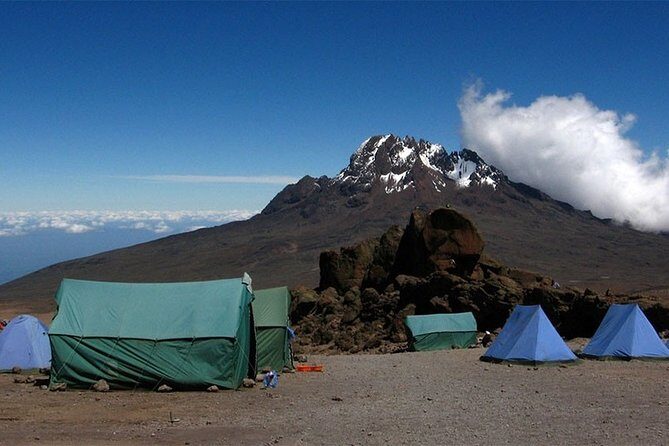
- Huts instead of tents: You sleep in dorm-style huts with mattresses and pillows, but you still need your own sleeping bag.
- Shorter acclimatization window: A 5–6 day schedule can be demanding at altitude, especially compared with longer routes.
- More people on the trail: Marangu is the most crowded route for a reason—easy navigation and known logistics.
- Same-route ascent and descent: It keeps things straightforward, but it also means fewer new views on the way down.
- Included support and meals: Guide, cook, porters, drinking water, and breakfast/lunch/dinner are part of the package.
Why the Marangu Route is called the Coca-Cola route
Marangu gets labeled the Coca-Cola route because it’s the Kilimanjaro path most people find easiest to plan and follow. The grades are gradual, and the route is direct in the way it approaches the mountain from the southeast. If you want a climb where the “what happens next” is fairly predictable, this route is built for you.
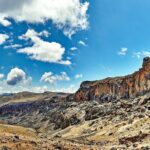
The tradeoff is that Marangu is not the most varied visually. Since you go up and come back largely along the same trail, the hike can feel repetitive compared to routes that branch off and loop through more diverse sections of the mountain. That doesn’t make it “bad”—it just means your best payoff is the summit day and the shared rhythm of progressing toward Uhuru Peak, not constant scenery surprises.
Also, the Marangu experience is historically established. That matters because it supports a smoother logistics flow on the mountain. You’re not trying to reinvent how dinner happens at 3,000 meters; your daily pattern is organized around hut life and set meal times.
A few more Moshi tours and experiences worth a look
Moshi, pickup, and what a supported climb feels like
The experience is based in the Moshi area, and the start/end point listed is Kilimanjaro Airport. Start time is 8:00 am, and the activity ends back at the meeting point. You’ll see that pickup is offered, and the confirmation is sent at booking time, which helps if you’re coordinating flights or land travel.
What I like about this setup is the human piece. Your team is clearly defined: a guide, cook, and porters who help carry important items. That support structure is one of the biggest quality signals on Kilimanjaro. When you’re dealing with altitude, fatigue, and the mental math of the summit day, you want less chaos and more steady guidance.
The reviews also repeatedly credit support from a named organizer/assistant figure: Nalisis. People describe outstanding guidance from the first day through the climb and summit success. Even if you’re not the type who needs hand-holding, having someone reliable on the other side of the communication is a big comfort, especially if it’s your first time on Kilimanjaro.
Inside Kilimanjaro National Park: what your 5 climbing days are really like
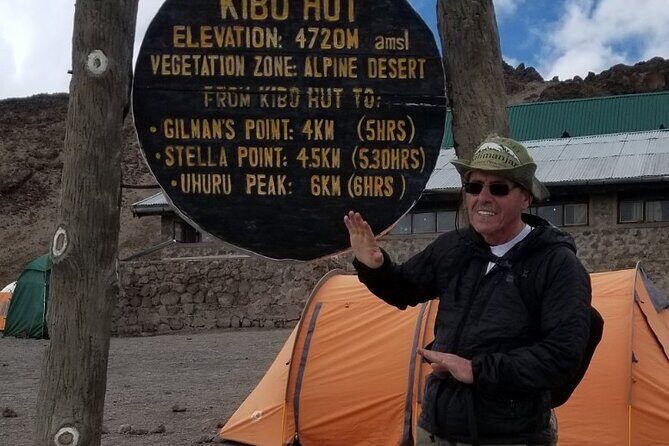
This route is described as 5 days climbing to the peak, within a total package of about 6 days. That short time frame shapes the whole experience: you’ll spend several days moving through the national park, learning the mountain’s pace, and gaining altitude gradually enough to attempt a summit—without the luxury of long acclimatization.
From the plan, here’s what your days are built around:
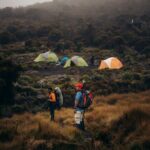
- Time in Kilimanjaro National Park with chances to observe natural vegetation, animals, and birds
- Moments of interest like natural water features you may pass along the way
- “Night on the mountain” at different selected points, so the mountain does not feel like one endless hike with one destination camp at the end
- A summit focus that includes the sunrise moment, then the walk to Uhuru Peak
And yes, there’s a practical reality underneath all that: on Marangu, you’ll be working within a structured routine. That helps you conserve energy and keeps the day-to-day manageable, particularly if you’re not confident navigating Kilimanjaro on your own.
The drawback? Because the overall climb window is short, you need to take your body seriously. If you get behind, don’t “push through” bad symptoms. Keep pace conservative, sip water, and listen to your guide.
Hut nights on Marangu: the dorm style detail that matters
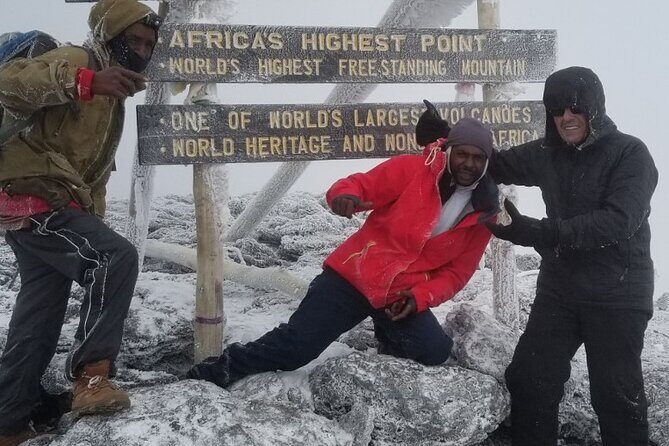
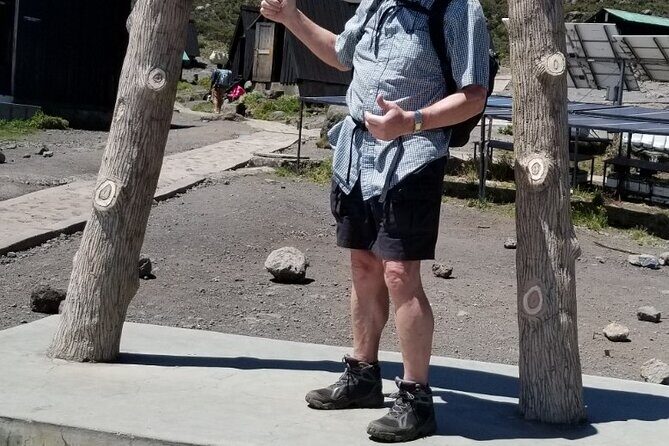
Marangu is the only Kilimanjaro route that offers sleeping huts in a dormitory-style setup. That’s a major selling point for many first-timers. You’re not packing a full tent ecosystem, and you’re not constantly figuring out where everything goes when you stop moving.
Here’s what you can expect from the hut setup:
- Mattresses and pillows are provided
- You still need a sleeping bag (don’t show up thinking the hut covers everything)
- Communal dining halls are part of the experience
- Washrooms and toilets are described as basic
This matters because it changes how you pack and how you mentally prepare. Many people worry less about sleeping logistics and more about the climb itself. But you still need winter-level thinking about warmth. Even with a mattress, nights can feel cold—so bring a sleeping bag you trust.
Also, dorm-style sleeping means you’ll share space with other climbers. That’s not automatically a problem, but if you’re a light sleeper, plan for noise and the reality that people wake at different times for summit schedules.
Approaching Uhuru Peak: sunrise and the roof of Africa moment
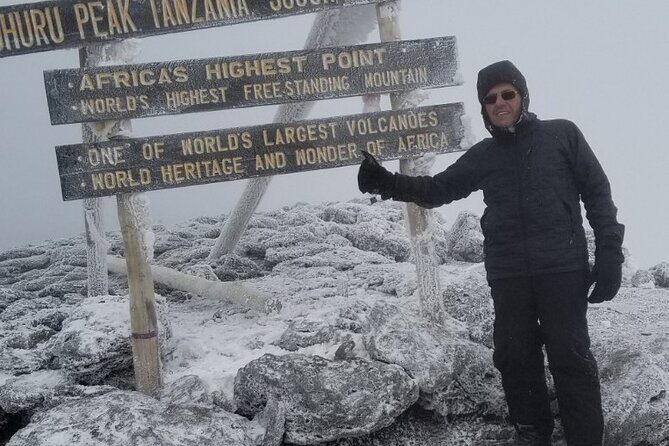
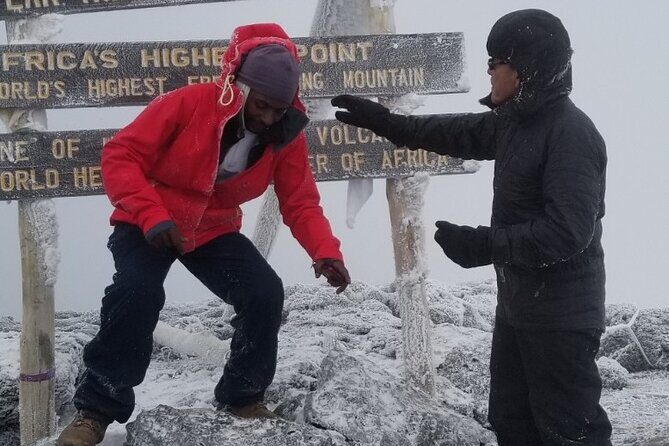
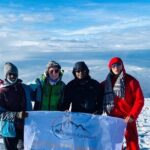
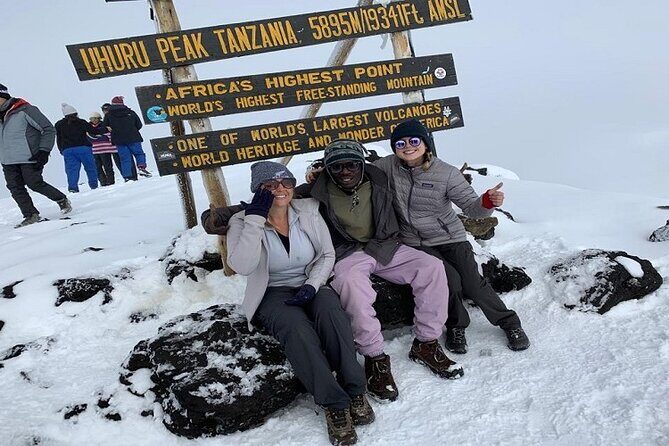
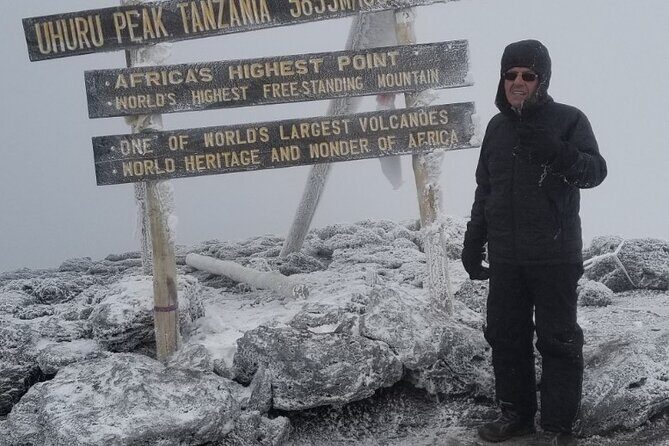
The itinerary is clear about what summit day is aiming to deliver: sunrise and the Uhuru Peak celebration. The plan describes reaching the top with snow and a strong sense of accomplishment—laughing and celebrating at the roof of Africa.
On Kilimanjaro, summit day is emotional, physical, and time-sensitive all at once. Your guide’s pacing and your ability to stay steady with breathing often matter more than raw speed. If you’re doing Marangu in a 5-day push, you should take that seriously: you’re moving toward the summit with less buffer than longer-route schedules.
Also, Marangu’s convenience can work in your favor here. Since you’re not switching to a totally new trail system, the route is easier to follow when you’re tired. That reduces decision fatigue late in the climb. On the other hand, if you’re sensitive to crowds, summit timing can place you alongside many other climbers during the same window.
The best way to think about it: plan for the summit as a shared human moment, not a private adventure. If that sounds like your style, Marangu fits.
Rede Tours and Safaris: what the reviews highlight about the team
The experience provider is Rede Tours and Safaris (Amore African Safari LTD). Based on the feedback in the information you provided, the most praised theme is professionalism paired with real support.
Several review snippets emphasize:
- Nalisis providing outstanding support and guidance from start to finish
- Guides being described as professional and encouraging, especially for first-time climbers
- Chefs delivering impressive meals, with one comment praising how amazing the cooking team was
- Airport pickup being on time and smooth
- The overall planning feeling organized, even for people who were a bit anxious before booking
I’d treat that as a practical indicator. On Kilimanjaro, you can’t fully control the weather, the mountain, or how your body responds to altitude. But you can control whether your team runs a tight ship. When multiple people mention the same kind of support quality, it usually means you’ll spend less time worrying about logistics and more time focusing on the climb.
Price and value: what $1,560 buys you (and what it doesn’t)
The price listed is $1,560.00 per person for the Best 5 Days Marangu Route climbing, with duration approx. 6 days (depending on whether you do 5 or 6 days within the schedule).
What’s included is meaningful:
- Guide, park fees, tax, gate transfer, crew wages, environment fees
- Drinking water
- All meals: breakfast, lunch, and dinner
That included list is a big part of the value, because park fees and crew costs can add up fast when you piece together a climb yourself. Also, you’re not managing daily meal planning under altitude conditions. Food is not just comfort here—it’s fuel.
What’s not included:
- Flights
- Tipping the crew
- Visas
So the real budget picture is: the base cost covers core logistics and mountain operations, but you’ll still need to budget for getting yourself to Tanzania and for tipping. If you’ve never tipped on safari or guiding operations before, ask your organizer what they recommend so you’re not guessing.
Also keep in mind that this experience is listed with a maximum of 100 people. That’s a large total capacity, but what matters more is your actual group size on the trail. Still, Marangu’s reputation for being crowded means you should expect a social mountain, not solitude.
Practical gear and body strategy for a 5–6 day Marangu climb
The data you have doesn’t list gear requirements line-by-line, but it does give you a few “don’t mess this up” clues:
- You’re sleeping in huts with mattresses and pillows, but you still need a sleeping bag
- Altitude acclimatization may be difficult due to the route’s short time frame
So your prep should focus on two areas: warmth and pacing.
Warmth: Even with hut beds, pack for cold nights. If your sleeping bag is only comfortable at mild temperatures, you might regret it. A good rule: if you can sleep comfortably at home in cool rooms, you still might not be ready for a mountain night.
Pacing: Marangu can feel easier on paper, but altitude doesn’t care about route marketing. I recommend you follow your guide’s pace, keep steady efforts, and don’t treat discomfort as a requirement to “push harder.” If symptoms show up, report them early.
And one more practical tip: because meals are included, stick to what’s provided and don’t try to replace nutrition with random snacks at altitude. Eat what’s offered, drink water, and keep your routines simple.
Who should book the Marangu route with this operator?
This tour is a strong fit if you:
- Want a classic, well-established Kilimanjaro route with hut sleeping
- Prefer a supported structure with guide, cook, and porters handling key tasks
- Value included logistics like meals and park fees so you’re not assembling the climb day-by-day
- Like the idea of sunrise and the Uhuru Peak celebration as the main payoff
It may be less ideal if you:
- Are trying to maximize scenery variety (Marangu is described as less scenic)
- Get stressed by crowds (it’s the most crowded route)
- Are worried about altitude acclimatization in a short time window
Should you book this 5 Days Marangu Route Kilimanjaro climb?
I’d book it if you want a dependable, logistics-heavy plan and you’re comfortable with the Marangu tradeoffs: easier navigation, hut comfort, and a crowded trail with less visual variation than other routes.
I would not book it if your top priority is seclusion or if you personally need a longer acclimatization window to feel confident. In the information you provided, there’s even an example where someone with limited time got advice about using a longer route (like Lemosho) for better pacing—so if altitude is your biggest concern, compare your timeline carefully.
Finally, the strongest reason to feel good about this specific operator choice is the repeated emphasis on support and professionalism, including named assistance from Nalisis and praise for the guide and cooking team. In plain terms: you’re paying for a functioning system on the mountain, not just “a spot on a trail.”
FAQ
How long is the climb?
The itinerary is listed as about 6 days total, with the climb described as 5 days to the peak within that time frame.
Where does the tour start and end?
It starts at Kilimanjaro Airport, Kilimanjaro National Park, Tanzania and ends back at the meeting point.
What time does the activity start?
The listed start time is 8:00 am.
Is pickup offered?
Yes, pickup is offered (with Moshi serving as the location context for the tour).
What are the sleeping arrangements on the Marangu route?
You sleep in dormitory-style huts with mattresses and pillows. A sleeping bag is still required.
What’s included in the price?
Included are the guide, park fees, tax, gate transfer, crew wages, environment fees, drinking water, and all meals (breakfast, lunch, dinner).
What’s not included, and what should I budget for?
Flights, visas, and tipping the crew are not included.
What if weather is bad?
This experience requires good weather. If it’s canceled due to poor weather, you’ll be offered a different date or a full refund.