REVIEW · MOSHI
Mt Kilimanjaro Climb – 6 days Marangu
Book on Viator →Operated by Nyange Adventures. · Bookable on Viator
Kilimanjaro is a mountain you plan for. This 6-day Marangu route from Moshi focuses on a slower rhythm, a dedicated acclimatization day, full board, park fees, and even oxygen support in the package.
I like how the schedule gives your body time to adjust, especially with that extra day around Horombo Hut. I also like the people side: Nyange Adventures pairs you with a private guide, and names like Musa, Freddy, Benny, Erick, Francis, and Steven show up again and again in client stories for being careful, upbeat, and genuinely invested.
One consideration: even on the Marangu route, the final push is brutal—late-night hiking in arctic conditions, long hours, and limited hut comfort. If you go in expecting a walk in the park, the mountain will teach you otherwise.
In This Review
- Key highlights worth paying attention to
- Marangu Route in Six Days: What the Schedule Really Means
- Getting to Moshi and the Gates: Pickup and First-Day Timing
- Day 1: Rainforest to Mandara Hut with Colobus Monkeys and Coffee Shade
- Day 2: Moorland to Horombo Hut for Giant Lobelia and Big Foot Days
- Day 3 Acclimatization at Horombo: The Day That Improves Your Summit Math
- Day 4 Sunrise to Kibo Hut: Alpine Desert, Cold Air, and Photo-Ready Views
- Day 5 Midnight Ascent to Stella Point and Uhuru Peak: Expect the Hard Part
- Day 6 Descent to Marangu Gate: Forest Walk-Out and Certificate Moment
- Guides, Team Ethics, and the Human Side of “Can We Do This?”
- Price and Value at About $2,186: What You’re Really Buying
- Who This Marangu Climb Fits Best (and Who Should Rethink It)
- Should You Book This 6-Day Marangu Climb with Nyange Adventures?
- FAQ
- What route is this, and how many days is the climb?
- What’s included in the price?
- Do I need to bring my own climbing gear?
- Where does the trip start and when?
- What kind of support for altitude is included?
- Is cancellation free?
Key highlights worth paying attention to
- Marangu route pacing with an extra acclimatization day to improve your odds
- Private guide experience with teams trained to keep you moving safely
- Oxygen cylinder and ox meter included for summit-day support
- Hut-based climbing with dramatic scenery changes from rainforest to moorland to alpine desert
- Strong guide stories featuring Musa, Freddy & Benny, Erick, Francis, and Steven
- Value-packed package with park fees, meals, and transport to the gate
Marangu Route in Six Days: What the Schedule Really Means
The big idea behind this 6-day Marangu climb is simple: you don’t rush altitude. The Marangu route is often called the easiest way up, but “easier” doesn’t mean “easy.” You still earn every meter, especially near the summit.
What I like about this plan is that it builds in a real break for your body. Day 3 is an acclimatization day at Horombo Hut, with a recommended hike toward Mawenzi Saddle and the Zebra Rocks area. That’s not just for stretching—altitude is sneaky, and taking an extra day can make the difference between feeling shaky and feeling steadier.
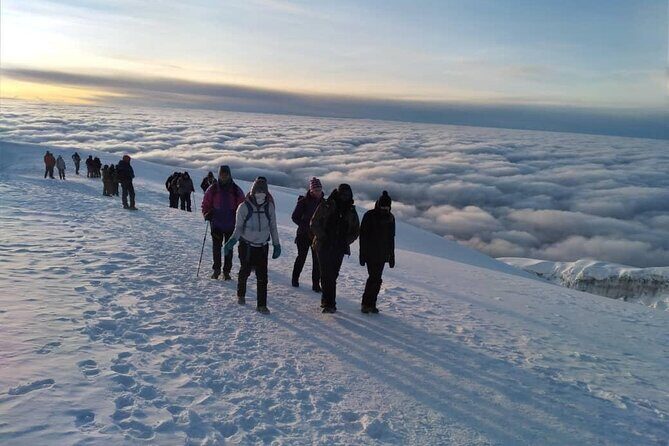
The final day is still a night mission. You’ll set out before midnight, climb through steep scree, reach key waypoints like Stella Point (5,685m), and then go for Uhuru Peak. Plan mentally for hard effort, cold air, and slow progress.
A few more Moshi tours and experiences worth a look
Getting to Moshi and the Gates: Pickup and First-Day Timing
Most climbs start with logistics, and this one takes a lot of friction out of the beginning. You’re based around Moshi, and the trip offers hotel pickup and drop-off. From Moshi to the Marangu Gate is about 45 minutes by drive, so you start your hike on calmer feet instead of burning energy on transfers.
The stated start time is 8:30am, with the meeting point listed around Kilimanjaro Airport. Practically, that means you’ll want your arrival plan to give you breathing room—getting a good sleep and not rushing is part of “training,” even if you’re not thinking about it.
Also note this is a private tour/activity, so only your group participates. That matters on Kilimanjaro, where timing, pacing, and comfort need to fit real humans, not a generic schedule.
Day 1: Rainforest to Mandara Hut with Colobus Monkeys and Coffee Shade
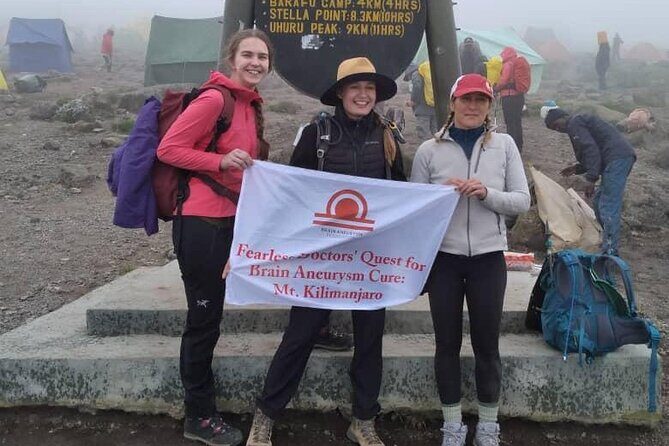
Day 1 starts with a hike through rainforest, gaining about 870m over roughly 4–5 hours. Early in the climb, you’ll feel like you’re mostly walking through green. That’s good. You want your legs working, but you don’t want them cooked before altitude even becomes the main problem.
You’ll move along a well-maintained trail from Marangu Gate into montane forest, passing dense greenery and coffee plantations. This is one of the most enjoyable “warm-up” days because your senses aren’t bored—your guide can point out local flora and fauna, and you may get the chance to see black and white colobus monkeys plus bright birdlife.
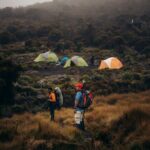
At the end of the day, you’ll reach Mandara Hut. Hut days on Kilimanjaro are not luxury stays. They’re functional: you eat, you rest, and you prep for a longer day ahead.
Day 2: Moorland to Horombo Hut for Giant Lobelia and Big Foot Days
Day 2 ramps up in both time and scenery. You’ll hike about 6–8 hours with roughly 1,020m of elevation gain. The environment changes as you transition from montane forest into moorland and rolling alpine meadows with giant heather trees.
This is where you’ll notice how Kilimanjaro “teaches in chapters.” In the moorland zone, look for plants like giant lobelia and giant groundsel, which can grow extremely tall (the trip info notes they may reach around 16ft).
You’ll reach Horombo Hut in the evening with hot water available to wash, plus your meal and overnight rest. Horombo days often feel like the hinge between “this is amazing” and “okay, we’re really on the mountain now.” Take it slow. The recommended slow pace of pole, pole isn’t a slogan—it’s a strategy.
Day 3 Acclimatization at Horombo: The Day That Improves Your Summit Math
This is the day I’d most want you to respect. The plan intentionally gives you an extra day at Horombo Hut to help with acclimatization. You’ll have a chance to do short walks around the area, and the most popular option is a hike toward Mawenzi Saddle, passing the Zebra Rocks.
The reason an acclimatization day matters is that symptoms of altitude sickness can show up even when you’re doing everything “right.” Going out for a controlled hike helps your body adjust, and coming back down gives you a safer rhythm than simply stacking more ascent days.
Keep drinking water and moving slowly. The route guidance stresses it for a reason. If you feel off, tell your guide. On Kilimanjaro, your best data is your body, not optimism.
Day 4 Sunrise to Kibo Hut: Alpine Desert, Cold Air, and Photo-Ready Views
Day 4 is where the terrain gets stark. You’ll gain about 980m over 6–8 hours and move into alpine desert conditions. Early starts pay off here: you’ll wake before sunrise for photos and then continue at a slow pace.
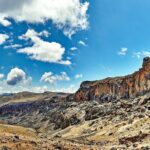
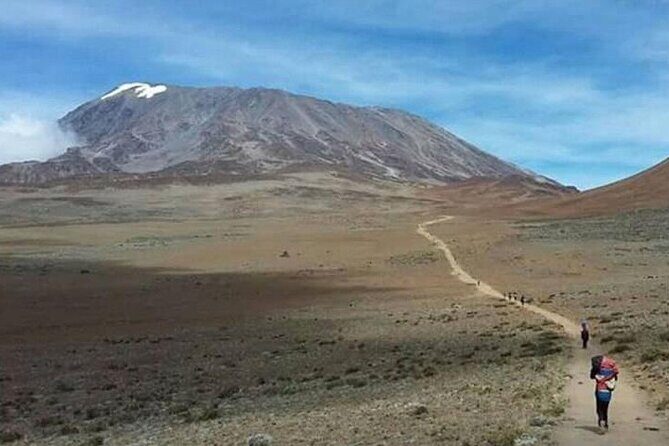
The trail changes quickly. Heathland turns into an almost lunar-like saddle area between Mawenzi and Kibo. You might start noticing altitude symptoms around this stretch, especially since you’re climbing while the air gets thinner.
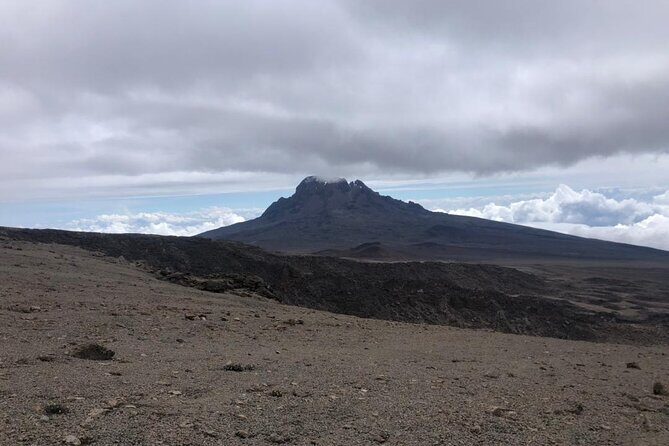
The good news: this is also where the views start getting dramatic, including likely glimpses of Kilimanjaro’s summit ahead. When your head is cold and your legs are slow, those views are a real emotional boost.
You’ll end at Kibo Hut, described as a drystone walled hut with dormitories and limited facilities. Translation: you’ll have a roof and a place to sleep, but don’t expect comfort. Plan to wear layers you can adjust quickly once the temperature drops.
Day 5 Midnight Ascent to Stella Point and Uhuru Peak: Expect the Hard Part
Day 5 is the money day—and the hardest one. You’ll start just before midnight and climb for a very long time. The hike time is listed as about 13 hours total, with the route described in stages around Ratzel and Rebmann glaciers.
You’ll head northwest through heavy stone scree and follow switchbacks between glacier areas until you reach Stella Point (5,685m). This is described as the most challenging part, requiring serious physical and mental effort.
If you’re worried about how to handle the dark, the answer is simple: go slow, listen to your guide, and keep your breathing steady. This isn’t a day for big strides. It’s a day for consistency.
Weather on this climb is noted as arctic conditions, and that matches what you should plan for. Layering and wind protection matter. Even if you’ve trained, the altitude can make simple movements feel heavier than expected.
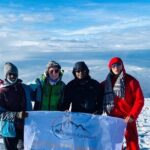
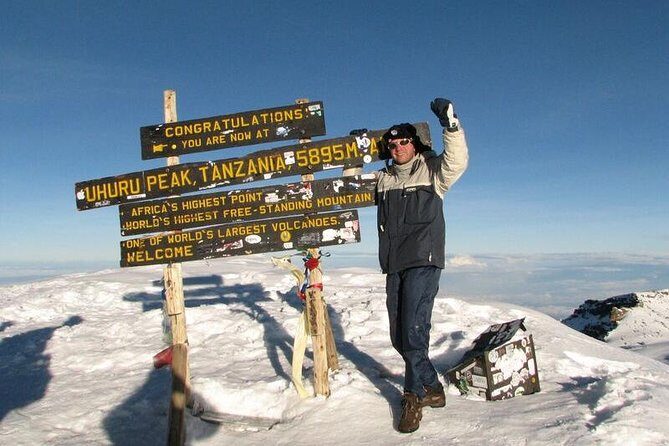
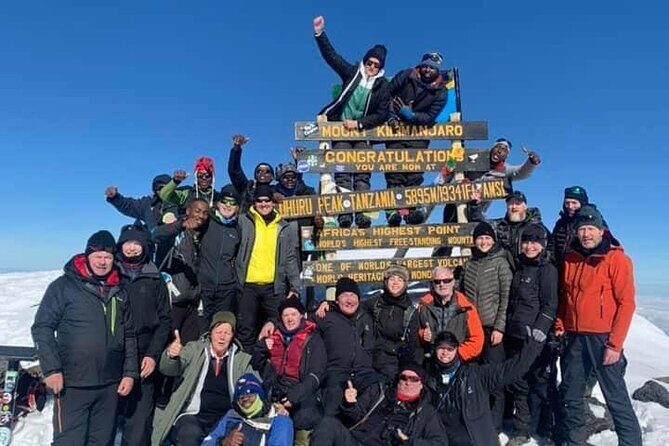
Once you reach Uhuru Peak, you’ve done what most people only dream about: standing at the top of Africa.
Day 6 Descent to Marangu Gate: Forest Walk-Out and Certificate Moment
After the summit, Day 6 is the relief day. You’ll hike around 5–7 hours with elevation loss of about 1,890m. It starts with breakfast, then you descend via a scenic path through forest back to Marangu Gate.
A nice detail here is the way the day balances emotion with logistics. If you made it to Stella Point and Uhuru Peak, you’ll receive your certificates at the gate. It’s a small ritual, but it helps make the effort feel real.
From Marangu Gate, you’ll drive back to your hotel for dinner and celebrations—with a Kilimanjaro beer mentioned in the plan. After days of cold, dust, and concentration, a shower and warm meal feel like part of the summit too.
Guides, Team Ethics, and the Human Side of “Can We Do This?”
Climbing Kilimanjaro is a group experience, even when it’s private. You’re living in close quarters with your guide, cooking team, and porters for days. This is where your operator’s culture matters.
This trip includes professional guides and lists ethical salaries for the team in line with KPAP guidelines. In real terms, that means the operation is trying to treat the entire mountain workforce as real workers—not disposable muscle.
Client stories also highlight guide competence and attitude. Names like Musa, Freddy and Benny, Erick, Nicolas, Francis, and Steven show up with the same themes: careful instruction, clear explanations about the mountain and route, and a steady, friendly presence when people feel tired or nervous.
One phrase you’ll hear from this operator’s clients is that you arrive as a client and leave as a friend (Come as a client, leave as a friend). I take that seriously on Kilimanjaro, because kindness plus competence is exactly what you want when you’re a little under-fueled and the wind is trying to steal your willpower.
Price and Value at About $2,186: What You’re Really Buying
Let’s talk money without hand-waving. The price is listed at $2,185.90 per person. That’s not cheap. But what matters is how much is included versus what you’d otherwise pay separately.
This package includes:
- All park fees and rescue-related fees
- Three meals a day plus drinking water
- 5 nights accommodation
- Transport to and from the gate
- Oxygen cylinder and an ox meter
- Professional guide
- Hotel pickup and drop-off
When you add up those items separately, this price starts to make more sense. Oxygen and park fees alone can change the math fast on Kilimanjaro. Also, you get clarity: you’re paying for a full operating plan, not just a guide and a prayer.
The “not included” list is also important. You’ll need to budget for tips for guide, cook, and porters, and bring your own personal climbing gear. You’ll also need travel insurance (explicitly not included). And if your trip includes airport transfers beyond the provided meeting details, those aren’t part of the package by default.
Who This Marangu Climb Fits Best (and Who Should Rethink It)
This climb is listed for travelers with moderate physical fitness. That’s a good sign if you’re capable of hiking for 4–8 hours in varied conditions and you’re willing to move slowly when altitude takes over.
You’ll likely enjoy it most if:
- You want the Marangu route because it’s the “easier” option among the main trails
- You value having a private guide and a plan that feels structured
- You like hut-based climbing with a clear day-by-day rhythm
- You want built-in support like oxygen on summit day
You might rethink it if you:
- Hate long days or you get anxious in cold, dark conditions (Day 5 is late-night)
- Are expecting hotel comfort at Kibo Hut (the facilities are described as limited)
- Know you usually push too hard—Kilimanjaro punishes that habit quickly
Should You Book This 6-Day Marangu Climb with Nyange Adventures?
If you want a well-run Kilimanjaro climb focused on pacing, I think this is a solid bet. The combination of an acclimatization day, oxygen support, and a private guide setup is exactly the kind of “serious but doable” approach you want on a climb where the last stretch matters most.
Where I’d be extra thoughtful is expectations. Yes, it’s the Marangu route and it’s designed as the easiest option—but the summit day is still a long, cold test. Go in mentally ready for slow steps, not fast wins.
If you like clear logistics, good instruction, and a team that shows up with competence and care, booking makes sense. Just remember: your job on Kilimanjaro is simple—listen, hydrate, and move at pole, pole speed when the mountain gets loud.
FAQ
What route is this, and how many days is the climb?
This is a 6-day Kilimanjaro climb on the Marangu route, based out of Moshi, Tanzania.
What’s included in the price?
The package includes all park fees, three meals a day (with drinking water), 5 nights accommodation, camping facilities, transport to and from the gate, a professional guide, hotel pickup and drop-off, and oxygen cylinder plus an ox meter.
Do I need to bring my own climbing gear?
Yes. All personal mountain climbing gear and equipment are not included, so you’ll need to bring your own.
Where does the trip start and when?
The meeting point is listed as Kilimanjaro Airport, and the start time is 8:30am.
What kind of support for altitude is included?
The trip includes an oxygen cylinder and an ox meter, and the itinerary builds in acclimatization time at Horombo Hut.
Is cancellation free?
Yes. You can cancel up to 24 hours in advance for a full refund, and cancellations made less than 24 hours before the start aren’t refunded.