REVIEW · ARUSHA
Camping to Serengeti & Ngorongoro Premium Parks
Book on Viator →Operated by Moorland Safari and Trekking · Bookable on Viator
Three days. Two iconic wildlife zones.
This camping safari pairs open-roof 4WD game drives in the Serengeti with a real-time look into the Ngorongoro Crater, where the scenery and animal density can feel almost unfair. You start early from Arusha, spend two nights at camps inside or close to the parks, and follow a guided route built around morning animal activity and the dramatic crater edge-to-floor transition.
I really like the way the trip is set up for maximum sightings: early drives, focused time in prime areas, and expert guiding that helps you read behavior, not just scan for movement. I also love the value angle for a safari at this level: meals and water are included, plus the guide, park fees/taxes, and camping gear (tents, mattress, sleeping bags) are part of the package.
The main trade-off is simple: this is camping, not hotel luxury, and you’ll be up early—start time is 6:30am—so you should plan for a more basic rhythm and long drive days. If you want lots of downtime, this route may feel a bit nonstop.
In This Review
- Key things that make this safari click
- First light at 6:30am: how your day really starts
- Serengeti National Park: open plains, real variety, and UNESCO-sized scale
- From Serengeti to Ngorongoro edge: the drive that sets the mood
- Going down into the crater: Big Five odds in a few hours
- Camping comfort inside the parks: what you actually get
- Value and what your $815 really covers
- Who should choose this Serengeti and Ngorongoro camping safari
- Practical tips to boost your sightings (without magic thinking)
- Should you book this Moorland Safari and Trekking trip?
- FAQ
- What is the duration of the safari?
- Where does the safari start and end?
- What time does the tour start?
- Is pickup from Arusha included?
- Is this a private tour?
- What meals are included?
- Is camping gear included?
- Are park fees and tickets included?
- What languages are offered?
- What is the cancellation policy?
Key things that make this safari click
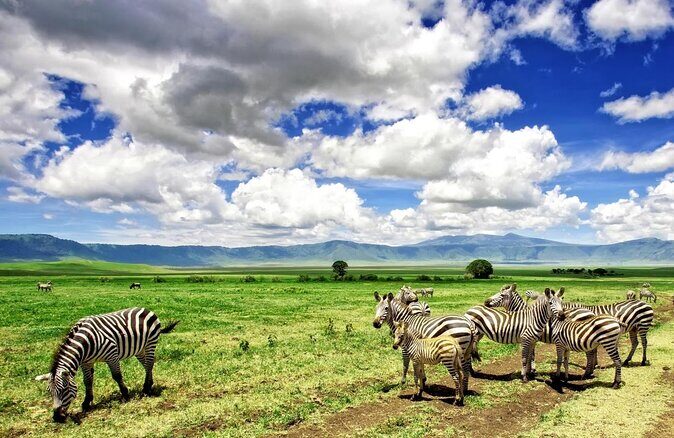
- 6:30am departures that put you on the roads when animals are most active
- Serengeti + Ngorongoro Crater in just 3 days, with an edge-view night and a full crater descent day
- Camping gear and meals included, so you’re not budgeting for essentials mid-trip
- Multi-language guidance (English, German, Italian, French, Spanish) for smoother communication
- Big Five chances—possible within a couple of hours on crater-floor drives, when conditions line up
First light at 6:30am: how your day really starts
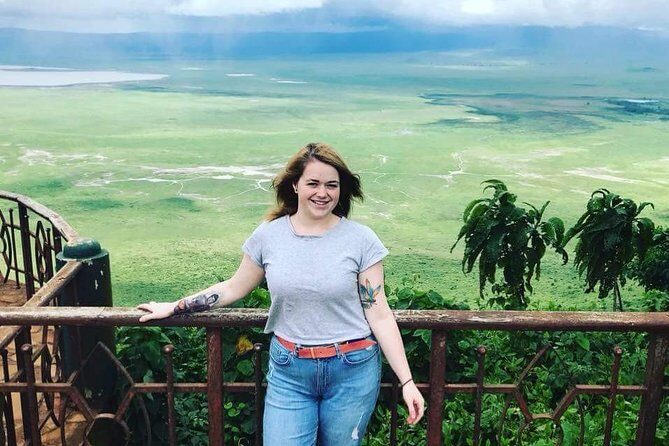
This safari is built around morning timing. You meet at the Arusha Clock Tower (Clocktower Roundabout) at 6:30am, then head out in an open-roof 4WD. That matters because wildlife viewing is often best earlier in the day, and you’ll also get more comfortable temperatures before the sun climbs.
On Day 1, you’re pointed toward the Serengeti’s wide, open plains. Expect the drive to feel like the start of something big: long sightlines, dust, and constant checking of the horizon for movement. The point of the timing is to get you into the park mindset fast—so by the afternoon you’re ready to settle in at camp and enjoy dinner without rushing.
Also note the pace: even though it’s only 3 days, it’s not “3 relaxed days.” You’re doing major geographic transitions, especially between Serengeti and Ngorongoro. If you’re the type who hates early mornings, this might not be the trip for you.
You can also read our reviews of more tours and experiences in Arusha.



Serengeti National Park: open plains, real variety, and UNESCO-sized scale
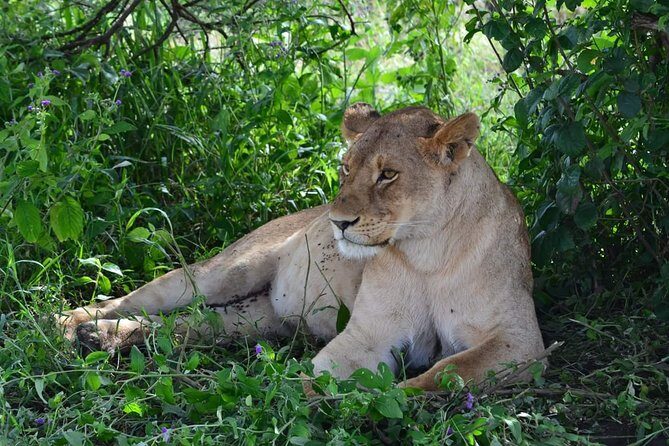
Serengeti is famous for a reason. The trip’s route leans into the park’s biodiversity and ecological importance, and it’s also tied to UNESCO World Heritage status. You’ll get that feeling right away when the terrain opens up and you start seeing animals at different distances—some grazing close, others appearing like shapes against the grass.
You’ll also spend time on wildlife types that show up year-round. In practical terms, that means you’re not relying on just one species or one magical moment. On Day 2 in particular, the schedule starts with another morning game drive in the Serengeti, and that’s where the odds can get exciting fast.
Here’s what the route is designed to put in front of you:
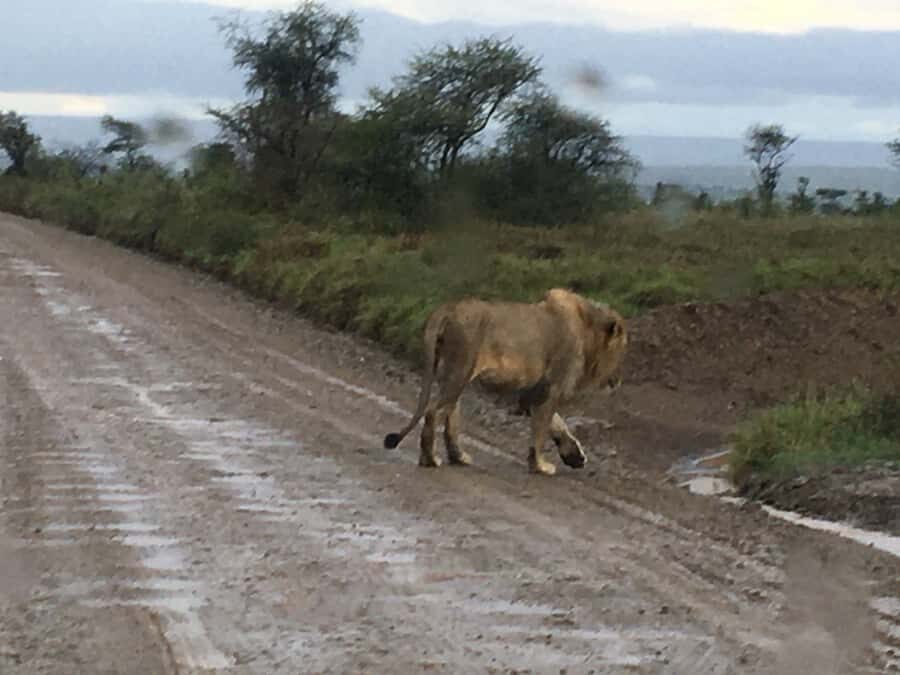
- Big cats like lions, cheetah, and leopard are specifically mentioned as possibilities in the driving areas
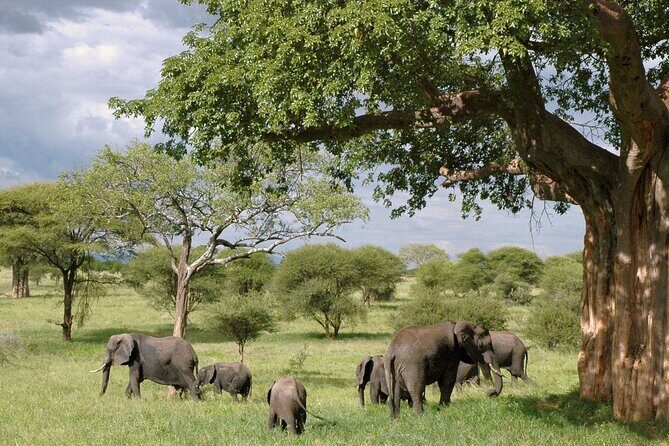
- Large herds such as buffalo, elephants, and giraffes can appear, along with thousands of eland
- You may also see gazelles and antelopes such as impala, topi, kongoni, and Grant’s gazelle
A quick reality check: Serengeti is huge, so you can spend time driving when animal density is lower. One of the most helpful things you can do is stay patient. When sightings come, they can be dramatic—family groups, hunting behavior, and close passes when the driver finds the right pocket of activity.
From Serengeti to Ngorongoro edge: the drive that sets the mood
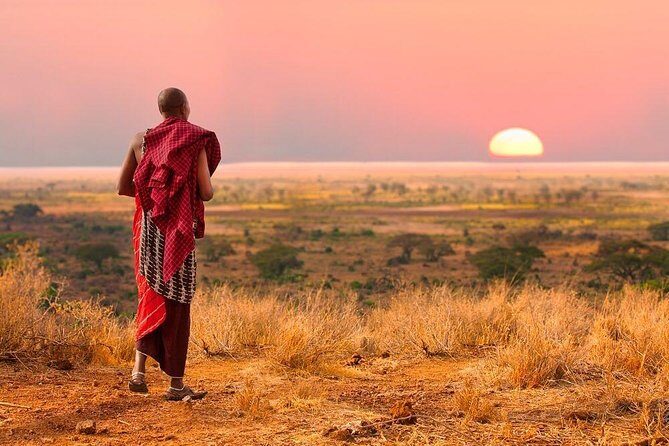
After the Day 2 morning drive in Serengeti, you’ll head toward Ngorongoro Crater. The schedule then gives you a key moment: arriving at the edge of the crater for an impressive first view before dinner and overnight.
This is a smart design choice. Ngorongoro isn’t just another park. It’s a giant geological bowl, and standing at the rim helps you understand why the wildlife can be so concentrated once you descend. You’ll feel that difference even before you’re driving on crater-floor roads.
Also, the itinerary uses Day 2 to bridge the jump between ecosystems. You go from open plains and broad grazing country into a landscape that changes slope, vegetation, and visibility. That shift is part of the fun, but it also means you’re spending Day 2 moving from one dramatic setting to another.
Practical takeaway: wear layers. Crater edges can feel different from plains areas, and early-to-late temperature changes are common.
Going down into the crater: Big Five odds in a few hours
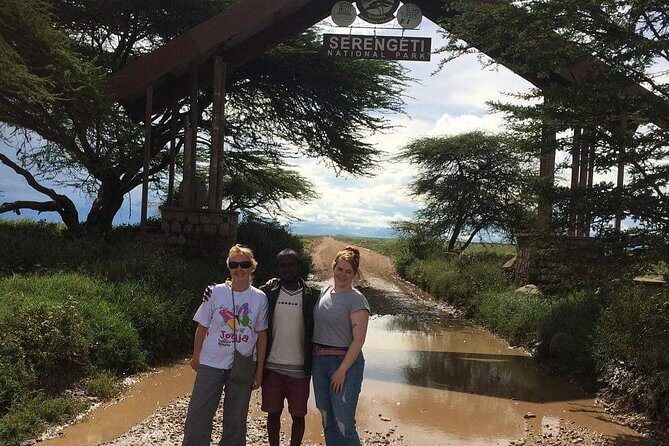
Day 3 is the payoff. After an early breakfast, you drive down into Ngorongoro Crater. You’re not just looking from above. You’re getting access to the caldera-floor habitats where animals move through grass steppe and acacia tree woodlands.
The key thing here is how the guide frames the ecosystem. Ngorongoro is described as the largest unbroken caldera, with unbelievable wildlife diversity. And the tour route specifically highlights that you’ll find almost all species common to the East African savannah, with a few exceptions mentioned in the tour details: topis, Maasai giraffes, and impalas.
That’s useful because it helps you set expectations. For example, when you’re on the crater floor, you should shift your focus from “waiting for everything” to “spotting the species that belong here.” The route also notes that, quite often, you can observe the Big Five (lion, elephant, buffalo, rhino, leopard) within a couple of hours on crater-floor drives.
One more reality check from the overall experience: rhino sightings can be inconsistent. The crater can still be worth it even if you don’t catch every single icon. Many safari days are about momentum—once you’re in the right area at the right time, behavior clusters around water and grazing, and that’s when the viewing gets excellent.
At the end of Day 3, you drive back to Arusha for overnight, with flight departure at night the same day or on the second day depending on your schedule.
Camping comfort inside the parks: what you actually get
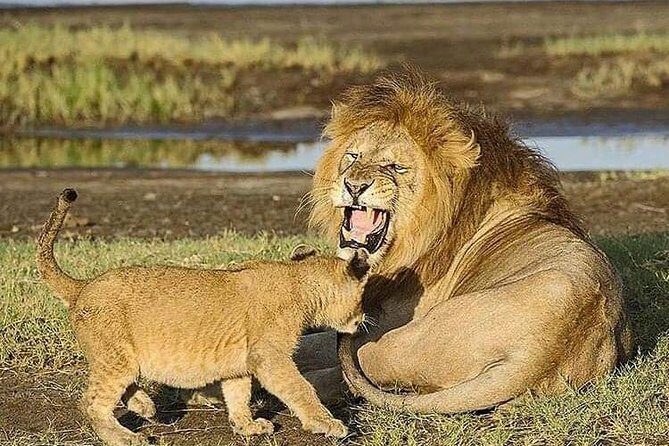
This trip is camping, but it’s not “rough it and hope.” Camping-style inclusions are spelled out clearly: tents, mattress, and sleeping bags are provided, and overnight accommodation is included according to the itinerary. In other words, you’re not responsible for bringing the gear that makes camping tolerable.
Meals are also a big part of the value. Your package includes:
- Breakfast (3), lunch (3), dinner (2)
- Mineral water
- Fees/taxes and park costs handled as part of the tour
From the overall feedback, the food and camp atmosphere tend to be a highlight. Several people specifically praised the chef and how well the trip was managed day-to-day. That matters because in a safari setting, you’re tired in the evenings. Good food and an organized setup make the difference between “camping was fine” and “camping was actually enjoyable.”
What to watch: you won’t spend much time in your camp “hotel comfort.” The rhythm is designed around leaving early and coming back for meals and rest. If you love lazing around, this trip won’t be that kind of vacation.



Value and what your $815 really covers
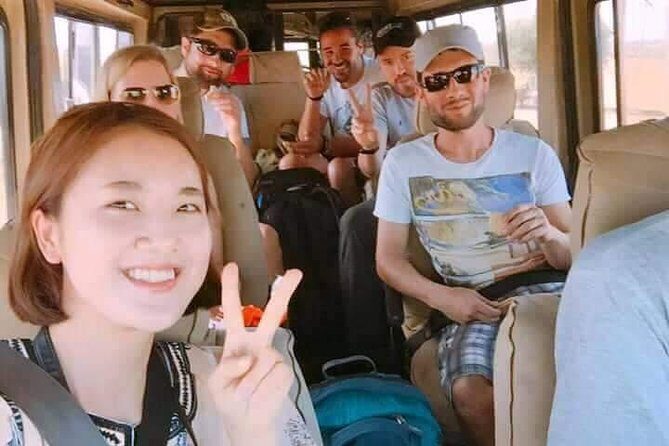
At $815 per person for about 3 days, the value depends on what’s included, not just the headline number. Here’s why this price can work well if you want a guided safari without constant add-ons:
Included value items:
- Professional guides and game driving
- Private transportation (and pickup/return from Arusha)
- All fees and taxes
- Mineral water
- Camping gear (tents, mattress, sleeping bags)
- Meals and overnight accommodation as scheduled
Not included:
- Tips
For many travelers, the biggest hidden cost on safari is the pile-up of park fees, vehicle costs, and meals. This tour packages those items together. That makes it easier to plan, and it also reduces the chance that you’ll be surprised by “one more thing” halfway through.
If you’re comparing options, I’d focus on whether meals, camping gear, and park fees are truly included. If they are, this becomes a straightforward deal. If not, you’d be rebuilding the missing value yourself.
Who should choose this Serengeti and Ngorongoro camping safari
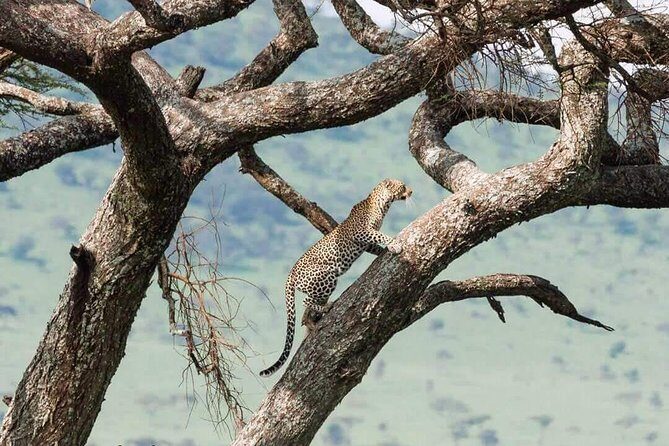
This tour fits best if:
- You want two-step safari magic: Serengeti for breadth of animals, then Ngorongoro for density and crater views
- You’re comfortable with camping and early mornings in exchange for the chance at serious wildlife encounters
- You like guided structure and don’t want to coordinate logistics yourself in Tanzania
Based on what people highlighted, it’s also a good pick if you care about driver/guide skill and communication. Names that came up in the experience include Nasir and Simba, plus guides like Steve and Chedy in the broader feedback. When guides are strong, they help you read animal behavior and choose where to spend time—especially when Serengeti is huge and sightings aren’t guaranteed every minute.
Practical tips to boost your sightings (without magic thinking)
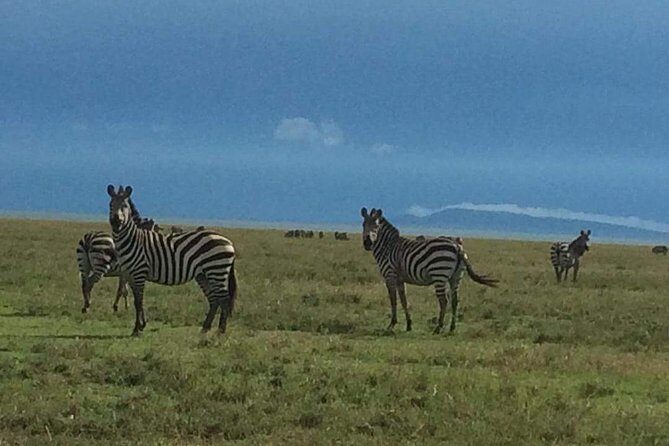
You can’t force wildlife. But you can stack odds in a smart way:
- Be ready early. The 6:30am start is part of the design. If you sleep late, you’ll miss the best momentum.
- Dress for long hours. You’ll be in a vehicle for game driving and transfers. Layers help when mornings are cool and afternoons warm up.
- Don’t chase only one animal. Lions, cheetah, leopard, buffalo, elephants, giraffes, and big herds are all part of the route’s viewing targets.
- Expect some drive-time with fewer sightings. Serengeti is big. The best move is to stay patient; when you hit a hotspot, it can be worth it fast.
- Bring a flexible mindset about the Big Five. The tour notes that Big Five viewing can happen within a couple of hours on crater-floor drives. Still, rhino sightings can be hit-or-miss, so stay open to the rest of the ecosystem.
If you’re the type who likes to see behavior—feeding, resting, hunting, social groups—this format is the right one. It gives you time where animals are likely to be doing something, not just standing in one spot.
Should you book this Moorland Safari and Trekking trip?
I’d book it if you want a guided, value-packed Serengeti and Ngorongoro experience where camping gear, meals, and park costs are handled. The itinerary is built around timing (mornings), geography (edge view then descent), and the realistic goal of seeing major predators and herd animals.
I would skip it if you need full hotel comfort, hate early departures, or want lots of downtime. Also, if you’re on a tight schedule and stress easily about flights, double-check how your return flight is planned for your specific day plan.
If camping in the parks sounds like your kind of adventure, this is the type of safari that can deliver the kind of sightings you’ll remember for a long time.
FAQ
What is the duration of the safari?
The tour is listed as approximately 3 days.
Where does the safari start and end?
It starts at the Arusha Clock Tower (Clocktower Roundabout, Arusha, Tanzania) and ends back at the same meeting point.
What time does the tour start?
The start time is 6:30am.
Is pickup from Arusha included?
Yes. Hotel pick-up from Arusha is available, and the tour also includes airport transfers pick up and return.
Is this a private tour?
Yes. This is described as a private tour/activity, meaning only your group participates.
What meals are included?
Breakfast (3), lunch (3), and dinner (2) are included, along with mineral water.
Is camping gear included?
Yes. Tents, mattress, and sleeping bags are included.
Are park fees and tickets included?
Yes. The tour includes all fees and taxes, and admission is listed as free for Serengeti on Day 1 and included for Ngorongoro on the other days.
What languages are offered?
The tour is offered in English, German, Italian, French, and Spanish.
What is the cancellation policy?
Free cancellation is available up to 24 hours in advance for a full refund. If you cancel within 24 hours, the amount paid is not refunded.