REVIEW · MOSHI
6 Days Climb Private Tour in Mount Kilimanjaro
Book on Viator →Operated by Nafika tours · Bookable on Viator
Oxygen, blankets, and a real summit plan. This 6-day private Kilimanjaro climb from Moshi is built around safety-first guiding and comfort in the cold, with a clear route that takes you from lush forest up to the Uhuru Peak zone. I like that the approach is practical and medical-minded, not just hype about reaching the top.
What I really like, too, is the mix of support and gear: trained mountain staff, rescue oxygen included, and camping setup designed for actual sleeping (not just surviving) after big hiking days. The tents are warm and roomy, and the sleeping pads and bags help you recover so you can keep going.
One thing to consider: the summit day is intense. Expect a midnight wake-up and a long, high-altitude climb that tests fitness and patience.
In This Review
- Key highlights worth noticing
- Safety and comfort on Kilimanjaro: trained guides, oxygen, and real camping gear
- Price and value at $1,980: what you get (and what you don’t)
- Your Moshi setup: hotel nights, pickup timing, and a smoother start
- Day-by-day Machame climb: from Machame Gate rainforest to Uhuru Peak
- Day 1: Machame Gate → Machame Camp (2835m), forest day with early wildlife
- Day 2: Up into moorland and Shira Plateau (3750m), plus that glacier view
- Day 3: Acclimatization move to Lava Tower (4600m) then down to Baranco (3900m)
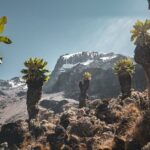
- Day 4: Barranco wall to Barafu Base Camp (4640m), giant groundsels and a long day
- Day 5: Midnight push to Stella Point (5756m) and Uhuru Peak (5895m)
- Day 6: Millennium Camp (3950m) down to Mweka Gate (1630m), certificates and a return to Moshi
- Why the itinerary’s acclimatization pattern matters for altitude sickness
- Camp life with Mountain Hardware tents and thick foam pads
- The human side: guides and crew that make the tough days feel manageable
- Who should book this 6-day private Kilimanjaro tour
- Should you book Nafika Tours for a 6-day Kilimanjaro summit attempt?
- FAQ
- How many days is the Kilimanjaro climb?
- Where do you start the hike?
- Where do you finish the hike?
- Is pickup from Moshi included?
- What is the summit day schedule like?
- Is rescue oxygen included?
- What camping gear is provided?
- Are meals included?
- Is treated water provided?
- Is the visa included in the price?
Key highlights worth noticing
- Safety and altitude response built in, including trained first aid/mountain rescue support and oxygen on the climb
- Private group feel with your own team, so you’re not sharing logistics with strangers
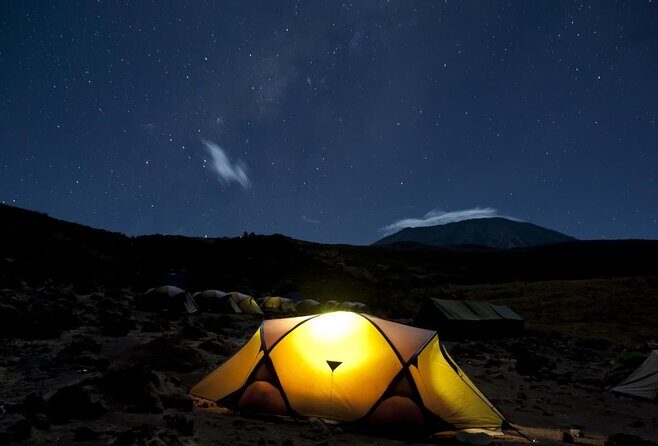
- Comfort camping gear: Mountain Hardware tents plus thick foam pads and sleeping bags
- A route with acclimatization in mind, including a higher hike and sleep-lower rhythm
- Real recovery setup in Moshi, with two hotel nights and a return private car with certificates waiting
Safety and comfort on Kilimanjaro: trained guides, oxygen, and real camping gear
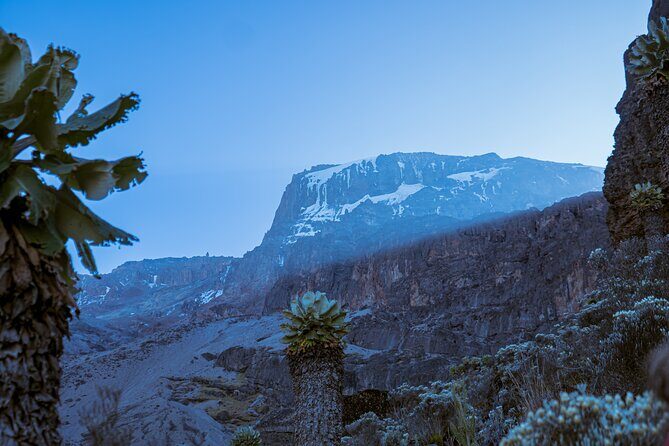
Kilimanjaro is famous for big views. It’s also famous for altitude risk, bad weather, and the simple truth that a tough hike can turn serious quickly. That’s why I pay attention to what’s built into the trip before you ever start walking.
This tour is explicit about safety systems. The guides are said to have training in first aid and mountain rescue, and they do regular health checks on climbers. They’re also prepared to prevent, detect, and treat altitude sickness. The big practical piece for me is that rescue oxygen is included on every climb, and evacuation plans are in place if something goes wrong. You don’t want to be scrambling for medical basics at 5,000m.
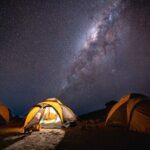
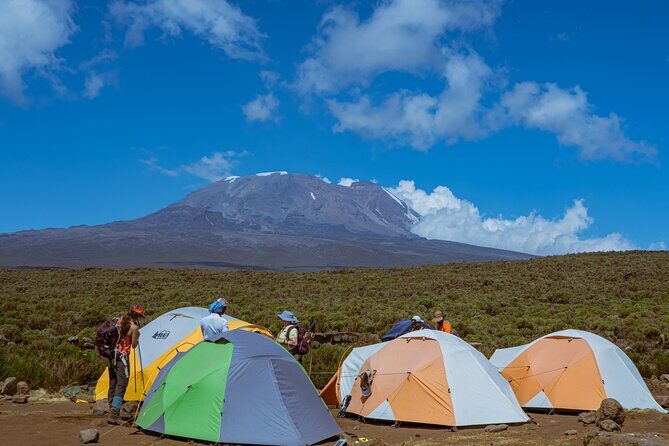
Then there’s the comfort angle, which matters more than most people think. Nighttime on Kilimanjaro can get cold fast, and cold sleep can turn a tough trek into a miserable one. Nafika Tours emphasizes high-quality camping equipment: Mountain Hardware tents that are warm, waterproof, and roomy, plus thick foam sleeping pads and sleeping bags. Those details don’t make the mountain easier—but they do make it more bearable and help you bounce back for the next day.
If you’re aiming for a summit attempt, that combination—medical readiness and realistic sleep—saves energy for what you actually came to do.
You can also read our reviews of more private tours in Moshi
Price and value at $1,980: what you get (and what you don’t)
At $1,980 per person, this isn’t a budget trek. The value shows up in what’s included, not just the route on the map.
Your package includes:
- Private transportation (so you’re not piecing together transfers)
- All camping equipment (tents, tables, chairs) plus sleeping bags and pads
- Treated water through the trek
- Rescue fees and an on-the-ground first aid kit
- Fair wages for porters and guides
- Meals throughout (breakfast, lunch, dinner across the climb days)
- Two night hotel accommodation in Moshi (one before and one after your hike)
- Emergency oxygen
And yes, there’s a straightforward catch: visa costs aren’t included. The data lists a $50 per person visa.
So how do I judge the math? If you try to self-organize or compare to cheaper packages that leave you to source gear, water treatment, medical basics, and staffing, costs tend to pop up in ugly places. Here, the package tries to keep those essentials bundled—especially the oxygen and camping comfort—where it counts most.
Your Moshi setup: hotel nights, pickup timing, and a smoother start
Most Kilimanjaro trips live or die by the first day. You need to be rested, organized, and not chasing info while you’re building altitude.
This tour includes two hotel nights in Moshi: one on arrival and another after your trek. You’ll also get private transportation tied to the itinerary, including a private car return after the climb.
On Day 1, you’re picked up at your hotel around 8:00 am and transferred to Machame gate. That matters because a late start on Kilimanjaro is usually a late start everywhere—later camping, later meals, and less margin for acclimatization.
And on Day 6, after you reach Mweka Gate, you collect certificates and then a private car brings you back to your hotel, with that warm shower you’ll be thinking about the whole hike.
Day-by-day Machame climb: from Machame Gate rainforest to Uhuru Peak
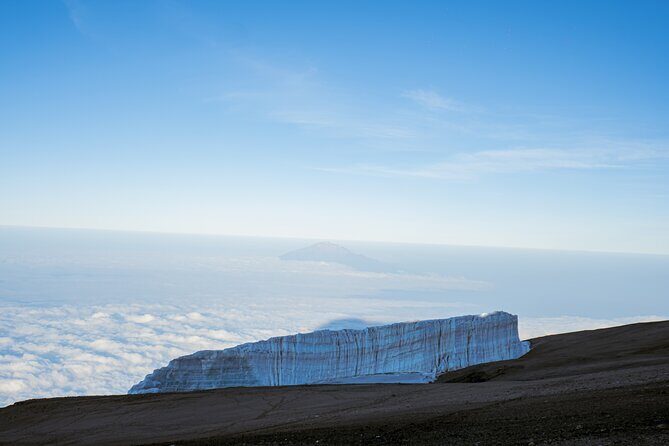
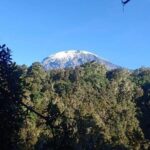
This route walks you through multiple climate zones, which is one of Kilimanjaro’s best features. You’re not just grinding uphill—you’re moving through different ecosystems as the air thins.
Day 1: Machame Gate → Machame Camp (2835m), forest day with early wildlife
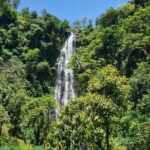
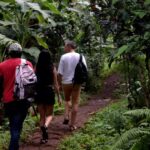
You’ll start with breakfast and then head to Machame gate. On the way, you pass coffee and banana plantations grown by the Chagga people, which is a nice contrast to the later alpine emptiness. After pre-hike formalities are handled for you, the hike begins.
Day 1 is about getting into motion: roughly 7 hours and about 11 km through montane forest. You’ll be high enough to notice wildlife, and the trip specifically suggests keeping an eye out for the blue monkey. You end at Machame Camp (2835m), where a warm tent and sleeping setup will help you actually recover.
What can feel challenging here: forest trekking can slow you down. It’s humid and uneven, so the “first day” doesn’t always feel easy even if the distance is reasonable.
A few more Moshi tours and experiences worth a look
Day 2: Up into moorland and Shira Plateau (3750m), plus that glacier view
Day 2 starts early again and includes a climb through forest for about an hour before gentling into the moorland zone. Then you move toward the Shira plateau, with rocky ridge sections that can feel steeper than they look.
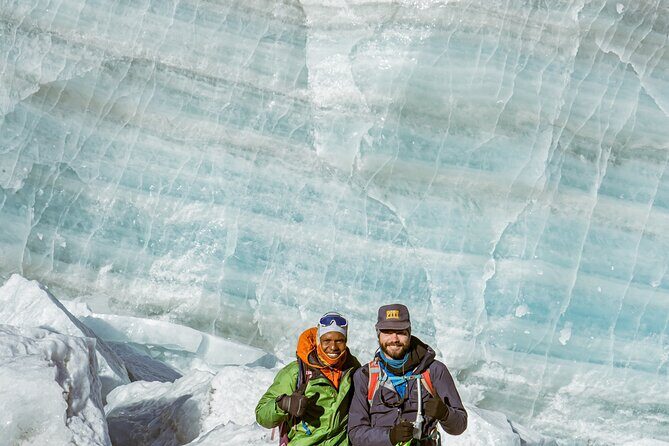
The hike is about 5 hours and roughly 6 km, ending at Shira Campsite (3750m). A highlight is the ability to see the western breach and the glacier. That view is one of those moments that makes altitude feel real.
Potential drawback: even with a shorter distance, the air is already changing. You’ll want to pace steadily and not treat it like a normal day hike.
Day 3: Acclimatization move to Lava Tower (4600m) then down to Baranco (3900m)
Day 3 is where the itinerary shows a smart acclimatization rhythm. You hike to a higher altitude, then descend to sleep lower—a method that helps reduce strain from rapid ascent.
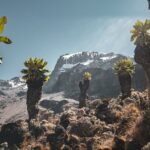
You’re looking at about 6 hours and 10 km, moving into alpine desert. The hike reaches Lava Tower (4600m) and then you drop down to Baranco Camp (3900m). The descent takes about 3 hours and brings great photo opportunities: the Western Breach and Baranco wall show up clearly in this section.
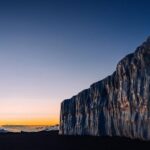
The campsite sits in a valley below the Barranco wall, which the itinerary describes as ideal for a memorable sunset. That’s a real psychological boost on a day that includes altitude work and a long descent.
Day 4: Barranco wall to Barafu Base Camp (4640m), giant groundsels and a long day
Day 4 ramps up. You climb the Barranco wall, which divides you from the southern slopes of Kibo. The climb isn’t technical, but it’s long and tiring—one of those days where you feel every step.
Hiking time is around 8 hours over about 8 km, with an overnight at Barafu Camp (4640m). You’ll pass Karanga Camp for lunch. This is also where water strategy matters: the itinerary notes that staff collect water for the next day, because it’s the last stop for water before the summit.
You also hike through alpine desert—likely windier, colder, and more exposed. Expect to feel “summit-prep mode” by late afternoon.
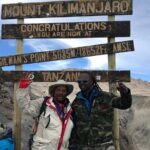
Day 5: Midnight push to Stella Point (5756m) and Uhuru Peak (5895m)
This is the day people remember forever—and also the day that demands respect.
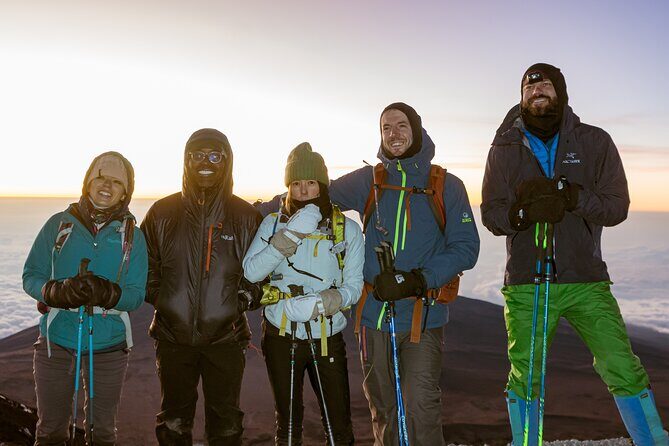
You’ll be awoken around midnight with light tea and breakfast. Then you start a 4 to 5 hour climb, gaining height quickly. The goal includes Stella Point (5756m) as the sun rises. After that, it’s about 1 hour from Stella Point to Uhuru Peak (5895m).
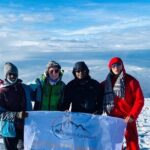
Once you reach Uhuru, you celebrate your accomplishment with group photos. Then you begin the descent. The itinerary snippet doesn’t list the exact campsite details for the evening, but Day 6 clearly starts at Millennium Camp (3950m), so expect a descent off the summit zone and a night in that lower area.
What to watch: this day can feel brutally long even for people who are strong. It’s not just altitude; it’s also cold, fatigue, and the fact that you’re moving on a schedule that doesn’t care how you slept.
Day 6: Millennium Camp (3950m) down to Mweka Gate (1630m), certificates and a return to Moshi
Day 6 is final descent with a relief-shaped energy. After breakfast, you start the final walk: a couple of hours from Millennium Campsite to Mweka Gate, then time for certificates.
The itinerary lists about 5 hours and around 14 km total. You’ll move through moorland and tropical rain forest as you drop to much lower altitude. The certificate moment is small, but it’s satisfying, especially after the summit effort.
After saying goodbye to the mountain guides, you get a private car back to your hotel for a warm shower and real food.
Why the itinerary’s acclimatization pattern matters for altitude sickness
What I like about this route is that it doesn’t treat acclimatization like an afterthought.
- Day 2 gets you established at 3750m without going straight into the highest elevations.
- Day 3 does the classic move: go higher to Lava Tower (4600m), then descend to sleep at Baranco (3900m).
- Day 4 continues upward toward the summit zone, and Day 5 makes the summit attempt.
That rhythm helps your body adjust to thinner air and lowers the odds of being hit with severe altitude symptoms early.
Also, the tour doesn’t just mention altitude sickness in theory. It states guides perform regular health checks and are prepared to detect and treat altitude sickness. Add the oxygen included and the evacuation planning, and you get a trip that’s ready to respond if someone needs help.
My practical advice: even with a good route, altitude success still depends on pace and listening. Go slow. Don’t try to win the trek. If you feel off, tell your guide quickly.
Camp life with Mountain Hardware tents and thick foam pads
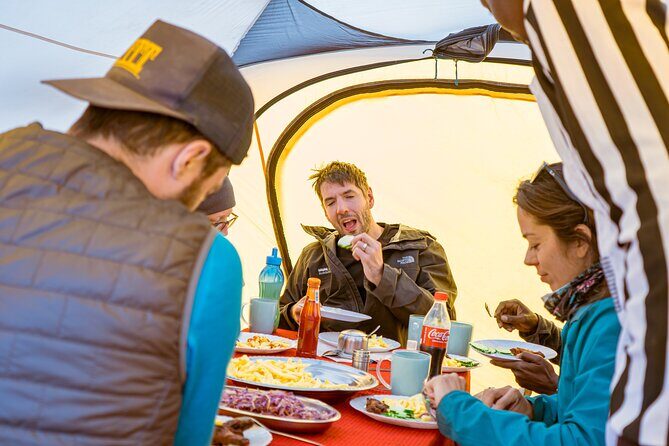
The itinerary focuses a lot on sleep and recovery gear, and that’s exactly what you want on Kilimanjaro.
The camping setup includes:
- Warm, waterproof, roomy Mountain Hardware tents
- Thick foam sleeping pads
- Sleeping bags designed for the cold
In real terms, this helps you manage two common problems:
1) Cold legs and numb fingers at night that ruin your rest
2) Waking up stiff and exhausted, then repeating the same effort the next day
Also included is treated water through the trek. Staying hydrated helps you function better at altitude, and it’s one less logistical headache when conditions are harsh.
The human side: guides and crew that make the tough days feel manageable
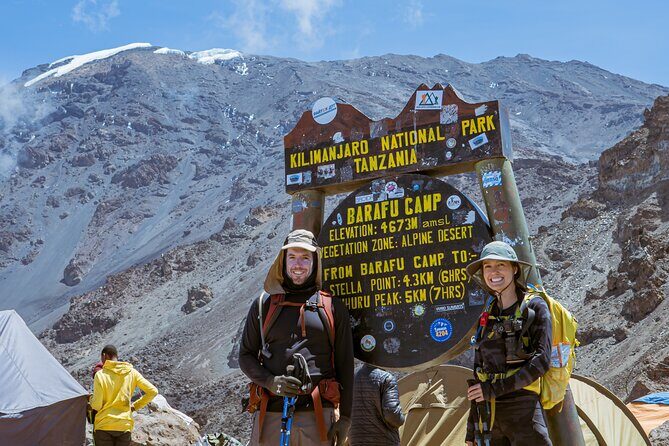
Kilimanjaro is physically brutal, but the emotional load is real too: fear, doubt, and the sheer monotony of walking uphill while the world shrinks. This tour leans hard into staffing quality and support.
In the review snippets, you’ll see names come up again and again:
- Meshaki and the wider team on a longer trek experience
- Godchance as an exceptional guide (mentioned with chef and waiter support)
- Karrimor and Mr. Dixon credited by summit-makers for getting them to the top
- Elias showing up in admin communication and helping reassure first-time travelers
I take that as a sign the company puts effort into relationships: responsiveness before you go, and hands-on guidance during the climb. The reviews also highlight chefs and porters keeping food and comfort tight, which is huge on summit day when appetite and energy are both precious.
It also helps that the tour includes fair wages for guides and porters, which is more than a moral note. When porters and guides are treated well, you usually see better energy, coordination, and care on the mountain.
Who should book this 6-day private Kilimanjaro tour
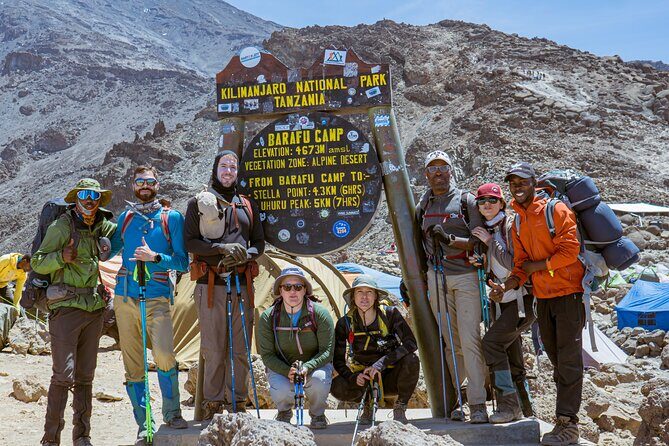
This fits you best if:
- You want a private tour where your group isn’t mixed with other hikers
- You’re taking altitude seriously and want oxygen, first aid readiness, and evacuation planning
- You value comfort details like warm tents, thick pads, and sleeping bags
- You can handle a tough day schedule, including a long summit push
You might want to think twice if:
- You’re looking for a relaxed hike or a short timetable
- You’re not ready for a midnight start and very long hours on Day 5
- Budget is extremely tight, since this price includes a lot of essentials
Should you book Nafika Tours for a 6-day Kilimanjaro summit attempt?
If you’re choosing between operators, I’d focus on a few things this tour clearly does well: safety planning with rescue oxygen, real camping comfort, and a route that supports acclimatization rather than rushing straight upward.
At $1,980, you’re paying for bundled logistics (private transport, hotel nights, meals, camping gear, treated water) and medical essentials (oxygen, first aid, rescue fees). For many people, that’s the difference between a stressful trek and one where you can concentrate on walking, pacing, and reaching the crater rim.
So my call: book this if you want a structured, safety-forward, comfort-supported Machame climb and you can commit to the hard summit day.
FAQ
How many days is the Kilimanjaro climb?
The tour is listed as 6 days (approx.).
Where do you start the hike?
You start from Machame gate.
Where do you finish the hike?
You finish at Mweka Gate.
Is pickup from Moshi included?
Yes, pickup is offered, and you’re picked up around 8:00 am on Day 1.
What is the summit day schedule like?
You are awoken at midnight with light tea and breakfast, then you climb to Stella Point at sunrise and continue to Uhuru Peak.
Is rescue oxygen included?
Yes, rescue oxygen is included on every climb.
What camping gear is provided?
All camping equipment is provided, including tents, sleeping pads, tables and chairs, plus sleeping bags.
Are meals included?
Yes. Breakfast, lunch, and dinner are included across the hike days, with breakfast and lunch included on Day 6.
Is treated water provided?
Yes, treated water is provided through the trek.
Is the visa included in the price?
No. The visa is listed as $50 per person.