REVIEW · MOSHI
8 Day Tanzania Family Safari
Book on Viator →Operated by Ndanda Tours Limited · Bookable on Viator
Kilimanjaro meets full-on safari action. This 8-day family safari based in Moshi takes you through Tarangire and Serengeti, then finishes at Ngorongoro Crater for one more big game-drive day. What I like most is the use of 4WD vehicles with pop-up roofs for strong spotting and better viewing from your seat. I also like that park entry fees and meals are handled, so you can spend your energy watching and not calculating.
One thing to consider: you’re covering serious distances over multiple days, and the experience depends on good weather. If conditions are poor, the operator may adjust your dates, so build in some flexibility if you can.
In This Review
- Key highlights to know before you go
- Moshi to the northern parks: why this route works
- Price and value: what $3,282.06 actually covers
- The safari vehicle and meals: the comfort you’ll notice first
- Day 1 at Tarangire: your first game drive starts the rhythm
- Day 2 Tarangire full-day game drive: more time means more chances
- Transfer toward Serengeti via Ngorongoro Conservation Area: the long road day
- Central Serengeti (Seronera) full day: when you want focused searching
- Northern Serengeti game drive: variety within Serengeti
- Great Migration full-day game drive: a big day, with natural uncertainty
- Transfer to Ngorongoro Conservation Area: setting up the crater day
- Ngorongoro Crater game drive plus transfer to Arusha: the grand finish
- Private family safari: why your group matters more than you think
- Guides and service quality: the human part that shows up in feedback
- Should you book this 8-day Tanzania Family Safari?
- FAQ
- Where does the tour start and what time?
- Is pickup included?
- What’s included in the price?
- What isn’t included?
- Is this a private tour?
- What happens if weather is poor?
Key highlights to know before you go
- 4WD with pop-up roof: you get higher sightlines for wildlife spotting during drives
- Private setup: only your group participates, which helps keep a family pace
- Tarangire + Serengeti + Ngorongoro: one route across the northern circuit instead of backtracking
- Full-day game drive blocks: you get more time than a quick in-and-out safari
- Great Migration day is planned: Day 6 is specifically labeled for this major event
- Meals and drinks included: mineral water plus tea/coffee are part of the package
Moshi to the northern parks: why this route works
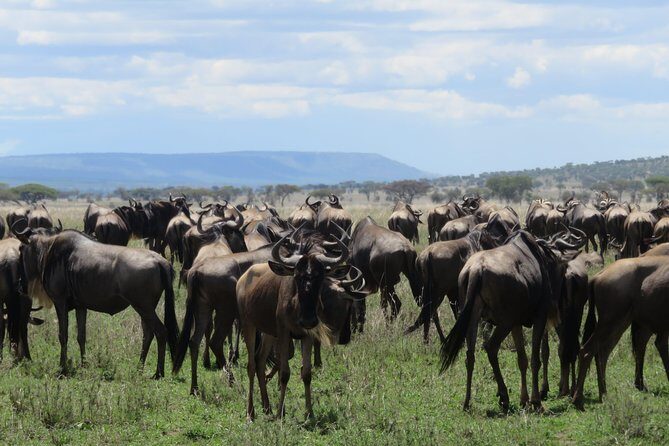
Starting from Moshi, you’re set up for the classic northern Tanzania safari sweep: Tarangire, then across to Serengeti (including Central and Northern areas), and finally out to Ngorongoro Conservation Area and the crater.
The big value here is time-on-location. Instead of bouncing between far-flung stops every few hours, the flow is built around full and focused game-drive days. That matters because wildlife spotting isn’t about speed. It’s about being in the right place long enough, then staying patient when sightings move.
For families, that also means you get clearer rhythm. Game-drive days are the main event, and the transfers are planned as blocks. You’ll still spend hours in the vehicle, but the schedule is built to make those hours count.
A few more Moshi tours and experiences worth a look


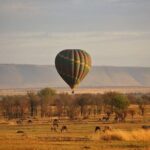
Price and value: what $3,282.06 actually covers
At $3,282.06 per person, this isn’t a budget safari. You’re paying for a fairly long, multi-park route plus the logistics that make safari days run smoothly.
Here’s what’s included that helps justify the cost:
- 4WD vehicles with pop-up roof
- All park entry fees
- Proper meals, plus mineral water and tea/coffee
When those are bundled, your day-to-day costs are simpler. You’re not constantly negotiating meals inside parks or scrambling for vehicle arrangements on the fly.
What’s not included matters too:
- Tips for guides and cooks
- Personal expenses
- International flights
- Any extended tours not spelled out in the package
So my advice is straightforward: if you’re choosing this because you want the core safari logistics handled, this package lines up with that goal. If you’re trying to keep spending ultra-low, you’ll feel the gap fast, mostly because multi-day, multi-park safaris cost money even when you travel lean.
The safari vehicle and meals: the comfort you’ll notice first
This tour is built on 4WD vehicles with pop-up roof. In plain terms: you get a higher viewing platform during game drives, which helps when animals are in the distance or when vegetation blocks lower sightlines. For families, that roof access is also a confidence boost. Everyone can see, and you’re less likely to miss the moment because you were sitting at the wrong angle.
Meals are also included, and that’s more important than it sounds. Safari days can be long, and hunger makes everything feel harder—spotting, patience, and even basic moods. Having proper meals plus mineral water and tea/coffee means you start the day with fewer worries.
You should still expect that you’ll be doing a lot of sitting and watching, so plan for comfort: light layers for temperature shifts, and whatever keeps you calm during long drives.
Day 1 at Tarangire: your first game drive starts the rhythm
Your safari begins with a Tarangire game drive. This first day is about orientation and settling into safari mode. You’ll be learning how your guide runs game drives, how long you’ll spend searching, and how sightings tend to come in waves rather than on a strict clock.
Even on a first day, this park placement is smart. You’re not immediately thrown into back-to-back transfers. Instead, you start with a drive and build from there.
What you’ll want to do: keep expectations realistic. The goal on Day 1 is to get your bearings, not to force a perfect wildlife checklist.
Potential drawback: if you arrive already tired (and many people do with early flight schedules), the first drive can feel like a lot. If you can, prioritize rest before you start moving through parks.
Day 2 Tarangire full-day game drive: more time means more chances
Day 2 is another Tarangire full-day game drive. This is where the itinerary shows its logic. Two days in the same area generally gives you more chances for repeat sightings and better luck when animals shift their patterns.
A full day also means you get time to adapt. If the first day’s conditions were a bit slow, Day 2 gives you a second shot without changing the whole plan.
For families, this is often the sweet spot: enough time to enjoy the experience without feeling rushed, but not so many consecutive hours that kids (or adults) feel permanently stuck.
One thing to keep in mind: full-day drives can mean long stretches in the vehicle. Bring a game plan for snacks and downtime within the structure of the day. Since meals are included, you can focus on comfort rather than hunting for food.
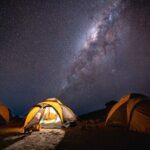
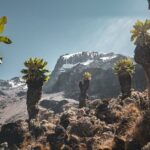
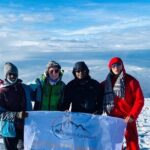
Transfer toward Serengeti via Ngorongoro Conservation Area: the long road day
On Day 3, you transfer to Serengeti via the Ngorongoro Conservation Area. This is one of the most important days to manage expectations. Transfers are when you’ll feel the weight of the “8 days” part of the trip.
The upside is that the transfer is not wasted time. It’s positioned as a planned segment of the route, meaning you’re moving efficiently between major wildlife zones.
What to watch for: travel days can be mentally slower than game drive days. The trick is to treat it like the “recharge” part of the safari. If you can settle into the vehicle rhythm and bring something that keeps everyone calm, the transfer becomes a bridge rather than a grind.
Central Serengeti (Seronera) full day: when you want focused searching
Day 4 is Seronera (Central Serengeti) full-day game drive. This stop matters because it’s a named base area in Central Serengeti, and that usually means your day is built around consistent searching and positioning.
In safari terms, base changes are big deals. When you return to the same zone day after day, you learn where sightlines open, where animals tend to appear, and how drives run. Even if you don’t know the area’s details, you’ll feel the benefit in the flow of the day.
For families: Central Serengeti full-day time gives you room for gradual excitement. You don’t have to catch everything in a single short window.
Consideration: a full-day game drive is still a full day. Bring patience for downtime between big moments, and let the day unfold.
Northern Serengeti game drive: variety within Serengeti
Day 5 shifts to Northern Serengeti game drive. This move gives you a different portion of Serengeti rather than repeating the exact same pattern.
The value of this kind of day is variety. Even when both areas are in the same overall ecosystem, wildlife behavior and movement can change by region. That means your viewing experience can feel different from Day 4.
How to get the most out of this day: stay alert but don’t panic-scan. Wildlife spotting often rewards slow, steady scanning over constant frantic movement.
Great Migration full-day game drive: a big day, with natural uncertainty
Day 6 is labeled Great Migration full-day game drive. This is the headline-style day in any northern Tanzanian plan, because the migration story brings a lot of emotion and attention.
Here’s the honest way to think about it: if timing lines up, this is one of the most exciting days you’ll have. If conditions make sightings harder, you’re still in a strong wildlife region with another full day to work.
Tip for your planning mindset: treat this day like a chance for peak moments rather than a guaranteed checklist event. Your guide’s job is to position the vehicle for the best opportunities, but nature controls the final outcome.
Also remember the tour is weather-dependent. If it’s canceled or adjusted due to poor weather, that could affect how your migration day plays out. The good news is the operator’s policy includes offering a different date or a full refund if poor weather is the reason.
Transfer to Ngorongoro Conservation Area: setting up the crater day
Day 7 transfers you to the Ngorongoro Conservation Area. This is another “bridge” day, but it’s specifically timed for what comes next: the crater game drive.
A successful crater day depends on timing and positioning, so Day 7 is about getting into the right area and settling the logistics so Day 8 runs smoothly.
Family perspective: use this day to reset. You’ll be moving again, and the next day is a major payoff moment.
Ngorongoro Crater game drive plus transfer to Arusha: the grand finish
Day 8 brings Ngorongoro Crater game drive and then a transfer to Arusha for the end of the tour.
Ending with the crater makes sense. By this point you’ve already built safari instincts: how the drives work, how sightings are found, and how your group handles long hours. The crater day is where many people hope the safari clicks into that unforgettable final chapter.
For logistics, the Arusha transfer is practical. You get a clear end point instead of an abrupt stop in the middle of nowhere.
What you’ll likely remember most: not just the wildlife, but the whole arc—Tarangire to Serengeti to the crater—each place with its own pace and feel.
Private family safari: why your group matters more than you think
This is a private tour/activity, meaning only your group participates. For families, that can be a big deal.
Private usually means:
- the driver and guide can adjust how they pace the day
- you’re not forced to sync with strangers’ schedules
- your comfort needs can be handled within reason
It also matters for patience. Wildlife drives can be unpredictable. When you’re not managing a mixed group with different expectations, your family can stay calmer and enjoy the process.
You’ll also start at Kilimanjaro Airport. The tour information lists 12:00 am as the start time. That’s a detail you should double-check when you get your confirmation, since it can affect whether you’re planning for a late arrival or an early departure day.
Guides and service quality: the human part that shows up in feedback
In the feedback for Ndanda Tours Limited, one name comes up in a positive way: Godlove, described as a driver who quickly became a friend, with strong competence and a warm approach. Another name that shows up for safari operators sending groups is Goodluck, noted for long experience, deep wildlife and bird knowledge, and passion for the land.
You should treat individual guide names as a bonus rather than a guarantee. But the pattern is what matters: this operator seems to prioritize capable guides who know how to run a safari day and still keep the mood friendly for families.
That’s the kind of service you feel most during the tough moments—when you’re waiting, when the drive is long, and when nature is doing its own thing.
Should you book this 8-day Tanzania Family Safari?
I’d book it if you want a classic northern Tanzania route with real time on game drives and a package that already covers the big costs like park entry fees and meals. It’s especially strong for families who want a private experience and don’t want to spend the trip managing logistics.
I’d pause and ask more questions before booking if you know you’ll struggle with:
- long days in a vehicle across multiple parks
- weather sensitivity, since the experience requires good conditions
- a midnight-style start time shown in the details, which could be inconvenient depending on your flights
If you’re flexible, enjoy the slow-and-steady safari rhythm, and want your days to feel planned rather than improvised, this itinerary is a solid match.
FAQ
Where does the tour start and what time?
The tour start point is Kilimanjaro Airport (and the details also list Kilimanjaro National Park Tanzania). The start time is shown as 12:00 am.
Is pickup included?
Pickup is offered as part of the experience.
What’s included in the price?
Included are 4WD vehicles with pop-up roof, all park entry fees, and proper meals with mineral water plus tea/coffee.
What isn’t included?
Not included are tips for guides and cooks, personal expenses, international flights, and any extended tours not specified in the main package.
Is this a private tour?
Yes. It’s listed as a private tour/activity, so only your group participates.
What happens if weather is poor?
The experience requires good weather. If it’s canceled due to poor weather, you’ll be offered a different date or a full refund.