REVIEW · MOSHI
Kilimanjaro Marangu Route 6 Days
Book on Viator →Operated by Kilimanjaro Brothers · Bookable on Viator
Kilimanjaro’s Marangu Route has a way of feeling more manageable than people expect, especially on a 6-day plan. I like that this climb is built around simple, predictable hut stops (Mandara, Horombo, Kibo) and clear daily structure, with all meals handled for you. I also really value the safety layer included here: VHF radios, emergency oxygen tanks, a Gamow Bag hyperbaric chamber, and a pulse-oximeter to track oxygen levels. One drawback to plan for: the summit day (the big push from Kibo area) starts before midnight and is long, so you need to be ready for a brutal-but-fair schedule.
This is the “easier” Kilimanjaro option for a reason. The trail is famous for its steady grade and hut-based comfort compared with routes that are fully tent-based. If you’re the kind of climber who wants support, warm logistics, and a guided plan that keeps you focused on altitude and pacing, you’ll probably appreciate how this one is run by Kilimanjaro Brothers.
In This Review
- Key highlights worth marking on your map
- Moshi basecamp and a route that’s built for consistency
- Day 1: Marangu Gate to Mandara Hut in the rainforest
- Day 2: Mandara to Horombo Hut and the first real views
- Day 3: Extra acclimatization near Mawenzi, plus Zebra Rocks
- Day 4: The Saddle to Kibo Hut, lunar-desert vibes and an early night
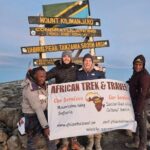
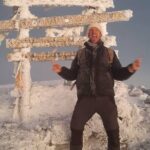
- Day 5: Pre-midnight summit push to Gillman’s Rim and Uhuru Peak
- Day 6: Horombo down to Mandara and back to Marangu Gate
- What you’re really paying for: value, safety, and comfort
- The guide team vibe: organized, structured, and human
- Who should choose the Marangu 6-day route (and who should think twice)
- Small but important practical tips before you go
- Should you book Kilimanjaro Brothers Marangu Route 6 Days?
- FAQ
- Where does the trek start and end?
- How long is the Kilimanjaro Marangu route on this package?
- What overnight huts will I sleep in?
- Are meals included while on the mountain?
- What safety equipment is included?
- Is there running water at Kibo Hut?
- Do I get porter help for the summit?
- What’s not included in the price?
- Is it a private tour?
Key highlights worth marking on your map
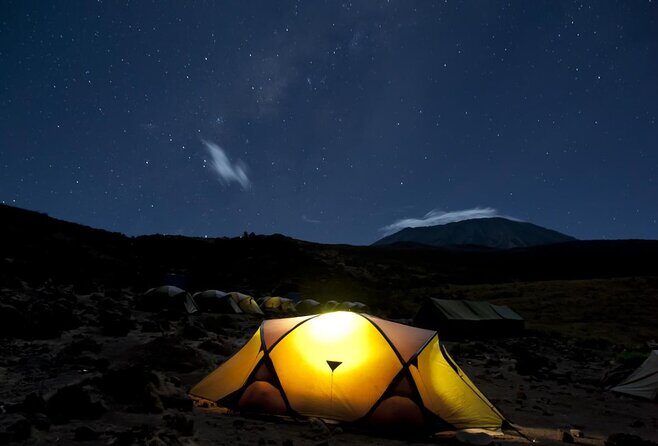
- Hut-based route: overnight in classic Kilimanjaro huts instead of camping tents
- Safety gear included: VHF radios, pulse-oximeter, emergency oxygen tanks, and a Gamow Bag
- Warm-water routine: warm water for washing each day plus purified drinking water
- Real acclimatization time: an extra day at Horombo helps you adjust at altitude
- Summit day support: a porter carries your day-pack during the summit attempt
- Comfort after you come down: transfer to Mountain Inn for dinner and celebration night
Moshi basecamp and a route that’s built for consistency
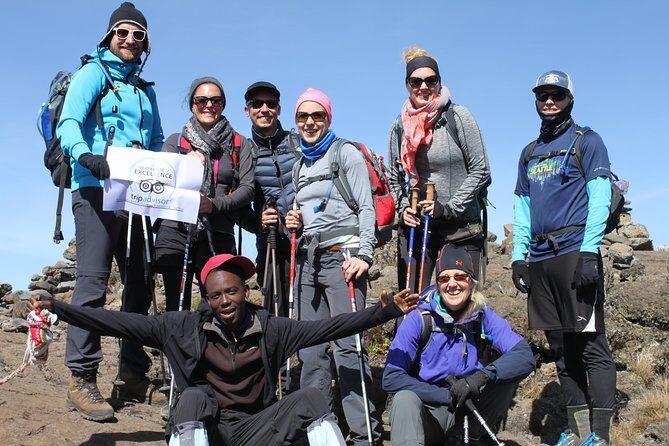
You start the experience in Moshi, Tanzania, with arrival and departure transfers handled, plus hotel time before and after the trek. That matters more than people think. Kilimanjaro is as much about timing as it is about fitness. Getting a calm setup before you hit the mountain helps you sleep, eat normally, and show up mentally ready.
The Marangu Route is one of the most popular ways up Kilimanjaro because it’s designed to be practical: huts, simpler dining, and rooms rather than tents. It’s also known as one of the easier options due to the moderate slope. That doesn’t mean it’s easy. Altitude is still altitude. But it does mean your day-to-day is less chaotic.
Kilimanjaro Brothers also runs this as a private experience for your group. Even if you’re traveling with a small circle of friends, you won’t be shuffled into some giant mixed crowd. You can focus on your pace, your gear, and your plan.
A few more Moshi tours and experiences worth a look
Day 1: Marangu Gate to Mandara Hut in the rainforest
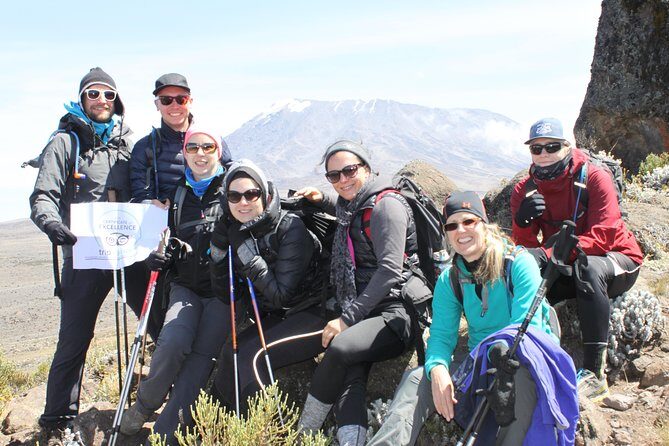
Your climb begins at Marangu National Park gate after the formalities. Then you walk into tropical rainforest, which is a real gift on Day 1. Rainforest weather is often damp, but it also gives you a steady rhythm. The goal here is not heroics. It’s getting your body working while you stay controlled and comfortable.
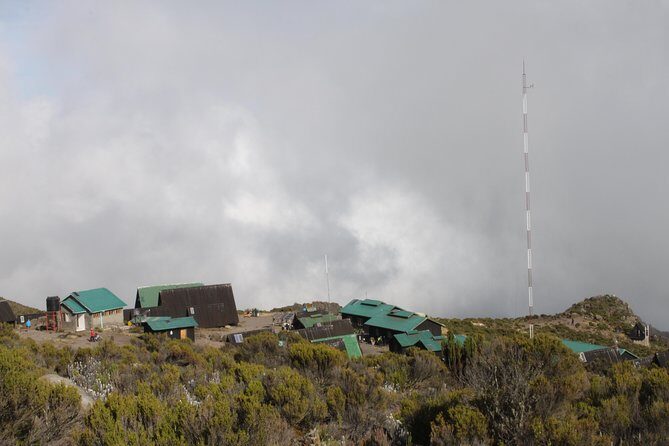
You’ll reach Mandara Hut around 2,700 meters for dinner and overnight. The walking time listed is about 5–6 hours. Even if you feel strong, resist the urge to “win” Day 1. This is where you build good habits: steady steps, slow breathing, and drinking water early rather than waiting until you’re already behind.
One practical plus: the package includes clean, purified drinking water and warm water for washing every day, so you’re not just raw-dogging the trek with no recovery time.
Day 2: Mandara to Horombo Hut and the first real views
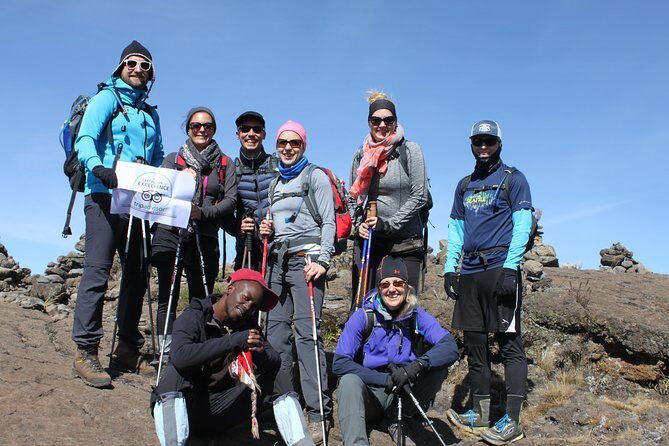
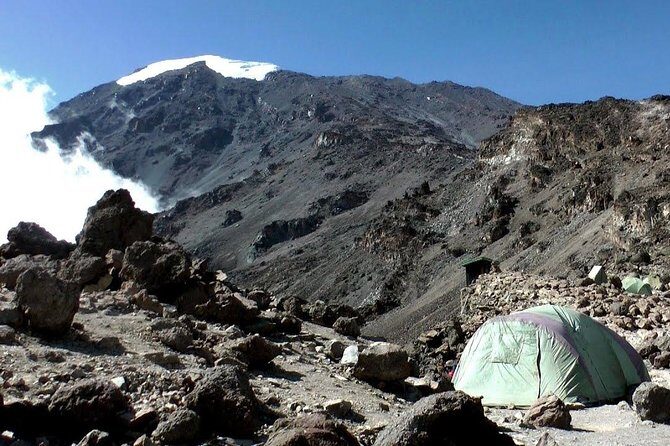
Day 2 starts with a steep ascent through forest, then the trail opens into moorland. This is where you start getting that classic Kilimanjaro moment—if the weather is clear, you can see Kibo and Mawenzi peaks. It’s a “yes, this is real” view.
You’ll hike to Horombo Hut at about 3,720 meters, arriving mid-afternoon. The schedule calls for 4–6 hours walking. That mid-afternoon arrival is useful. You’re not just stumbling into camp exhausted. You can relax, eat, and let your body start adjusting before the next altitude jump.
Horombo is also where the atmosphere shifts from lush rainforest toward cooler highland feel. It’s one of those days where your body starts working harder, even if your legs still feel okay.
Day 3: Extra acclimatization near Mawenzi, plus Zebra Rocks
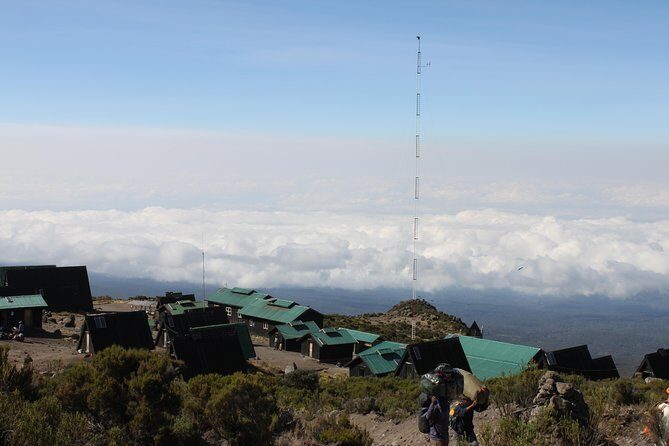
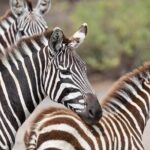
Day 3 is about acclimatization, and I love when a Kilimanjaro plan respects altitude instead of pretending you can skip the hard part. You walk toward the Mawenzi hut area, passing Zebra Rocks—a named landmark that helps you track progress and keeps the hike from feeling like one long slog.
This day and night are designed as additional adjustment at Horombo, not a straight “go higher and higher” grind. The day is listed as about 6 hours, covering the move toward the Mawenzi side and back into the acclimatization pattern.
You’ll also have meals provided at Horombo. That might sound minor, but on Kilimanjaro it’s huge. Food timing affects energy, and energy affects how you sleep. Better sleep helps acclimatization, and acclimatization helps you keep moving without panic when altitude hits.
My practical advice: keep walking slowly, drink enough water, and don’t try to outpace the mountain. You can always go faster later. At altitude, you can’t always undo mistakes.
Day 4: The Saddle to Kibo Hut, lunar-desert vibes and an early night
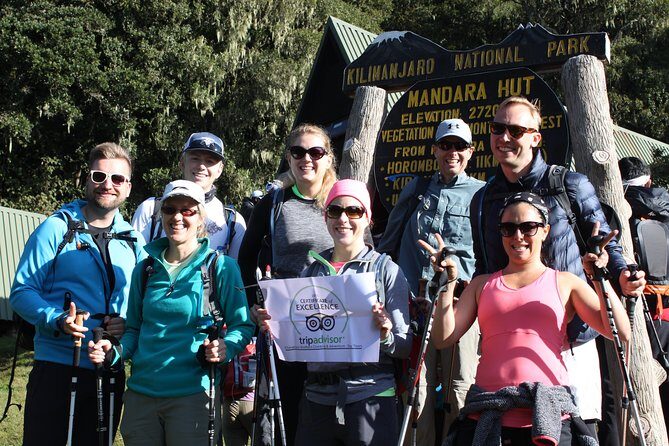
Now you’re moving into the higher, colder world: low alpine to high alpine, and then the approach toward the Saddle between Mawenzi and Kibo. This section is described as gradual climbing toward a lunar desert feel. If you’ve ever seen photos where the terrain looks almost extraterrestrial, this is the vibe.
You’ll hike about 4–6 hours (the day is sometimes described as 6–7 hours at a slow pace), reaching Kibo Hut around 4,700 meters. The big idea is steady movement. This is not a day to race to a number. It’s a day to protect your summit energy.
Important detail: there is no running water at Kibo Hut. That’s not a reason to worry, but it is a reason to plan how you’ll wash, hydrate, and manage comfort. Warm water is included daily in the package, but Kibo’s specific water limitation is called out, so don’t assume everything will feel the same at every stop.
The rest of Day 4 is about preparation for the final ascent. You’ll spend the day relaxing and then setting up for an early night, because the real work starts near midnight on Day 5.
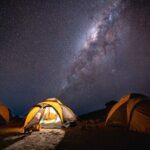
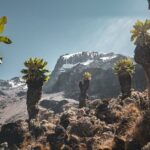
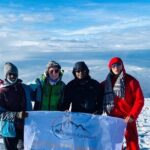
Day 5: Pre-midnight summit push to Gillman’s Rim and Uhuru Peak
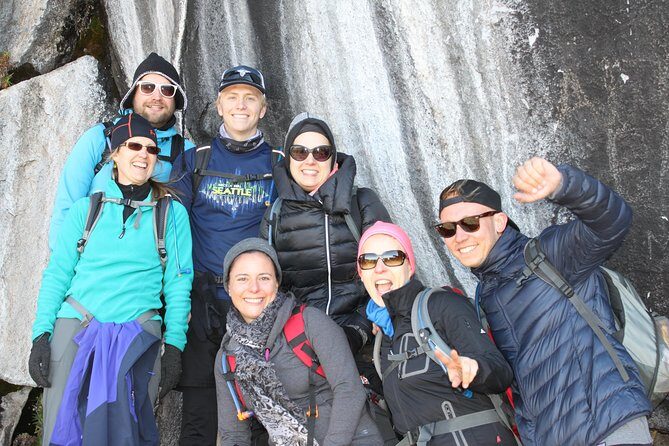
This is the day. It’s long and it’s intense, and it starts in the dark. You’ll wake before midnight and begin a steep climb over loose volcanic screed. The trail includes well-graded zig-zags, which helps you find a rhythm even when your legs are burning.
You’ll aim for the rim of the main crater area at about Gillman’s 5,685 meters. You stop there for a few minutes—mainly to watch the sunrise over Mawenzi. I love this timing because it gives you a moment of real meaning right when your body wants to switch off.
From the rim, you have the option to continue on for the round trip to Uhuru Peak (5,895 meters), described as about a 3-hour round trip along the crater rim. Uhuru Peak is the highest point in Africa, and this is the moment most people came for.
Then comes the big come-down. You’ll descend back to the Kibo Huts for refreshment and continue down to Horombo Hut. The walking time for Day 5 is listed as about 13 hours, so you need to treat it like a marathon, not a sprint.
One key support detail: during the summit attempt, you’ll have a porter who carries your day-pack. That can be the difference between feeling like you’re carrying everything and feeling like you can focus on your own breathing and pacing.
Day 6: Horombo down to Mandara and back to Marangu Gate
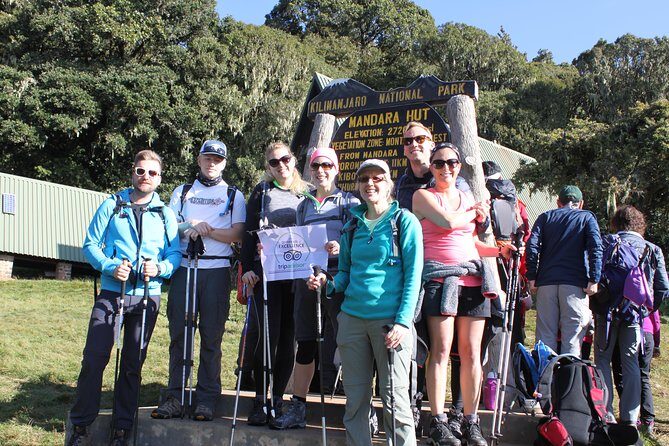
After the summit, Day 6 is about safe movement downhill and celebration that doesn’t feel rushed. You descend past Mandara huts to Marangu National Park gate, with walking time listed at 6–7 hours in the rainforest zone.
Successful climbers receive summit certificates at the gate. That’s a nice finish line—something official to hold, and a moment to realize the long nights and cold air were worth it.
Then you transfer to Mountain Inn for dinner, summit celebration, and overnight. It’s an important last step because it turns the experience from “survive the mountain” into “you’re back on your feet.”
What you’re really paying for: value, safety, and comfort
At $2,179.49 per person for a roughly 6-day Kilimanjaro experience, the price is not “cheap.” But it’s also not just a guided walk. It’s a full system: meals, hut lodging, transport, and safety coverage.
Here’s where the value shows up:
- Meals and lodging are handled. All meals on the mountain are included, with full board listed (bed, breakfast, lunch, dinner). That means fewer money surprises and fewer decision points.
- Safety gear isn’t optional. Emergency oxygen tanks, VHF handheld radios carried on each trek, a Gamow Bag (hyperbaric chamber), rescue fees on the mountain, and a pulse-oximeter to measure oxygen levels. That’s the kind of support you want before altitude makes decisions for you.
- You get daily recovery basics. Warm water for washing every day and purified drinking water. Those small comforts help you sleep, and sleep helps acclimatization.
- You’re not staring at blank logistics. Arrival and departure transfers and transportation in the destination location are included, plus two nights classic standard hotel accommodations (one before and one after the trek) with bed and breakfast.
Also worth noting: government tax and park entrance fees are included, plus fair and ethical treatment of porters. That’s not a luxury detail—it’s part of what keeps mountain operations working the right way.
The one category that’s clearly on you: tips. Also, you’ll need Tanzania visa on arrival and pay personal expenses like laundry, phone use, and beverages if you choose them. Optional safari add-ons are also not included.
The guide team vibe: organized, structured, and human
There’s a practical tone to this operation. A named company leader, George Mtaki (Director of Sales and Marketing), is referenced as introducing the trip the evening before and supporting the overall experience. That’s a sign the company takes coordination seriously, not just day-of trekking.
The mountain side includes experienced professional English-speaking mountain guides and rescue-focused support equipment. On Kilimanjaro, the best guide isn’t the one who talks the most—it’s the one who keeps you moving at the right pace, manages altitude risk, and keeps the team communicating when weather or bodies change.
The private-group structure also matters for feel. If you’re not sharing the experience with random people you didn’t choose, it’s easier to settle into a routine.
Who should choose the Marangu 6-day route (and who should think twice)
This plan suits you if:
- You want a hut-based Kilimanjaro experience with simpler overnight living.
- You value meals included and warm-water recovery basics.
- You want a plan that builds in acclimatization time (that extra Horombo night on Day 3).
- You’re aiming for the “more manageable” route style due to its moderate slope.
You might think twice if:
- You hate early mornings and don’t handle long intense days well, because Day 5 is a pre-midnight summit push and runs about 13 hours.
- You expect hotel-level plumbing at every hut. Kibo Hut has no running water, and that’s something you should mentally accept now, not on arrival.
Small but important practical tips before you go
You don’t have to guess what to do every minute here, but you do need to show up prepared.
- Plan for cold at altitude, especially for the summit push that happens in the dark.
- Take pacing seriously. The route includes both gradual climbs and the steep scree section—your goal is steady effort, not speed contests.
- Keep hydration and eating consistent. The plan includes clean drinking water and full meals, but you still have to drink and eat.
- Budget for what’s not included: tips, Tanzania visa on arrival, and personal expenses.
Also: since the trek starts at Marangu National Park gate and you’ll have a hotel stay before and after, you’ll want to time your flights so you don’t feel rushed when you arrive in Moshi.
Should you book Kilimanjaro Brothers Marangu Route 6 Days?
If you want an organized, safety-forward Kilimanjaro climb with huts, full meals, and real acclimatization time, I think this is a solid choice. The inclusion of oxygen support, a Gamow Bag, pulse-ox monitoring, and VHF communication is the kind of checklist that reduces anxiety—and on Kilimanjaro, reducing anxiety helps you focus on breathing and pacing.
Book it if your “ideal Kilimanjaro” is structured and supportive: rainforest Day 1, highland progression, a thoughtful extra acclimatization night, then a sunrise-driven summit attempt from Kibo toward Gillman’s Rim and Uhuru Peak.
Pass or compare if you’re looking for a more minimal, do-it-yourself feeling, or if the idea of a very long summit day starting before midnight sounds like misery. Also, if running water at every stop is a dealbreaker, the Kibo Hut detail is worth respecting.
If you tell me your fitness level, typical hiking pace, and what kind of accommodation comfort you expect, I can help you decide whether Marangu’s hut approach matches your style—or suggest another route that better fits your comfort level.
FAQ
Where does the trek start and end?
The climb starts at Marangu National Park gate and finishes back at Marangu Gate. After descending, you’re transferred to Mountain Inn for dinner, summit celebration, and overnight.
How long is the Kilimanjaro Marangu route on this package?
It’s listed as 6 days approximately, with 5 nights in the mountain area mentioned as the common plan (it also notes the route can run as 5 days/4 nights in the mountain).
What overnight huts will I sleep in?
You’ll overnight at Mandara Hut, Horombo Hut, and Kibo Hut. After the summit day, you descend back to Kibo for refreshment and then to Horombo again before the final descent.
Are meals included while on the mountain?
Yes. All meals on the mountain are included, listed as full board (lunch and dinner) along with bed, breakfast, lunch, and dinner throughout the mountain portion.
What safety equipment is included?
Emergency oxygen tanks, VHF handheld radios carried on each trek, a Gamow Bag hyperbaric chamber, rescue fees on the mountain, and a pulse-oximeter to measure oxygen level are included.
Is there running water at Kibo Hut?
No. The information provided specifically states there is no running water at Kibo Hut.
Do I get porter help for the summit?
Yes. A porter carries your day-pack during the summit attempt.
What’s not included in the price?
Not included are tips, Tanzania visa on arrival, and personal expenses such as laundry, telephone, and beverages. Optional tours after your climb are also not included.
Is it a private tour?
Yes. It’s described as a private tour/activity where only your group participates.