REVIEW · ARUSHA
3-Day Tarangire, Ngorongoro Crater, Manyara Park
Book on Viator →Operated by Lappet Faced Safaris · Bookable on Viator
Three days, and Tanzania hits hard. This safari stitches together Tarangire’s elephant-rich river country with the drama of Ngorongoro Crater, then finishes at Lake Manyara for the famous tree-climbing lions and top-notch birdlife. I like how the pace is fast enough to feel like a real safari, but not so rushed that you’re staring at the clock all day.
Two big wins for me are the chance to see standout wildlife in very different settings, and the convenience of having private transportation plus meals lined up across the three days. One thing to consider: it’s an intensive ride. You’ll be in the vehicle for long stretches, so comfy seating and patience matter.
In This Review
- Key Highlights You’ll Actually Notice
- Entering The Safari Loop: Arusha Start, 3 Parks in 3 Days
- Tarangire National Park: Elephants, Baobabs, and a River That Runs Year-Round
- What you can do with the timing
- Drawback to keep in mind
- Ngorongoro Conservation Area: Crater Views and the Black Rhino Connection
- Why the crater setup is such good value
- Your best mindset
- Lake Manyara National Park: Tree-Climbing Lions and a Birdwatcher’s Dream
- What you’re likely to see
- One consideration
- Timing, Drives, and What Private Transport Changes
- The real question: does “private” mean better sightings?
- Meals Included: Fuel for Game Drives Without Extra Planning
- What this means for you on the ground
- Price and Value: Is $1,640 Fair for This 3-Park Mix?
- My practical take
- Communication and Comfort: The Human Side That Affects the Whole Trip
- Who This Safari Fits Best (and Who Might Rethink)
- Should You Book This 3-Day Tarangire, Ngorongoro, Manyara Safari?
- FAQ
- Where does the safari start and end?
- What time does the tour start?
- Which parks are included in the 3 days?
- Is pickup included?
- Are park admission tickets included?
- What meals are included?
- Is this a private tour?
- How long is the safari?
- What isn’t included in the price?
- What is the cancellation cutoff for a full refund?
Key Highlights You’ll Actually Notice
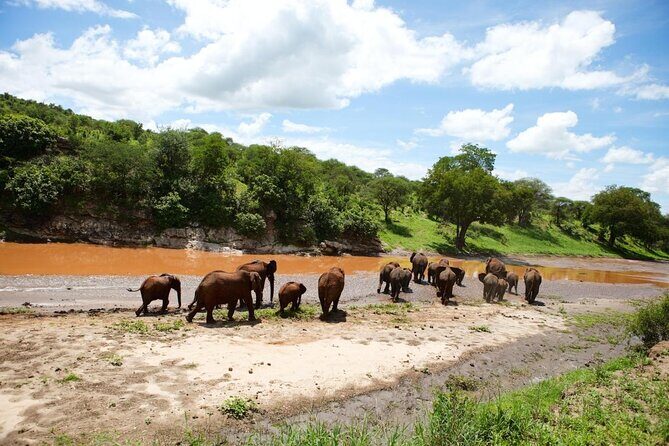
- Tarangire River game viewing: elephants, zebras, and other herbivores drawn to a year-round water source
- Ngorongoro from an open-top vehicle: crater views plus opportunities to spot Big Five species, including black rhino
- Lake Manyara’s tree-climbing lions: a rare behavior in a park that also shines for birdwatching
- Big meals included for safari days: breakfast, lunch, and dinner are part of the package
- Private tour feel: only your group participates, with pickup offered from Arusha
Entering The Safari Loop: Arusha Start, 3 Parks in 3 Days
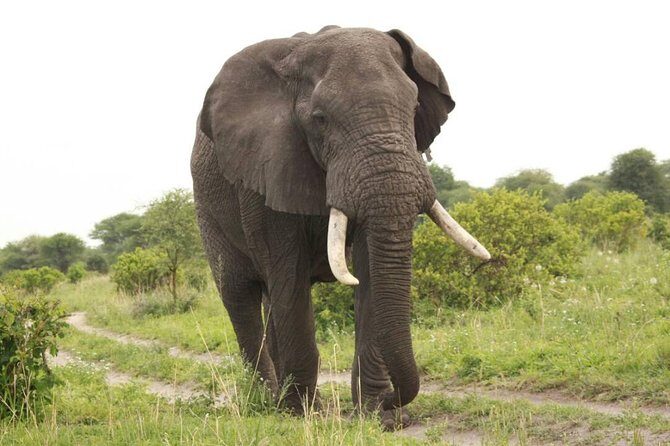
This is a classic Northern circuit-style sampler, with a straightforward start in Arusha at 8:00 am. You’ll be picked up (pickup is offered), ride in private transport, and then bounce between parks each day. The total duration is about three days, and each day runs around six hours of safari time—enough to get meaningful wildlife without pretending you’re staying in the park all day.
Because the tour ends back at the meeting point, you’re not left scrambling for logistics at the end. That matters in safari travel, where timing can get weird fast. You’ll keep things simple: meet, drive, game drive, meals, then return.
One more practical note: you’ll want to plan your Tanzania days around this. Accommodation before and after the safari isn’t included, so you should already have your Arusha lodging handled for the nights outside the tour.
A few more Arusha tours and experiences worth a look
Tarangire National Park: Elephants, Baobabs, and a River That Runs Year-Round
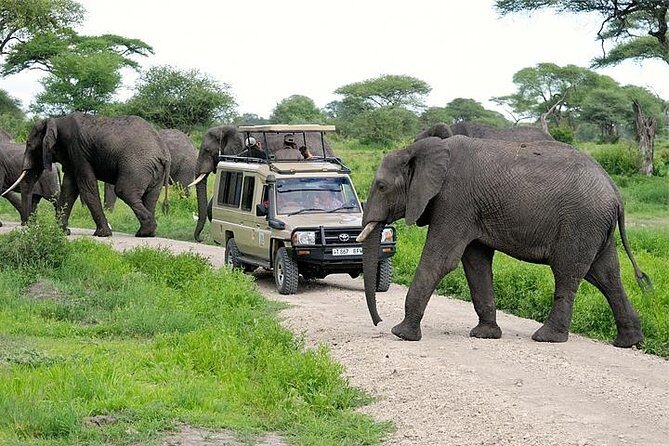
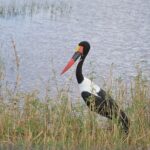
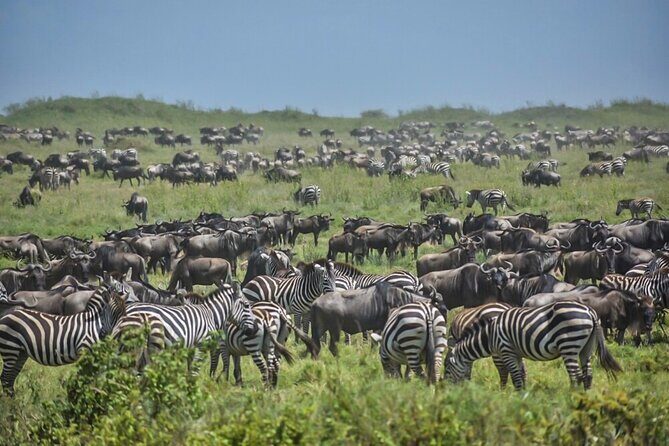
Tarangire is the first day, and it sets the tone with golden savannah and the Tarangire River. The river is described as running throughout the year, which is a huge deal in the dry season. When water stays put, animals don’t just wander—they congregate. That increases your odds of steady sightings rather than getting only occasional glimpses.
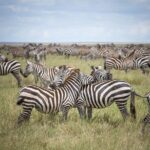
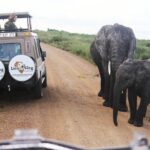
Expect a game drive through open country lined with acacia and baobab trees. This is classic safari scenery, but the practical value is how it concentrates life around the river system. Elephants are a highlight here, along with zebras and antelopes that use the same water corridor.
What you can do with the timing
You depart Arusha after breakfast and then drive in for roughly two hours before you start the park experience. That’s a reasonable start—long enough to feel like you’re really leaving the city behind, but not so far that Day 1 becomes all transit.
Drawback to keep in mind
Tarangire is elephant country, but it’s not a guaranteed every-minute action park. If your expectation is constant wildlife close-up, calibrate to “probable big sightings” rather than “continuous spectacle.” The payoff is that when animals do show up, they often show up in numbers.
Ngorongoro Conservation Area: Crater Views and the Black Rhino Connection
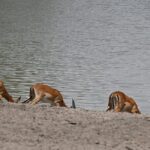
Then comes the real headliner: Ngorongoro Crater. It’s famous for a reason. In one place, you get a tight ecosystem where predators and prey overlap. The tour specifically calls out over 120 mammal species in the conservation area, including the Big Five, plus the chance to see endangered black rhinoceros and large numbers of hippopotamus.
The best part, from a visitor standpoint, is that you’re viewing from the comfort of an open-top vehicle. That matters for photography and for that “you’re in the thick of it” feeling—no glass barrier cutting down your sightlines.
Why the crater setup is such good value
A crater is a natural bowl. That geography tends to create predictable wildlife movement compared with more scattered habitats. You’re not just scanning endless distances; you’re working with a wildlife “stage” that draws animals into a smaller area.
The tour notes predators are present, too. If you’re lucky, you’ll catch that classic safari combo: herbivores feeding out in the open while predators patrol nearby. Even when you don’t see a full chase sequence, you can still get strong, recognizable behavior—feeding, resting, watching, and occasional tension between species.
Your best mindset
In Ngorongoro, your best tool is patience. The sightings are often concentrated, but timing can still be everything. I’d treat the drive as part of the show: the crater scenery plus the sense of scale helps you stay engaged even when you’re waiting for the next animal to step into view.
Lake Manyara National Park: Tree-Climbing Lions and a Birdwatcher’s Dream
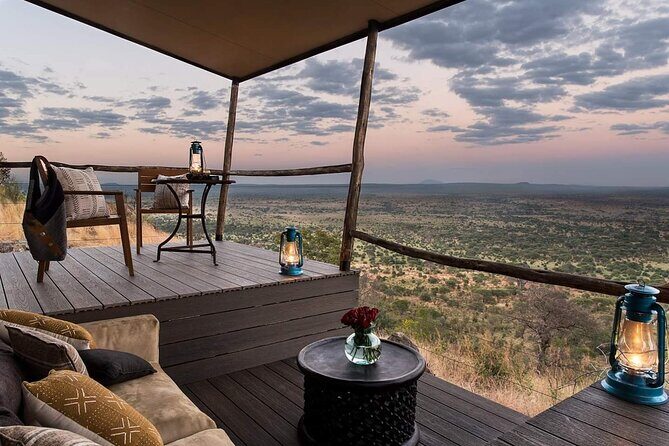
Lake Manyara is a contrast day—in the best way. The park is described as a “photographer’s playground,” and it’s known for game viewing that can be excellent if you’re ready to work the breaks in the day.
Two standout themes are repeatedly emphasized:
- Tree-climbing lions, which are a special treat compared with more typical ground-based lion sightings
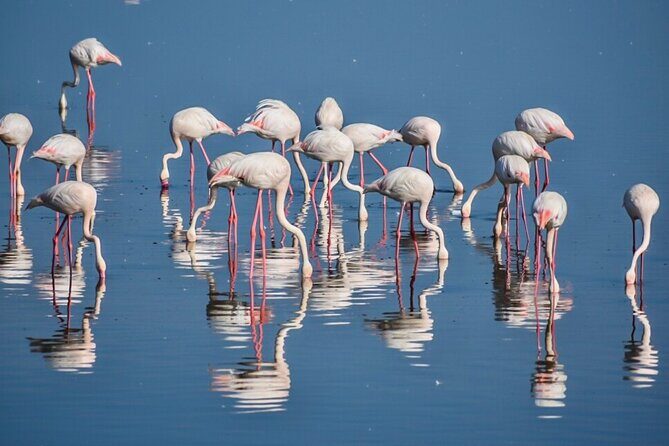
- Birdwatching, with a wide variety of birds including flamingo flocks and the lilac-breasted roller
That last detail is practical for you because it gives a concrete target. If you’re the sort of person who gets excited by seeing “that one color pattern” in the wild, Lake Manyara is a great place to feed that habit.
What you’re likely to see
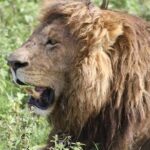
The tour highlights well-known animals overall, but it specifically calls out those tree-climbing lions. It also points to birds of prey and flamingos. In other words, it’s not just land mammals; the park rewards you for looking up and scanning edges of the water and trees.
One consideration
This park day is also a finish. You’ll likely be tired by then—after Tarangire and Ngorongoro, who wouldn’t be? Lake Manyara still delivers, but you’ll get more out of it if you manage expectations for energy and bring your focus back into the moment.
Timing, Drives, and What Private Transport Changes
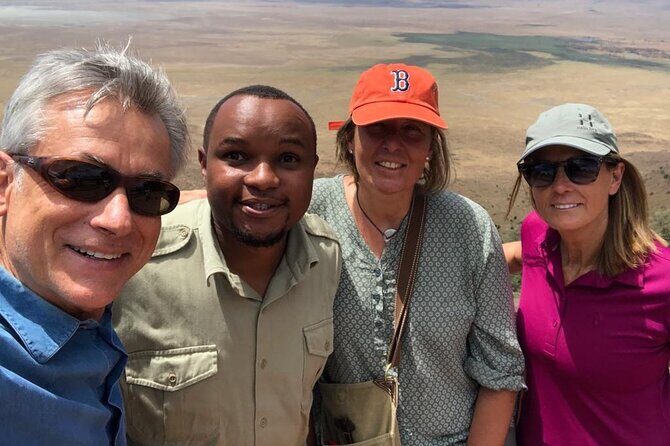
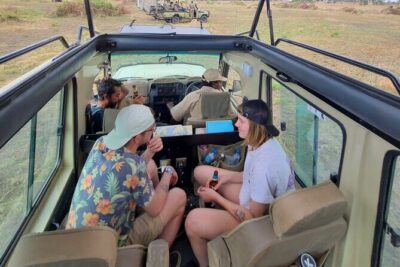
This tour runs with private transportation, and it’s a private tour/activity, meaning only your group participates. That matters for comfort and pacing. In a shared group, you can end up compromising on where and how long you stop for wildlife. Here, your driver guide can keep things aligned to your group.
The itinerary also suggests solid day structure:
- Depart after breakfast each day
- Spend about six hours with the park experience
- Return to Arusha on Day 3 in the afternoon
Even though you’re only in each park for part of the day, you get a real sweep of Tanzania’s Northern wildlife themes—river elephants, crater mammals, and a bird-and-lion day.
The real question: does “private” mean better sightings?
Not automatically. Wildlife is wildlife. But private transport tends to improve the experience quality: fewer waiting moments, less negotiating, and more flexibility when you’re trying to line up your time with animal activity.
Meals Included: Fuel for Game Drives Without Extra Planning
Meals are one of the most undervalued parts of safari value. This package includes:
- Breakfast (3)
- Lunch (3)
- Dinner (3)
- Non-alcohol
That’s a big deal because safari days are long and food costs can add up fast once you’re out in the bush. Having meals built in lets you focus on wildlife and photos instead of trying to hunt for food at the worst time—like right when you finally find a herd.
What this means for you on the ground
You’ll avoid the “where do we eat now?” scramble. It also helps you keep your energy stable across days, especially when you’re bouncing between ecosystems with different temperatures and light.
Price and Value: Is $1,640 Fair for This 3-Park Mix?
At $1,640 per person, the price isn’t small. So here’s the value math I’d use.
You’re paying for:
- Multiple national park experiences across three major areas
- Private transportation throughout the safari period
- Three breakfasts, three lunches, and three dinners
- Admission tickets included
- Pickup from Arusha
What you’re not paying for includes international and domestic flights, visa, tips, and accommodation before and after. That means the safari price is mostly about the in-country service: driving, park access, and meals.
So the question becomes: does this bundle save you headaches versus booking everything separately? For most people, it does. Park fees and coordinated timing are not fun to DIY. Plus, a private safari is typically where your experience quality lives or dies.
My practical take
If you want a well-organized 3-day itinerary that covers three big wildlife identities—Tarangire elephants, Ngorongoro crater mammals, Lake Manyara lions and birds—this price can be fair. If you’re trying to cut corners hard, you’d need to rebuild logistics yourself and accept more uncertainty.
Communication and Comfort: The Human Side That Affects the Whole Trip
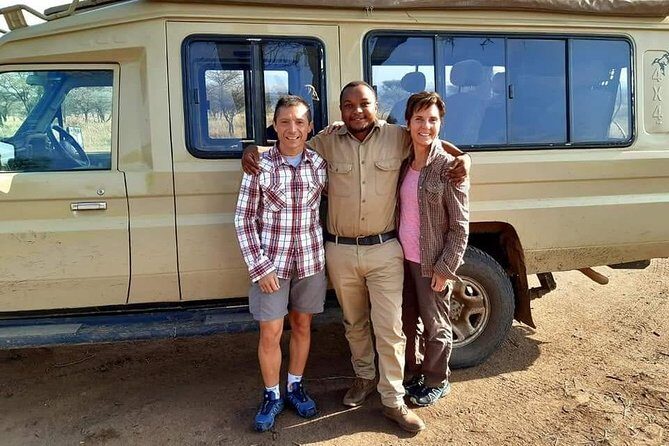
One thing you can’t see from an itinerary is how the team handles the start and the handoffs. The information here points to quick, uncomplicated communication and a warm welcome when you arrive. It also highlights that the driver guides are central to a great safari experience.
A key name that comes up is Fransisco. When a provider is responsive before you even start driving, you tend to feel calmer from day one. And on safari, calm matters. It helps you enjoy the ride, not just survive it.
Who This Safari Fits Best (and Who Might Rethink)
This experience is a strong match if you:
- Want three different parks in three days without planning every detail
- Care about both mammals and birds (Lake Manyara is a real plus)
- Prefer a private format where your group is the priority
- Are okay with being in the vehicle for long stretches
It may not be ideal if you:
- Want a super relaxed, low-driving pace
- Are hoping for accommodation included in the price (it isn’t)
- Plan to travel without budgeting for tips, visa, and flights (those are not included)
Good to know: most travelers can participate, and children must be accompanied by an adult.
Should You Book This 3-Day Tarangire, Ngorongoro, Manyara Safari?
If your goal is a high-impact Northern Tanzania snapshot—with solid wildlife targets and minimal logistics stress—this is a booking-worthy option. The included meals and admission tickets help it feel like a real package, not a “pay more later” plan.
I’d book this if you’re excited by:
- Tarangire’s elephant and river concentration
- the crater experience at Ngorongoro, including the chance to see black rhino and hippos
- Lake Manyara’s tree-climbing lions and birdwatching
I’d pause if you need a slower pace, or if you already know you’ll want lots of time outside safari days for other activities without separate planning.
FAQ
Where does the safari start and end?
It starts in Arusha, Tanzania, and the activity ends back at the meeting point.
What time does the tour start?
The start time is 8:00 am.
Which parks are included in the 3 days?
The safari covers Tarangire National Park, Ngorongoro Crater in the Ngorongoro Conservation Area, and Lake Manyara National Park.
Is pickup included?
Yes. Pickup is offered, and the tour starts in Arusha.
Are park admission tickets included?
Yes. Admission tickets are included for each of the park days listed.
What meals are included?
Breakfast, lunch, and dinner are included for three days. Non-alcohol is also included.
Is this a private tour?
Yes. It’s a private tour/activity, and only your group participates.
How long is the safari?
It’s listed as 3 days (approximately).
What isn’t included in the price?
International flight, domestic flight, tips, visa, and accommodation before and after safari are not included.
What is the cancellation cutoff for a full refund?
You can cancel up to 6 days in advance of the experience for a full refund (at least 6 full days before the experience’s start time).