REVIEW · MOSHI
4-Day Private Guided Tanzania Safari Tarangire, Serengeti, Manyara
Book on Viator →Operated by Kilimanjaro Adventure Safari Club · Bookable on Viator
Four parks, four chances at real Africa. This private safari from Moshi blends private guiding with Tarangire and Ngorongoro’s big-stage wildlife. You’re not just ticking off names on a map either; the mix of elephants, crater animals, Serengeti migration drama, and flamingos keeps the day-by-day feel fresh.
The trade-off is pace: long driving days and early starts. If you want lots of slow downtime, this compact circuit may feel like you’re always heading somewhere new.
In This Review
- Key highlights worth knowing
- Moshi to safari country: how this trip feels in real time
- Day 1 in Tarangire National Park: elephants, baobabs, and a river that matters
- Ngorongoro Crater day: the 2,000-foot drop and why habitats matter
- Serengeti National Park: morning game drive timing and the migration story
- Lake Manyara National Park: flamingos, birds, and tree-lounging lion odds
- Private guiding and the human touch: guides like Denis, Gasper, and Justin
- Price and value: what $1,994 is really buying
- Timing, pace, and what to pack so you can enjoy it
- Who should book this private 4-day circuit
- Should you book this 4-day private safari from Moshi?
- FAQ
- Where is this safari based?
- How long is the safari?
- Is pickup offered?
- Is this a private tour?
- Which parks are included?
- Are park admission tickets included?
- Is there group discount information?
- What kind of ticket do I receive?
- When will I receive confirmation?
- Can I cancel for a refund or change dates?
- Is the tour suitable for most people?
Key highlights worth knowing
- Private guiding with strong follow-through: you’ll be traveling with your own group only, and your guide can adjust the aim when animals pop up.
- Tarangire’s elephant focus: the Tarangire River pulls wildlife together, including huge herds (up to 6,000 elephants is mentioned).
- Ngorongoro’s crater ecosystem switch: a dramatic descent into different habitats in half-day viewing time.
- Serengeti at first light: the game drive starts around 6:30 am, which is prime time for predators and active herds.
- Lake Manyara’s flamingo and bird mix: the salt lake’s seasonal changes help shape the wildlife and scenery.
- Picnic-style lunches: you spend more time looking at wildlife instead of burning the day on long restaurant stops.
Moshi to safari country: how this trip feels in real time
This is a classic northern circuit layout: you start with Tarangire, drop into Ngorongoro Crater, spend a major chunk of the day in Serengeti, then finish with Lake Manyara before heading back toward Arusha. The route makes sense because you’re stacking the most famous wildlife “scenes” without turning the trip into a week of nonstop road travel.
I like the value of that sequencing. Tarangire is a strong opener because elephants are the headline and you can settle into safari timing quickly. Then Ngorongoro gives you that one-of-a-kind crater panorama, and Serengeti puts you in front of the large-herd, predator-hunting energy most people come to Tanzania for.
You can also read our reviews of more guided tours in Moshi
Day 1 in Tarangire National Park: elephants, baobabs, and a river that matters
Tarangire National Park starts the safari with the kind of wildlife concentration that’s hard to fake. The big reason is simple: the Tarangire River is described as the only permanent water supply in the area, so animals gather there. In practice, that means your game drive doesn’t feel random—you’re watching wildlife come to a shared “stage.”
Tarangire also has that signature baobab look—massive trees that make elephants and everything else seem extra small. If you pay attention, you’ll notice how the trees shape the sightlines: sometimes you’re watching animals walk in bright open areas, and sometimes you’re spotting them using the shade and cover around the trunks.
What you can expect to look for:
- Elephant herds along the river corridors (the tour info mentions up to 6,000 elephants)
- Lions, leopards, and cheetahs as part of the park’s predator picture
- Great viewing from areas where animals cluster around water
You get a game drive plus a picnic lunch, then dinner and an overnight at your accommodation. That lunch format is more than comfort—it helps keep the day focused on wildlife instead of turning it into a long food break day.
Ngorongoro Crater day: the 2,000-foot drop and why habitats matter
Ngorongoro Crater is the big gravity moment of the trip. You take an early breakfast and then go down into the crater for a half-day tour after the drive, with the tour description calling out a descent of about 2,000 feet (over 600 meters). That vertical drop is more than drama; it’s why you see different wildlife scenes close together.
Once you’re down in the crater, the viewing breaks into recognizable zones:
- Forest areas where you might spot monkeys and elephants
- A lake area where flamingos may show up
- Open savannah where lions hunt
And you get a picnic lunch at a spot with views over the marshes. The crater experience is at its best when you’re patient and let the guide’s spotting plan work. Marsh edges can be surprisingly active—hippos and waterbirds tend to be a consistent draw where the habitat supports them.
The tour info also calls Ngorongoro the Eighth Wonder of the World and describes it as a collapsed volcano spanning 102 miles. That scale matters because the crater isn’t a single “look”—it’s a whole living bowl with multiple micro-environments. You’re not just watching animals; you’re watching how different species use different parts of the crater.
Serengeti National Park: morning game drive timing and the migration story
Serengeti is where the safari narrative goes big. You start early—about 6:30 am on this tour—with a long game drive window of roughly 6–7 hours. That timing is key because predators often move when the light is right, and large herds are more active earlier in the day.
The tour description lists many animals you might see, including impala, buffalo, crocodile, and hippo. But the headline is migration. The information here is very specific: it mentions zebras around 250,000, wildebeest around 1.5 million, and antelope around half a million. It also reminds you that migration timing depends on rainfall, so where the herds are at any moment varies from year to year.
Here’s how to think about value in Serengeti: you’re not just searching for animals. You’re watching a moving system. Even when you don’t get the exact same scene you imagined from photos, you still get large-scale behavior—herds shifting, predators tracking, and the constant motion of the ecosystem.
You’ll also look for predators like leopard, cheetah, and lion. Then you head back toward Karatu around 2:00 pm. That return time matters because it protects the feel of the day—you’ve packed in the best viewing hours, and you still get time to rest.
Lake Manyara National Park: flamingos, birds, and tree-lounging lion odds
Lake Manyara is a nice way to close the circuit because it plays differently than the bigger “mainstage” parks. It’s described as a relatively small park about 120 km west of Arusha, but it has a lot going on.
The centerpiece is the shallow salt lake, which floods and dries with the seasons. That seasonal rhythm shapes the wildlife. The tour info highlights thousands of flamingos and over 500 other bird species—so if you love birdlife as much as mammals, Manyara is a strong finish.
On your game drive, expect to look for:
- Monkeys
- Giraffe
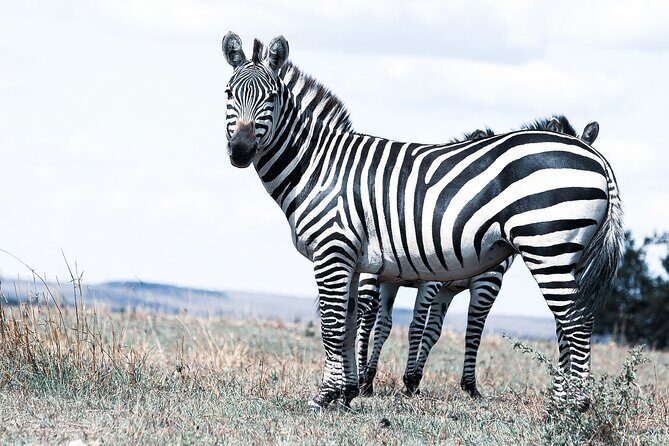
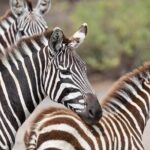
- Zebra and wildebeest
- Buffalo and elephant
- With luck, lions lounging in the trees
That last point is more than a fun detail. Tree-lounging cats change the whole viewing feel. Instead of scanning only grassland, you’re also watching for movement and stillness in the branches, where a lion can look like a rock until it decides otherwise.
Manyara is also described as having a mix of scenery: grassy plains, primate-filled woodlands, and baobab-dotted cliffs. That variety keeps your eyes busy even when animal sightings come in waves.
You’ll do an extensive game drive, then head back toward Arusha.
You can also read our reviews of more private tours in Moshi
Private guiding and the human touch: guides like Denis, Gasper, and Justin
For a private safari, the guide isn’t a “nice extra.” It’s the difference between a car full of looking and a day full of purposeful spotting. With this operator, you’re traveling as a private group only, so you’re not stuck waiting for strangers to get their photos lined up.
The guide stories tied to Kilimanjaro Adventure Safari Club often mention people like Denis, Gasper, Justin, Julius, and Lio. You may also run into someone like Prince or Sifuni depending on scheduling. The common thread across those names is that the guides are repeatedly described as professional, flexible, and able to keep things moving when plans need adjusting.
I also like that communication seems to be handled through modern channels like email and WhatsApp, with fast responses mentioned in the same context. That’s helpful if you have questions before you go, or if you need small adjustments as your trip tightens up.
Price and value: what $1,994 is really buying
At $1,994 per person for about 4 days, the headline question is value: what are you paying for beyond vehicles and park names?
Here’s what makes the price feel more justified than bargain-safari pricing:
- Multiple major parks in a short time: Tarangire, Ngorongoro Crater, Serengeti, and Lake Manyara
- Park entry coverage varies by day: the tour info states admission ticket is included on Day 1, included on Day 2, listed as free on Day 3, and included again on Day 4
- A private format (only your group participates)
- Game drives with picnic-style lunches, meaning more time on safari instead of logistically scattered meals
- Pickup offered and a mobile ticket included
The one value check I’d do before you confirm is clarity on what “admission included/free” means in your exact package on your exact dates. The tour description gives the broad breakdown by day, but double-check it for your confirmation so you’re not surprised later.
Timing, pace, and what to pack so you can enjoy it
This safari runs on early starts and big sighting days. You’ll be doing long hours in the vehicle with wildlife viewing breaks, especially on the Serengeti morning drive.
Packing for this kind of trip is mostly about staying comfortable:
- A hat and sunscreen (especially for the long open areas)
- Layers for morning and evening temperature swings
- Binoculars if you like scanning behavior at distance
- A small day bag so you’re not digging around all day
Also, expect dust. Safari roads and parking areas can kick it up, and you’ll want a way to keep your eyes and camera gear clean.
One more practical note: the tour data lists a meeting start time of 12:00 am. In real life, safaris like this almost certainly require much earlier pickup because the drive days begin with early breakfast and early park departures. Treat that “12:00 am” as an entry on a form and make sure your final confirmation has the actual pickup time.
Who should book this private 4-day circuit
This tour fits best if you want:
- Big wildlife days without adding extra travel time
- A private, guide-led approach where you can ask questions and shift your attention when animals appear
- A route that mixes elephants (Tarangire), crater drama (Ngorongoro), migration energy (Serengeti), and bird-heavy scenery (Manyara)
If you’re the type who wants every day to feel like one long relaxed stroll through wildlife rather than a focused viewing schedule, you may prefer a longer safari. But if you want maximum safari scenes in four days, this circuit is built for that goal.
Should you book this 4-day private safari from Moshi?
I’d book this safari if you’re chasing the classic Tanzania highlight set—Tarangire elephants, Ngorongoro crater habitats, Serengeti migration timing, and Lake Manyara’s flamingo-and-bird finish—and you’re okay with the pace that comes with hitting four parks in four days.
I’d think twice if you hate early mornings, don’t like long days in a vehicle, or need a very low-pressure schedule.
If you do book, do it with one mindset: this is a viewing-focused safari. The more patient and observant you are, the more the day’s “small moments” add up into big memories—like the first time a herd funnels toward water, or when you realize the crater has multiple worlds inside one bowl.
FAQ
Where is this safari based?
The experience location is listed as Moshi, Tanzania.
How long is the safari?
It’s listed as 4 days (approx.).
Is pickup offered?
Yes, pickup is offered.
Is this a private tour?
Yes. It’s private, and only your group will participate.
Which parks are included?
You’ll visit Lake Manyara National Park, Tarangire National Park, Ngorongoro Crater, and Serengeti National Park.
Are park admission tickets included?
The tour information says admission ticket is included on Day 1, included on Day 2, listed as free on Day 3, and included on Day 4.
Is there group discount information?
Group discounts are listed as a feature.
What kind of ticket do I receive?
A mobile ticket is listed as included.
When will I receive confirmation?
Confirmation will be received at the time of booking.
Can I cancel for a refund or change dates?
No. This experience is non-refundable and cannot be changed for any reason. If you cancel or ask for an amendment, the amount you paid will not be refunded.
Is the tour suitable for most people?
The tour notes that most travelers can participate.
If you want, tell me your travel month and group size, and I’ll help you think through which park day is most likely to deliver migration sightings based on the seasonal rainfall timing mentioned in the tour details.