REVIEW · MOSHI
Serengeti Safari with Sirikwa Travel
Book on Viator →Operated by Sirikwa Travel · Bookable on Viator
Big Five goals in five days.
This Moshi-based safari circuit is interesting because it stacks major wildlife zones close together—Tarangire, Serengeti, Ngorongoro Crater, then Lake Manyara—so you spend more time outside and less time figuring out transfers. I like the included park fees and meals, which keeps the day-to-day budget calmer. I also like the practical touches like binoculars and unlimited drinking water, because wildlife viewing is mostly about seeing well and staying hydrated.
One heads-up: this kind of itinerary is early-start and driving-heavy, especially on the Serengeti and Ngorongoro days. If you want a slow, sleep-in vacation, you may feel a bit packed in. Still, the payoff is a tight run through multiple habitats—plus a safari guide with serious on-the-ground focus (one guide named Pasiansi gets specifically praised for passion and knowledge).
In This Review
- Key Highlights Before You Go
- Why This Serengeti Safari Works So Well From Moshi
- Price and Value: What $3,500 Buys You Here
- The Day-By-Day Route (And What Each Park Is Best For)
- Day 1: Tarangire National Park and the Baobab-Elephant Formula
- Day 2: Serengeti Entry via Ngorongoro Conservation Area (Seronera Focus)
- Day 3: Serengeti Morning Drives, Optional Hot Air Balloon, and the Sogore River Circuit
- Day 4: Ngorongoro Crater Day + Olduvai Gorge Stop
- Day 5: Lake Manyara for Birds, Flamingos, and a Rift Valley Finale
- The Safari Vehicle, Guide, and Comfort Stuff That Actually Matters
- Photography, Timing, and Packing Tips (Made for This Route)
- Who This Safari Fits Best
- Should You Book Serengeti Safari With Sirikwa Travel?
- FAQ
- Which parks are included in this safari?
- Is the hot air balloon over the Serengeti included?
- Are park entrance fees included?
- Do they pick you up from your hotel or the airport?
- Is this a private tour?
- What time does the safari start?
Key Highlights Before You Go
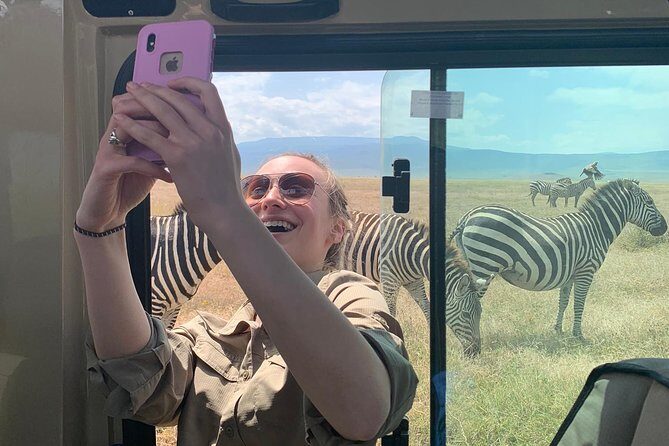
- A four-park wildlife route from Moshi: Tarangire, Serengeti, Ngorongoro Conservation Area/Crater, and Lake Manyara in about 5 days
- Included meals plus unlimited drinking water: breakfasts (5), lunches (5), dinners (4), and water on the move
- Binoculars and an air-conditioned vehicle: small comfort wins that matter in hot savanna conditions
- Guide attention on safety and wildlife spotting: Pasiansi is named for strong passion and know-how
- Hot air balloon as an optional add-on: available by pre-arrangement for an extra cost
- Olduvai Gorge stop built into the crater day: human-evolution context alongside big-game viewing
Why This Serengeti Safari Works So Well From Moshi
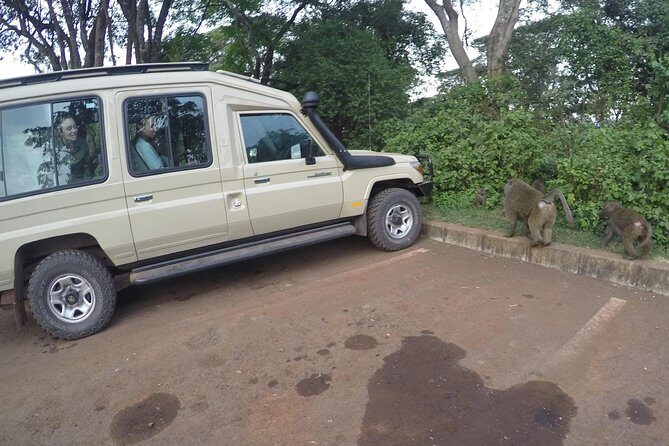
Moshi is a smart base for this trip type because it puts you at the starting point for several of northern Tanzania’s best-known safari stops. Instead of bouncing between far-off regions, this route moves you through different habitats in sequence: river-and-bird country in Tarangire, big-plains wildlife in Serengeti, the crater’s compressed “wild arena” feeling in Ngorongoro, then the Rift Valley edge around Lake Manyara.
The biggest practical win is that the days are built around game viewing, not long blank transfer time. You’re picked up (including from your hotel in Moshi) and kept on a structured schedule with daily drives. That matters when you’re trying to see a lot without turning the safari into an exercise in logistics.
Another reason it feels well designed: it’s private. That means your group stays together and your guide can adjust the pace to what you’re actually seeing—useful when wildlife decides to cooperate (or not) and when the best sightings don’t follow a timetable.
You’re also not walking around guessing what to do with your money. The tour lists all fees and taxes as included, and it clearly states which park admissions are included vs. free for certain day segments. That reduces surprise costs—always a good deal on a safari, where “small extras” can stack up fast.
A few more Moshi tours and experiences worth a look
Price and Value: What $3,500 Buys You Here
At $3,500 per person for about 5 days, this is not a budget safari. But value isn’t only about the headline price—it’s about what’s handled for you.
Here’s what’s explicitly included in your package:
- air-conditioned vehicle and private transportation
- professional safari guide
- airport pick up and drop off
- unlimited drinking water
- two pairs of binoculars
- breakfast (5), lunch (5), dinner (4)
- all fees and taxes
- park admissions listed as included on key days
What’s not included is also clear:
- flights
- personal drinks like alcohol
- laundry
- tips to the safari guide
For many people, this bundle is the difference between “safari stress” and “safari focus.” When meals and major costs are already set, you can spend your energy on spotting animals rather than renegotiating what’s included at every stop.
Is it expensive? Yes, compared to self-drive or shared-group options. But it can still feel like good value if you:
- want a private experience
- care about comfort (air-conditioned vehicle, water, meals)
- plan to spend your time on actual wildlife viewing, not planning
The main value question for you: do you prefer paying more to remove friction? If yes, this price can make sense.
The Day-By-Day Route (And What Each Park Is Best For)
This itinerary is built around getting you into the right place at the right time for animals and birds. The timing matters because wildlife activity shifts with light and temperature.
Day 1: Tarangire National Park and the Baobab-Elephant Formula
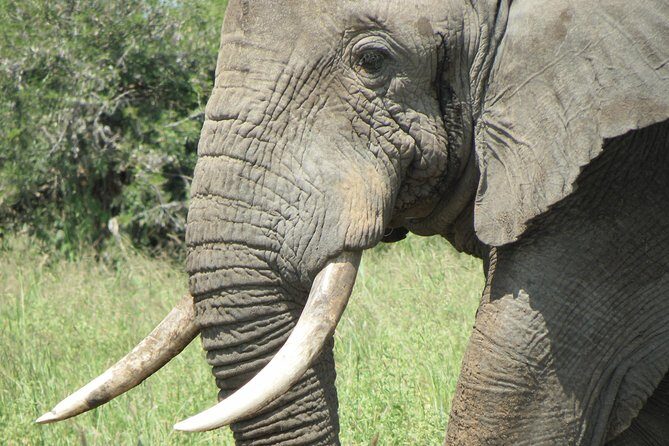
Day 1 starts with an early pickup from your hotel in Moshi at 06:30am, followed by transfer to Tarangire National Park. Tarangire is famous for baobab trees, a strong bird variety, and large mammals—especially elephants. That mix is why Tarangire often feels different from the big open-plains parks: you’re looking through structure (trees, vegetation edges, and water points) instead of only wide grass.
The day includes about 6 hours of touring, with park admission listed as included, then you transfer to your lodge for the night.
What to keep in mind:
- This is a great day to get your safari “eyes” calibrated. Early mornings help, and seeing elephants well on Day 1 sets a positive tone.
- Tarangire’s bird interest is real here—if you like feathered wildlife, you’re in the right place.
Potential drawback: you’ll likely spend your day mostly in the vehicle, with a long, early start. But that’s the bargain you make for hitting parks at active times.
Day 2: Serengeti Entry via Ngorongoro Conservation Area (Seronera Focus)
After breakfast, you travel toward Serengeti National Park via Ngorongoro Conservation Area—a route that includes shifting scenery from higher farmland areas down toward the plains. The itinerary emphasizes arriving in time for lunch and then doing an afternoon game drive.
Once in Serengeti, you focus on the central park area, Seronera, described as one of the richest wildlife habitats in the park. The key detail here is the Seronera River, which provides a water source that draws wildlife and supports many species.
This day is listed as about 6 hours, and it notes the admission ticket as free for this segment.
Why this structure works: Seronera is a practical base area because water and habitat concentrate animals. That usually makes it easier for your guide to put you on active wildlife rather than driving for long stretches with nothing but dust and hope.
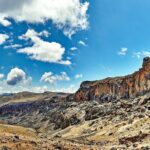
Day 3: Serengeti Morning Drives, Optional Hot Air Balloon, and the Sogore River Circuit
Day 3 is your big Serengeti day, with a longer on-park block of about 10 hours. The itinerary mentions a pre-arranged hot air balloon option at supplementary cost. That’s not included, but it’s clearly offered as an add-on if you want that aerial view over awakening bush and plains.
Then you do an after-breakfast game viewing drive along the Sogore River Circuit, looping into the plains south of the Seronera River. This circuit is specifically called out as promising for possible sightings of lion, Thomson gazelle, topi, ostrich, and cheetah.
There’s also a note that visiting the Visitor Centre near the Serengeti Seronera Lodge and public campsites is worth your time after the morning’s game drive. Even if you’re not a “museum person,” this kind of stop helps you understand what you’re seeing and where animals move.
The practical takeaway: choose your pace.
- If you do the balloon, your day starts with extra early energy and an additional cost.
- If you skip it, you still get a strong morning-to-afternoon rhythm with the Sogore Circuit drive.
Either way, plan for long hours outside. That means sunscreen, water discipline, and a hat you trust.
Day 4: Ngorongoro Crater Day + Olduvai Gorge Stop
After breakfast, you depart for Ngorongoro Conservation Area, and the day includes a stopover at Olduvai Gorge. Olduvai Gorge is described as central to human evolution, with the Leakey discoveries of remains associated with early humans (including terms like Nutcracker Man and Handy Man).
Then you head into the Ngorongoro Crater itself for the main wildlife day.
This day is listed at about 6 hours, with admission tickets included.
Why this day feels special: Ngorongoro Crater is one of those places where you often feel like the animals are living inside a giant bowl. That concentration effect can be a big advantage when you want the best chance for the Big Five mix that this tour markets across four parks.
The Olduvai Gorge add-on also gives you a different kind of connection to Tanzania—one that goes beyond safari animals and into the story of people and the land.
A small consideration: crater days can involve lots of movement and a noticeable “temperature shift” feeling depending on where you are in the crater area. Bring layers.
Day 5: Lake Manyara for Birds, Flamingos, and a Rift Valley Finale
On Day 5, you head to Lake Manyara National Park in the morning after breakfast, with about 6 hours scheduled. The park sits at the root of the Great Rift Valley escarpment, and it’s described as having distinct habitats that create a strong mix of species.
Lake Manyara’s bird element is a headline here:
- pink hues of flamingos along the lake shores
- over four hundred bird species
- the mention of species like Cape clawless otter (along with buffalo, elephants, Egyptian mongoose, hippos, giraffes, impalas, and baboons—described as the largest concentration of baboons in the world)
You’ll enjoy a picnic lunch inside the park, then depart for Arusha in the afternoon.
Why this ending works: it slows the “big game chase” vibe into a more balanced nature viewing day. If you love birds, Lake Manyara can be one of your strongest days. Even if you don’t, the variety of animals and the Rift Valley setting make the last day feel like more than just a ride back.
The Safari Vehicle, Guide, and Comfort Stuff That Actually Matters
On safari, the wildlife is the main event. But comfort affects how well you notice the main event.
This trip includes:
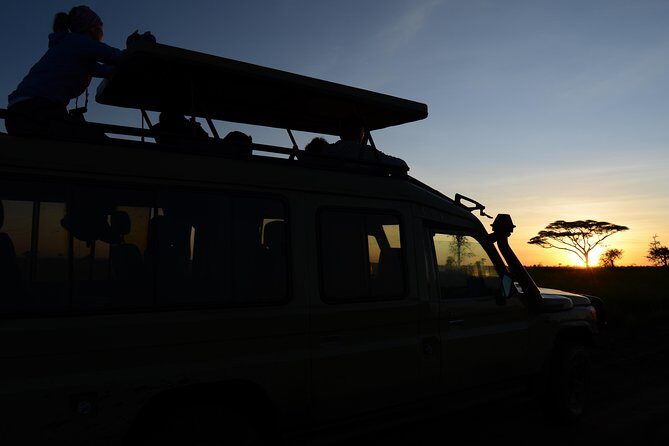
- an air-conditioned vehicle (helpful during hot transfers)
- unlimited drinking water
- two pairs of binoculars
- a professional safari guide
- private transportation
- pickup and drop-off, including airport transfers
That’s the practical package you want when you’re moving between parks. Binoculars are especially useful when you’re scanning for smaller details like birds or for animals that are far off and only partially visible through grasses.
The guide part matters too. One guide name you’ll see associated with Sirikwa Travel is Pasiansi—praised for passion and deep knowledge, and also for the ability to handle the safari in a safe, confident way while sharing information along the drive. That’s the difference between spotting wildlife and understanding what you’re looking at.
Photography, Timing, and Packing Tips (Made for This Route)
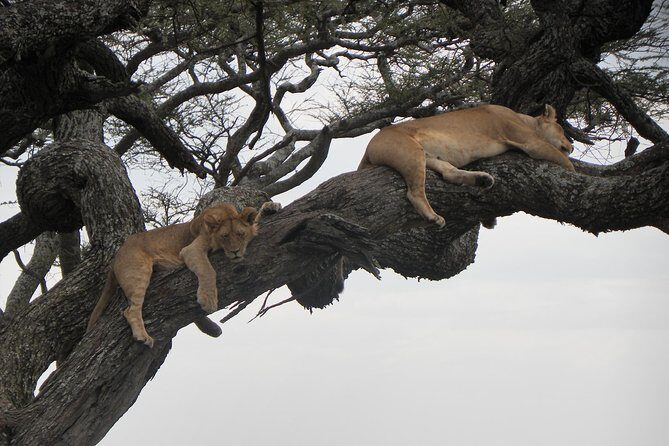
Because this itinerary is structured around multiple parks, you’ll repeat similar conditions: long drives, changing light, and outdoor viewing for hours. Here’s how I’d set you up to enjoy it more.
Timing reality: you’re doing early starts and long game drives, so plan your energy like a marathon, not a sprint. Start strong on Day 1 Tarangire. Expect heavier “watching time” on the Serengeti and crater day.
For photography:
- keep your camera lens accessible; don’t bury it in a bag you open only during the “perfect moment” (spoiler: it won’t happen then)
- use the binoculars between animal sightings; they help you pick out where to aim your camera
For comfort:
- bring sun protection and a hat you can secure
- keep a layer handy for the crater day and any temperature shifts
- drink water consistently; the tour includes it, but your job is to keep taking it
Who This Safari Fits Best
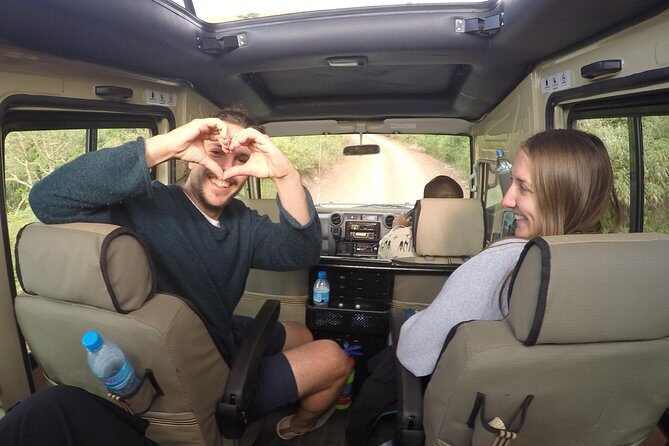
This trip is a strong match if you:
- want a private safari experience
- are planning a short Tanzania visit and want multiple major parks in about 5 days
- care about included meals and fees, so budgeting stays simple
- like birds as much as big animals
- want a guide-led experience with real wildlife spotting focus
It may not be the best fit if you:
- want a relaxed schedule with minimal driving
- strongly prefer walking tours or low-time-in-vehicle sightseeing
- dislike early mornings (Day 1 pickup is listed at 06:30am)
Should You Book Serengeti Safari With Sirikwa Travel?
I’d say this is a good booking decision if you want a well-paced, guide-run safari that hits Tarangire, Serengeti, Ngorongoro, and Lake Manyara without forcing you to manage transfers, meals, or entry fees in real time. The included water, binoculars, air-conditioned transport, and full meal plan are the kind of details that make the experience feel smooth day-to-day.
Before you commit, do one simple check: confirm timing. The tour info shows start time as 09:00am, but Day 1 pickup is specifically listed at 06:30am from Moshi. Ask Sirikwa Travel to confirm your exact pickup time and whether 09:00am applies to a different day or segment.
If you want a safari that’s designed for big wildlife days and you’ll appreciate the structure, this one is worth serious consideration.
FAQ
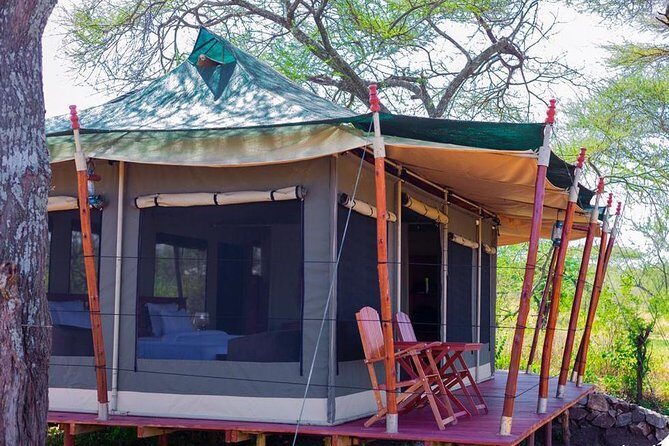
Which parks are included in this safari?
You’ll visit Tarangire National Park, Serengeti National Park, Ngorongoro Conservation Area (including Ngorongoro Crater), and Lake Manyara National Park.
Is the hot air balloon over the Serengeti included?
The hot air balloon option is available at an additional cost and needs to be arranged in advance. It is described as supplementary and not part of the base inclusions.
Are park entrance fees included?
The tour notes admissions as included on Tarangire (Day 1), Olduvai Gorge/Ngorongoro (Day 4), and Lake Manyara (Day 5). It also lists admission as free for the Day 2 Serengeti segment.
Do they pick you up from your hotel or the airport?
Yes. The tour includes airport pick up and drop off, and Day 1 specifically says you’ll be picked up from your hotel in Moshi at 06:30am.
Is this a private tour?
Yes. It’s described as a private tour/activity, meaning only your group participates.
What time does the safari start?
The information lists a start time of 9:00am, but the itinerary also specifies 06:30am hotel pickup for Day 1 in Moshi. Confirm the exact pickup time with Sirikwa Travel before departure.