REVIEW · ARUSHA
4 Days Wildlife Safari and Cultural Experience in Tanzania
Book on Viator →Operated by Golden Trips Tanzania · Bookable on Viator
Four days, four wild worlds. I like how this safari strings together Tarangire, Lake Manyara, Ngorongoro, and Lake Eyasi with a driver-guide and chef taking care of the daily rhythm. The standout appeal is mixing top safari wildlife with real culture time at Lake Eyasi, where your guide tries to arrange a Hadzabe encounter.
I also like the practical side: you get a private vehicle to work the parks efficiently, plus camping support and food so you’re not budgeting your day around meals. One possible drawback is the Basic camping style: you’ll be at public campsites (even if the lodge setup around camp gives you extras like free WiFi and a pool), so this isn’t the “sleep in a luxury lodge” version. If you forget a sleeping bag, there’s a $15 rental option.
On paper it’s a “wildlife safari,” but in real life it feels like four different Tanzania days in a row. Expect early starts, long drives between parks, and wildlife-focused time that’s built around game drives and a chef-run campsite routine.
In This Review
- Key things that make this Tanzania safari click
- First impressions in Arusha: how this trip runs day to day
- Tarangire National Park: the Elephant Playground and bird-heavy marsh edges
- Lake Manyara: tree-climbing lions, pink flamingos, and mixed habitats
- Ngorongoro Crater in the Ngorongoro Conservation Area: caldera scale and black rhino odds
- Lake Eyasi: Hadzabe culture time with real walking and pacing you can’t control
- Camping in Tarangire and the Ngorongoro area: “Basic” with real comforts
- Food and drinks: chef-led meals that reduce your day-to-day costs
- Guides and sightings: what past groups seemed to value most
- Price and value: is $1,231 per person a smart deal?
- Who this Tanzania safari fits best (and who should think twice)
- How to get ready without overthinking
- Should you book this Golden Trips Tanzania safari?
- FAQ
- What’s included in the safari price?
- Are meals provided at every stop?
- Do I need to bring a sleeping bag?
- Is airport pick-up included?
- Is the Hadzabe visit at Lake Eyasi guaranteed?
- How much walking is involved at Lake Eyasi?
- Is alcohol included?
- What is the cancellation refund window?
Key things that make this Tanzania safari click
- Elephants with real numbers in Tarangire: often up to 300 elephants, plus buffalo, lion, wildebeest, zebra, and gazelle.
- Tree-climbing lions at Lake Manyara: it’s a famous stop, and you’ll also look for giraffe, hippo, and more.
- Ngorongoro’s “world” scale: a volcanic caldera with permanent water and a resident population of 25,000+ large mammals.
- Maasai co-existing in the Ngorongoro area: grazing cattle alongside wildlife in a conservation setting that’s UNESCO World Heritage since 1978.
- Lake Eyasi culture that can be active: Hadzabe treks can run 5–8 km, and the pace can spike fast.
- Meals and camp setup are handled for you: camping equipment, mineral water, park fees, and multiple meals are included.
First impressions in Arusha: how this trip runs day to day
Most people start in Arusha, and the first thing you notice is the pace. Safari days tend to begin early, and this one stays consistent: morning drives, lunch breaks in the park, then afternoon game time before returning to camp.
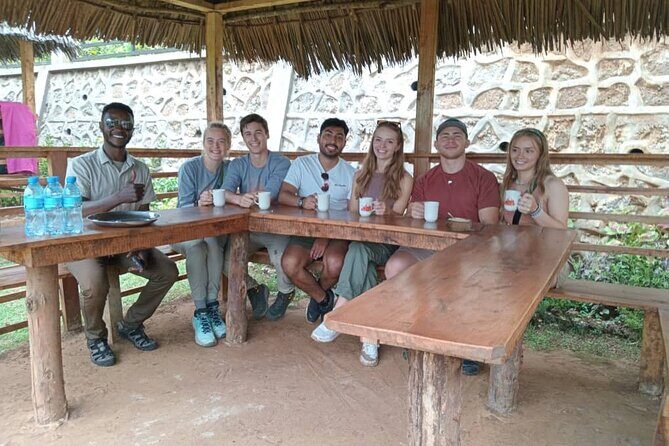
You’re not doing the planning. A professional English-speaking guide leads the way, and there’s also a chef who handles the food at camp. That matters because it turns your time into actual safari time, not logistics time.
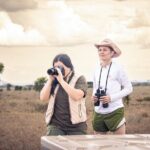
And the guiding quality seems to be a theme. Across past trips, names like Gasper and Dan come up again and again for taking care of the group, driving safely, and doing the hard work of getting good wildlife sightings. People also praise Joseph, Deo, Ombeni, and Manaki for being friendly, patient, and making the days feel smooth—even when the parks demand flexibility.
A few more Arusha tours and experiences worth a look



Tarangire National Park: the Elephant Playground and bird-heavy marsh edges
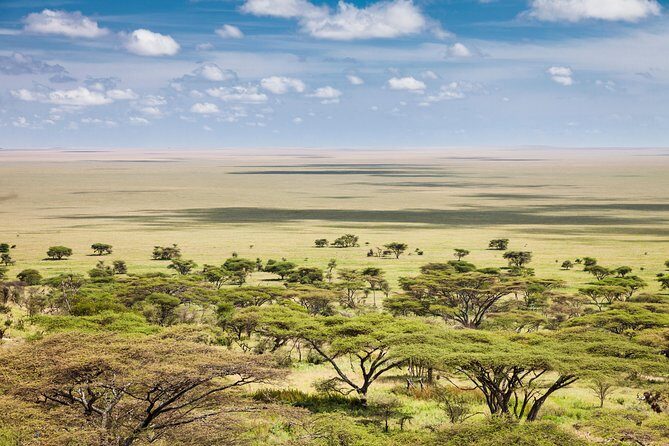
Tarangire is the “go big on elephants” park, and it earns that nickname. You’ll head in from Arusha and aim for an arrival that sets you up for lunch around noon, then an afternoon game drive when the light and animal movement can be excellent.
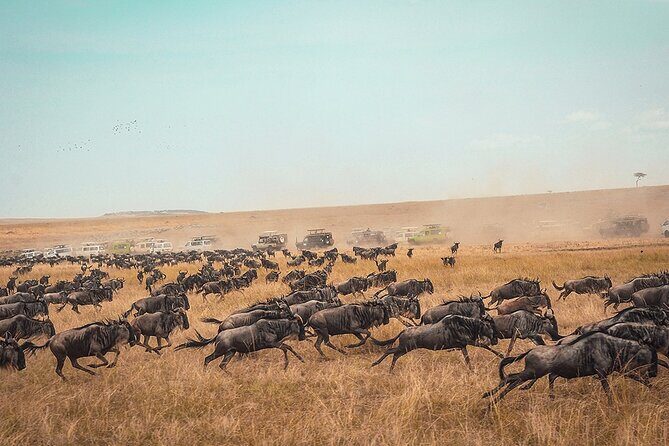
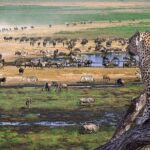
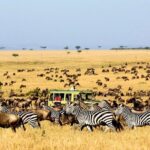
Tarangire’s elephant reputation is specific, not hype. It’s often called the Elephant Playground because herds—sometimes up to around 300—can show up in the park. You’re also in prime territory for buffalo, lion, wildebeest, zebra, and gazelle.
One detail I really like here is the birdlife. Lake Burungi’s marshy shores pull in many species, including giant kingfishers, hoopoes, and the white-bellied go-away bird (yes, that name is real and you’ll likely hear it discussed). If your idea of a great safari isn’t only big mammals, Tarangire rewards you with plenty to spot even when the animals are farther out.
Practical consideration: Tarangire can be especially strong in the dry season, when animal density tends to rise. If you’re traveling during greener months, you might still get great sightings, but don’t assume the same “hundreds at once” elephant odds.
Lake Manyara: tree-climbing lions, pink flamingos, and mixed habitats
Lake Manyara is famous for a single thing: tree-climbing lions. That’s the headline, but the park isn’t just a one-trick pony. By the end of your afternoon drive, you’ll be searching for elephant, hippo, wildebeest, buffalo, and giraffe, along with everything else that shares the area.
The bird element is also a big deal. Lake Manyara is recorded as hosting about 400 bird species, and flamingos add color when conditions line up. If you’ve ever looked at flamingos and thought, sure, they’re pretty—then you’ll appreciate how much more there is to the park than that one moment.
What you’ll feel in Manyara is variety in a compact time window. The afternoon pace is active, and your guide will be watching for signs and positioning the vehicle for the best viewing angles.
A drawback to keep in mind: Manyara’s best sightings can be situational. If the tree-lion angle doesn’t happen, you’re still in a strong wildlife environment—so you’re not left with nothing—but your “one must-see moment” might depend on luck and timing.
Ngorongoro Crater in the Ngorongoro Conservation Area: caldera scale and black rhino odds
Ngorongoro is the safari day that often makes people go quiet. The crater is a volcanic caldera—the world’s largest—and it’s filled with a mix of grassland, forest, and swamp. You’re getting a huge natural bowl, not just a scenic viewpoint.
The wildlife numbers here are the point. The crater floor has permanent water, which supports a resident population of more than 25,000 large mammals. That translates into more opportunities across the day—elephant, lion, leopard, hyena, jackal, wallowing hippo, waterbuck, and baboons are all listed as possible encounters. There’s also mention of the rare black rhino finding shelter in this area, which is one reason Ngorongoro is so heavily sought after.
Then there’s the human element. Maasai graze cattle in the crater area, and that coexistence is part of what you’re witnessing. The conservation area has been set aside since 1956, and the region has been a UNESCO World Heritage Site since 1978.
If you want one “why this is worth it” reason, it’s this: Ngorongoro compresses wildlife variety and density into a single day with early morning viewing. People like Dan and other guides (including names like Samwel and Ombeni from past safari groups) are often praised for knowing how to keep scanning and repositioning without rushing you through it.
One consideration: because you’re driving in and out and spending long hours on the day, you’ll want to be ready for physical downtime at camp afterward. This is a high-energy day.
Lake Eyasi: Hadzabe culture time with real walking and pacing you can’t control
Lake Eyasi is where this safari shifts from mostly wildlife to something closer to culture and active experience. You’ll spend time around camp with your guide in the morning and again later, and the main potential highlight is a visit with the Hadzabe tribe.
Here’s the key detail: due to the nomadic nature of the Hadzabe, visits cannot be guaranteed. Your guide will try to arrange it, but you shouldn’t build your entire “must-do” day around it.
If the visit happens, expect trekking that can run 5–8 km, and at times the pace can jump. When hunting is underway and they find sizeable game, the group can go off quickly and it may become difficult to keep up. In that case, your guide will bring you back to camp.
So this is not a sit-and-watch cultural show. It’s movement, timing, and a chance to see how a hunter-gatherer lifestyle works in practice. If you like hands-on travel and you’re comfortable walking for hours, you’ll likely find Lake Eyasi one of the most memorable parts of the trip.
If you prefer calm, low-effort experiences only, this stop may feel like too much physical unpredictability.
A few more Arusha tours and experiences worth a look
Camping in Tarangire and the Ngorongoro area: “Basic” with real comforts
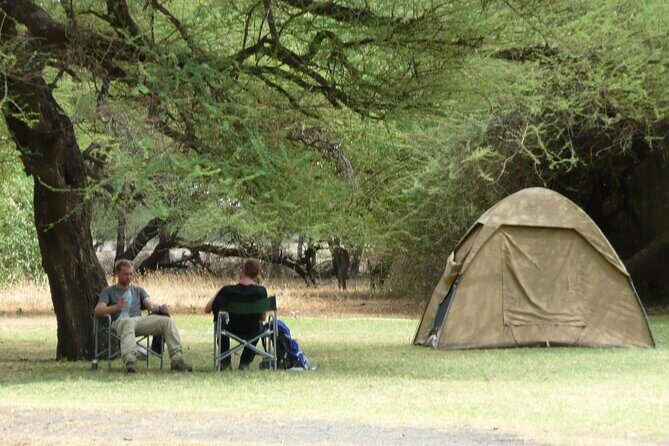
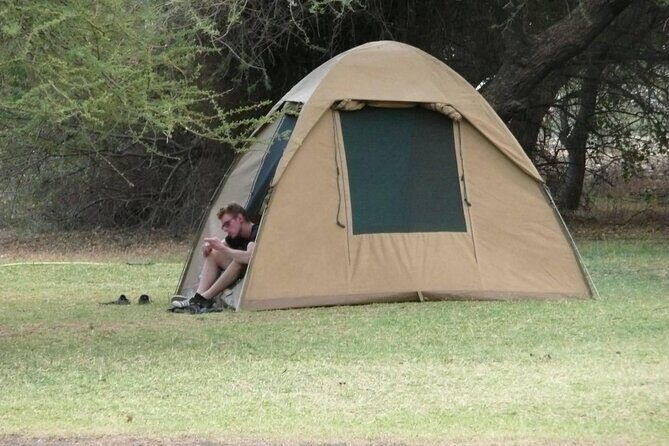
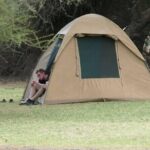
This trip calls itself Basic category, and that’s fair. You’ll be camping at public campsites in Tarangire and at the Ngorongoro crater area.
What’s reassuring is that the camping isn’t “rough it” in a vacuum. You’ll be camping at lodges that provide better access to amenities like free WiFi, a swimming pool, a restaurant, clean toilets, bathrooms, and dining rooms.
Included camping equipment means you don’t have to hunt down gear right before travel. The tour provides tents, sleeping mats, chairs, and tables. But sleeping bags aren’t included—you can rent one for $15, so check your own packing before you go.
My take on the value of this camping setup: it keeps you close enough to enjoy camp life without turning the trip into a gear management project. And with a chef and multiple meals included, you’re not spending your evenings stressed about food.
Food and drinks: chef-led meals that reduce your day-to-day costs
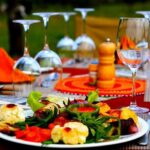
Meals are handled in a way that makes the budget easier. Lunches, dinners, and breakfasts are included across the four days, and mineral water is provided.
This matters more than it sounds. Safari days run long, and if you have to buy every meal at the last minute, costs creep up fast. Here, the structure is already taken care of, so you can plan around safari time.
Alcohol and soft drinks aren’t included, and the policy notes alcohol is allowed only for ages 18 and above. If you’re a drinker, assume you’ll pay extra at camp.
Guides and sightings: what past groups seemed to value most
The biggest praise pattern is about the guide’s work, not just their storytelling. Names that keep showing up in people’s praise include Gasper, Dan, Joseph, Deo, Ombeni, Manaki, Samwel, and Emanuele. The common threads are safe driving, attentive care, and a real focus on getting good sightings.
A chef-led campsite also gets credit when the group includes picky eaters. One comment called out how the cook went the extra mile to handle teenagers and their food preferences, which is exactly the sort of small detail that makes a long trip feel easier.
If you care about wildlife photography, it can help to pick up fast. Your guide’s job isn’t only spotting; it’s also positioning you so you’re not constantly guessing where to look. People specifically praised guides for making sure they got strong shots.
Price and value: is $1,231 per person a smart deal?
At $1,231 per person for roughly four days, the value depends on how you think about what you’re buying.
Here’s the value case: you’re getting park fees included, a professional English-speaking guide, camping equipment, mineral water, and a full set of meals across the trip. A private vehicle is part of the setup, and you’re not paying separately for every park entry or for day-to-day food.
So your biggest additional costs are the ones you’d expect on any Tanzania safari: flights, visa fees, travel insurance, tips, and alcohol/soft drinks. There’s also the sleeping bag decision—either bring your own or rent for $15. Airport pick up and drop off are extra (book $50 per car each way).
In plain terms: you’re paying for a “packaged safari machine.” If you want to reduce decision fatigue, that packaging can be worth it. If you prefer total freedom and you’re comfortable planning park fees, meals, and logistics alone, then this price might not feel as tempting.
Who this Tanzania safari fits best (and who should think twice)
This is a strong match if you want:
- Classic Tanzania wildlife stops in a short window
- Camping with real amenities nearby (WiFi, pool, clean facilities)
- A guide-led trip where the driver, chef, and schedule handle the hard parts
- Culture time at Lake Eyasi, especially if you like active walking
You might think twice if:
- You dislike Basic camping or aren’t comfortable renting a sleeping bag if needed
- You want fully guaranteed culture activities (Hadzabe visits can’t be promised)
- You struggle with long days on the road and extended game drives
How to get ready without overthinking
Your biggest “do this before you go” items are simple:
- Plan for a sleeping bag (rent is $15 if you need one)
- Expect long safari days with early starts
- Bring cash for tips and personal spending, since tips and souvenirs aren’t included
- If you have dietary needs (gluten-free, vegan, vegetarian), this company says they can accommodate
Also, alcohol is handled separately, and there’s an 18+ rule. If alcohol matters to your budget, plan for that.
Should you book this Golden Trips Tanzania safari?
If your dream is four days that cover the wildlife classics—Tarangire elephants, Manyara’s lion legend, Ngorongoro’s crater-scale density—and you also want a real shot at Lake Eyasi culture, I think this is a solid booking.
I’d especially book it if you value guide effort and smooth logistics. The strongest signal from past trips is that guides like Gasper and Dan are praised for care, safe driving, and making the time count, while the chef-and-camp setup keeps you fed and rested enough to enjoy those long game-drive hours.
If you’re chasing only luxury comforts or you need guaranteed Hadzabe access, then keep looking. This one is best for travelers who want meaningful experiences, good wildlife odds, and camp life that’s practical instead of fancy.
FAQ
What’s included in the safari price?
The price includes a professional English-speaking guide, camping equipment (tents, sleeping mats, chairs, tables), mineral water, all national park fees, and meals (4 lunches, 3 dinners, and 3 breakfasts).
Are meals provided at every stop?
Yes. Breakfast is provided on three mornings, lunch is included four times, and dinner is included three evenings.
Do I need to bring a sleeping bag?
Sleeping bag rental is not included. You can rent one for $15 if you don’t bring your own.
Is airport pick-up included?
No. Airport pick-up is available for $50 per car, and airport drop-off is also $50 per car.
Is the Hadzabe visit at Lake Eyasi guaranteed?
No. Because the Hadzabe are nomadic, the visit cannot be guaranteed, though your guide will try to arrange it if possible.
How much walking is involved at Lake Eyasi?
Walks with the guide vary between about 5 and 8 km, and the pace can become very fast if a hunt starts.
Is alcohol included?
Alcohol and soft drinks are not included. Alcohol is only allowed for travelers aged 18 and above.
What is the cancellation refund window?
You can cancel up to 3 days in advance of the experience start time for a full refund. If you cancel within 3 days, the amount you paid is not refunded.