REVIEW · ARUSHA
Tanzania Safari 10 Days- Serengeti, Lake Manyara, Ngorongoro Crater.
Book on Viator →Operated by Premium Safaris Africa · Bookable on Viator
Elephants, crater rhinos, and community visits in one loop. This 10-day Tanzania safari pairs classic parks with MtoWaMbu village and Lake Eyasi cultural time. The big deal is extra focus on Ngorongoro Crater, including a sunrise descent.
I really like the pacing: you get multiple game-drive moments across different ecosystems, instead of treating each park like a quick stop. Tarangire’s elephant concentration and Serengeti’s herd-chasing strategy can make even a single day feel full. I also like the people side here, where you spend time with groups like the Hadzabe and Datoga rather than just driving past.
One possible drawback: this is active travel. You’ll spend long stretches in safari vehicles, and the crater day involves a big descent and time on the ground—so it helps to have a moderate fitness level and patience for early starts.
In This Review
- Key highlights to know before you go
- Ngorongoro Crater is the main character here
- Day-by-day wildlife: Tarangire’s elephants to Manyara’s Rift Valley feel
- Tarangire National Park: big herds and baobabs
- A full game-drive day that matches your energy
- Lake Manyara: compact circuit, big moments
- Lake Eyasi: the cultural day you’ll remember, for better and for longer
- How to make this day respectful and not awkward
- Day 5: more Hadzabe and Datoga time, then Karatu
- Maasai village meeting before Serengeti: culture meets the wild
- Serengeti at dawn and dusk: herds, predator chances, and optional balloon time
- Optional hot air balloon: when light and quiet matter
- Day 8: sunrise chances, then a full second day of drives
- The drive to Ngorongoro and the sunrise descent: when the day feels different
- Ngorongoro at sunrise: crater wildlife plus big predator odds
- Price and value: what $3,946.16 gets you (and where the trade-offs are)
- Who this trip is best for
- Should you book this Tanzania safari with Premium Safaris Africa?
- FAQ
- Is pickup offered for this tour?
- Is this a private safari?
- What is the duration of the experience?
- What time of day does the experience operate?
- What fitness level do I need?
- Can I cancel for free?
Key highlights to know before you go
- Extra time on Ngorongoro Crater with an early descent and a full crater-drive window
- Tarangire’s elephants: a huge population, plus lots of younger elephants during the baby boom
- Lake Manyara with Rift Valley views and a compact park circuit that keeps game-viewing efficient
- Lake Eyasi culture day focused on Hadzabe hunter-gatherer life and Datoga pastoralists
- Serengeti dawn drives (and optional balloon) for that calm, high-visibility wildlife light
Ngorongoro Crater is the main character here
This trip is built around a simple idea: when you’re going to Ngorongoro, you don’t just want one drive. You want time—real time. The Ngorongoro Crater is described as a protected area packed with wildlife, and the plan reflects that with a sunrise descent of about 600 meters and game driving once you’re down inside the crater.
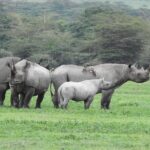
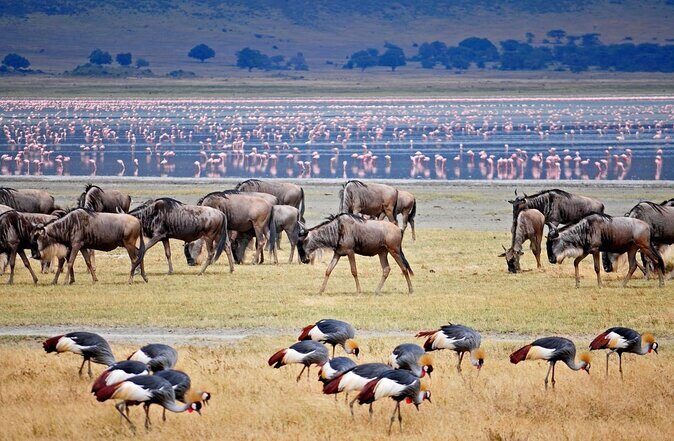
What you’re really paying for on this part of the circuit is density and variety. The crater is home to an estimated 30,000 animals, including black rhino and a predator mix that can include lions, hyenas, jackals, cheetahs, and sometimes leopard. Add in classic crater-grazers like wildebeest, zebra, buffalo, eland, and warthog, and you start to understand why this is a once-in-a-while stop for many safari fans.
Also, Ngorongoro sits at high elevation, with the rim noted as about 7,500 feet above sea level. That matters because early mornings can feel cooler, and sunrise timing helps with both temperature and animal activity. Bring layers, even if you expect sunny skies.
A few more Arusha tours and experiences worth a look
Day-by-day wildlife: Tarangire’s elephants to Manyara’s Rift Valley feel
Your safari begins in Arusha with lunch at 12:30, and then the drive to Tarangire starts at 13:30. That structure is useful because you’re not immediately thrown into a long park transfer without eating first. It’s a small thing, but it makes Day 1 less stressful.
Tarangire National Park: big herds and baobabs
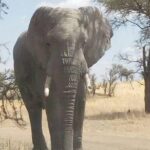
Tarangire is dominated by the perennial Tarangire River and famous for giant baobab trees. The standout is elephants—specifically, the park is noted for having more than 3,000 elephants, with an elephant baby boom right now. That means you might see lots of juniors and babies in addition to mature bulls and cows.
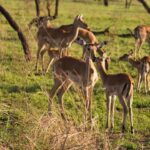
You’ll also have chances for zebra, giraffe, eland, hartebeest, bushbuck, dik-dik, impala, warthog, reedbuck, and mongoose. The best part for many people is that Tarangire can feel different from other northern parks: the combination of river life, baobabs, and elephant concentration creates a very distinct “this place has its own personality” feeling.
A full game-drive day that matches your energy
Day 2 keeps it flexible. You can do morning and afternoon drives, or go for a full day with a picnic lunch served in the bush. If you’d rather rest, there’s an option to return for a hot lunch, then head back out again for a sunset drive.
That choice is more than convenience. It can also change what you experience. Morning tends to favor active feeding and clearer visibility, while afternoon and sunset drives often bring different animal behavior and better lighting for photos.
Lake Manyara: compact circuit, big moments
Day 3 shifts you to Lake Manyara National Park, with a stop at MtoWaMbu Village (often spelled MtowaMbu). This is one of those stops that changes the tone of your trip. You get a chance to explore a busy marketplace and see how different Tanzanian communities live and trade in everyday life.
Manyara itself sits along the Rift Valley escarpment, described as stretching for about 50 kilometers along the base of a steep escarpment. The park is small enough that the game-viewing route can be efficient, giving you a “microcosm” of safari conditions in a shorter time span. Flamingos and pelicans are specifically mentioned, so if you like birdlife, you’re not just chasing mammals here.
Lake Eyasi: the cultural day you’ll remember, for better and for longer
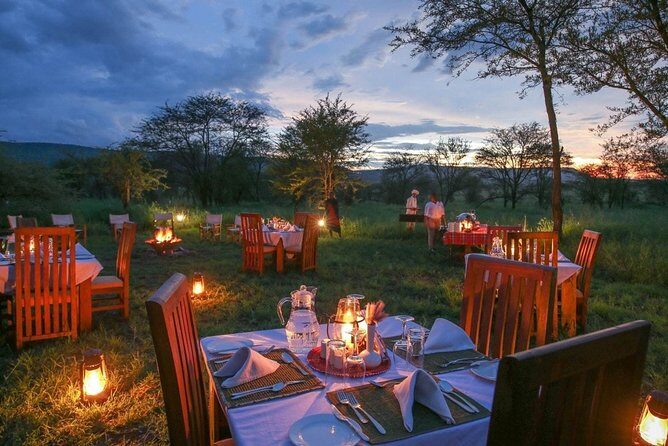
You’ll spend Day 4 going to Lake Eyasi, a mildly alkaline lake about 50 km long. Lake Eyasi is positioned for more than just scenery: the meadows along the shores are described as places where you might see leopards, hippos, monkeys, and birds. And the Rift Valley escarpment views add a strong sense of place while you slow down a bit compared with the park days.
The cultural focus here is the real reason Lake Eyasi works. You visit Datoga pastoralists and Hadzabe communities. The Hadzabe are described as one of the remaining hunter-gatherer tribes in Tanzania, with approximately 1500 families left. That number gives weight to the idea that you’re meeting people who are living through change while still carrying knowledge of hunting and gathering.
How to make this day respectful and not awkward
The tour sets you up with access to farms, huts, artisan shops, and local markets during the broader cultural side of the route. Even if you’ve visited markets before, approach these moments with a “watch first, ask second” mindset:
- Ask permission before taking photos.
- Keep questions simple and polite, especially about daily hunting and food practices.
- Remember that this isn’t a staged museum. People are working, building, cooking, and living.
The Datoga and Hadzabe visits are about learning how communities coexist with the land, not collecting facts like souvenirs. If you treat it that way, the day feels natural instead of intrusive.
Day 5: more Hadzabe and Datoga time, then Karatu
Day 5 continues the cultural visits and is framed around Hadzabe and Datoga life, including the Hadzabe way of hunting animals and gathering fruits and tubers. Lunch is served at the camp, which keeps things grounded and avoids the “rush to the next stop” feel.
Late in the afternoon you drive to Karatu for dinner and an overnight. Karatu is a smart base for the next push because it puts you in range of Serengeti access and Ngorongoro planning.
Maasai village meeting before Serengeti: culture meets the wild
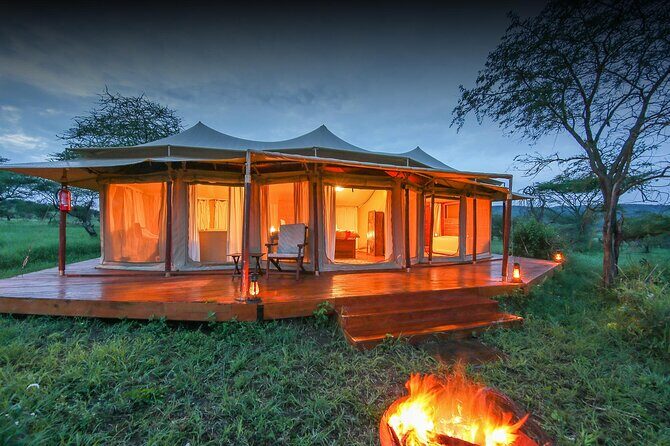
On Day 6, you transfer from Karatu into Serengeti National Park. The transport is by safari vehicle, and you’re treated to views of the endless plains as you roll toward the park.
Before Serengeti, there’s a traditional Maasai village visit. You’re greeted by the chief, then guided around the nearby boma and given an explanation of Maasai culture. After that, you head toward the Serengeti entry gate, with lunch en route.
This village stop works best if you keep expectations clear. You’re not going to replace a full cultural education trip with one visit, but you can get context that makes the rest of the safari feel less like a nature show and more like a region where people and wildlife are sharing a long, complicated history.
Serengeti at dawn and dusk: herds, predator chances, and optional balloon time
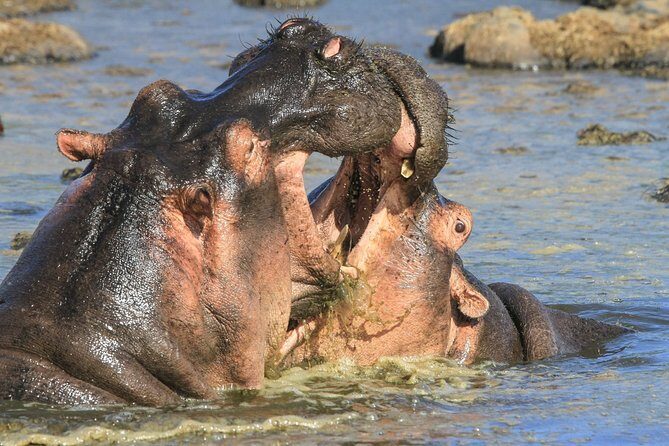
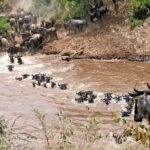
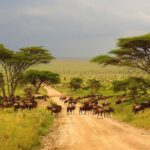
Serengeti is where the timing matters. Day 7 starts with a game drive after breakfast, moving through the eastern, southern, or north part of the park. The goal is to get within a comfortable driving distance of the “massive herds,” and the plan notes that this depends on the annual rains.
That’s a big deal because herds don’t show up on a schedule. Guides will try to get you close, but if the herds aren’t where you expect, there’s still plenty of resident game. In practice, what you get is a smart, flexible approach: follow the animals you can find now, not just the animals you hope to see.
Optional hot air balloon: when light and quiet matter
Day 7 includes an optional hot air balloon safari. The pitch is straightforward: an early sunrise flight where you can see herds of wildebeest, buffaloes, and elephants from above, with a quiet, calm feeling over the plain.
I like balloon options because they change how you see the park. Even if you’re excited to be in the vehicle for drives, the overhead view can make the ecosystem look bigger and more connected. If you go, you’ll also want to bundle up for early temperatures.
Day 8: sunrise chances, then a full second day of drives
Day 8 leans into sunrise again. At that time, you may see animals grazing in the beautiful light, and predators can still be hunting before they settle for the day. You can return for a hot lunch or choose a packed lunch to eat at picnic sites in the Serengeti.
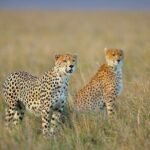
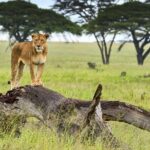
After lunch, you continue game driving, and around dusk you’re encouraged to look for lion. Cheetah can also show up on the plains in the early part of the day, so if you’re paying attention to schedules, take the morning drives seriously.
The drive to Ngorongoro and the sunrise descent: when the day feels different
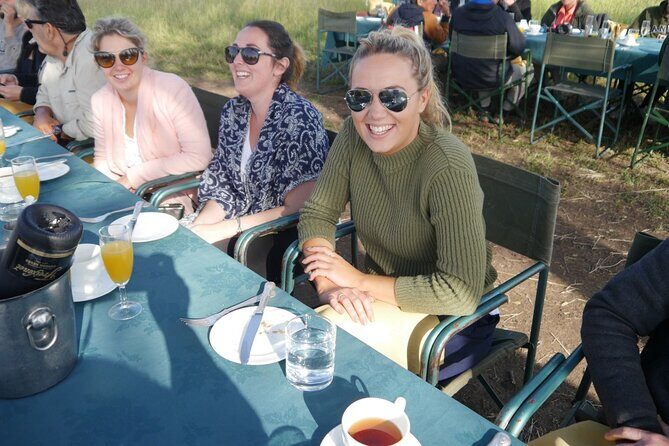
Day 9 is a transition day that still stays active. You start with a morning game drive in Serengeti, with a note of starting by about 8:00. Later you travel to Ngorongoro Conservation Area, and after lunch you drive on to the crater.
You’ll settle into your accommodation, and there’s a hot dinner prepared that night. That’s helpful because the next morning is the heavy-hitter: sunrise and the descent.
Ngorongoro at sunrise: crater wildlife plus big predator odds
Day 10 starts early. You descend around 600 meters into Ngorongoro Crater for a game drive at sunrise. The crater is described as one of the most densely crowded wildlife areas in Africa, and that’s exactly what changes your day: fewer “look for animals” moments and more “look at what’s happening right now” moments.
Animals you might encounter include wildebeest, zebra, buffalo, eland, warthog, hippo, and elephant. Black rhino are specifically mentioned as among Tanzania’s last remaining, which is why Ngorongoro is such a bucket-list destination.
Predators are part of the draw too. Expect possible sightings of lions, hyenas, jackals, cheetahs, and leopard, which is described as elusive and sometimes requiring a trained eye.
There’s also a mention of exploring Lerai Forest with its yellow-barked acacias, looking for giant-tusked elephants. You’ll also be searching for rare black rhino. That combination—open-crater action plus forest searching—keeps the drive from feeling monotonous.
Price and value: what $3,946.16 gets you (and where the trade-offs are)
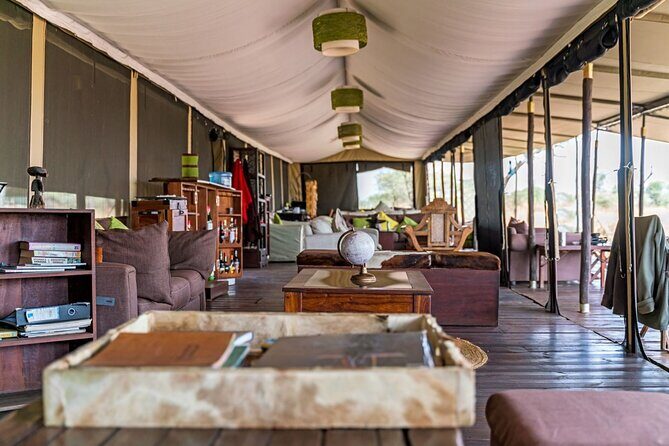
This safari costs $3,946.16 per person for about 10 days. Whether that feels like a deal depends on what you want most: time, variety, and guided logistics.
Here’s what the cost appears to be buying you, based on what the trip includes:
- A multi-park circuit across Tarangire, Lake Manyara, Lake Eyasi, Serengeti, and Ngorongoro
- Multiple game drives spread out so you’re not cramming everything into one day
- Cultural visits in places like MtoWaMbu, plus Datoga and Hadzabe time at Lake Eyasi, and a Maasai village meeting before Serengeti
- Private-tour structure, meaning you’re not sharing the experience with strangers beyond your own group
The trade-off is that you’re doing a lot in a short span. You’ll spend time in transit, and game viewing depends on animal movement and the rains. Also, some standout experiences—like the hot air balloon—are optional, so you’ll want to treat that as extra cost if you add it.
One small but meaningful quality signal: this operator is associated with coordination names like Mr. Manase and Freddy, who are mentioned as making airport meets and the trip flow feel smooth. When you’re crossing big regions, good human coordination matters as much as animal luck.
Who this trip is best for
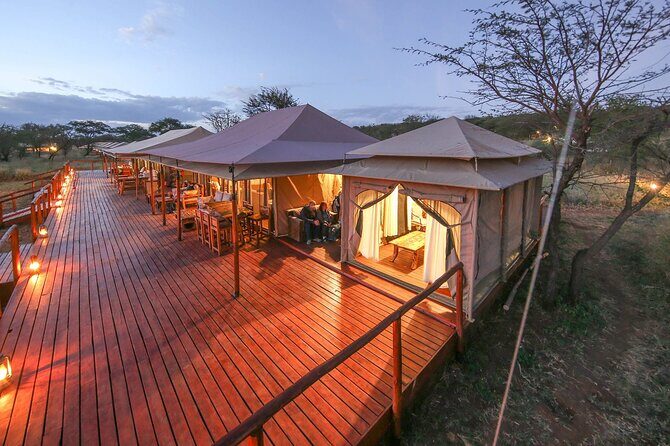
This works well for you if:
- You want a true safari circuit, not just one park.
- You care about both wildlife and people-based cultural visits.
- You like sunrise drives and want the best light for animals.
It might not be ideal if:
- You get restless with long vehicle days and want maximum downtime.
- You’re expecting everything to be the same shape every day regardless of rain and herd movement.
- You’re only interested in one park; this route deliberately gives you several ecosystems.
The trip also asks for a moderate physical fitness level. That doesn’t mean “hardcore hiking,” but it does mean you should be comfortable with early mornings, crater descent logistics, and time outdoors.
Should you book this Tanzania safari with Premium Safaris Africa?
If your top priorities are Ngorongoro wildlife, Serengeti herd chasing, and a meaningful cultural add-on at Lake Eyasi, then this is a strong fit. The biggest selling point is how the days are arranged to give Ngorongoro real focus, not just a quick pass.
I’d recommend booking if you’re excited by a mix of elephants, predators, crater scenes, and guided cultural meetings. I’d hesitate only if you hate early starts or you don’t want any vehicle time between parks.
If you do book, plan to pack for cool mornings, keep your schedule flexible (animals set the agenda), and bring the right attitude for cultural visits: respectful questions, slow observation, and a willingness to learn what daily life looks like for people living close to these landscapes.
FAQ
Is pickup offered for this tour?
Yes, pickup is offered.
Is this a private safari?
Yes. It’s listed as a private tour/activity, meaning only your group will participate.
What is the duration of the experience?
The experience is listed as 10 days (approx.).
What time of day does the experience operate?
Opening hours are listed as 6:30 AM to 6:30 PM, Monday through Sunday.
What fitness level do I need?
Travelers should have a moderate physical fitness level.
Can I cancel for free?
Yes. Free cancellation is available if you cancel up to 24 hours in advance for a full refund.