REVIEW · DAR ES SALAAM
8 Days Safari to Mikumi, Ruaha & Udzungwa Mountains
Book on Viator →Operated by Gecko Adventure Tanzania · Bookable on Viator
Big animals and big views, in one route. This 8-day Tanzania safari mixes Mikumi National Park game drives with Ruaha National Park elephant country, then finishes with the mountain air and the long hike to Sanje Waterfalls in Udzungwa. It’s a good way to see the southern circuit without doing the usual northern highlights.
I like the off-the-main-route feel: Mikumi’s setting between mountain ranges and the Rift Valley escarpment makes the drives feel varied, not just repetitive tracks. I also like that the schedule gives you real time in the parks, with multiple full safari days rather than a rushed stop-and-snap approach.
One drawback: parts of the trip need stamina. The Sanje Waterfalls trek runs about 6 to 7 hours (including a rest break), so if you’re not comfortable walking for that long, you’ll feel it. And like many safaris, it also depends on decent weather to run as planned.
In This Review
- Key Points You Should Know Before You Go
- Entering Tanzania’s Southern Circuit: Why This Route Works
- Mikumi National Park: Game Drives, Towers, and Elephant Chances
- Ruaha National Park: The Elephant Days You Came For
- Udzungwa Mountains National Park: Sanje Waterfalls and a Real Trek
- Isimila Stone Age Site and Kitonga Mountain Lunch: A Break From Safari
- 4×4 Logistics, Timing, and What Your Body Should Expect
- Guides and Service Style: What the Best Trips Get Right
- Value for $1,995: What You’re Paying For
- Who This Safari Fits Best
- Should You Book This Safari?
- FAQ
- How long is the safari and where does it start?
- What time does the trip start?
- What parks and activities are included?
- What does the price include?
- Is pickup available?
- What if the trek or safari can’t run due to weather or traveler minimums?
Key Points You Should Know Before You Go
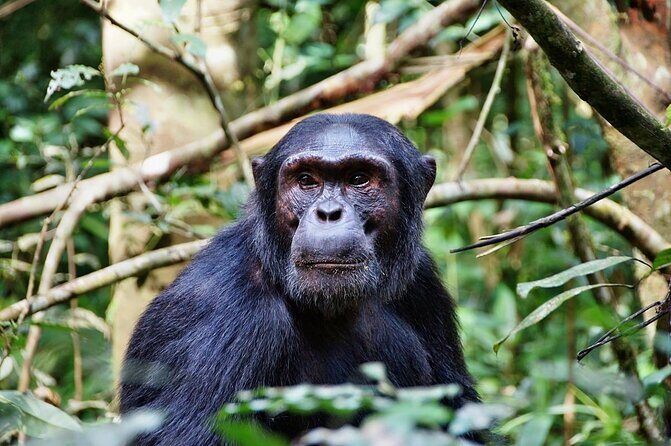
- Elephant focus in Ruaha: Ruaha is famous for higher elephant concentration than other parks in East Africa.
- Two different styles of safari: Mikumi is a classic game-drive setup; Ruaha leans into long sightings and big mammal density.
- Sanje Waterfalls trek is the highlight and the workout: gentle route, but long (6 to 7 hours) and requires people who are physically fit.
- Stone Age plus mountain scenery: Isimila Stone Age Site and a lunch stop at Kitonga Mountain round out the adventure.
- Small group size: max 12 travelers means less chaos around sightings and gear.
Entering Tanzania’s Southern Circuit: Why This Route Works
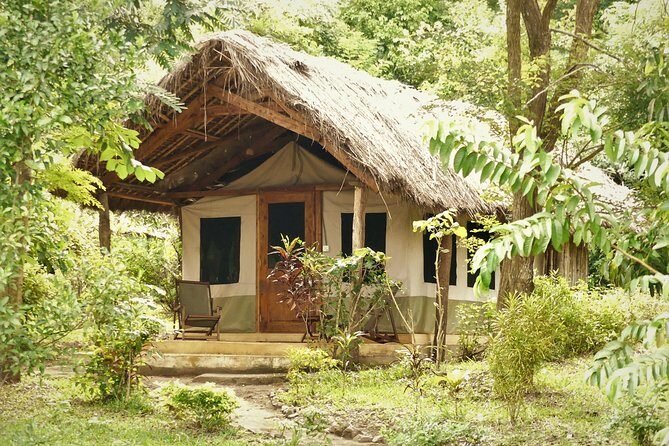
This itinerary is built like a series of different scenes. You start in Mikumi for big-landscape safari time, then shift inland to Ruaha for that strong elephant-and-camouflaged-mammal feel. By the time you reach Udzungwa, the vibe changes: fewer savanna hours, more mountain paths, waterfall views, and cooler air.
If you care about seeing wildlife, Mikumi and Ruaha are the main event. Mikumi gives you an early introduction to Tanzania safari rhythm: drives, observation towers, and the chance at predators if you’re lucky. Ruaha then leans into what you came for—elephants—plus other large mammals like kudu and sable. Udzungwa is where your feet earn the finale.
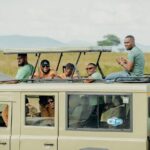
Logistically, you’re moving by 4×4 Land Cruiser with a driver-guide throughout. That matters because the route includes longer stretches between regions and you’ll want a vehicle set up for the roads and game viewing days.
A few more Dar es Salaam tours and experiences worth a look
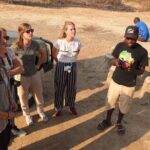
Mikumi National Park: Game Drives, Towers, and Elephant Chances
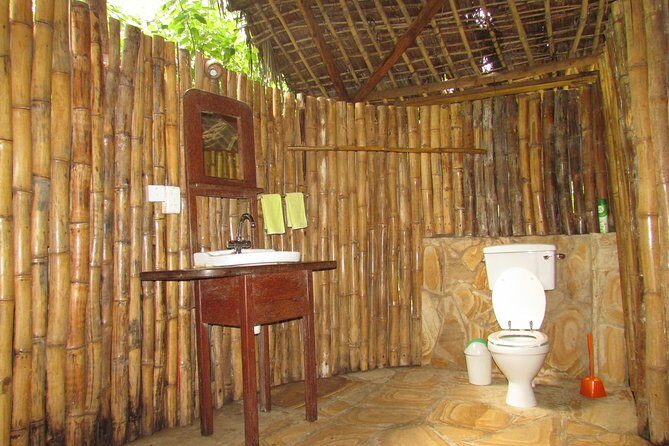
Mikumi National Park is the opening act, and it sets expectations fast. After breakfast, you drive to the park area, grab lunch in Morogoro town, and then you’re back out for afternoon game drives. It’s not just a transfer day—you get real time on the trails early.
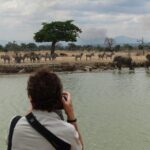
What I like about Mikumi is how many ways you can scan the park. You’ll find observation towers that give you a wide view of the park layout, which helps when animals are scattered rather than gathered in one spot. From those towers, the land starts to make sense: you can see how the habitats connect and where animals tend to move.
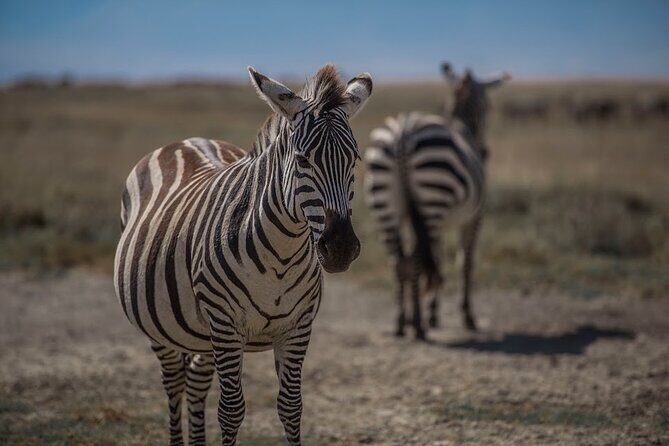
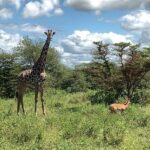
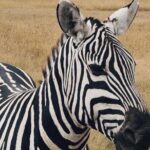
Mikumi’s likely sightings include giraffe, buffalo, elephants, and lots of everyday savanna species. The list you should watch for includes zebras, hippos, hartebeest, wildebeest, impala, warthog, eland, and antelope. If luck is on your side, you might also see lions, leopards, and African wild dogs, which is exactly the kind of long-shot that still feels worth it.
Day 2 is the full Mikumi push. You get both morning and afternoon game drives, and there’s also an optional upgrade: you can arrange a picnic lunch and make it a full-day exploration before returning for dinner. If you want maximum wildlife time, this is the kind of option you should consider, because it’s the easiest way to turn one safari day into two quality viewing sessions without changing your route.
Ruaha National Park: The Elephant Days You Came For
Ruaha is the headliner. You don’t just drive into it—you travel along the Udzungwa mountain chain, cross the Ruaha Great River area, and pass by Iringa for lunch before you reach Ruaha for an evening game drive. That long approach adds variety to the day, and it also helps you shift mentally from “getting there” to “I’m in the game.”
Ruaha National Park is described as the largest park in East Africa after its nearby game areas that are part of the Ruaha system. That matters because it’s one of those places where animals can be spread out, and you’ll want enough time to cover ground and adjust your plans when sightings are thin.
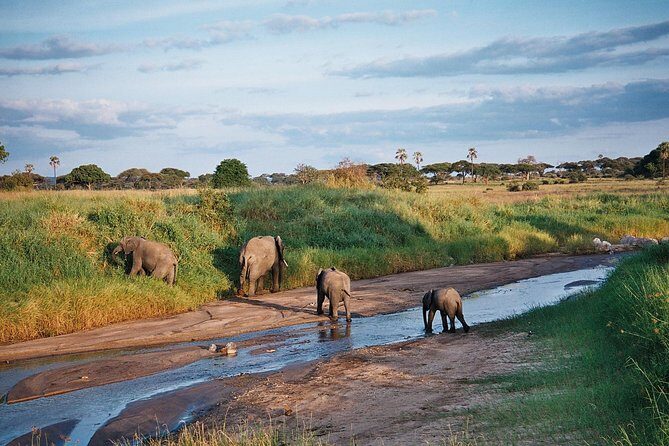
Here’s what Ruaha is famous for: elephants. The trip frames Ruaha as having a high concentration of elephants compared with other East Africa parks. I’d take that seriously. When a safari promises elephant focus, it usually means the guiding style and drive length are aimed at finding and tracking them, not just doing short loops.
You’ll do morning and afternoon game drives on multiple days in Ruaha, including a day where breakfast at the camp is followed by two more long wildlife sessions. During these drives, keep your eyes open for kudu (both greater and lesser), sable, and roan antelopes. Ruaha’s elephant concentration usually also means more opportunities to spot other big mammals in the same general habitat areas.
In plain terms: Ruaha rewards patience. If you’re the type who gets bored on short drives, this is not the place for quick satisfaction. But if you’re excited by animals at their own pace—moving waterlines, slow feeding, and changing light—Ruaha is a very good match.
Udzungwa Mountains National Park: Sanje Waterfalls and a Real Trek
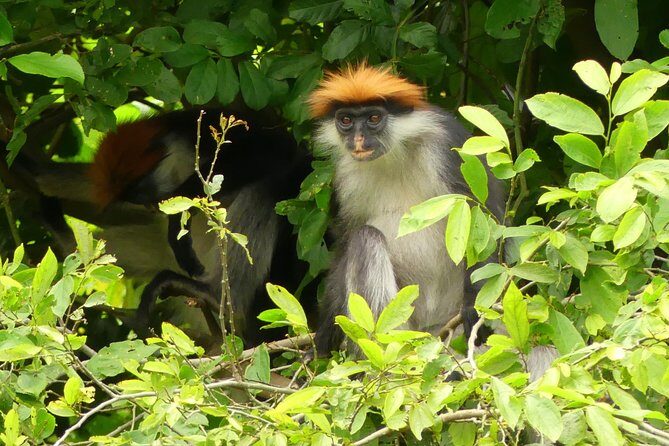
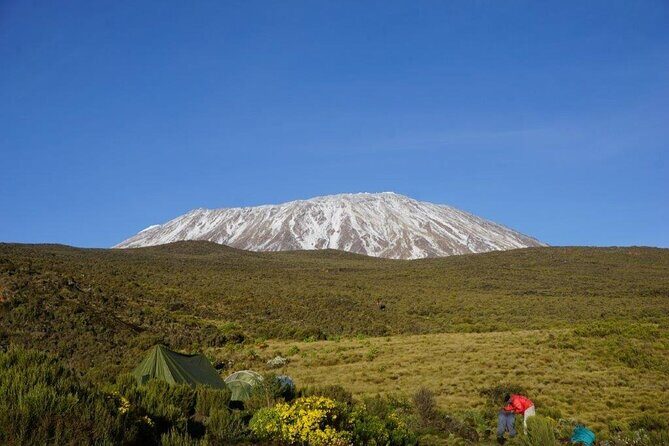
Udzungwa is where Tanzania shifts from savanna to mountains. After breakfast, you drive toward Udzungwa Mountain National Park and start with a short stop at the Isimila Stone Age Site. Then you move on to a lunch stop at Kitonga inn hotel at the foot of Kitonga Mountain, and you arrive at the camp in time for dinner.
Then comes the main Udzungwa day: the trek to Sanje Waterfalls. You’ll collect a packed lunch with a mountain guide and begin a gentle hike to the summit area of the Sanje Waterfalls, which sits at about 750 metres above sea level. The trek is listed as needing people who are physically fit, even though it’s described as gentle.
The total walking time is about 6 to 7 hours, including relaxation time. If you want the practical reality: this is a full half-day commitment. It’s also one of the few moments on this safari where you’re not just sitting in a vehicle scanning landscapes. You’ll be walking, climbing slightly, and stopping often for views and photos.
Swimming is possible at the falls area, which is a fun detail if you bring what you need for it (and if conditions allow). Also, expect the scenery to change as you climb—especially with views toward the Kilombero Sugar Cane plantation from the falls area. That mix of mountain and lowland farming is very Tanzania, very real, and very different from the classic postcard safari look.
Late in the day, you descend back to the lodge for dinner and overnight. That wrap-up is important because it keeps your day from turning into an all-out endurance mission. Still, plan for tired legs.
Isimila Stone Age Site and Kitonga Mountain Lunch: A Break From Safari
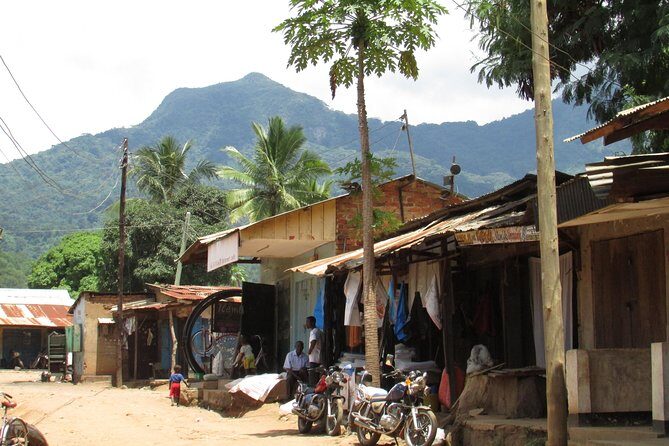
Not every day here is “spot animals.” One day gives you a cultural and historical side stop, plus a scenic lunch.
The Isimila Stone Age Site visit is short, about 21 km from Iringa. You’re not given a long guided museum-style session here, but the stop still adds context to the region beyond wildlife. Even if you’re focused on elephants and waterfalls, I find these shorter historical stops make the trip feel grounded in place.
After that, you lunch at Kitonga inn hotel at the foot of Kitonga Mountain. That detail matters because it’s not just a random restaurant stop. You’re eating at the base of the mountain you’ll be near later, which helps connect the day’s scenery from road to lodge to trekking.
4×4 Logistics, Timing, and What Your Body Should Expect
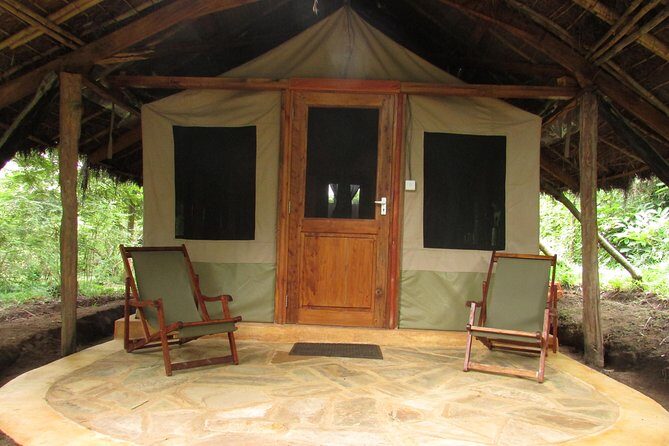
This is an active trip, even though you spend a lot of time in the vehicle. You’ll have long drive days and long wildlife days, then a big trek day. The tradeoff for this style is simple: fewer park transfers, more time where it counts.
Start time is 7:30 am in Dar es Salaam, and most days are built around game drive blocks rather than open-ended sightseeing. That means you’re likely to feel like you’re on safari all the time. For some people, that’s perfect. For others, it can feel intense if you need lots of downtime.
If you’re planning what to pack, focus on comfort for both categories: car time and walking time. You’ll want sun protection for day drives, and you’ll want shoes and clothing that can handle dust and long hours on the trail. Water planning also matters, because you’ll be out for hours at a time.
One more practical point: there’s a maximum of 12 travelers. That smaller cap helps keep the experience calm around sightings and makes it easier for guides to manage everyone when animals appear.
Guides and Service Style: What the Best Trips Get Right
One reason this safari gets a 100% recommendation rate is the human side. The driver-guides show up in the feedback by name, and the themes are consistent: excellent driving skills and real effort to find good viewing spots.
In past trips connected with Gecko Adventure Tanzania, guide names that come up include Hamisi, Basili, Otto, Martin, Juma, Rahim, and Musa. I can’t promise which guide you’ll get, but the pattern is clear: the operator hires people who can handle the route and keep the game drive experience moving.
Driving skill matters in these parks. You’re looking for visibility, road conditions, and safe positioning. If your guide is sharp, you’ll spend more time watching and less time stuck rethinking logistics.
Service-wise, you also get a lot of meals handled: breakfast and dinner are included, along with lunches across the route. That’s a big value lever because you’re not constantly figuring out food stops between parks.
Value for $1,995: What You’re Paying For
At $1,995.00 per person for an 8-day safari, you’re paying for the essentials that usually add up quickly on safari: 4×4 Land Cruiser transport, a driver-guide, park fees, and most meals. Park fees are included, and that can be a major part of the real cost of any Tanzanian safari.
You’re also getting structure: a defined route across three areas with multiple wildlife days rather than a loose itinerary. That structure is what keeps the experience from turning into wasted time.
What’s not included is also important. Drinks, laundry, tips, and personal items are not part of the package. Travel insurance is not included either. If you dislike surprises, budget for those items ahead of time. The easiest “value mistake” on safari is thinking the price covers everything; it doesn’t, but it does cover the core costs that drive the price up.
Who This Safari Fits Best
This is a good choice if you want a southern Tanzania safari with wildlife focus and a serious nature finale. It suits you if you enjoy long game drives, can handle sitting for extended blocks, and you’re ready for the Sanje Waterfalls hike.
You’ll especially like it if:
- elephants are a top priority
- you want a route that feels less crowded than the most famous circuits
- you enjoy mixing wildlife with mountains and a walk
You might want to think twice if:
- long walking (6 to 7 hours) is hard for your body
- you want a fully relaxed itinerary with minimal physical effort
- you’re not comfortable with a trip that runs on weather and operational conditions
Should You Book This Safari?
Yes, if you’re aiming for elephants plus mountains, and you’ll take the trek seriously. This route gives you real wildlife time in Mikumi and Ruaha, then ends with Udzungwa’s Sanje Waterfalls trek—one of the few moments where the day becomes more about your legs than your eyes.
If you’re on the fence, your decision should come down to one thing: the Sanje Waterfalls hike. If you’re physically fit for a long, gentle trek and you’re okay with a full day out, the payoff is huge. If not, you may enjoy the safari parts, but you won’t get the best version of the experience.
FAQ
How long is the safari and where does it start?
The safari is 8 days and it starts in Dar es Salaam, Tanzania. It ends back at the meeting point.
What time does the trip start?
The start time is 7:30 am.
What parks and activities are included?
You visit Mikumi National Park, Ruaha National Park, Udzungwa Mountains National Park, and the Isimila Stone Age Site. You also do a trek to the Sanje Waterfalls with a mountain guide.
What does the price include?
The price includes pickup (as offered), a 4×4 Safari Land Cruiser and driver guide, park fees, and meals. It also includes admission tickets for the listed activities and meals: dinners (7), breakfasts (7), and lunches (8).
Is pickup available?
Pickup is offered. The tour starts in Dar es Salaam.
What if the trek or safari can’t run due to weather or traveler minimums?
The experience requires good weather. If it’s canceled due to poor weather, you’ll be offered a different date or a full refund. If it’s canceled because the minimum number of travelers isn’t met, you’ll be offered a different date/experience or a full refund.