REVIEW · MOSHI
A Definitive Guide For the 7-day Kilimanjaro’s Lemosho Route 2025
Book on Viator →Operated by AFRICA NATURAL TOURS · Bookable on Viator
Kilimanjaro feels more manageable on the long route. This 7-day Lemosho itinerary starts from Moshi, uses camping and meals included in the price, and gives you extra time to acclimatize before the summit push.
I especially like that you’re hiking through multiple habitats—rain forest to moorland to arctic conditions—without cramming everything into a super-short schedule. I also like the practical support: a professional guide, hotel pickup in Moshi town to the gate, and all camping basics handled for you. The main drawback to plan for is that the big line items—park fees, tips, and your personal gear—aren’t included.
In This Review
- Key things that make this Kilimanjaro Lemosho trek worth your time
- The 7-day Lemosho plan: why this extra time matters for summit chances
- Starting in Moshi: pickup, gates, and what gets handled for you
- Day 1: Londorossi Gate to Forest Camp (7,800 to 9,500 ft) in the rain forest
- Day 2: Forest Camp to Shira Camp (9,500 to 11,500 ft) across moorland
- Day 3: Shira (Shira 1 to Shira 2) to Moir Hut (11,500 to 13,800 ft)
- Day 4: Moir Hut to Lava Tower to Barranco Camp (13,800 to 13,000 ft)
- Day 5: Barranco to Karanga to Barafu (13,000 to 15,000 ft) in the alpine desert
- Day 6: Barafu Camp to the summit and down to Mweka Hut (to 19,345 ft and back)
- Day 7: Mweka Camp to Moshi (10,000 to 5,400 ft) through rain forest
- What you’re really paying for: $1,250 value vs. extra costs
- The camp routine and comfort: tents, mattress, meals, and crew energy
- Who should choose this Lemosho trek (and who should think twice)
- Final call: should you book this 7-day Kilimanjaro Lemosho route?
- FAQ
- How long is the Kilimanjaro Lemosho route trek?
- Where does the trek start and where does it end?
- What’s the pickup service included with this trek?
- What’s the highest elevation on this itinerary?
- What are the main habitats you’ll hike through?
- What’s included in the price?
- What’s not included?
- Can I pay Kilimanjaro Park fees through the operator or directly?
- What time of year is best for climbing?
- Is free cancellation available?
Key things that make this Kilimanjaro Lemosho trek worth your time
- Extra acclimatization built in with a 7-day schedule designed to reduce altitude-sickness risk
- More accessible Lemosho profile with a longer, slower build-up than many faster routes
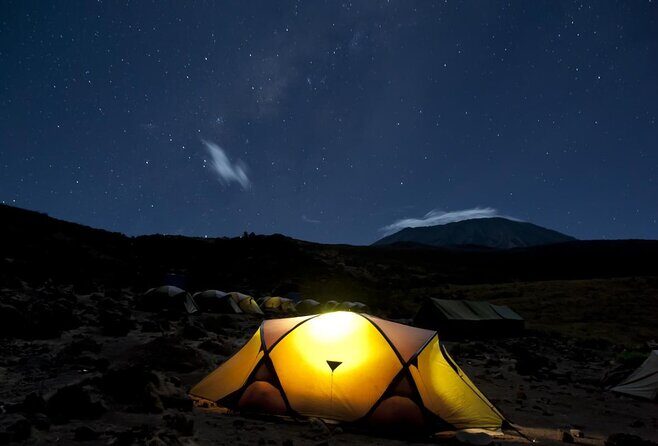
- Camp comfort included (quality tents and a sleeping mattress) plus full meals
- Big elevation change, smart pacing with rest, re-positioning, and recovery days
- Solid logistics around Moshi with pickup to Londorossi Gate and drop-off after the trek
- Small-ish group cap: maximum 50 travelers, so it doesn’t feel like a crowded festival
The 7-day Lemosho plan: why this extra time matters for summit chances
On Kilimanjaro, the biggest enemy is not some scary mountain monster. It’s altitude. The Lemosho approach is popular because it gives your body a slower progression upward, and this specific plan leans into that. The 7-day length is meant to give you an additional day to adapt to the altitude and reduce the chances of altitude sickness, which is common on shorter itineraries.
You should also know when to climb. The best seasons listed are mid-December to March and mid-June to October, when weather tends to be more cooperative. That matters because wind, visibility, and cold can turn a technical day into a miserable one fast.
Still, let’s be honest: no route can guarantee a summit. Even with a smart schedule, you’re dealing with real physiology. What you can do is choose a route that buys you time—and this one does.
You can also read our reviews of more guided tours in Moshi
Starting in Moshi: pickup, gates, and what gets handled for you
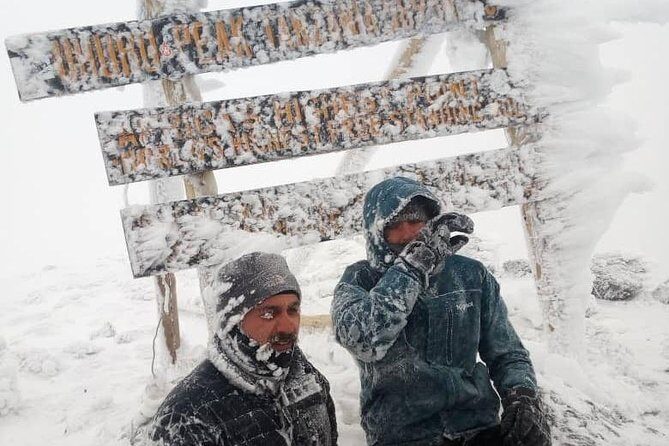
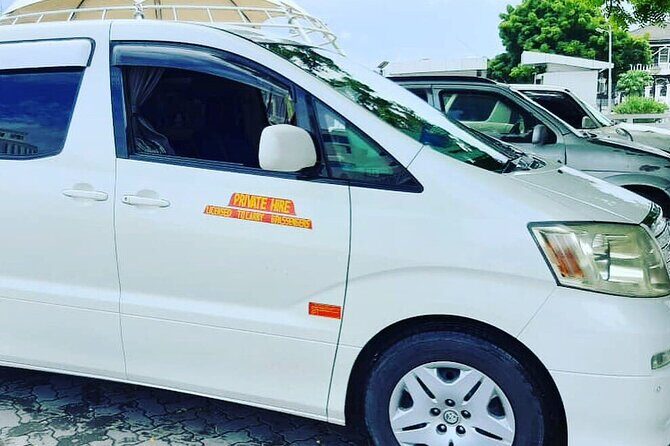
Your trek is based out of Moshi, Tanzania. The experience includes pickup from your Moshi hotel to Londorossi Gate, plus drop-off from Mweka Gate back to your Moshi hotel after the trek ends. That takes away a lot of stress on both ends, especially if you’re arriving without local contacts.
There’s also a briefing before you start and a trekking certificate at the end. You’ll be in a group that stays under a max of 50 travelers, which helps keep things organized with camps, meals, and guiding. You’ll also receive a mobile ticket, which is a small detail, but it’s one less thing to scramble with.
One practical consideration: airport pickup and pre/post trek hotel stays aren’t included. So you’ll want a plan for getting from the airport into Moshi and for the night(s) before and after the hike.
Day 1: Londorossi Gate to Forest Camp (7,800 to 9,500 ft) in the rain forest
Day 1 is your warm-up, and it’s a good one. You hike about 6 km over roughly 3–4 hours, going from around 7,800 ft up to 9,500 ft. The habitat is rain forest, which usually means it feels humid and alive—like you’ve stepped into a green world that’s doing all the breathing for you.
This is a smart way to start. You’re not forcing a big summit-style push on day one. Instead, you’re getting your legs moving, letting your lungs and body wake up to activity at altitude, and settling into the rhythm of trekking with a crew.
If you’re someone who gets anxious at the start, day one helps. It gives you momentum without overwhelming you.
Day 2: Forest Camp to Shira Camp (9,500 to 11,500 ft) across moorland
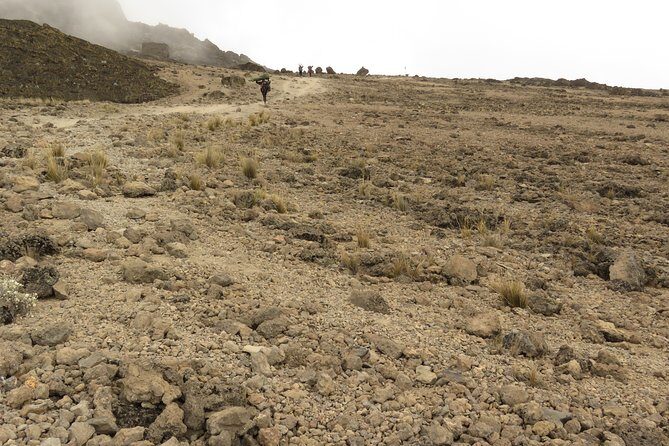
Day 2 brings more altitude and more time on your feet. You move about 8 km and hike 5–6 hours, climbing from 9,500 ft to 11,500 ft. The setting shifts into moorland.
This day matters because it’s where your body starts feeling the altitude more clearly. You’ll likely notice breath rate changes even if you keep a steady pace. The moorland environment can also feel more exposed than the forest stretches, so a consistent pace and layering matter—especially as temperatures shift through the day.
From a trekking strategy standpoint, Day 2 is doing the job of “climb and adapt.” It builds altitude without jumping too aggressively.
Day 3: Shira (Shira 1 to Shira 2) to Moir Hut (11,500 to 13,800 ft)
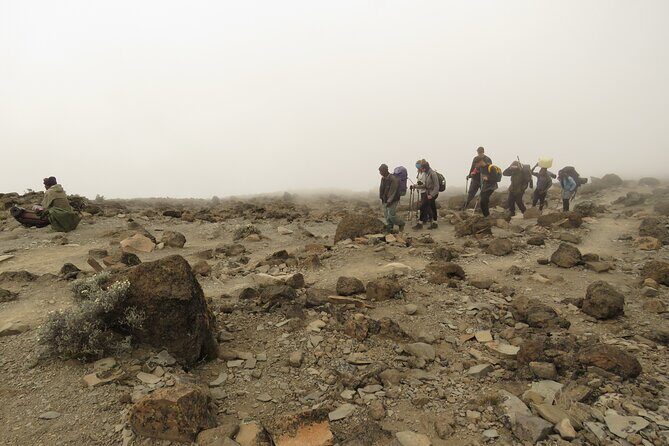
Day 3 is longer and more demanding than Day 1. You hike about 14 km for roughly 5–7 hours, rising from 11,500 ft up to 13,800 ft. You stay in moorland terrain for this portion.
This is one of those days where good pacing is everything. With a longer day, you’re less focused on the summit dream and more focused on technique: control your breathing, don’t spike your effort, and keep your steps steady. That’s how you make altitude feel less like a surprise.
I like that the plan keeps you in the same broad habitat type (moorland) before you start moving into semi-desert and arctic zones later. It gives your body a few days to “learn” the altitude while your environment isn’t totally changing every few hours.
A few more Moshi tours and experiences worth a look
Day 4: Moir Hut to Lava Tower to Barranco Camp (13,800 to 13,000 ft)
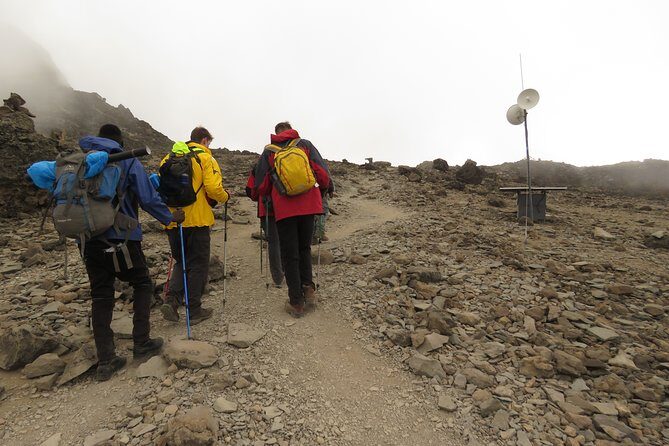
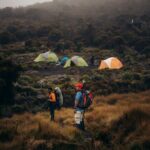
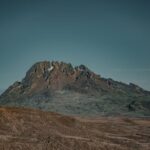
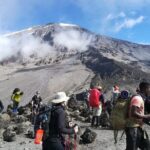
Day 4 is a classic acclimatization-style move. You cover about 7 km in 4–6 hours, but the elevation profile is not just about going up. You start around 13,800 ft, visit the Lava Tower, and finish around 13,000 ft at Barranco Camp. The habitat here shifts into semi desert.
Why is this a good day? Because it follows a pattern that can help your body adjust: move upward to a key point, then drop slightly to recover. In practical terms, that means you’re not just burning energy upward nonstop.
The semi-desert habitat also tends to feel drier and more open. That can make the cold feel sharper when the weather turns. This is also a day when you’ll likely appreciate a guide who knows how to manage pacing without rushing you through the emotional roller coaster of altitude.
Day 5: Barranco to Karanga to Barafu (13,000 to 15,000 ft) in the alpine desert
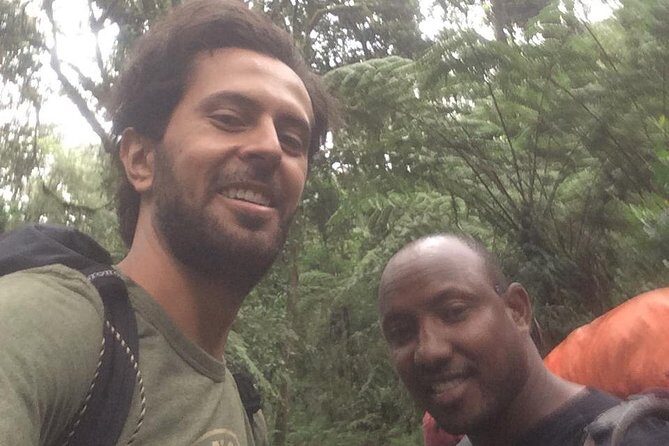
Day 5 is the long one before summit day. You’ll hike about 9 km over 8–10 hours, climbing from 13,000 ft to around 15,000 ft. The habitat is alpine desert.
This is where you feel the trek tighten. Alpine desert often means less shelter, less softness underfoot, and more “thin air” sensation. The elevation gain is significant, but the bigger challenge is time: 8–10 hours asks a lot of your energy reserves and mental focus.
In the provided experience info, the route is positioned as “longer but more accessible,” and Day 5 is the proof. It’s demanding, yes—but it’s also part of building toward Barafu in a way that supports the summit attempt.
If you’re the type who tends to go too fast at the start of hard hikes, this is where you’ll need to slow down on purpose. Your goal is to arrive in reasonable condition for the summit night.
Day 6: Barafu Camp to the summit and down to Mweka Hut (to 19,345 ft and back)
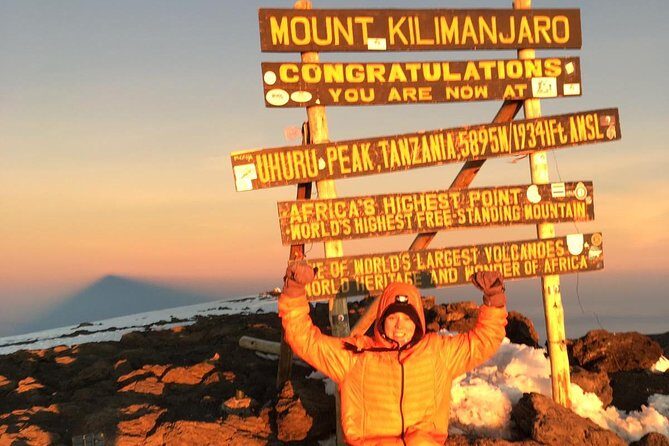
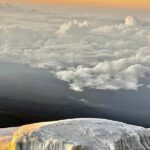
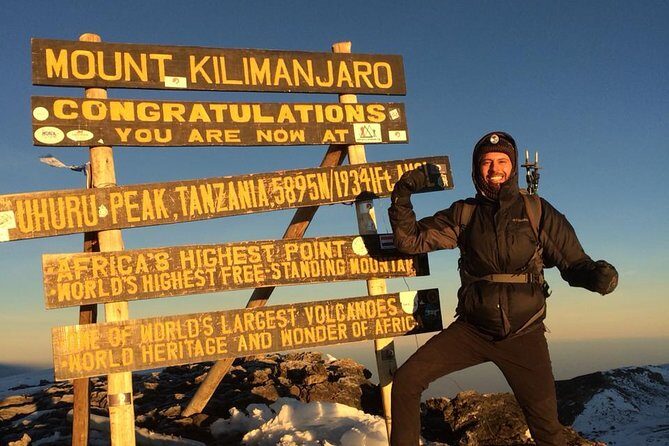
This is the big one. The plan has you making the summit ascent from about 15,300 ft up to 19,345 ft, then descending all the way down to around 10,000 ft at Mweka Hut.
Even though the ascent distance listed is only 5 km, you’ll be hiking about 7–8 hours to get up, then 4–6 hours to descend 12 km. The habitat is listed as arctic, which is your heads-up that cold will be real.
You’re also looking at a day with two very different challenges:
- Summit ascent: endurance under altitude strain, usually slow and controlled
- Descent: your legs will be grateful when you finally start moving downward, but your knees may not be as excited as your lungs
This is where the quality of your guide and crew becomes more than a line on a brochure. In the supplied feedback about this company, people highlighted guides and support staff as positive and helpful. For example, a guide named Edwin was described as knowing the area’s vegetation and animals, and another named Moodie was praised for helping keep the journey comfortable so a summit attempt felt manageable.
Day 7: Mweka Camp to Moshi (10,000 to 5,400 ft) through rain forest
Day 7 is your relief day in the best sense of the word. You hike about 10 km in roughly 3–4 hours, descending from about 10,000 ft down to around 5,400 ft. The habitat returns to rain forest.
After an arctic-feeling summit day, dropping back into warmer, greener conditions can feel almost unfair. But it’s not just nice scenery—it’s a physiological reset. Lower altitude means your breathing calms down, and your body gets a chance to recover without the same altitude pressure.
You’ll end the trek and return to Moshi with the included drop-off from Mweka Gate to your hotel in town.
What you’re really paying for: $1,250 value vs. extra costs
The price listed is $1,250 per person for a roughly 7-day trek. That price is meaningful, but the value depends on what’s included and what you still need to pay.
Here’s the clean split based on what’s provided:
Included in the trek price
- Camping equipment: quality tents and a sleeping mattress
- Food: breakfast, lunch, and dinner during the trekking days
- A professional guide plus briefing
- Trekking certificate
- Pickup from your Moshi hotel to Londorossi Gate
- Drop-off from Mweka Gate back to your Moshi hotel
Not included (plan for these)
- All Mount Kilimanjaro Park Fees (paid directly or via tour operator)
- Tips for mountain crew
- Airport pickup and drop-offs
- Hotel accommodations in Moshi before and after
- Flights (domestic and international)
- Personal hiking gear
So is $1,250 a bargain or just a fair price? For Kilimanjaro, it’s fair—especially because camping gear and full trekking meals are covered, which are costs many people forget when budgeting. The part you shouldn’t underestimate is the add-ons: park fees, tips, and what you need to bring yourself. If you handle those early, you’ll feel in control.
The camp routine and comfort: tents, mattress, meals, and crew energy
On a 7-day Kilimanjaro climb, the “small comfort” stuff adds up fast. This trek includes camping equipment with quality tents and a sleeping mattress. That can change your experience more than you think. When you’re cold and tired, the difference between a rough sleep and an actually usable rest period becomes very real.
You also get breakfast, lunch, and dinner every day during the trek. That means you’re not constantly thinking about food stops while also fighting altitude. It keeps your day predictable, and predictable days are safer days.
The supplied feedback also points to strong hospitality and team kindness. People praised the cook’s meals on the climb and mentioned that guides and porters kept spirits up when the going got tough. If you’re someone who worries about being cold or bored or under-supported, the vibe here is that the crew aims to keep the whole experience functioning smoothly.
Who should choose this Lemosho trek (and who should think twice)
This is a great fit if:
- You want a longer, calmer acclimatization profile that’s designed to reduce altitude-sickness risk
- You’re okay with camping and hiking for multiple consecutive days
- You can handle moderate physical fitness demands
It may not be the best choice if:
- You’re trying to do Kilimanjaro on a tight schedule with minimal training
- You dislike long days (Day 5 and summit day are not short)
- You have limited flexibility for budgeting park fees, tips, and personal gear
One other practical note: with a maximum of 50 travelers, you’re unlikely to feel totally swamped, but you should still expect a group trek feel—shared camp areas, shared logistics, and waiting at certain points.
Final call: should you book this 7-day Kilimanjaro Lemosho route?
I’d book this trek if you want the Lemosho route’s reputation for a smarter acclimatization pace and you’re ready for camping-style trekking. The included gear, meals, and Moshi pickup/drop-off do real work in reducing stress, and the 7-day schedule is exactly the kind of choice that can make altitude feel less brutal.
Before you commit, double-check your budget for park fees, tips, and your personal hiking gear. Also line up your travel timing with the recommended climbing windows (mid-Dec to mid-March, or mid-Jun to October). If you match the season and you’re honest about your fitness, this is the type of Kilimanjaro trip that can turn a terrifying goal into a realistic plan.
FAQ
How long is the Kilimanjaro Lemosho route trek?
It’s listed as 7 days (approx.).
Where does the trek start and where does it end?
The meeting point/start is Africa Natural Tours L.T.D on Mkwawa Avenue in Tanzania. The experience ends back at the meeting point, with a drop-off to your Moshi hotel from Mweka Gate after the trek.
What’s the pickup service included with this trek?
Pickup is included from your hotel in Moshi town to Londorossi Gate.
What’s the highest elevation on this itinerary?
The summit elevation is listed as 19,345 ft (about 5,900 m).
What are the main habitats you’ll hike through?
The itinerary lists rain forest, moorland, semi desert, alpine desert, and arctic conditions.
What’s included in the price?
Included are camping equipment (quality tents and a sleeping mattress), a trekking professional guide, briefing, trekking certificate, and breakfast, lunch, and dinner during the trekking. Moshi pickup and post-trek drop-off are also included.
What’s not included?
Not included are Mount Kilimanjaro Park Fees, tips to the mountain crew, airport pickup and drop-off, hotel accommodations in town before/after the trek, flights, and personal hiking gears.
Can I pay Kilimanjaro Park fees through the operator or directly?
Yes. The information says park fees can be paid direct to the park or via the tour operator.
What time of year is best for climbing?
The recommended seasons are mid-December to March or mid-June to October.
Is free cancellation available?
Yes, free cancellation is offered. You can cancel up to 24 hours in advance for a full refund, based on local experience start time.