REVIEW · MOSHI
4-Day Tarangire Serengeti, Ngorongoro & Maasai Guided group tour
Book on Viator →Operated by MERU SLOPES TOURS AND SAFARIS · Bookable on Viator
Some safaris feel like a checklist. This one feels like motion.
You’re set up to cover Tarangire, spend serious time in Serengeti, then finish with the Ngorongoro Crater’s dense wildlife—without hopping on your own logistics. I really like the clear rhythm: full game-drive days, sunset time, and early start crater viewing.
Two big wins here are the professional guiding (with real animal-spotting skill) and the fact that the trip includes meals and park access so you’re not constantly budgeting day-to-day. One consideration: this is a camping-style experience, and even within the trip you may find some nights involve tent sleeping, so pack for “out there” comfort.
In This Review
- Quick hits: what stands out on this 4-day safari
- Moshi start: the 7:00 am energy and why it matters
- Day 1 Tarangire National Park: elephant focus and dry-season surprises
- Day 2 Serengeti transfer: from farming views to the “Endless Plain” feeling
- Day 3 Serengeti game drive at golden hour, then Simba campsite on the crater edge
- Day 4 Ngorongoro Crater at sunrise: 610 meters down and a lot of wildlife
- Camps, meals, and the real-comfort question
- Guides like Mohamed, Lobulu, and Andrew: why good spotting changes everything
- Price and value: $1,030 is mostly about what’s included
- Who should book this safari, and who might want a different style
- Should you book this 4-day Tarangire, Serengeti, Ngorongoro safari?
- FAQ
- Where does this safari start and what time?
- How big is the group on this tour?
- What meals are included during the safari?
- Are park admission tickets included?
- Is WiFi available during the game drives?
- Can I cancel and get a full refund?
Quick hits: what stands out on this 4-day safari
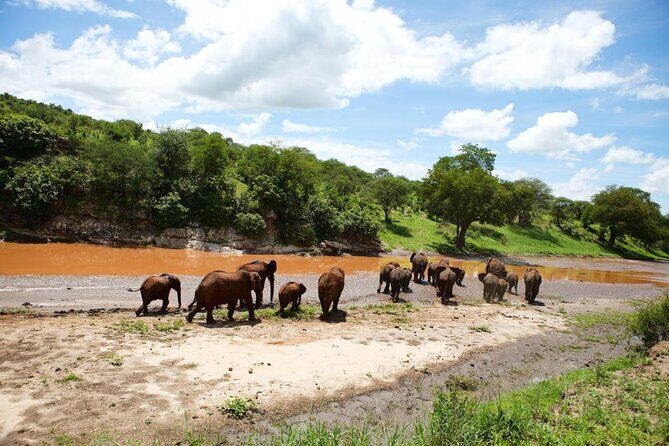
- Tarangire elephants are a major draw, with herds drawn to the waterless river bed.
- Nearly two full days in Serengeti, including a central area sunset game drive.
- Ngorongoro Crater first thing in the morning, when visibility and animal activity are usually at their best.
- Small group size (maximum 18) keeps the safari feeling friendly and flexible.
- WiFi in the safari jeep during the drives can save you some phone sanity.
- Camp food and good pacing are part of the package, with guides and cooks noted for keeping things running smoothly.
Moshi start: the 7:00 am energy and why it matters
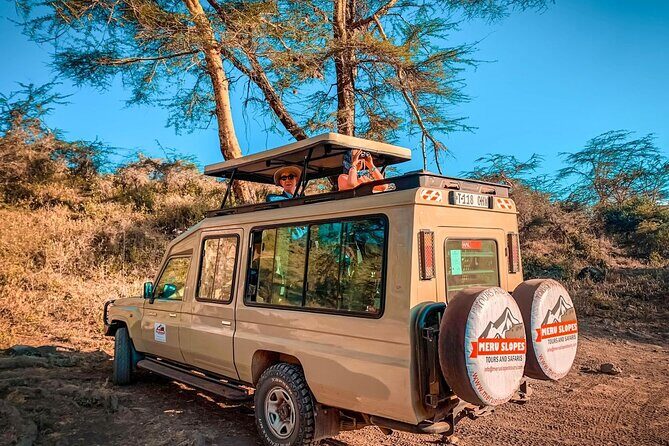
You start in the Moshi area, with the tour set up to begin at Kilimanjaro Airport at 7:00 am. That early start is not just for convenience. It’s how you catch the cooler hours when animals are moving and the light is good for photos.
This is also a guided group trip with a maximum of 18 people. That size is a sweet spot. Big enough that you won’t feel awkward, small enough that your guide can still manage where you stop and when you move.
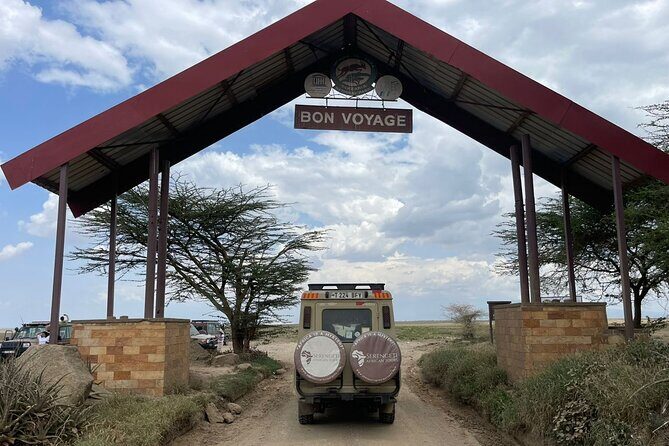
You’ll be in a safari jeep with a professional guide, and you’ll have WiFi inside the jeep during the entire safari. WiFi won’t replace what you came for, but it’s handy for messaging home, checking maps when you’re back on your feet, and killing time between game-drive spots.
You can also read our reviews of more guided tours in Moshi
Day 1 Tarangire National Park: elephant focus and dry-season surprises
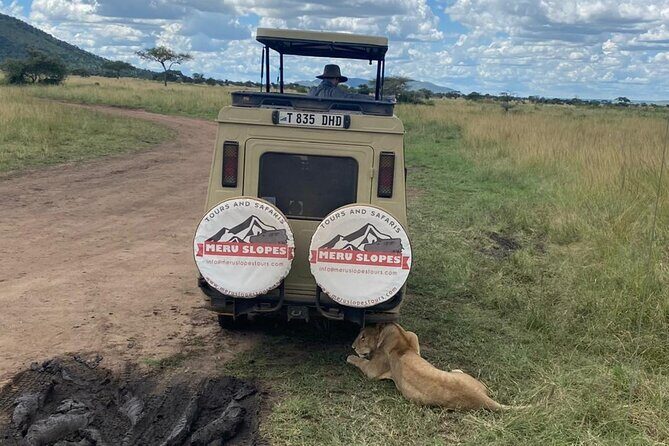
Tarangire is the kind of park that hits you fast. The signature theme here is water. During the dry season, animals concentrate around the remaining water sources, and that’s when Tarangire becomes a real show.
Expect a full day game drive in Tarangire National Park, plus picnic lunch (packed for you in the field). The big headline is elephants: the park is known for herds of up to around 300 elephants using the waterless river bed to scrape for what’s left. That detail matters because it explains why Tarangire can feel so active even when other areas go quiet.
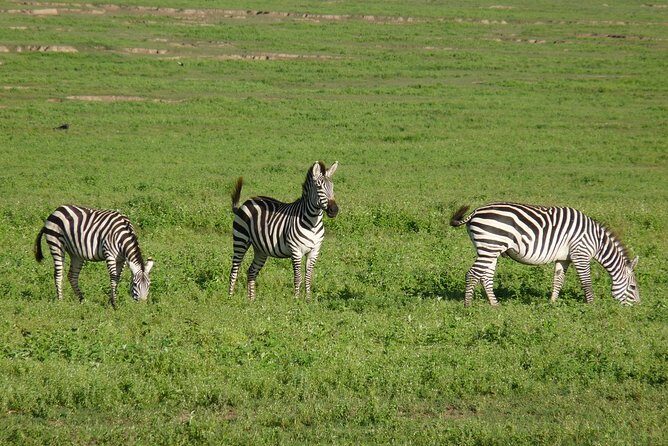
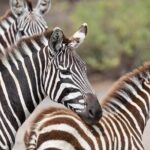
Beyond elephants, you’re also in “predator buffet” territory. In Tarangire, you’ll likely see zebra, buffalo, impala, gazelle, hartebeest, eland—and you might spot some of the dry-country special types, like fringe-eared oryx and gerenuk (long-necked browsers). These are the animals people remember because they look like they were designed for hard times.
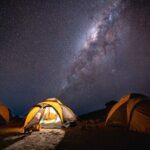
Logistics-wise, you’ll have dinner and overnight at Sun bright campsite. Campsite nights are where this tour becomes more “real Africa camping” and less “hotel on wheels,” so keep your expectations matched to the experience style.
Practical tip: On Day 1, if you care about photos, bring a camera strap you can trust and a light layer for early and late drives. Tarangire’s action can start before you fully feel awake.
Day 2 Serengeti transfer: from farming views to the “Endless Plain” feeling
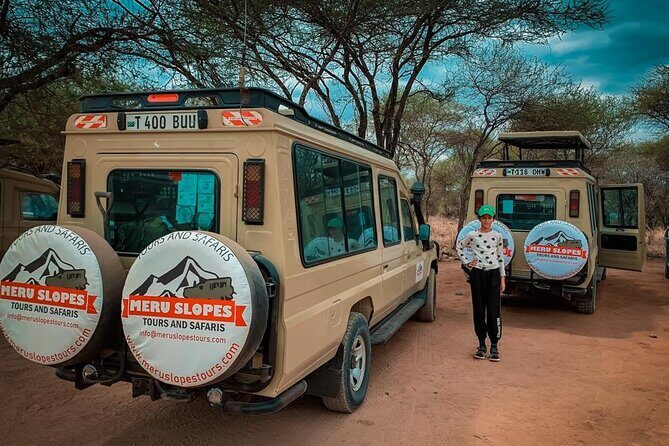
After breakfast, you drive toward Serengeti, with time passing through the Ngorongoro Conservation Area. The morning-to-afternoon travel is part of the day’s value. You’re moving through different habitats and getting your bearings for what Serengeti will look like once you’re truly in it.
As you travel, you’ll have views over the Ngorongoro Caldera—a huge, old volcanic bowl—before you continue on. Then you roll onward to Serengeti, reaching the park by late evening.
Once you’re in Serengeti, you’re in the place people talk about for a reason: the endless plain vibe. The guides on this kind of safari typically use the “where food is, animals follow” logic. That’s especially true because the dry season shifts animal movement across the park.
Serengeti’s draw in this season isn’t just random wildlife sightings. It’s the bigger story of the wildebeest migration and the way the ecosystem rearranges itself. When drought pushes animals to different watering and grazing areas, predators follow those moving lines. That’s why Serengeti can feel like you’re watching a live map redraw itself each day.
You’ll sleep at Seronera campsite inside Serengeti, then get ready for a more intense wildlife schedule on Day 3.
Practical tip: If you’re the type who gets antsy during long drives, bring a small snack and a reusable water bottle. You’ll thank yourself when the day’s pace stays active.
Day 3 Serengeti game drive at golden hour, then Simba campsite on the crater edge
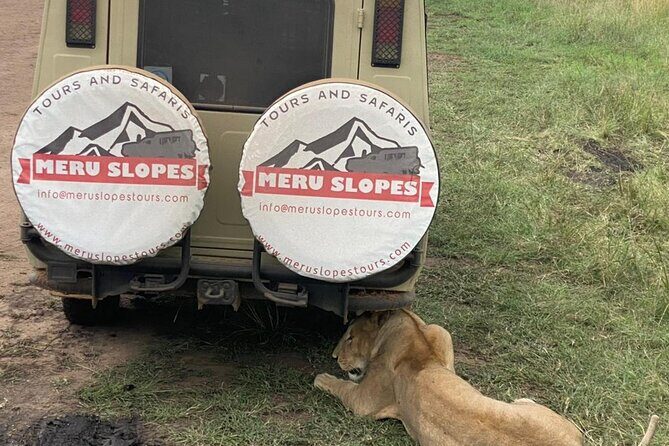
Day 3 is where the safari starts to feel like two different worlds in 24 hours.
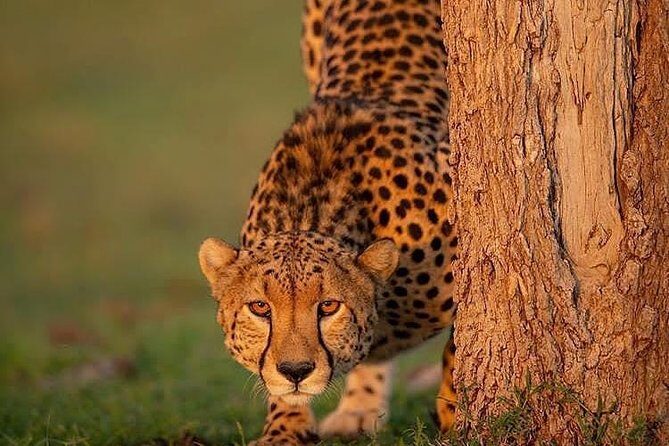
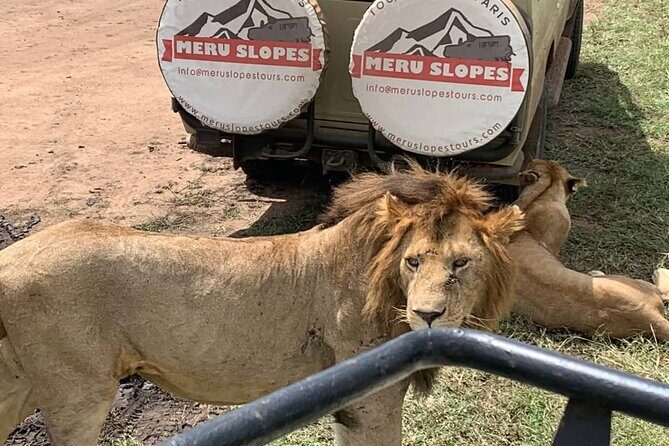
You begin with an early coffee, then go back out on game drive in Serengeti. There’s a good chance of seeing the classic big predators and large mammals—lion, elephant, buffalo, rhino, and leopard are specifically mentioned as possible sightings—though no guide can promise the full set. The value here is that you’re not rushing. You’re going out again while animals are still active.
Then the day changes gears as you head toward the Ngorongoro Crater. From the crater edge you’ll get your first glimpse of what’s coming: streams, open grassland, and concentrated wildlife. You’ll sleep at Simba campsite directly on the crater’s edge with sunset light playing across the surroundings.
That crater-edge night is one of the best parts of this whole trip. You get the feeling that the next morning isn’t just another drive—it’s a viewing window into a compact ecosystem where animals are often close enough for your guide to point out subtle behavior.
Practical tip: Pack for temperature swings. Mornings around the crater edge can feel crisp, and the same day can include warm sun hours in the jeep.
Day 4 Ngorongoro Crater at sunrise: 610 meters down and a lot of wildlife
If you want the crater experience done right, early matters. This day begins with sunrise views over the crater’s edge, then breakfast before you drive down into the crater itself.
Ngorongoro is a UNESCO World Heritage site and often described as one of the great ecosystems on Earth. The big numbers people remember are that the crater is about 610 meters deep and covers roughly 260 square kilometers. Those figures aren’t trivia. They help explain why this place can feel so densely alive.
The crater is also known for a heavy animal concentration—around 25,000 animals is referenced—so game viewing can be strong. In many safaris, you drive and wonder if you’ll find enough wildlife. Here, you’re driving into a natural bowl where animals don’t have to wander far to be seen.
You’ll look for wildebeest, zebra, gazelles, elephants, and more as you go down the track and settle into crater viewing time. After the crater portion, you’ll head back toward Arusha later.
Practical tip: Don’t overpack your day with distractions. On crater days, your best photos often come when you’re quietly watching for movement—then snapping at the right moment.
A few more Moshi tours and experiences worth a look
Camps, meals, and the real-comfort question
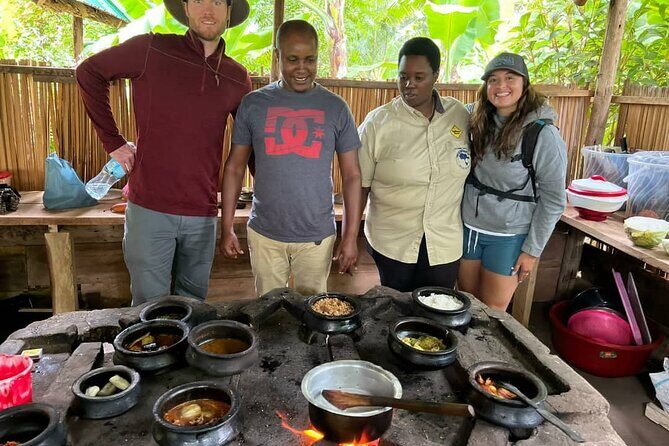
This safari is organized around camping-style nights at Sun bright campsite, Seronera campsite, and Simba campsite. The good news: meals are included and planned for you, which keeps the trip from becoming a series of “where can we eat?” problems.
Included meals list looks like this:
- Breakfast (3)
- Lunch (4)
- Dinner (3)
In the field, picnic lunches help keep time for viewing rather than returning to town for food. Camp dinners also tend to be the moment you relax and hear stories from the day—especially when your guide is the type who enjoys explaining what you’re seeing and why animals choose certain spots.
One real consideration: a review mentioned tent sleeping on some days. That means you should prepare for variable comfort. Don’t assume every night will feel the same, and don’t assume you’ll have a hotel-level bed experience.
Practical tip: Bring a warm layer for evenings, and if you’re sensitive to sleep conditions, consider packing small comfort items you trust (earplugs, a liner, or a compact pillow).
Guides like Mohamed, Lobulu, and Andrew: why good spotting changes everything
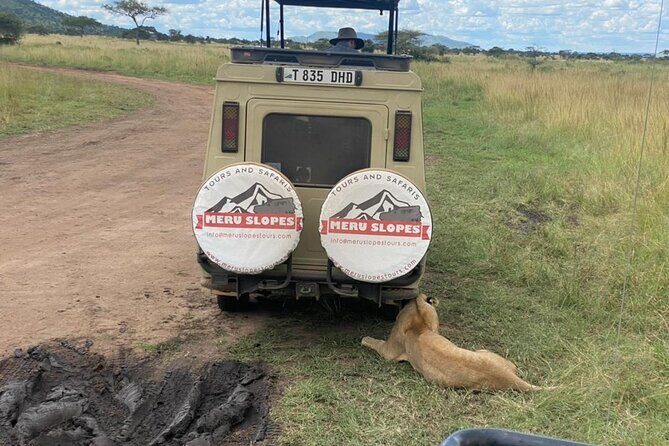
On safari, you can’t control wildlife. But you can control how long you’ll spend in the right places, and that’s where your guide matters.
This operator’s guides are noted for careful driving, animal-spotting, and giving clear explanations. Names that come up include Mohamed, Lobulu, Julias, Andrew, Jacob, Douglas, Abdul, Robert, Florian, and Salehe. The consistent thread is not just that they can find animals—it’s that they help you understand what you’re looking at.
You’ll also get support that makes the day feel organized, not chaotic. Guides are said to stop multiple times for photos and to get ahead of other off-roaders, which can mean less congestion at your viewing spots. On top of that, careful driving matters. You want a jeep that moves smoothly over rough ground and keeps the trip steady so you can focus on the eyes-on-wildlife part.
Food support is part of the safari team too. Cooks such as Moshi, Rashid, and Yojan are mentioned for producing top-tier camp meals. If meals are a highlight for you, this is worth paying attention to.
Practical tip: When your guide stops, don’t rush to get out and start walking around. Wait for the full instruction—your best shots often come after the guide points out exactly what to watch.
Price and value: $1,030 is mostly about what’s included
At $1,030 per person, this isn’t the cheapest way to do a 4-day safari from Moshi. But it’s also not a bare-bones “drive-by wildlife” deal.
What you’re paying for is a lot of included value:
- Professional guiding through multiple major parks
- Admission ticket free indicated for the parks
- Pickup offered, plus airport-focused start timing
- All meals listed (breakfast, lunch, dinner)
- Lodging at camps inside the safari circuit
- WiFi in the safari jeep
So the price makes more sense when you compare it to the cost of piecing together transport, park access, guides, and meal planning separately. The “hidden value” here is time. You don’t want to lose prime wildlife hours to admin chores.
One more note: tips are not included. That’s normal on safari, but it’s still a cost to plan for so it doesn’t surprise you at the end.
Who should book this safari, and who might want a different style
This trip is a strong fit if you:
- Want a big geographic sweep (Tarangire → Serengeti → Ngorongoro)
- Like the idea of camping nights in a guided, organized way
- Care about seeing a lot of wildlife with a guide who can help you spot and interpret
It may be less ideal if you:
- Want a hotel-only comfort level every night
- Get unhappy when sleep conditions vary (tents can happen)
- Prefer a looser schedule where you spend lots of time in one area without moving
If you’re a first-time safari person, this route is a solid introduction because each park delivers a different “feel.” If you already know Tanzania, it’s still a good “great hits” combination without forcing you to plan every day yourself.
Should you book this 4-day Tarangire, Serengeti, Ngorongoro safari?
I’d book it if you want your time to be spent where wildlife actually is, not where paperwork lives. The strongest reasons are the full Tarangire day, the nearly two days in Serengeti (including sunset viewing), and the early crater-down timing at Ngorongoro.
Before you hit confirm, check your comfort expectations. Camping is part of the deal, and at least some nights can mean tent sleeping. Also, if you’re chasing one specific animal, keep your expectations flexible. Serengeti and Ngorongoro are good for big sightings, but wildlife is wildlife.
If that sounds like your kind of trip—early starts, long game drives, and camp evenings with stories—this is a very workable, good-value way to see Tanzania’s top safari stops in just four days.
FAQ
Where does this safari start and what time?
The tour starts at Kilimanjaro Airport with a start time of 7:00 am. Pickup is offered.
How big is the group on this tour?
The group size has a maximum of 18 travelers.
What meals are included during the safari?
Meals included are breakfast (3), lunch (4), and dinner (3).
Are park admission tickets included?
Yes. The tour lists Admission Ticket Free for the activities in the parks.
Is WiFi available during the game drives?
Yes. Free WIFI is available inside the safari jeep during the entire safari.
Can I cancel and get a full refund?
Yes. You can cancel up to 24 hours in advance for a full refund. If you cancel less than 24 hours before the start time, the amount paid is not refunded.