REVIEW · MOSHI
The 6 Days Kilimanjaro Climbing Tour via Machame Route in 2025/26
Book on Viator →Operated by Kiliserengoro Climbing Tour Operator · Bookable on Viator
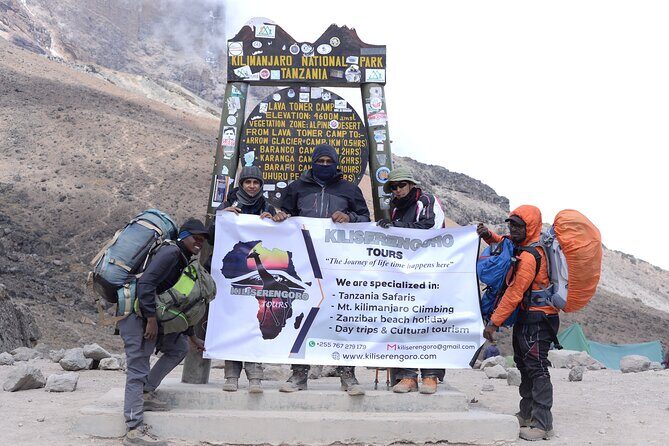
Kilimanjaro on a tight six-day clock is a special kind of test. This 6 Days Kilimanjaro Climbing Tour via Machame Route is built for people who want a classic route with Machame’s quick altitude profile, moving you into higher country sooner so your body can start adapting. I also like the hands-on feel from the guide-and-porter crew—in the reviews I saw named guides like Baraka and Buda supporting people all the way to Uhuru Peak or helping them finish strong even when conditions got rough.
The main thing to consider is the schedule: this is not a casual hike. Day 4 runs long, and then you start the summit push around midnight with very short sleep, so you’ll need a solid pace and good stamina for big elevation gains and losses in quick succession.
In This Review
- Quick hits: what you’ll notice on the Machame route
- Why the Machame Route works for a six-day climb
- Six days of altitude: the itinerary, explained like a trail guide
- Day 1: Moshi to Machame Gate, then up through the rainforest to Machame Camp
- Day 2: From Machame area to Shira Plateau country (moorland)
- Day 3: Shira to Lava Tower area, then down to Barranco Hut for acclimatization
- Day 4: Barranco to Barafu—full day hiking, then you prepare for the midnight summit
- Day 5: Summit night (midnight to 2am start) via glaciers to Stella Point and back down
- Day 6: Descent to Mweka Gate and back to Moshi
- Food, camps, and crew support that can make or break your mood
- Gear and pacing: how to survive Machame’s steep ups and downs
- Price and value: is $2,000 fair for this kind of package?
- Who this tour suits best (and who should rethink)
- Should you book the 6 Days Kilimanjaro Machame climb in 2025/26?
- FAQ
- Where does the tour start, and what time do we begin?
- How long is the Kilimanjaro climb?
- Is pickup included, and does the tour end back in Moshi?
- What meals are included in the package?
- What is not included in the price?
- When do you start the summit attempt?
- What happens if the trek can’t run due to weather?
Quick hits: what you’ll notice on the Machame route
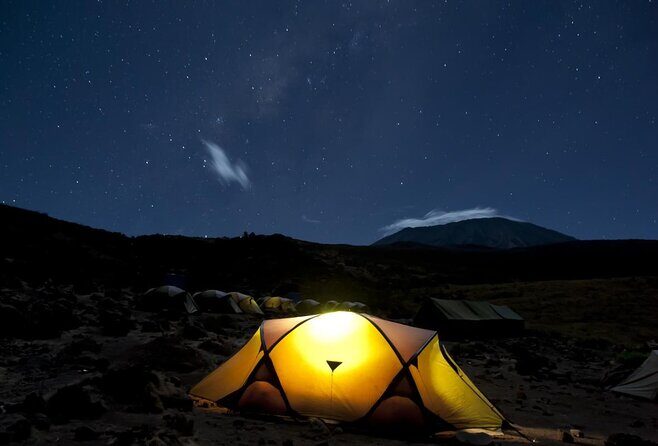
- Fast acclimatization rhythm: you move into high terrain early, then build carefully toward the summit attempt.
- Rain forest to arctic zones in six days: you’re switching habitats and temperatures almost every day.
- A brutal Day 4 + Day 5 combo: long hiking, then an overnight summit push.
- Park fees covered: the tour lists all fees and taxes plus daily admission tickets.
- Crew support is a highlight: multiple reviews mention guides and porters staying attentive.
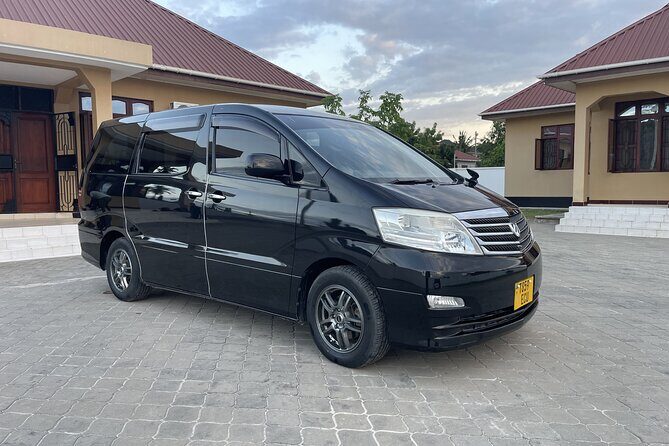
- Moshi logistics stay simple: pickup is offered and you end with a drive back after the descent.
Why the Machame Route works for a six-day climb
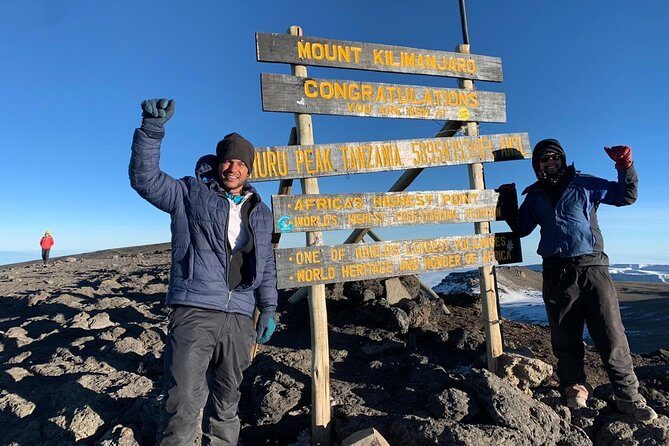
If you only have about six days, Machame is one of the routes that makes the most sense. The big reason is its acclimatization profile: compared with other six-day options, Machame takes you to higher elevations quicker (you’re in the 12,500 ft to 13,000 ft range by Day 3), and that helps many hikers start adapting sooner.
But that advantage comes with a tradeoff. Machame is described as difficult, and the itinerary is packed with steep elevation changes. In plain terms: your success depends less on wishful thinking and more on whether your body can handle long walking days at high elevation.
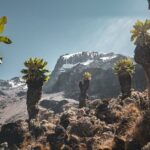
It also helps that Machame has variety. You start in rainforest country, then shift through moorland and semi-desert, and later you’re hiking through alpine desert and arctic-feeling zones. That change matters because it affects how you feel—wind, cold, dry air, and sudden shifts in conditions are part of the deal on Kilimanjaro.
A few more Moshi tours and experiences worth a look
Six days of altitude: the itinerary, explained like a trail guide
Here’s what to expect day by day, with the “why it matters” behind each segment.
Day 1: Moshi to Machame Gate, then up through the rainforest to Machame Camp
You leave Moshi and drive roughly 50 minutes to the national park gate, then head into the forest on a winding trail up a ridge. This first stretch can be muddy and slippery, especially lower down, so gaiters and trekking poles aren’t “nice-to-have” gear. They can be the difference between steady steps and constant slips.
You’ll hike about 6 hours to reach Machame Camp. This is your warm-up day, but don’t underestimate it. The elevation ramps quickly enough that your body notices even when the hiking feels manageable.
Why this day is valuable: you’re getting your legs moving, meeting your rhythm, and starting acclimatization in the gentler setting of rainforest terrain.
Day 2: From Machame area to Shira Plateau country (moorland)
After breakfast, you climb out of forest glades and into higher terrain where vegetation changes. The route goes along a steep rocky ridge covered with heather, then turns toward a river gorge.
The hike time is about 4 to 6 hours, with elevation roughly 9,400 ft to 12,500 ft, distance around 5 km. You end at the Shira campsite.
Why this day matters: this is where the route starts stacking altitude on you. You’re not yet in the harshest climate, but you’re moving upward quickly enough that a lazy pace can backfire.
Day 3: Shira to Lava Tower area, then down to Barranco Hut for acclimatization
Day 3 is a key acclimatization day and one of the more scenic-and-strategic parts of Machame. You continue ascending from the Shira Plateau, heading along a ridge and passing key junctions. The route references major waypoints like the Lava Tower, sometimes nicknamed the Shark’s Tooth, then you continue toward the Arrow Glacier area at about 16,000 ft.
Then comes the part many hikers appreciate: you don’t stay high the whole time. You head down to Barranco Hut at about 13,000 ft.
The itinerary lists about 6 to 8 hours and roughly 12,500 ft to 13,000 ft for the day’s range, with a total distance listed around 10 km.
Why this day is valuable: you go high, you come down. That’s acclimatization in action—staying high too long can be rough, but doing a high push followed by a drop helps your body process altitude before the hard days ahead.
Day 4: Barranco to Barafu—full day hiking, then you prepare for the midnight summit
Day 4 is often where Machame starts feeling like a serious mountain climb. You leave Barranco and hike via a steep ridge, passing the Barranco Wall, then move through the Karanga Valley campsite zone before continuing up to Barafu Hut.
This day is listed at 9 hours of hiking, with elevation around 13,000 ft to 15,000 ft, distance about 9 km.
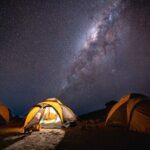
Here’s the practical reality: after you reach Barafu, you rest, eat dinner, and prepare for the summit night. The itinerary style is clear—this is the staging day right before the longest and hardest effort.
Why this day is the biggest warning sign: because Day 5 starts so soon after. Even with a good plan, you’ll feel the fatigue you carried into Day 4.
Day 5: Summit night (midnight to 2am start) via glaciers to Stella Point and back down
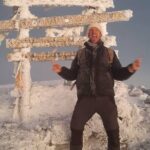
This is the hardest day in your whole trip. The schedule starts between midnight and 2:00 am, and you ascend through heavy scree toward Stella Point on the crater rim. The route runs between the Rebmann and Ratzel glaciers, and Stella Point is listed at 18,600 ft.
The itinerary calls this the mentally and physically challenging portion. You’ll want to slow your pace, stay patient, and protect your energy like it’s gold. The turnaround moment is the sunrise at Stella Point, weather permitting.
Then you continue and the day includes a major descent. The tour notes about 8 hours total hiking time (as listed), including descent, with the day’s elevation described from about 15,300 ft up to 19,345 ft, and then down to around 10,000 ft.
Why this day is so intense: you’re walking for long stretches at extreme altitude with minimal sleep. The tour details that the summit day includes only 4 to 6 hours of sleep, which is why your body prep and hydration matter as much as your legs.
Day 6: Descent to Mweka Gate and back to Moshi
You finish with a long but shorter-feeling descent. The itinerary covers descending from about 10,000 ft to 5,400 ft, then continuing down to the Mweka Park Gate for your summit certificates.
Once you’re at lower elevations, expect it to be wet and muddy again. The tour specifically points out gaiters and trekking poles for this section.
After a bit of additional time from the gate to Mweka Village, you meet a vehicle and return to your hotel in Moshi.
This final day is listed at about 3 to 4 hours of hiking and roughly 10 km.
Why day 6 is satisfying: your legs get a chance to breathe, and you get a clear finish line with certificates and transport back.
Food, camps, and crew support that can make or break your mood
This tour includes breakfasts (6), lunches (6), and dinners (5). That dinner count matters because it’s not “every night covered,” so your summit and final-day routine may feel different depending on how camps align. Still, having most meals handled removes a lot of stress when your appetite and energy are unpredictable.
Camps are where you recover—both your body and your mental state. The day structure means you’ll often arrive tired and need to settle fast: water, warm layers, quick food, and sleep strategy. Summit night is especially sensitive to routine. When sleep is short, even small habits help you wake up ready.
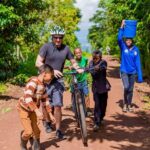
The strongest praised aspect across the feedback is the team attitude. I saw multiple mentions of guides staying attentive and helping people manage the climb. Named examples include support from guide Baraka in one trek experience and guide Buda in another. That doesn’t guarantee every trek will match those same names, but it does signal that the company puts real effort into matching hikers with strong on-the-ground leadership.
You’re also working with porters, and the tone in the feedback consistently points to caring crew behavior. On Kilimanjaro, that care isn’t fluff. When weather turns or you feel a wobble at high altitude, calm guidance helps you keep moving safely.
Gear and pacing: how to survive Machame’s steep ups and downs
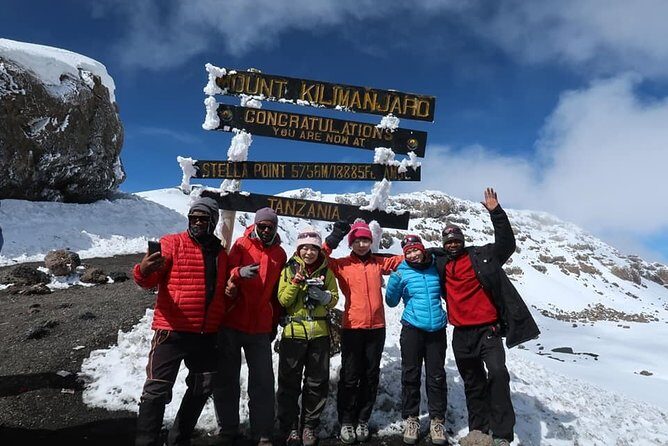
I love the idea of Machame, but you have to respect what it asks. The itinerary includes steep ridges, rocky sections, scree on summit night, and muddy descents at the end. Your gear should aim for stability and warmth, not just comfort.
Here’s what the tour information directly suggests you bring:
- Gaiters for slippery and muddy sections.
- Trekking poles for long descents and uneven trails.
- Rain gear and warmer layers for cold conditions, especially near and above the summit zone.
- At lower elevations on the final day, shorts and T-shirts may be fine, but keep the temperature shift in mind.
For pacing, here’s my practical advice: treat the early days as altitude work, not fitness time. If you charge too hard on Day 1 or Day 2, you’ll pay for it later when the schedule tightens and the summit push arrives.
Pay special attention to how you handle Day 4. That day is long, and it sets your body up for midnight hiking. If you arrive at Barafu overly exhausted, you might still reach the top, but it becomes a tougher battle.
Price and value: is $2,000 fair for this kind of package?
At $2,000 per person, this is not a cheap activity. But the price is easier to justify when you look at what’s covered and what’s not.
What you get for that cost
- All fees and taxes are included.
- Park admission tickets are listed for each day.
- Meals cover most of the trip: six breakfasts, six lunches, and five dinners.
- Pickup is offered.
- You receive a mobile ticket.
- The activity is operated by Kiliserengoro Climbing Tour Operator and capped at a maximum of 200 travelers for the experience.
What’s not included
- Flights.
- Visa.
- Crew tips.
So, for the kind of multi-day guided high-altitude trek you’re buying, the value comes from reduced hassles: permits handled, food planned, and transport arranged to and from Moshi at the start and end.
Still, you should budget extra for the common extras that aren’t listed as included. Tips, visas, and getting yourself into Tanzania are real costs. If you’re comparing options, look for whether the total price includes guides, meals, and park fees, not just the “base trek fee.”
Who this tour suits best (and who should rethink)
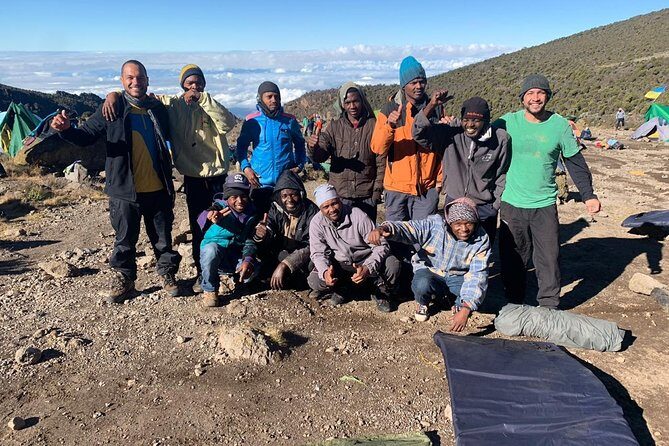
This Machame plan is best for hikers with at least moderate physical fitness. The description also clearly warns that Machame demands good shape because of steep elevation gains and losses.
You’ll likely enjoy this tour if you:
- Want the Machame route’s acclimatization approach within a six-day timeframe.
- Can handle long hiking days and steep terrain.
- Are willing to take summit night seriously, including starting between midnight and 2:00 am.
You might want to rethink the plan if you:
- Get overwhelmed by “sleep-light” days and back-to-back hard hiking.
- Know you struggle with steep descents or rocky scree.
- Haven’t trained for sustained uphill walking.
Kilimanjaro rewards smart effort. It doesn’t reward ego.
Should you book the 6 Days Kilimanjaro Machame climb in 2025/26?
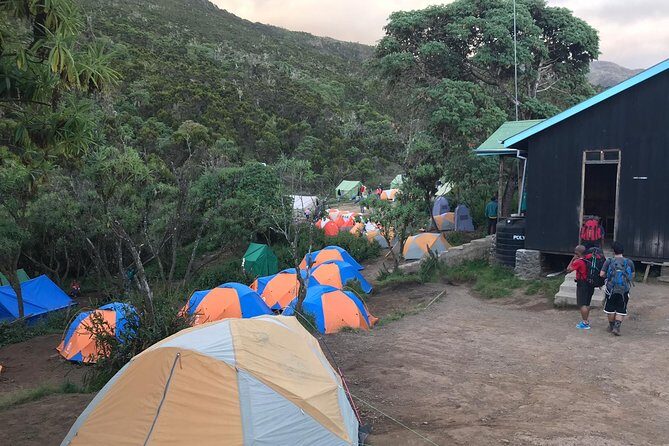
If your goal is a classic Kilimanjaro route in about six days, Machame is a strong choice. The itinerary’s structure makes sense: early higher exposure for acclimatization, a critical recovery-style day at Barranco, then a serious build-up toward Barafu and the midnight summit push.
I’d book this tour if you want:
- A guided, meal-supported climb with park logistics handled.
- The chance to see dramatic shifts in terrain from rainforest to arctic-feeling zones.
- A company where reviews highlight careful crew support and guides who help keep people moving.
I wouldn’t book it if you’re hoping for a gentle, flexible hike. The schedule is tight, and the summit day is demanding by design. If you’re prepared for that reality, you’ll be set up for a memorable mountaintop experience, even when weather and your personal pace make the outcome uncertain.
FAQ
Where does the tour start, and what time do we begin?
The tour starts at KILISERENGORO TOURS: Kilimanjaro Hiking Company in Moshi, Tanzania, with a start time of 8:00 am.
How long is the Kilimanjaro climb?
The tour lasts about 6 days.
Is pickup included, and does the tour end back in Moshi?
Pickup is offered, and on the last day the tour includes transport by vehicle from Mweka Village back to your hotel in Moshi.
What meals are included in the package?
The tour includes 6 breakfasts, 6 lunches, and 5 dinners.
What is not included in the price?
Flights, visa, and crew tips are not included.
When do you start the summit attempt?
On the summit day (Day 5), the hike starts between midnight and 2:00 am.
What happens if the trek can’t run due to weather?
The tour requires good weather. If it’s canceled due to poor weather, you’ll be offered a different date or a full refund.