REVIEW · ARUSHA
4 Days Group Joining Camping Tanzania safari
Book on Viator →Operated by Kipok Africa Adventures · Bookable on Viator
Four days hits different in Tanzania.
This group camping safari strings together Tarangire, Serengeti, and Ngorongoro in a tight loop that keeps the animal action coming, plus you get real camp life along the way. You’ll roll out early, spend big chunks of the day on game drives, and end with that iconic crater wildlife show.
What I like most is the human side. Your trip runs with a professional English-speaking guide, and the food gets real attention too, with past guests praising cooks and chefs like John and Prosper for meals that actually hit the spot after a long day.
My only watch-out is the pace and the camping style. With long drive days and nights in tents, this is best if you’re good with basic outdoor comforts and don’t mind sitting in a safari vehicle for hours.
In This Review
- Key highlights worth planning for
- Northern Circuit in 4 days: what this trip is really like
- Arusha pickup and the first morning in Tarangire
- Tarangire game drives: elephants, lions, and the birds of the swamps
- Serengeti day: getting serious about predators
- Serengeti early morning: when the plains do their best work
- Ngorongoro rim overnight: the crater story starts at sunset
- Ngorongoro crater day: steep descent and Big Five possibilities
- Camping setup and the people who make it work
- Logistics that matter: timing, 4×4 comfort, and a small group
- Price and value: what $1,333.34 covers
- Who should book this safari (and who should think twice)
- Should you book Kipok Africa Adventures 4-day group camping safari?
- FAQ
- How long is the 4 Days Group Joining Camping Tanzania safari?
- Where does the safari start and end?
- What time is pickup?
- Which parks are included in the itinerary?
- Is transportation included?
- What camping gear is included?
- How many meals are included?
- Is there a maximum group size?
- What is not included in the price?
- Can I cancel for a full refund?
Key highlights worth planning for
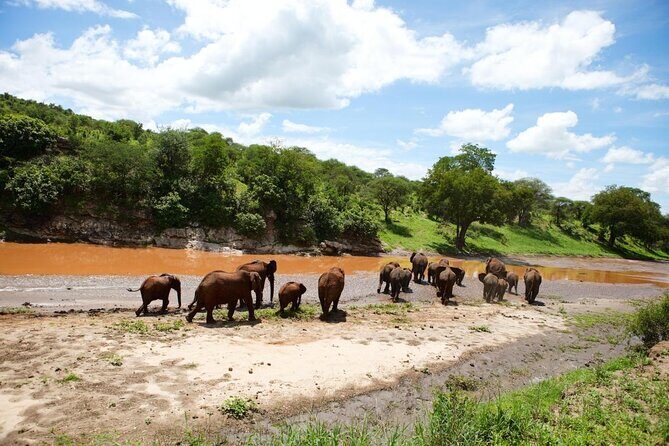
- Tarangire’s bird life and green swamps: 550 bird varieties and a whole lot of action around water.
- Serengeti predator chances: early-morning drives when prey is moving and lions are active.
- Overnight on the Ngorongoro rim: sunset views over the crater area before the crater day.
- Big Five target on crater floor day: buffalo, rhino, lion, elephant, and leopard are all possible.
- Small group size (max 15): enough to meet people, not so many that drives feel chaotic.
- Food matters on this route: guides and cooking staff have been consistently praised.
Northern Circuit in 4 days: what this trip is really like
This 4-day Northern Safari Circuit camping safari focuses on three headline areas: Tarangire National Park, Serengeti National Park, and Ngorongoro Crater. The route is designed for maximum wildlife time, not lots of travel days where you’re doing nothing but driving.
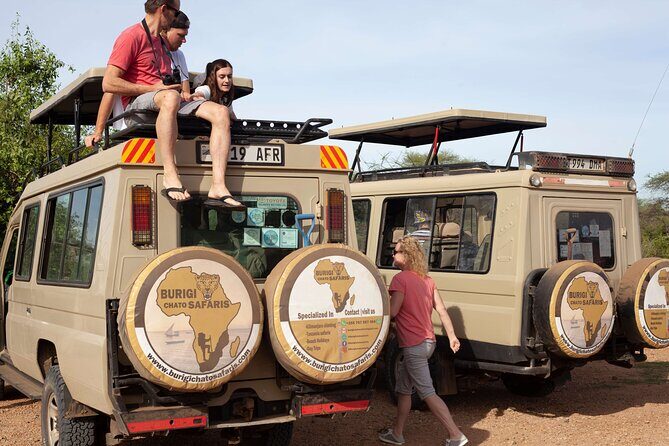
You’ll be picked up in Arusha and transported in a 4×4 safari vehicle, and you’re traveling in a group with a maximum of 15 people. That cap matters. Smaller groups typically mean easier communication in the vehicle and a bit more flexibility with where the guide spends time when the animals do something interesting.
The vibe is camping safari: you’ll have tents and camping gear, plus planned meals throughout the days. It’s a solid fit if you want the parks to feel like the center of the trip, not the hotel room.
A few more Arusha tours and experiences worth a look
Arusha pickup and the first morning in Tarangire
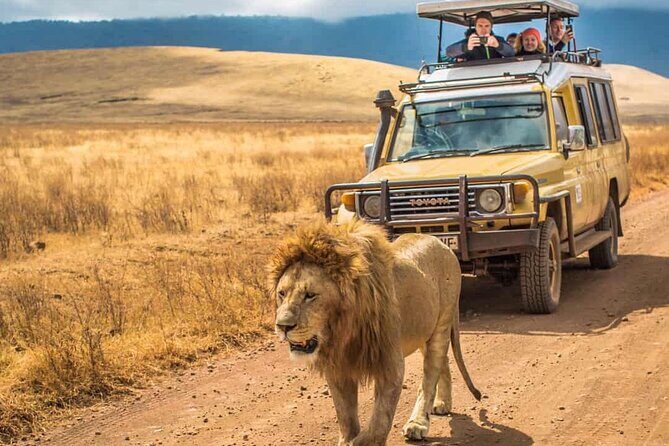
Your day starts early in Arusha. The overall listed start time is 7:30 am, but the Tarangire day includes pickup at around 06:30 am before the long drive into the park. Plan to be ready for a quick, early departure.
Tarangire is one of my favorite starters because it sets you up fast. You’re driving from Arusha to the park for game drives, and the area is known for a strong concentration of wildlife outside the Serengeti ecosystem. You get that classic Tanzania feel right away: open country, animals near the vehicle, and a guide who can point out what’s happening beyond the obvious big mammals.
Tarangire game drives: elephants, lions, and the birds of the swamps
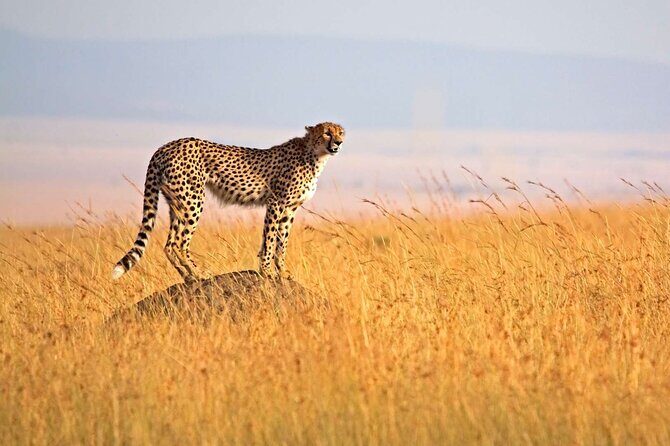
Tarangire is where the trip starts stacking up wildlife and detail. The park is known for swamps that stay tinged green year-round, and that wet habitat helps pull in animals and birds. One standout detail: Tarangire is associated with 550 bird varieties, with many breeding species in the same habitat.
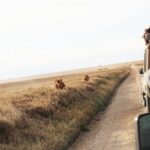
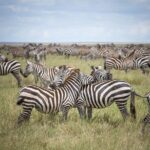
During your afternoon game viewing, you’ll have chances to see species like lions, leopards, elephants, plus buffalo, zebra, oryx, and impala. The point is that Tarangire isn’t only about the “Big Five” style checklist. It’s also about the birds, the small drama of movement in the grass, and the way different habitats change what you see.
If you enjoy watching wildlife without having to chase it, Tarangire is a good match. It’s also a place where the guide’s spotting skills really pay off. Guests have praised how their guide kept finding animals and connecting what they saw to clear facts.
Serengeti day: getting serious about predators
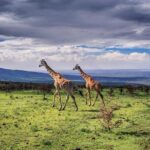
Day 2 shifts you into Serengeti National Park. After breakfast, you’ll drive through a cooler highland region toward the park, then settle in for game drives. Serengeti is described as having multiple scene types: grass plains, dry savannah, and marshy woodlands. That matters because it changes where predators and prey can move.
The trip includes time in Serengeti with the big draw being predators and their hunting opportunities. You’ll get a feel for why lions are such a focus here: with plenty of prey moving around (like gazelles and impalas), predator sightings can come more often when the guide positions the vehicle well.
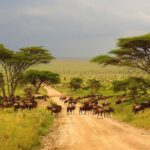
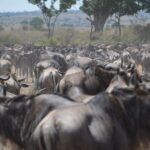
You also get context for the famous migration. Depending on the time of year, you may see the movement of wildebeest and zebras during the short rainy season from about November and December, when herds travel from northern hills to southern plains before returning north later. Even if you’re not on peak migration timing, Serengeti still gives you that constant sense of animal activity.
Serengeti early morning: when the plains do their best work
Day 3 starts before the sun is high. You’ll head out for your first game drive of the day as the light changes over the open plains. The early timing helps for one reason: prey is moving, and predators follow.
You’ll spend time in Serengeti again, then return to camp for breakfast before leaving the park and heading toward Ngorongoro. This is a key rhythm of the itinerary. You’re not only doing long drives; you’re also getting morning game time, when wildlife often feels most active and you’re less cooked by the sun.
A few more Arusha tours and experiences worth a look


Ngorongoro rim overnight: the crater story starts at sunset
After Serengeti, the route goes to Ngorongoro Crater rim. You’ll arrive at the crater rim where the caldera—around 600 meters deep—is visible. This is where the trip changes tone. Serengeti is about wide-open plains; Ngorongoro is a contained world.
You’ll spend the night at a campsite on the crater edge and watch the sunset over glistening springs on the crater’s floor. That single overnight is a big reason people feel like they got more than a quick park day. You’re not just dropping in for a drive. You’re positioned to experience the place as day turns into night.
For a camping safari, this kind of “take a breath” moment matters. It also makes the next day more exciting because you’ve already seen the crater from above.
Ngorongoro crater day: steep descent and Big Five possibilities
Day 4 is crater floor time. You’ll start early and begin a descent on a narrow, steep road. Once you’re down on the crater floor, the wildlife list gets specific and impressive: zebras, hippos, hyenas, wildebeests, and warthogs are included in the expected sightings.
The itinerary explicitly calls out Big Five possibilities on this day: buffalo, rhino, lion, elephant, and leopard. That’s the headline you’ve come for, and the crater setting is what makes it so memorable. The ecosystem is concentrated, and with the right timing you can see predators and prey in a tight radius from the vehicle.
After a full round of game viewing and a lunch at a picnic spot, you’ll leave the crater and travel back to Arusha, arriving late afternoon. It’s a long day, but it’s also a satisfying finish because it ends with a clear sense of having checked the core boxes.
Camping setup and the people who make it work
This safari is a camping experience, so you’ll have tents plus sleeping mats, chairs, and tables provided as part of the equipment. That’s important because it changes what you need to bring. You’re not stuck improvising gear in the field.
Meals are also planned: dinners (3), lunches (4), and breakfasts (3) are included. Past guests have praised the cooking staff, including a chef named John for delicious meals and a cook named Prosper for wonderful food. That matters more than people think. On safari, a good meal gives you the energy to sit in the vehicle, scan the grass, and stay patient when the animals take their time.
A big theme in the feedback is that the guide isn’t just driving. Guides like Frankie, Bryson, Joel, Juma, Jordan, Salim, Mo, Elias, and others have been named for being friendly, supportive, and focused on spotting animals and explaining what you’re seeing. The best part is when the facts make your viewing feel less random.
Logistics that matter: timing, 4×4 comfort, and a small group
This tour is built around early starts and full park days. Day 2 is listed at about 9 hours, Day 3 at 8 hours, and Day 1 about 7 hours, so you’ll spend plenty of time in the vehicle. That’s normal for safari routes, but it does shape how you should plan your body and your expectations.
Because it’s up to 15 travelers, the group size is small enough that you can still feel like the guide is watching the whole group, not only the loudest person. It also keeps the vehicle feel more personal during drives.
Pickup is offered from your Arusha hotel area, and your trip ends back at the meeting point in Arusha. You’ll also receive a mobile ticket, which helps keep things straightforward when you arrive.
Price and value: what $1,333.34 covers
At $1,333.34 per person, this isn’t a giveaway price, but it also isn’t a stripped-down version of safari where you pay extra for everything. The big value lever here is that the price includes all fees and taxes, transportation in a 4×4 safari vehicle, a professional English-speaking guide, camping equipment, and the bulk of your meals.
For many travelers, the hidden cost in Tanzania safari planning is park fees, vehicle costs, guide fees, and camping logistics. This itinerary wraps those into the package, which can make the trip feel easier to budget for up front.
Is it perfect value for everyone? If you’re expecting the longest possible time inside just one park, or a more luxury camping setup, you might feel the route is a bit compressed. One person noted that Tarangire, Serengeti, and Ngorongoro were not as they expected when compared with another top African safari destination. That doesn’t mean the parks are weak. It means your expectations about time and scale can shape your satisfaction.
Who should book this safari (and who should think twice)
This trip is a strong match if:
- You want to hit Tarangire + Serengeti + Ngorongoro in one go.
- You’re comfortable with camping and long driving days.
- You like the idea of guides focusing on real animal spotting and clear information.
- You want a small group with a maximum of 15 people.
You might want a different option if:
- You know you hate camping and would rather pay for lodge comfort.
- You need lots of downtime between parks.
- You’re hoping for one park to be your whole focus instead of a fast northern circuit sampler.
The route is a best-of plan. If that’s what you want, it fits.
Should you book Kipok Africa Adventures 4-day group camping safari?
I’d recommend booking this safari if you want a practical Northern Circuit plan with everything essential included: park-focused days, guide support, 4×4 transport, camping gear, and meals. The mix of Tarangire bird and wildlife action, Serengeti predator time, and the crater overnight plus crater floor Big Five chances makes the itinerary feel purposeful rather than random.
Before you book, do two quick checks:
- Confirm the exact pickup time shown on your confirmation, since the itinerary includes a morning pickup around 06:30 am while the start time listing says 7:30 am.
- Be honest about your camping comfort level. This is camping safari by design, and you’ll feel it most on the longer drive days and the overnight on the rim.
If camping and early starts sound fine, this is the kind of safari that can turn into your Tanzania highlight fast.
FAQ
How long is the 4 Days Group Joining Camping Tanzania safari?
It runs for about 4 days.
Where does the safari start and end?
It starts in Arusha, Tanzania and ends back at the meeting point in Arusha.
What time is pickup?
The start time is listed as 7:30 am, and the Tarangire day includes pickup from your hotel at about 06:30 am. Your booking confirmation should show the exact pickup details.
Which parks are included in the itinerary?
The safari includes Tarangire National Park, Serengeti National Park, and Ngorongoro Crater.
Is transportation included?
Yes. You travel in a 4×4 safari vehicle, and pickup is offered.
What camping gear is included?
Camping equipment is included, such as tents, sleeping mats, chairs, and tables.
How many meals are included?
Breakfast (3), lunch (4), and dinner (3) are included.
Is there a maximum group size?
Yes. The group has a maximum of 15 travelers.
What is not included in the price?
International flights, tips, personal expenses (like laundry and communication), Tanzania visa, and travel insurance are not included.
Can I cancel for a full refund?
Yes. Free cancellation is available up to 24 hours in advance of the experience start time for a full refund. If you cancel less than 24 hours before, the amount paid is not refunded.