REVIEW · MOSHI
Mount Kilimanjaro Rongai Route
Book on Viator →Operated by ZARA TOURS · Bookable on Viator
Rongai starts gentle, then demands everything. This 7-day Kilimanjaro climb from Moshi begins with a drive to Rongai Gate and an easy altitude ramp through farmlands and pine forest, then it steps up through moorland, the Saddle, and on toward Uhuru Peak. I love the built-in acclimatization day at Mawenzi Tarn, and I also like the way the team keeps you moving with tight safety focus.
The main drawback to plan for is the late-night reality of the summit push. Day 6 can take 12 to 15 hours over about 22 km, with a steep climb from around midnight and big altitude gains, so you need solid moderate fitness and the mental patience to pace.
In This Review
- Quick hits before you climb
- Why the Rongai Route feels like Kilimanjaro, just in a different order
- Moshi logistics: airport start, pickup, and returning to Springlands
- Day 1: Rongai Gate to Simba Camp, 8 km of gentle altitude work
- Day 2: Second Cave lunch and the move toward Kikelewa Camp
- Day 3: Mawenzi Tarn, shorter distance but steeper effort
- Day 4: The altitude insurance policy at Mawenzi Tarn
- Day 5: The Saddle to Kibo Hut before the midnight start
- Day 6: Midnight ascent to Uhuru Peak, sunrise if weather cooperates
- Day 7: Descent through moorland and rainforest to Marangu Gate
- Guides, porters, and meals at altitude: what this team does best
- Price and value: $2,700 per group, and how to judge the math
- How to prep for Rongai’s demands (without overthinking it)
- Should you book this Kilimanjaro Rongai route?
- FAQ
- What is the location for this Kilimanjaro Rongai Route trip?
- How long is the tour?
- How much does it cost?
- Is pickup available?
- What time and where does the trip start?
- Is this a private tour?
- What fitness level do I need?
- Does the itinerary include park admission tickets?
- What are the main places you sleep during the trek?
- How does the summit day work?
- Is free cancellation available?
Quick hits before you climb
- Rongai Gate start: a gradual first day with lush farmlands and pine forest, plus wildlife like colobus monkeys you might spot.
- Mawenzi Tarn acclimatization: an extra day that includes a hike toward Mawenzi Peak to help your body handle the thinner air.
- Second Cave lunch and Kikelewa Valley: a longer day with a lunch stop and a camp tucked in a sheltered spot near Kikelewa Cave.
- The Saddle to Kibo Hut: barren, lunar-feeling terrain with a steady incline that sets you up for a midnight summit attempt.
- Summit night timing: you’re awakened around midnight, climb to Gillman’s Point, then continue to Uhuru Peak for sunrise if weather cooperates.
- Staff support you can feel: guides and crew are repeatedly described as attentive, with strong English and good care even during high-altitude meals.
Why the Rongai Route feels like Kilimanjaro, just in a different order
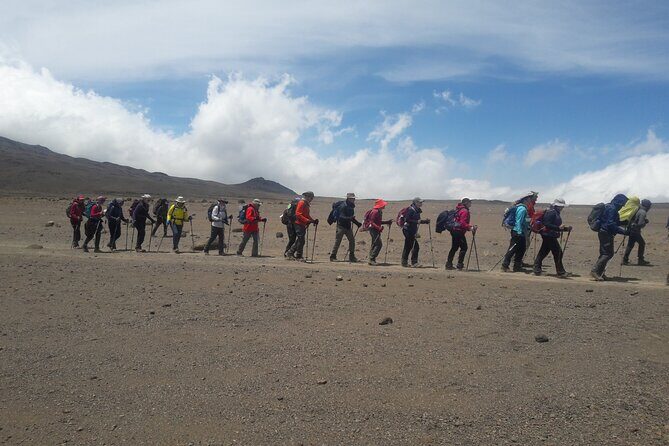
Kilimanjaro isn’t one climb. It’s a sequence of altitude zones, and the Rongai Route gives you a structured progression. You start at lower elevation and work upward in a way that gives your body time to adjust, especially with that extra Mawenzi Tarn day.
This route also builds your “mental map” of the mountain. Day by day you shift from farmlands and forest to moorland, then the stark “Saddle,” and finally the crater-rim approach. If you like knowing what’s coming next, this itinerary helps.
You can also read our reviews of more tours and experiences in Moshi.
Moshi logistics: airport start, pickup, and returning to Springlands
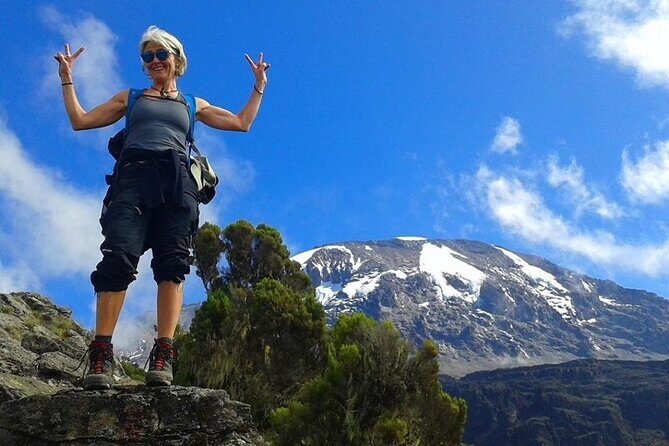
Your adventure is anchored in Moshi, and the tour is set up to move you quickly into the park. Pickup is offered, and the start point is Kilimanjaro Airport with a start time of 7:00 am, so plan for an early morning.
After the trek, you don’t end in limbo. You’re driven back to Springlands Hotel in Moshi for a hot meal, a refreshing shower, and a comfortable bed. That matters on a mountain where sleep is precious and every day ends with a different kind of fatigue.
It also helps that this is a private setup for your group only, with a maximum group size of up to 15. If you’re traveling with friends, families, or a small group, the pace and attention tend to stay more personal.
Day 1: Rongai Gate to Simba Camp, 8 km of gentle altitude work
Day 1 starts with breakfast, then a scenic drive toward Rongai Gate. The drive takes about 2 to 3 hours, passing farmlands and rural villages, and then you handle registration before the hike begins.
The walking part is about 8 km over 3 to 4 hours. This is a smart first-day formula: a gentle ascent through lush farmlands and pine forests, giving you a chance to settle into the rhythm before altitude gets serious.
You might catch glimpses of wildlife, including colobus monkeys. You’ll reach Simba Camp and get a hot meal before resting up. Expect that your body will feel like it’s working, even when the pace is controlled, because you’re still climbing in elevation.
Possible consideration: if you’re not used to hiking early, the start can feel long. You’ll also want to keep your pace calm even when you feel good—Day 1 is where people accidentally go too fast.
Day 2: Second Cave lunch and the move toward Kikelewa Camp
Day 2 is your longer hiking day in the early phase. You’ll cover about 10 km in roughly 5 to 6 hours while moving from around 2,600 m up to roughly 3,600 m.
The day includes a notable lunch stop at the Second Cave, then you continue across moorland on a smaller path toward Mawenzi’s jagged peaks. The scenery here tends to feel more exposed, and one of the best parts of this day is that sense of isolation as the trail narrows and the mountain dominates the view.
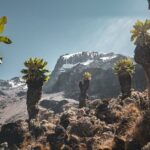
You’ll arrive at Kikelewa Camp, set in a sheltered valley surrounded by giant Senecios, near Kikelewa Cave. That “sheltered valley” detail matters because nights can feel colder and windier as elevation climbs, so a protected camp helps with recovery.
Possible consideration: this is where blisters and legs that feel fine on flat ground start complaining. Bring a steady pace and keep your stride consistent.
Day 3: Mawenzi Tarn, shorter distance but steeper effort
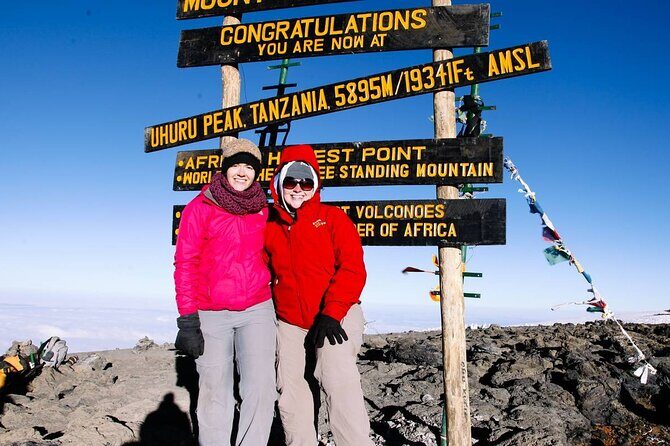
Day 3 reduces the distance but turns up the steepness. The hike is about 6 km over 3 to 4 hours, taking you from about 3,600 m to around 4,315 m.
You’ll move through grassy slopes that lead to Mawenzi Tarn, beneath the towering cliffs of Mawenzi Peak. Even though you’re hiking less time than Day 2, the altitude makes the effort feel heavier.
On arrival you get a hot lunch, then you’ll have time to relax. There’s also an option for a short acclimatization hike, which can help your body adjust without exhausting you.
At dinner, your guide gives a briefing for higher-altitude trekking ahead. That briefing is key. The summit day is one big challenge, but the steps leading to it are about preparation and pacing.
Possible consideration: don’t let a shorter hike fool you. If you treat it like a casual stroll, you can still feel wiped out by altitude.
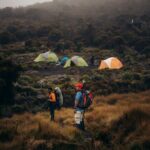
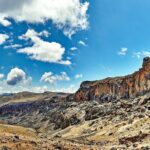
Day 4: The altitude insurance policy at Mawenzi Tarn
This is the day that makes the whole schedule feel smarter. Day 4 gives you an essential acclimatization boost at Mawenzi Tarn.
You hike toward Mawenzi Peak for acclimatization, then return to Mawenzi Tarn to rest. The point is simple: your body gets practice in thinner air, and you build the stamina you’ll need for the harsher stages toward Kibo Hut.
If you’re the type who wants to “get it over with,” this might feel like an extra day. But if you’re serious about summiting comfortably, it’s one of the most important parts of the trek.
Practical tip: keep hydration steady and stick to the pace your guide sets. This isn’t a day to test yourself.
Day 5: The Saddle to Kibo Hut before the midnight start
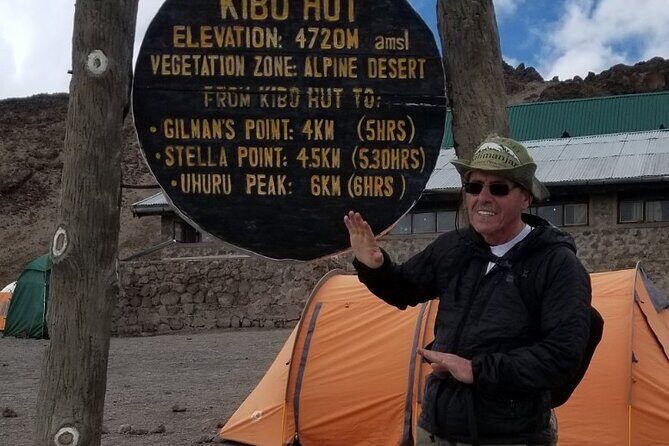
Day 5 takes you into the famous barren section people talk about. You’ll hike about 8 km in 5 to 6 hours, climbing from around 4,315 m to about 4,720 m.
The terrain is the “Saddle,” a wide stretch between Mawenzi and Kibo peaks. It’s desolate, rugged, and unforgettable to watch, because the summit attempt feels like it’s already waiting in the distance.
Even though the terrain can look intimidating, the trail maintains a gentle incline, which allows you to keep a steady rhythm. When you reach Kibo Hut, you rest and have an early dinner.
Then the countdown begins. Your guide gives a detailed briefing because the ascent to Uhuru Peak starts shortly after midnight.
Possible consideration: the Saddle day can feel mentally long. It’s not only the climb; it’s the stretch of terrain that keeps reminding you how far there is to go.
Day 6: Midnight ascent to Uhuru Peak, sunrise if weather cooperates
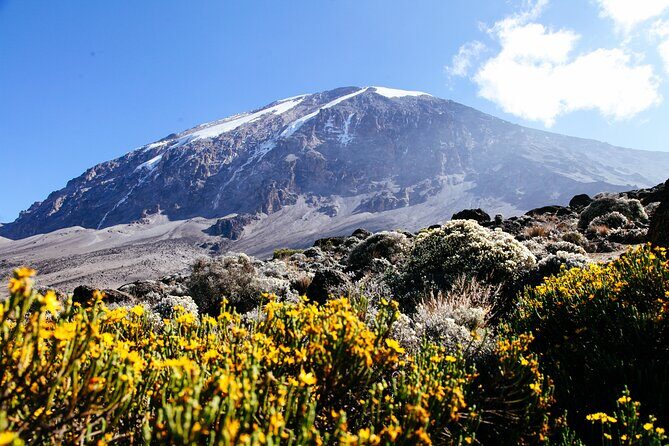
This is the big one. Day 6 is about 22 km total and typically runs 12 to 15 hours, including both ascent and descent.
Around midnight, you’ll be awakened to begin the final climb. The steep section up to Gillman’s Point (around 5,685 m) takes roughly six hours for most people, based on steady climbing.
From Gillman’s Point, you traverse the crater rim toward Uhuru Peak, the highest point on Africa. If the weather cooperates, you’ll catch a sunrise over the continent, which is the moment your earlier days were building toward.
After summit celebration, you descend to Kibo Hut for a short rest, then continue to Horombo Hut for the night. It’s a long day even when everything goes right, because success doesn’t erase fatigue—you still have miles of moving ahead.
Practical reality check: the summit day is as much about warmth, breathing, and pacing as it is about fitness. Your guide support is a major advantage here, especially when they’re watching for signs of tiredness or altitude issues.
Day 7: Descent through moorland and rainforest to Marangu Gate
Day 7 feels like a victory lap, but it’s still real hiking. You go down from roughly 3,720 m to around 1,830 m, covering about 20 km in 6 to 7 hours.
The descent takes you through diverse moorland and rainforest zones, so you’re not just dropping in altitude—you’re moving through different kinds of vegetation and light. It’s one of the most satisfying parts, because the mountain starts to look like a place again instead of a challenge.
At Marangu Gate, you receive your summit certificate, a concrete reminder that you finished what you started. Then you drive back to Springlands Hotel for that well-earned hot meal, shower, and bed.
If you want to extend the trip, there’s an option to meet the safari coordinator about adding a wildlife safari or continuing to Zanzibar afterward.
Guides, porters, and meals at altitude: what this team does best
The strongest, most repeated theme is support. More than one review highlights that the team is highly organized and that guides stay attentive throughout the climb, not just at the summit push. Specific guide names come up often: Mndeme, Stanley (also called Baba Massive), Selemani, Izadini, Teodori (Tido), Kabilla, and Amani.
You’ll also notice a pattern: the care isn’t only motivational. In one account, guides were described as watching for signs of tiredness or altitude sickness. That’s the kind of ongoing attention that can help you avoid bad decisions when you feel pressure to “push through.”
Food is another standout. One review praised a two-course dinner at around 4,500 m, and multiple comments emphasize that meals are a real part of how the trek feels manageable. Hot meals matter at elevation because they help you recover and keep your strength up for the next day’s movement.
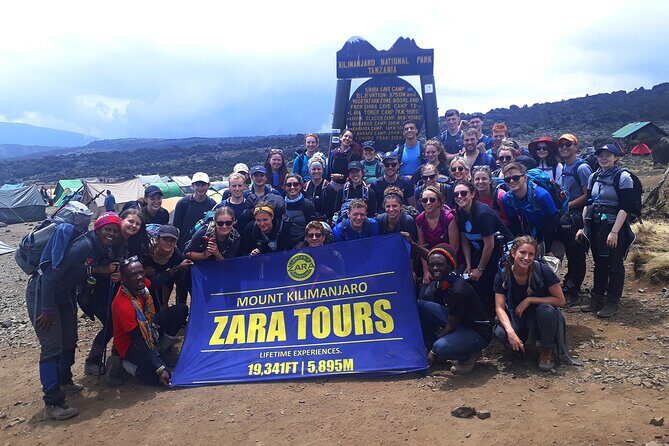
One more detail I appreciate is staffing. In a review of a larger group, the team supported them with a large professional crew (about 75 people) alongside professional mountain guides and porters. Even if your group size is smaller, the takeaway is the same: logistics are meant to feel ready, with many hands behind the scenes.
Balanced note: no guide can remove altitude risk. The best teams help you manage it through pacing, check-ins, and good planning. You still need to report symptoms early.
Price and value: $2,700 per group, and how to judge the math
The price is listed as $2,700.00 per group, up to 15 people. That means the real cost per person depends on how many you have in your group, so it’s worth doing the math early.
What you do get for that group price includes admission tickets during the itinerary days, plus pickup and a private experience where only your group participates. There’s also a mention of mobile ticketing, which usually helps reduce last-minute hassle.
Where you should be careful is in clarifying what’s included beyond admission. The data here doesn’t spell out things like climbing gear rentals, porter ratios, or what you should bring versus what’s provided. Before you book, ask Zara Tanzania Adventures what’s covered end to end, especially around comfort and safety items.
One positive surprise in the broader policy: cancellation is free up to 24 hours in advance for a full refund, which gives you a bit of flexibility if flights change.
How to prep for Rongai’s demands (without overthinking it)
This tour calls for moderate physical fitness level, and the schedule makes sense for that. You’re not only walking long distances; you’re also facing steep segments like Day 3 and the summit night that can run 12 to 15 hours.
Your preparation should focus on two things: leg endurance and pace discipline. If you can handle hours of uphill walking at a steady rhythm, you’ll have an easier time on days like Day 2 and Day 5.
Altitude prep is just as important. The itinerary gives you support through acclimatization—especially Day 4 at Mawenzi Tarn. Still, you’ll want to take hydration seriously and keep your effort calm when you feel your breathing get heavier.
Packing is personal, but prioritize layers for cold temperatures on summit night and sturdy footwear for rocky, uneven trails. Also plan for early starts, since the day-to-day schedule is built around hiking windows, meal timing, and rest.
Should you book this Kilimanjaro Rongai route?
I’d point you to this climb if you want a well-timed itinerary that takes acclimatization seriously, and you like the idea of a mountain day-by-day plan that builds toward a midnight summit attempt. The repeated praise for attentive guides and strong logistics is a good sign, and the Mawenzi Tarn extra day is exactly the sort of planning that helps more people succeed.
I’d pause before booking if you’re looking for a short, easy hike. The final day is long, steep, and demanding, and you should be comfortable committing to a serious schedule.
If you’re also thinking about adding safari time after Kilimanjaro, this outfit can connect you with a safari coordinator. One review highlighted a safari guide named Saleh who helped them see the Big Five on a 4-day safari, which makes the post-climb plan feel like it has momentum instead of downtime.
FAQ
What is the location for this Kilimanjaro Rongai Route trip?
The trip is based in Moshi, Tanzania, and takes place around Kilimanjaro National Park.
How long is the tour?
It runs for about 7 days.
How much does it cost?
The price is $2,700.00 per group for up to 15 people.
Is pickup available?
Yes, pickup is offered.
What time and where does the trip start?
The start time is 7:00 am and the meeting point is Kilimanjaro Airport.
Is this a private tour?
Yes. It’s listed as a private tour/activity, and only your group will participate.
What fitness level do I need?
The tour notes that travelers should have a moderate physical fitness level.
Does the itinerary include park admission tickets?
Yes. Each day listed includes admission ticket included.
What are the main places you sleep during the trek?
The itinerary includes nights at Simba Camp, Kikelewa Camp, Mawenzi Tarn (camp/specified stop), Kibo Hut, and Horombo Hut.
How does the summit day work?
You’re awakened around midnight to start the final ascent. You climb to Gillman’s Point and then continue to Uhuru Peak, with sunrise possible if weather cooperates.
Is free cancellation available?
Yes. You can cancel for a full refund up to 24 hours in advance of the experience’s start time.