REVIEW · MOSHI
Climb Kilimanjaro 8-Day Lemosho Route with Stunning Scenic Views
Book on Viator →Operated by PINNACLE ADVENTURES & SAFARIS LTD. · Bookable on Viator
Kilimanjaro rewards patience. The 8-day Lemosho route is built for better acclimatization with a calmer rhythm, then asks you to work hard only when it matters most. You’ll get that classic Kili payoff: rainforest mornings, high-altitude plateaus, and big sky views of Kibo as you go.
Two things I really like: first, the schedule gives you time to settle in before summit night, including arriving at base camp by lunchtime so you can eat and rest. Second, you’re supported by a full team, with guides and staff repeatedly praised for keeping things professional while still encouraging you, including main guide Justin JT and team leaders like Sam. The only real caution is physical: even on the easier Lemosho timing, you still climb the Barranco Wall and your summit attempt runs about 12–14 hours, starting around midnight.
Key is to know what you’re signing up for: a big altitude trek, not technical rock climbing. No ropes, no climbing gear, but you need stamina, slow steps, and the mental game for long nights at high altitude.
In This Review
- The Most Useful Highlights Before You Go
- Why the 8-Day Lemosho Plan Feels Smarter Than a 7-Day Sprint
- Day 1 to Mti Mkubwa Camp: Rainforest Start at Londorossi Gate (2,100m–2,780m)
- Day 2 to Shira Camp One: Shira Plateau Country and First Kibo Hints (2,780m–3,500m)
- Day 3 to Shira Camp Two: A Gentle Plateau Day With Big Wilderness Views (3,500m–3,850m)
- Day 4 to Barranco Camp: Lava Tower Acclimatization and the Barranco Wall Setup (up to 4,600m)
- Day 5 to Karanga Camp: The Barranco Wall Climb That Earns Your Summit Confidence
- Day 6 to Barafu Camp: Base Camp for the Midnight Push (4,035m–4,673m)
- Day 7: Uhuru Peak by Sunrise, Then Down to Mweka (4,673m–5,895m, 12–14 hours)
- Day 8: Mweka Trail Down to the Gate, Showers, and Certificates
- Price and Value: What You’re Actually Paying For ($3,373.24 per Person)
- What the Included Support Means on the Mountain
- Who This 8-Day Lemosho Climb Suits Best
- Should You Book This Kilimanjaro Lemosho 8-Day Route?
- FAQ
- What route is this, and how long is it?
- Is technical climbing required?
- Where does the trip start and end?
- What’s the highest point you aim to reach?
- What’s included in the price?
- If I need to cancel, do I get a refund?
The Most Useful Highlights Before You Go
- 8 days for acclimatization: a longer route generally means less pressure before the summit push.
- Scenery variety every day: rainforest, Shira Plateau views, Lava Tower acclimatization, and the Barranco Wall scenery.
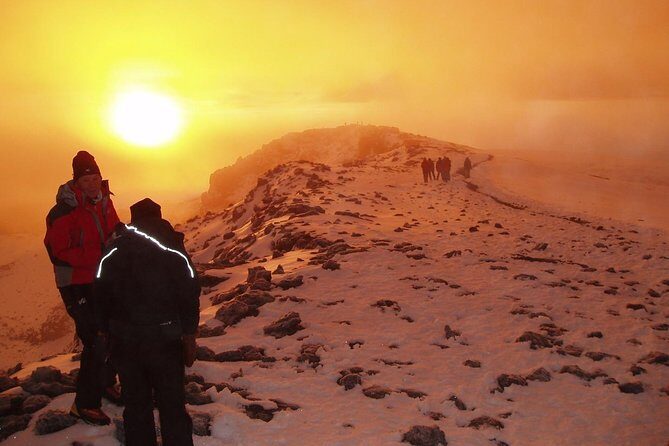
- Midnight summit plan: you start the climb to Uhuru Peak around midnight, aiming for sunrise.
- Full-service camp setup: tents, camp chairs, tables, and mattresses are included, so you’re not hauling everything yourself.
- Green vs gold completion certificates: reach Stella Point (5685m) for green, Uhuru Peak (5895m) for gold.
Why the 8-Day Lemosho Plan Feels Smarter Than a 7-Day Sprint
If you’re choosing Lemosho, you’re already making a good call. The 8-day version is often considered easier because you’re not trying to stack too much altitude gain into too few days. Your body gets more chances to adjust as you move up through each altitude band.
I also like the way the extra day supports your summit night. The approach described here helps you reach base camp (Barafu area) with time to eat and rest properly, instead of rushing into summit gear exhausted. That matters when the summit push starts around midnight and you’re climbing into thin air.
The tradeoff is simple: it’s still Kilimanjaro. Even if you don’t need technical skills, you’ll spend long hours walking, often over uneven ground, while your lungs work harder than usual.
You can also read our reviews of more tours and experiences in Moshi.
Day 1 to Mti Mkubwa Camp: Rainforest Start at Londorossi Gate (2,100m–2,780m)
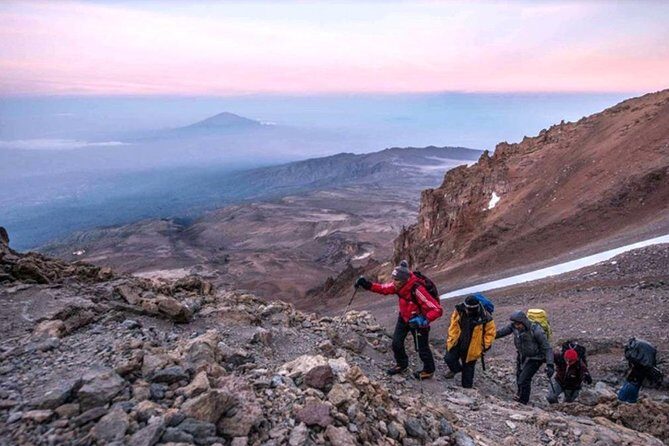
Day 1 begins with registration at Londorossi Gate, then you head into lush rainforest. This first trek is about getting your legs moving gently, not about chasing altitude records.
You’ll typically gain from about 2,100m to 2,780m and walk around 3–4 hours. The rainforest trekking is one of the best ways to begin because it’s slower-feeling than the higher, drier zones that come later. Plus, you’ll learn how your group paces itself right away.
Possible drawback: it can feel “easy” compared to later days, and that can tempt some people to walk faster. Don’t. Kilimanjaro is won by controlling effort, not by finishing early.
Day 2 to Shira Camp One: Shira Plateau Country and First Kibo Hints (2,780m–3,500m)
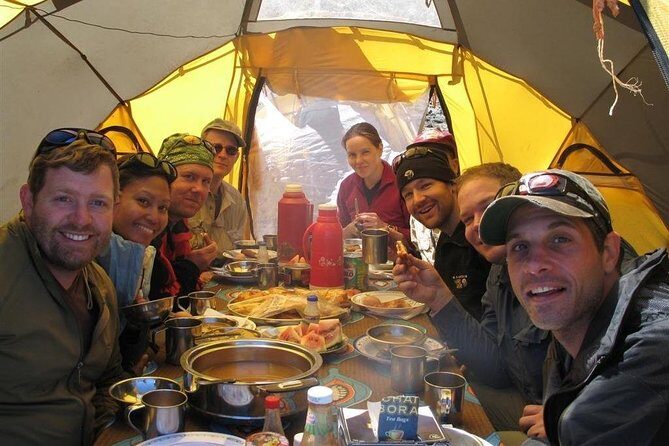
On Day 2, you continue through the rainforest and reach the Shira Plateau. This is where the mountain starts changing your mood. The air firms up, the views open, and you often get your first clear glimpse of Kibo Peak.
Expect about 5–6 hours of trekking and elevation from roughly 2,780m to 3,500m. You’re still not at summit altitude, but you’re well on your way, and that shift is part of the experience.
The practical win here is perspective. Seeing Kibo for the first time makes the summit feel real, but you’re not there yet—so you keep earning the climb, day by day.
Day 3 to Shira Camp Two: A Gentle Plateau Day With Big Wilderness Views (3,500m–3,850m)
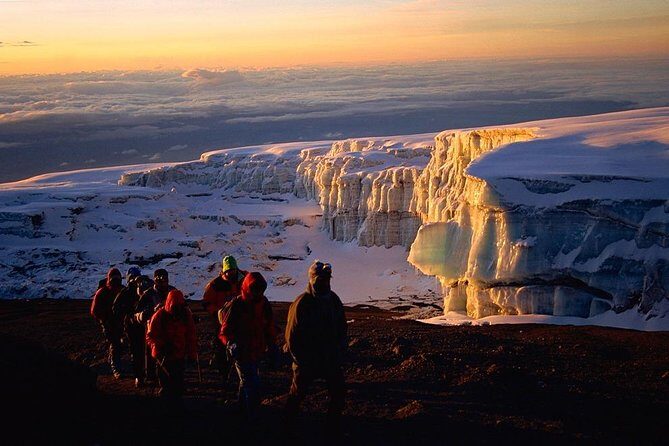
Day 3 is a calmer day across the Shira Plateau. Trekking time is about 4–5 hours, with a rise from 3,500m to 3,850m.
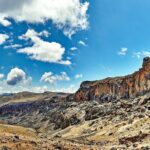
What I like about this stage is the “slow build” feeling. You’re not spiking altitude aggressively, and you’re treated to panoramic views, including Mount Meru and surrounding wilderness. It’s a good day for steady breathing, good hydration habits, and settling into camp routines.
Consideration: plateau days can tempt you to walk faster because the terrain may feel straightforward. Keep your pace modest anyway. At altitude, small speed-ups can add up.
Day 4 to Barranco Camp: Lava Tower Acclimatization and the Barranco Wall Setup (up to 4,600m)
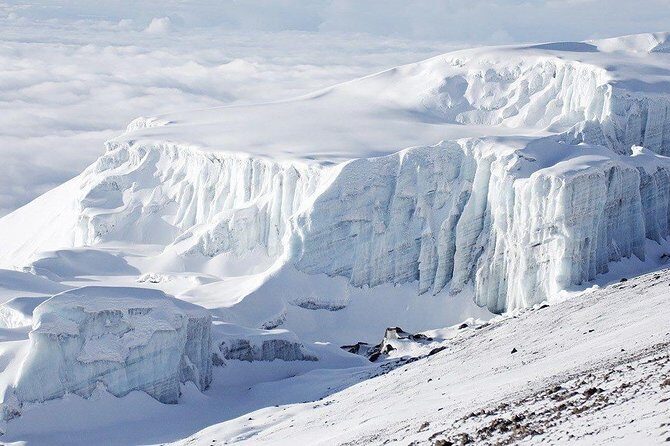
Day 4 is where the climb starts asking sharper questions. You trek to the Lava Tower (around 4,600m) for acclimatization and then descend to Barranco Camp under the Barranco Wall.
This day is listed at 6–7 hours total, moving from about 3,850m up to 4,600m and down to around 3,900m. That climb up and down is classic Kilimanjaro pacing: go high enough to stimulate acclimatization, then drop to recover.
I also appreciate that Barranco Camp is specifically described as scenic and tucked under the Barranco Wall. That gives you a psychological reward when your legs are done with the day’s work.
Main drawback: if you’re prone to altitude symptoms, Day 4 is not a time to ignore them. Tell your guides early if you feel off, so your pace and care can adjust.
Day 5 to Karanga Camp: The Barranco Wall Climb That Earns Your Summit Confidence
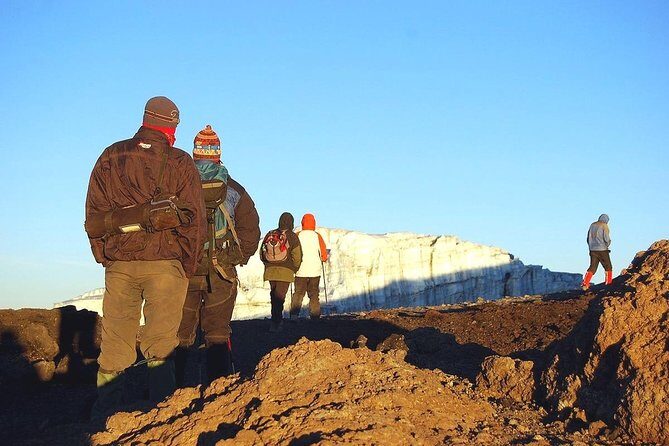
Day 5 is built around one of the most talked-about parts of the route: climbing the Barranco Wall. After that, you head toward Karanga Camp for a solid acclimatization step.
This trek is about 4–5 hours and takes you from 3,900m to about 4,035m. The time might look short on paper, but climbing the Barranco Wall is not a casual stroll. It’s steep and demanding in a way that tests your breathing more than your hiking technique.
The upside is huge. Once you’ve conquered this section, summit night doesn’t feel random anymore. It feels like the next step in a plan you already proved you can handle.
Day 6 to Barafu Camp: Base Camp for the Midnight Push (4,035m–4,673m)
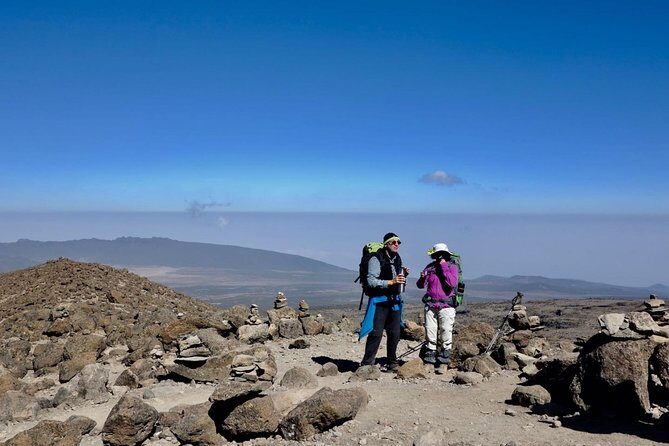
Day 6 climbs to Barafu Camp, your staging area for the summit attempt. You’ll gain from roughly 4,035m to 4,673m over about 4–5 hours.
At this point, the goal is not to chase extra views for extra effort. You rest, prepare, and get your body into summit mode. The plan here sets you up for that by keeping your pre-summit timing sensible.
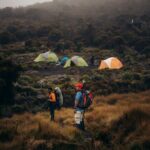
One thing you’ll be glad about: the included setup means you can focus on recovery. Camping equipment like tents, chairs, tables, and mattresses are included, along with hot water for a wash each day and fresh drinking water. That doesn’t remove altitude strain, but it makes camp life more bearable.
Day 7: Uhuru Peak by Sunrise, Then Down to Mweka (4,673m–5,895m, 12–14 hours)
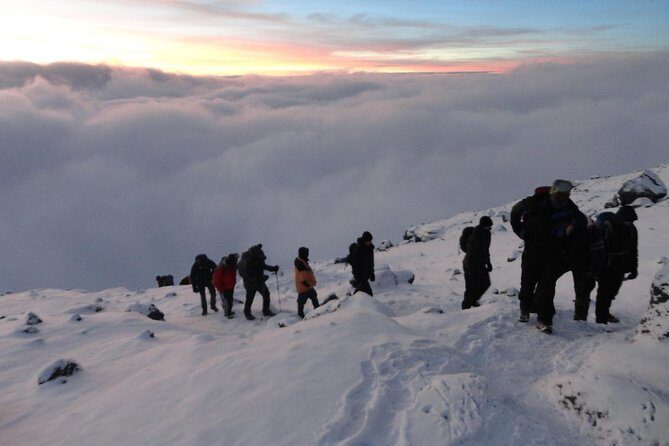
Summit night starts around midnight. The itinerary aims for Uhuru Peak (5,895m) by sunrise, then you descend all the way down to Mweka Camp for the night.
This is the longest, toughest day: listed at 12–14 hours, with the summit itself around 5,895m. That long window is why the 8-day approach is so valuable—your team expects summit day to be a grind, and they’ve given you more time to arrive ready.
Here’s what I find practical to remember: sunrise is your milestone, not your motivation. If you’re saving energy and keeping a steady rhythm until morning, your chances improve compared to burning matches early.
In the feedback shared about this climb, a key pattern shows up: main guide Justin JT and other leadership have been praised for staying calm, professional, and supportive—especially when people face minor altitude issues. That kind of real-time care matters when the route is steep and slow.
Day 8: Mweka Trail Down to the Gate, Showers, and Certificates
Day 8 is a victory lap of relief. You descend on the Mweka Trail to Mweka Gate and then transfer back to Moshi.
You’ll be treated to a hot lunch and the classic reset back in town—long-overdue showers and more celebration. The day also includes a National Park ritual: you sign your names to receive completion certificates.
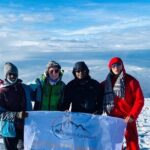
Green certificates are for reaching Stella Point (5685m). Gold certificates are for reaching Uhuru Peak (5895m). Even if summit day isn’t perfect for every person, you’ll understand the value of this scoring. It turns the mountain experience into something tangible you can carry home.
Practical consideration: your legs may feel like they’re filled with sand. Downhills can be harder than they look at this stage. Take it slow and let your knees recover as you walk.
Price and Value: What You’re Actually Paying For ($3,373.24 per Person)
At $3,373.24 per person, this is not a budget whim. But it’s also not just “a guide and some paperwork.” The included costs cover all fees and taxes, staff wages, and the camp logistics that would otherwise blow up your budget if you tried to DIY.
What’s included that really affects value:
- Qualified mountain guide, assistant guides, porters, and cook, plus their wages
- Camping equipment (tents, chairs, tables, and sleeping mattresses)
- Meals: breakfast (7), lunch (8), dinner (7)
- Fresh drinking water and hot water for washing daily
- Emergency oxygen for emergencies only and basic first aid
What’s not included, and you should plan for:
- Visas and flights
- Travel/health insurance
- Gratuities/tips (you present tips on the mountain after you finish)
- Personal gear and rentals (you opt to rent in Moshi)
- A portable toilet is optional but highly recommended
- Personal medicine and water purification tablets
- Snacks and meals/drinks not specified
My take on value: if this price includes the heavy lifting—staffing, camp gear, most meals, and park fees—it protects you from the common cost trap of “cheap trip, expensive add-ons.” The only thing that can change your real total is what you do for personal gear, meds, and tipping.
What the Included Support Means on the Mountain
Kilimanjaro success is partly luck and partly management. This package is designed around the management side: camp rhythm, meal timing, and a team large enough to handle your daily needs.
You’ll also be working in a group environment, but it’s described as a private tour/activity, meaning your group setup should be focused on your party rather than mixing with random strangers. That usually helps with pacing and morale, because you’re not guessing how each person reacts to altitude.
The staff encouragement shows up in the stories tied to this operator, including praise for supportive teams like Mariam and her support network (porters and chef included). When the mountain gets difficult, the tone of camp leadership can make the difference between panic and patience.
Who This 8-Day Lemosho Climb Suits Best
This works best for people with moderate physical fitness who can commit to slow, steady walking. You don’t need technical mountaineering skills, but you do need stamina for long trekking days and a midnight start.
I’d especially consider this route if:
- You want a more relaxed acclimatization timeline than the 7-day options
- You care about scenery and want time to enjoy it without sprinting
- You want a team that handles logistics so you can focus on your breathing and your pace
You should think twice if you know you struggle with long endurance at altitude, or if you’re not comfortable with very early starts and long descents after summit day.
Should You Book This Kilimanjaro Lemosho 8-Day Route?
If you want the classic Kilimanjaro experience with a schedule that respects acclimatization, I’d say yes. The 8-day plan is practical: it gives you recovery time, sets you up to reach base camp by lunchtime, and still includes the tough, iconic segments like the Barranco Wall and Uhuru Peak summit night.
Before you book, be honest about your fitness and your mindset. This climb is physically demanding in a non-technical way, and the payoff comes when you pace yourself and listen to your guide. If you can do that, you’ll come home with a story that feels earned, not forced.
FAQ
What route is this, and how long is it?
It’s the Kilimanjaro Lemosho Route and it runs for 8 days.
Is technical climbing required?
No technical climbing is required, but you do need a good level of fitness for steep sections and long walking days.
Where does the trip start and end?
It starts in Moshi Urban, Tanzania and ends back at the same meeting point.
What’s the highest point you aim to reach?
The goal is Uhuru Peak (5,895m). The route also notes Stella Point (5685m) for certificate color.
What’s included in the price?
Included are park fees and taxes, a qualified guide team (including porters and cook) and their wages, emergency oxygen for emergencies, basic first aid kit, camping equipment, hot water for washing daily, fresh water for drinking, and meals (7 breakfasts, 8 lunches, 7 dinners).
If I need to cancel, do I get a refund?
You can cancel up to 3 days in advance for a full refund. If you cancel less than 3 days before the start time, the amount you paid is not refunded.